
Zone 9a in Texas presents a unique and dynamic gardening landscape, characterized by its warm climate and the ever-present challenge of managing heat and humidity. For the enthusiastic gardener, understanding what to plant and when is crucial to maximizing the bounty of the growing season. This guide delves into the specific opportunities and considerations for planting in Texas’s USDA Hardiness Zone 9a, focusing on the vibrant possibilities that await, particularly as the seasons transition.
Embracing the Texas 9a Growing Season
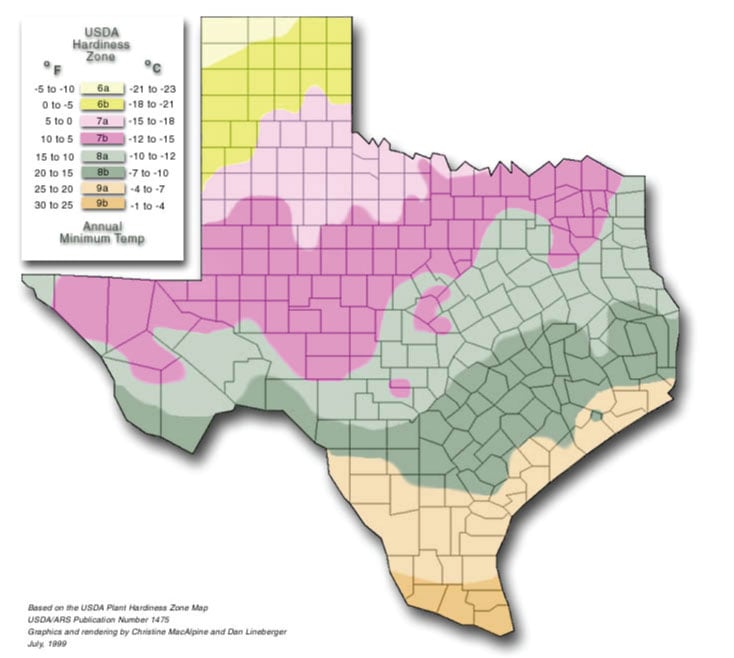
Texas Zone 9a, encompassing areas like Houston, Galveston, and parts of the Gulf Coast, offers a relatively long growing season. This advantage, however, comes with the need for strategic planting to avoid the most intense summer heat and to capitalize on milder periods. The key is to understand the microclimates within your own garden and to select plant varieties that are well-suited to the region’s specific conditions.
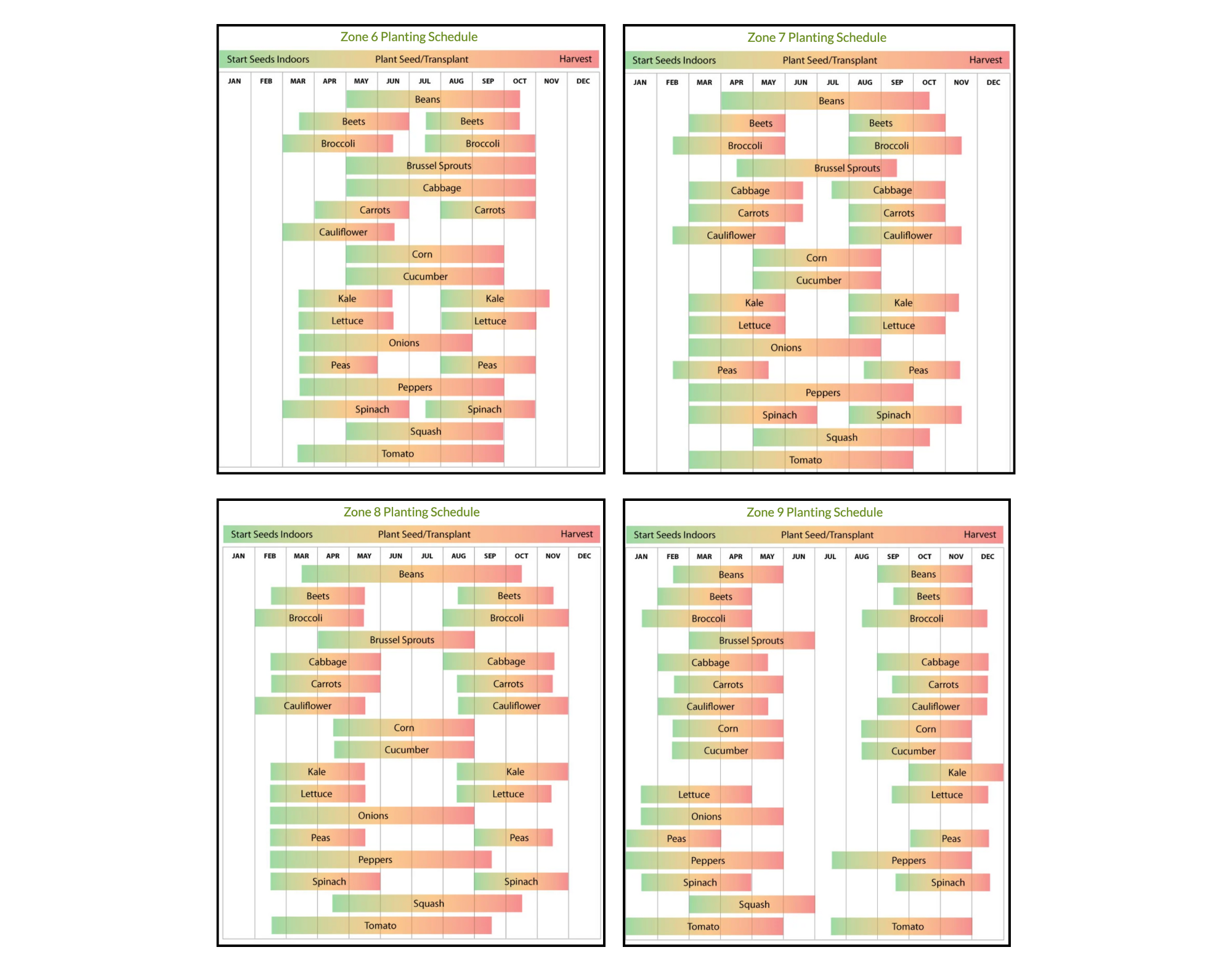
Understanding Zone 9a’s Climate Nuances
Zone 9a typically experiences average minimum winter temperatures between 20°F and 30°F (-6.7°C to -1.1°C). This means most of your beloved perennial plants will likely survive the winter, but it also implies that frost is a possibility. The summer months, however, are the defining characteristic, with prolonged periods of high temperatures and humidity. This influences not only what can be grown but also the best timing for planting to ensure successful establishment and optimal yield. The proximity to the Gulf of Mexico often contributes to higher humidity levels, which can impact disease pressure on certain plants.
Strategic Planting for Success
The gardening calendar in Zone 9a is less about strict seasonal divides and more about understanding the ebb and flow of temperature and rainfall. Early spring and fall often represent the prime planting windows for many vegetables and flowers, allowing them to thrive before the extreme heat of summer or the potential chill of winter. However, with careful selection and preparation, even summer planting can be successful for heat-tolerant varieties.
Spring Planting Opportunities in Zone 9a
As winter’s grip loosens, Zone 9a gardeners have a wealth of options to kickstart their growing season. The cooler, yet still mild, temperatures of early spring are ideal for establishing a wide array of vegetables and the initial blooming of many flowering plants.
Cool-Season Vegetables for an Early Harvest
Many vegetables that prefer cooler weather can be planted in late winter or early spring, allowing them to mature before the oppressive heat arrives.
- Leafy Greens: Varieties like spinach, lettuce, kale, collards, and Swiss chard thrive in these conditions. Planting them in succession every few weeks ensures a continuous harvest.
- Root Vegetables: Carrots, radishes, beets, and turnips can be sown directly into the soil. Ensure good drainage for these crops, as waterlogged soil can lead to rot.
- Brassicas: Broccoli, cauliflower, cabbage, and Brussels sprouts can be started from transplants or seeds. While they prefer cooler weather, they can sometimes be pushed into the early summer with careful management and mulching.
- Legumes: Peas and bush beans are excellent choices for spring planting. They benefit from the moisture and cooler temperatures to establish well.
Early Blooming Flowers to Brighten Your Landscape
Spring in Zone 9a is also a glorious time for flowering plants. Many annuals and some perennials can be planted now to enjoy vibrant color throughout the season.
- Annuals: Petunias, marigolds, zinnias, and impatiens are popular choices that provide continuous blooms. Consider planting them after the last expected frost.
- Perennials: Planting perennials in the spring gives them ample time to establish their root systems before the heat of summer. Examples include coneflowers, salvias, and daylilies.
- Bulbs: Many spring-blooming bulbs, such as tulips and daffodils, are typically planted in the fall. However, for summer blooms, consider planting lilies and gladiolus in the spring.
Preparing Your Garden for Spring Growth
Proper soil preparation is fundamental for successful spring planting. Amend your soil with compost or other organic matter to improve drainage and fertility. Consider a soil test to identify any nutrient deficiencies. Mulching around newly planted seedlings can help retain moisture and regulate soil temperature.
Summer Planting Strategies for Zone 9a
While summer in Zone 9a is synonymous with intense heat, it doesn’t mean gardening comes to a standstill. Strategic choices and techniques can allow for a surprising amount of growth and harvest during the hottest months.
Heat-Tolerant Vegetables for Summer Yields
Selecting varieties specifically bred for heat tolerance is paramount for summer success.
- Tomatoes: While many tomato varieties struggle in extreme heat, some heirloom and hybrid varieties are more resilient. Planting them in early spring allows for a good early harvest before the peak heat, or consider planting heat-set varieties later.
- Peppers: Both bell peppers and chili peppers generally perform well in the heat. Planting them as transplants in the spring will yield fruits throughout the summer.
- Okra: This quintessential Southern crop thrives in heat and humidity, making it an ideal summer vegetable for Zone 9a. Plant seeds directly into warm soil.
- Sweet Potatoes: These tubers are incredibly heat-tolerant and can be planted from slips in late spring or early summer.
- Southern Peas (Black-eyed Peas, Crowder Peas): These legumes are a staple in Southern gardens and are exceptionally well-suited to hot weather.
Drought-Tolerant and Heat-Loving Flowers

Many of the most beautiful summer blooms are those that can withstand high temperatures and potentially less frequent watering.
- Lantana: This vibrant, low-maintenance plant thrives in full sun and heat, attracting butterflies and other pollinators.
- Periwinkles (Vinca): Available in a range of colors, vincas are excellent for hot, sunny locations.
- Zinnias: While they benefit from consistent moisture, zinnias are remarkably heat-tolerant and produce prolific blooms.
- Daylilies: Many varieties of daylilies are well-adapted to the Texas climate and will bloom throughout the summer.
- Purslane and Portulaca: These low-growing succulents offer a riot of color and are perfect for hot, dry spots in the garden.
Water Management and Mulching in Summer
Effective water management is non-negotiable for summer gardening in Zone 9a. Water deeply and less frequently, aiming to moisten the root zone. Early morning watering is generally best to minimize evaporation. Heavy mulching with organic materials like straw or wood chips is crucial for retaining soil moisture, suppressing weeds, and keeping plant roots cooler. Consider installing a drip irrigation system for efficient water delivery directly to the plant roots.
Fall Planting: A Second Spring in Zone 9a
For many gardeners, fall in Zone 9a is akin to a second spring, offering a delightful window for planting a new set of cool-season crops and enjoying milder weather.
Extending the Harvest with Fall Vegetables
As summer’s heat begins to recede, the garden can be replenished with a new cycle of crops.
- Leafy Greens: Broccoli, cauliflower, cabbage, kale, collards, and spinach can be planted in late summer or early fall for a fall and early winter harvest.
- Root Vegetables: Continue planting carrots, radishes, beets, and turnips. Fall-planted root crops often have a sweeter flavor due to cooler temperatures.
- Peas and Beans: Bush beans can be planted for a fall crop. Snow peas and snap peas are excellent choices for cooler weather.
- Lettuce and Arugula: These fast-growing greens can be sown in succession well into the fall, providing fresh salads for months.
Fall Flowers for Enduring Color
The fall season also offers opportunities for beautiful floral displays.
- Mums and Asters: These classic fall-blooming perennials provide vibrant color as the season progresses.
- Pansies and Violas: These cool-season annuals can be planted in the fall and will often overwinter, providing early spring blooms.
- Ornamental Kale and Cabbage: These offer striking foliage color and texture, adding interest to the garden as other plants fade.
Preparing for Winter Dormancy
As temperatures drop, it’s important to prepare perennial plants for winter. Remove any diseased plant material to prevent the spread of pathogens. Apply a layer of mulch to protect the root systems of sensitive plants. For vegetables that can overwinter, such as certain types of kale or collards, ensuring they are well-established before the coldest weather arrives is key.
Container Gardening and Raised Beds in Zone 9a
For urban gardeners or those with limited space, container gardening and raised beds offer excellent solutions for growing in Zone 9a. These methods provide greater control over soil composition and drainage, which are critical in this climate.
Advantages of Container and Raised Bed Gardening
- Improved Drainage: Essential for preventing root rot in the humid climate of Zone 9a.
- Soil Control: You can create the ideal soil mix for each specific plant, rather than working with existing garden soil.
- Warmer Soil: Raised beds and containers warm up faster in the spring, allowing for earlier planting.
- Reduced Weed Pressure: Fewer weeds tend to establish in containers and well-maintained raised beds.
- Accessibility: Raised beds can make gardening more accessible for individuals with mobility issues.
Plant Selections for Containers and Raised Beds
Many of the vegetables and flowers mentioned previously can be successfully grown in containers or raised beds.
- Vegetables: Tomatoes (bush or determinate varieties are often best for containers), peppers, leafy greens, herbs, strawberries, and bush beans are excellent choices.
- Flowers: Annuals like petunias, impatiens, and marigolds perform exceptionally well. Many herbs also make attractive container plants.
Best Practices for Zone 9a Container and Raised Bed Gardens
- Container Size: Choose containers that are large enough to accommodate the mature root system of the plant.
- Potting Mix: Use a high-quality potting mix formulated for containers, which provides good drainage and aeration.
- Watering: Container gardens and raised beds tend to dry out faster than in-ground gardens. Monitor moisture levels closely and water as needed, especially during hot weather.
- Fertilization: Nutrients can leach out of containers more quickly. Regular feeding with a balanced liquid fertilizer is often necessary.
- Sun Exposure: Place containers and raised beds in locations that receive the appropriate amount of sunlight for the plants you are growing.
By understanding the unique characteristics of Zone 9a and employing strategic planting techniques, gardeners can cultivate a thriving and productive oasis throughout much of the year, enjoying the fruits (and vegetables!) of their labor from spring through fall.
LifeOutOfTheBox is a participant in the Amazon Services LLC Associates Program, an affiliate advertising program designed to provide a means for sites to earn advertising fees by advertising and linking to Amazon.com. Amazon, the Amazon logo, AmazonSupply, and the AmazonSupply logo are trademarks of Amazon.com, Inc. or its affiliates. As an Amazon Associate we earn affiliate commissions from qualifying purchases.