
While the question “What coast is Texas in?” might seem straightforward, understanding Texas’s relationship with the coast is a journey into its geography, culture, and its unique position within the broader American landscape. Texas doesn’t hug a traditional ocean coastline in the way states like California or Florida do. Instead, it boasts a significant and vital Gulf Coast shoreline, a defining characteristic that shapes its identity, economy, and recreational opportunities. This stretch of coastline, more than 360 miles long, is a vibrant hub of activity, from bustling port cities to serene natural preserves, offering a distinct flavor of coastal living.
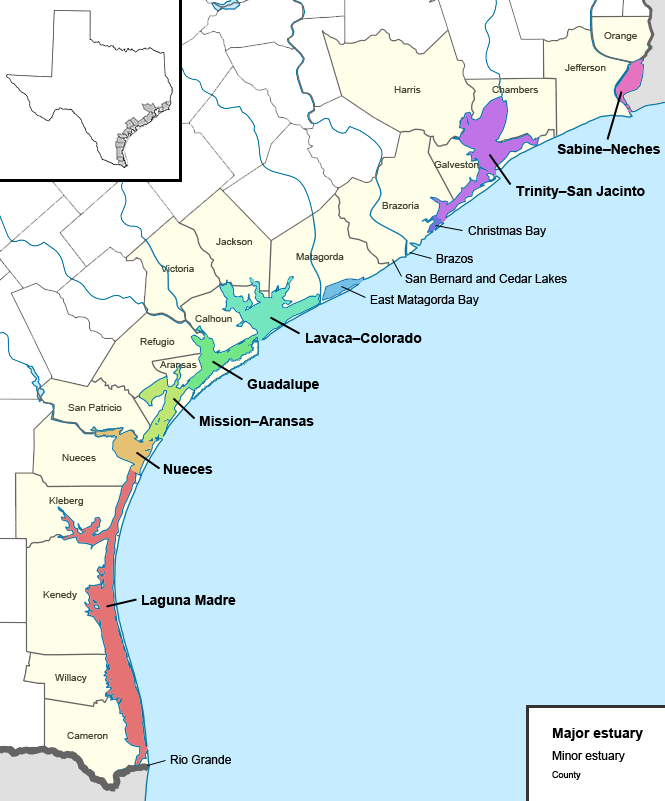
The misconception might arise from the common association of “coasts” with the Atlantic Ocean and the Pacific Ocean. Texas, however, is firmly situated on the Gulf of Mexico Gulf of Mexico, a semi-enclosed sea that connects it to the Caribbean and the wider Atlantic. This placement imbues Texas’s coastal regions with a unique climate, biodiversity, and a rich history tied to maritime trade and exploration. The state’s access to this vital waterway has been instrumental in its development, fostering industries such as oil and gas, shipping, and tourism.
Exploring the Texas Gulf Coast: A Diverse Shoreline
The Texas Gulf Coast is not a monolithic entity but a tapestry of diverse environments, each with its own appeal. From the sprawling urban centers to the tranquil barrier islands, there’s a coastal experience for every traveler.
Major Coastal Cities and Their Charms
Several significant cities anchor the Texas coastline, each offering a unique blend of urban amenities and coastal allure.
- Houston, while not directly on the coast, is a major gateway, with its proximity to Galveston Bay and its own significant port facilities. The Houston Ship Channel is a testament to the region’s maritime importance, and nearby coastal towns offer weekend escapes.
- Galveston, an island city, is perhaps the most iconic coastal destination in Texas. Steeped in history, from its role as a major port in the 19th century to its resilience after the devastating 1900 hurricane, Galveston offers a charming Victorian-era atmosphere, beautiful beaches, and a vibrant entertainment scene. The historic Strand District is a must-visit for its unique shops and architecture.
- Corpus Christi, located further south, is another vital coastal hub known for its stunning bayfront, the famous Texas State Aquarium, and the USS Lexington Museum. It’s a city that embraces its coastal identity with a lively atmosphere and plentiful outdoor activities.
- South Padre Island, at the southern tip of Texas, is a barrier island renowned for its pristine beaches, clear waters, and vibrant tourism industry. It’s a popular destination for spring break, but also offers year-round opportunities for dolphin watching, water sports, and enjoying the subtropical climate.
Natural Wonders and Wildlife Havens
Beyond the cities, the Texas Gulf Coast is home to some of the most significant natural areas in the state, crucial for biodiversity and offering unparalleled natural beauty.
- Padre Island National Seashore protects the longest undeveloped stretch of barrier island in the world. This vast expanse of sand dunes, marshes, and seagrass beds is a critical habitat for a wide array of wildlife, including migratory birds, sea turtles, and marine mammals. It’s a sanctuary for those seeking to connect with nature in its purest form.
- Big Thicket National Preserve, though inland from the immediate coast, is heavily influenced by the coastal ecosystems and contributes to the overall biodiversity of the region. It’s a testament to the interconnectedness of Texas’s natural landscapes.
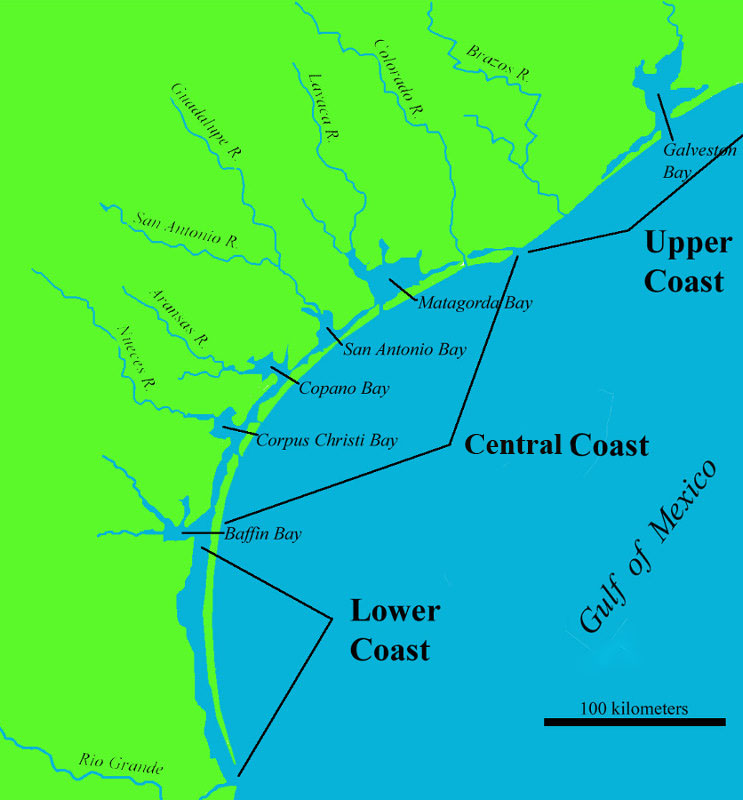
- The numerous estuaries and bays along the coast, such as Galveston Bay and Corpus Christi Bay, serve as nurseries for countless marine species and are vital for the health of the Gulf ecosystem.
Coastal Activities and Experiences
The Texas Gulf Coast offers a wealth of activities catering to a diverse range of interests, making it a prime destination for leisure and exploration.
Beaches and Water Sports
Unsurprisingly, beaches are a primary draw. From the bustling shores of Galveston to the more secluded stretches of Padre Island National Seashore, visitors can bask in the sun, swim in the warm waters of the Gulf of Mexico, or simply enjoy a leisurely stroll along the water’s edge.
- Swimming and Sunbathing: The calm, warm waters are ideal for a refreshing dip, while the soft sands provide the perfect setting for relaxation.
- Surfing and Paddleboarding: While not as renowned for big waves as other coasts, certain spots on the Texas coast offer good conditions for surfing and paddleboarding, particularly for beginners.
- Fishing: The Gulf waters are teeming with life, making fishing a highly popular pastime. Anglers can try their luck from piers, charter boats, or even surf fishing.
- Boating and Kayaking: Exploring the bays, estuaries, and the open Gulf by boat or kayak offers a unique perspective of the coastline and its rich marine environment.
Wildlife Viewing and Nature Exploration
The unique ecosystems of the Texas Gulf Coast provide incredible opportunities for observing wildlife in their natural habitats.
- Birdwatching: The coast is a critical stopover point for millions of migratory birds, making it a paradise for birdwatchers, especially during migration seasons. High Island is particularly famous for its spring migration spectacles.
- Dolphin and Whale Watching: Boat tours often venture out to spot playful pods of dolphins, and in certain seasons, whales can also be sighted.
- Sea Turtle Nesting: Padre Island National Seashore is a vital nesting ground for several species of sea turtles. Visitors may have the opportunity to witness nesting events or hatchling releases under controlled and protected conditions.
- Exploring Estuaries and Marshes: Guided tours or independent exploration of the coastal wetlands reveal a rich ecosystem supporting diverse plant and animal life.
Cultural and Historical Sites
The Texas Gulf Coast is steeped in history, offering a glimpse into its past as a strategic port and a melting pot of cultures.
- Historic Districts: Galveston’s Historic Downtown with its Victorian architecture, and the colorful streets of Corpus Christi, tell stories of eras gone by.
- Museums and Maritime Heritage: The Texas State Aquarium in Corpus Christi, the USS Lexington Museum on Corpus Christi Bay, and various maritime museums offer insights into the region’s connection with the sea.
- Lighthouses: Historic lighthouses, such as the Galveston Lighthouse, stand as silent sentinels of the coast, remnants of a bygone era of maritime navigation.
The Economic Significance of the Texas Coast
The Texas Gulf Coast is far more than a tourist destination; it’s an economic powerhouse, driven by its strategic location and abundant natural resources.
Ports and International Trade
The numerous ports along the Texas coast, including the Port of Houston, Port of Corpus Christi, and Port of Brownsville, are critical nodes in the global supply chain. They handle a massive volume of goods, facilitating international trade and supporting industries ranging from agriculture to manufacturing. The Houston Ship Channel is one of the busiest waterways in the world.
Energy Sector
Texas is synonymous with energy production, and its Gulf Coast plays a pivotal role. The offshore oil and gas industry is a major contributor to the state’s economy, with numerous platforms and refineries dotting the coastline. The proximity to the Gulf of Mexico provides access to significant reserves, influencing both national and global energy markets.
Fisheries and Aquaculture
The bounty of the Gulf of Mexico supports a robust commercial fishing industry. Shrimping, in particular, is a significant economic activity, with ports like Galveston being major hubs for seafood processing and distribution. Aquaculture also plays a growing role, with farms cultivating species like oysters and shrimp.
Tourism and Recreation
The appeal of beaches, water sports, and unique coastal attractions makes tourism a vital economic driver for many Texas coastal communities. From luxury resorts to charming beachfront cottages, the hospitality sector thrives on visitors seeking to experience the allure of the Gulf Coast.
Coastal Challenges and Conservation Efforts
While the Texas Gulf Coast offers immense opportunities, it also faces significant environmental challenges that necessitate ongoing conservation efforts.
Environmental Concerns
- Hurricanes and Storm Surge: The region is prone to tropical storms and hurricanes, posing risks to infrastructure, communities, and natural habitats. The impact of storms like Hurricane Harvey highlights the vulnerability of the coastal areas.
- Coastal Erosion: Natural processes and human activities contribute to coastal erosion, threatening beaches, wetlands, and the integrity of barrier islands.
- Pollution and Habitat Degradation: Industrial activities, agricultural runoff, and marine debris can impact water quality and degrade sensitive coastal ecosystems, affecting marine life and the health of the environment.
- Sea Level Rise: Global climate change is leading to rising sea levels, which exacerbate erosion and increase the risk of flooding in low-lying coastal areas.
Conservation Initiatives
Recognizing these challenges, numerous organizations and government agencies are dedicated to protecting and preserving the Texas Gulf Coast.
- Wetland Restoration: Efforts are underway to restore and protect vital wetland habitats, which serve as natural buffers against storms, filter pollutants, and provide crucial nurseries for marine species.
- Sea Turtle Conservation: Programs focused on protecting nesting sites and monitoring sea turtle populations are crucial for the survival of these endangered species.
- Marine Debris Cleanup: Regular cleanups along beaches and in waterways help remove harmful debris that can endanger wildlife and degrade the marine environment.
- Sustainable Tourism Practices: Promoting responsible tourism that minimizes environmental impact helps ensure the long-term health and appeal of coastal destinations.
In conclusion, while Texas might not border the Atlantic or Pacific, its extensive and dynamic Gulf Coast shoreline is an indispensable part of its identity. It’s a region of immense natural beauty, economic importance, and cultural richness, offering a distinctive and captivating coastal experience. Understanding its position on the Gulf of Mexico is key to appreciating the full scope of what makes the Texas coast so special.
LifeOutOfTheBox is a participant in the Amazon Services LLC Associates Program, an affiliate advertising program designed to provide a means for sites to earn advertising fees by advertising and linking to Amazon.com. Amazon, the Amazon logo, AmazonSupply, and the AmazonSupply logo are trademarks of Amazon.com, Inc. or its affiliates. As an Amazon Associate we earn affiliate commissions from qualifying purchases.