
Obtaining a Texas identification card is a practical step for many individuals, whether they are new residents, students, or simply require official identification for various purposes. This guide will meticulously outline the requirements and procedures necessary to secure your Texas ID card, ensuring a smooth and efficient application process. Understanding these prerequisites beforehand is key to avoiding potential delays and ensuring you have all the necessary documentation.
Understanding the Texas ID Card
A Texas ID card, officially known as the Texas Identification Card, is a government-issued document that serves as proof of identity for individuals who do not possess a Texas driver’s license. It is a valuable form of identification for a wide range of activities, including but not limited to, opening bank accounts, boarding airplanes, accessing government services, and verifying age for purchases where age is a restriction. The Texas Department of Public Safety (DPS) is the agency responsible for issuing these cards.
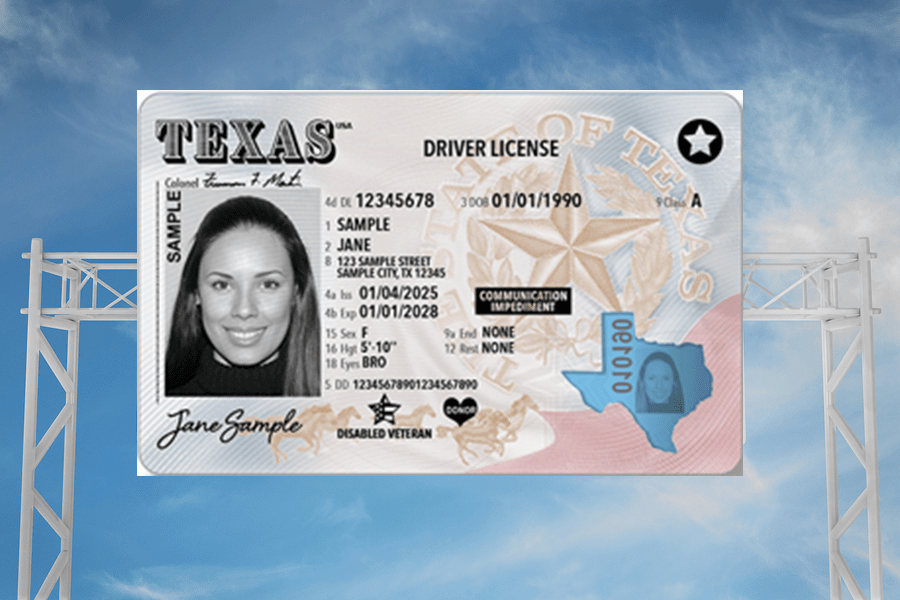
The Texas ID card shares many security features with a Texas driver’s license, making it a reliable and widely accepted form of identification across the state and often beyond. Its primary purpose is to provide a secure and official means of identification for Texas residents.
Who Needs A Texas ID Card?
Several groups of individuals typically benefit from or require a Texas ID card:
- New Residents: Individuals who have recently moved to Texas and do not yet have a driver’s license from another state or wish to obtain state-specific identification.
- Non-Drivers: Residents who do not drive or are unable to obtain a driver’s license due to various reasons and require official identification for daily life.
- Students: Many students, particularly those attending universities or colleges in Texas like the University of Texas at Austin or Texas A&M University, find a state ID essential for campus activities, accessing certain facilities, and everyday transactions.
- Minors: While minors can get a driver’s license, a state ID is a common form of identification for younger individuals who need to prove their age or identity.
- International Visitors/Residents: While not a substitute for a visa or passport, a Texas ID card can be useful for establishing residency and facilitating daily life for individuals legally residing in Texas with specific visa statuses.
Key Differences from a Driver’s License
While functionally similar as a form of identification, the primary difference is that a Texas ID card does not grant driving privileges. A driver’s license authorizes you to operate a motor vehicle on public roads, whereas an ID card solely serves as proof of identity and age. This distinction is crucial for understanding which document best suits your needs.
Essential Documentation for Your Texas ID Card Application
The cornerstone of a successful Texas ID card application lies in presenting the correct and complete set of documentation. The Texas Department of Public Safety has specific requirements to verify your identity, social security number, and residency within Texas. It is crucial to gather these documents before visiting a local DPS office to expedite the process.
Proof of Identity
You will need to provide one primary document that clearly displays your full legal name and date of birth. Acceptable primary documents include:
- U.S. Birth Certificate: An original or certified copy issued by a U.S. state, county, or territory.
- Valid U.S. Passport: A current and unexpired passport book or card.
- Foreign Passport with Valid U.S. Visa and I-94: For non-U.S. citizens, this combination verifies legal entry and status.
- Certificate of Citizenship or Naturalization: Documents proving U.S. citizenship.
- Permanent Resident Card: A valid “Green Card” issued by the U.S. Citizenship and Immigration Services (USCIS).
Important Note: Ensure that the name on your primary identification document is your current legal name. If your name has changed due to marriage or other legal reasons, you will need to provide supporting documentation (such as a marriage certificate or court order) to link the previous name to your current name.
Proof of Social Security Number (SSN)
You must provide proof of your Social Security number. Acceptable documents include:
- Social Security Card: The original card is preferred.
- W-2 Form: A Wage and Tax Statement from an employer, showing your SSN.
- 1099 Form: A tax form that includes your SSN.
- Pay Stub: A recent pay stub from your employer displaying your SSN.
Important Note: If you do not have an SSN, you may be required to provide proof of ineligibility. This typically involves obtaining a letter from the Social Security Administration stating that you are not eligible for an SSN.
Proof of Texas Residency
You will need to provide at least one document that shows your current residential address in Texas. This document must be current and not expired. Acceptable documents typically include:
- Utility Bills: Recent bills (within the last 60-90 days) from providers like Texas Power, TXU Energy, or your local water or gas company, addressed to you at your Texas residence.
- Lease Agreement or Mortgage Statement: A current lease agreement for your apartment or home, or a recent mortgage statement.
- Bank Statements: Recent bank statements (within the last 60-90 days) from a Texas-based financial institution, showing your name and Texas address.
- School Records: For students, official school transcripts or enrollment verification letters that include your Texas address.
- Voter Registration Certificate: If you are registered to vote in Texas.
- Property Tax Statement: If you own property in Texas.
Important Note: Documents that are printed from the internet or are not official statements from the issuing entity may not be accepted. Ensure the address listed is your physical residential address, not a P.O. Box.

The Application Process: Step-by-Step
Once you have gathered all the necessary documentation, you are ready to begin the application process for your Texas ID card. This typically involves visiting a Texas Department of Public Safety driver license office.
1. Schedule an Appointment (Recommended)
While walk-ins may be accommodated, it is highly recommended to schedule an appointment online through the Texas DPS website. This will significantly reduce your waiting time and ensure a more efficient experience. The DPS website provides tools to find nearby offices and book available slots.
2. Visit the Driver License Office
On the day of your appointment, arrive a few minutes early to allow for check-in. Be prepared to present all your original supporting documents to the DPS representative. They will verify your documents and ensure everything is in order.
3. Complete the Application Form
You will be required to fill out an application form for the Texas ID card. This form will ask for personal information, including your name, address, date of birth, and other relevant details. Ensure you fill it out accurately and legibly.
4. Photo and Signature
At the office, your photograph will be taken for the ID card. You will also be asked to provide your signature, which will be electronically captured.
5. Pay the Fee
There is a fee associated with obtaining a Texas ID card. The exact amount can vary, so it’s advisable to check the Texas DPS website for the most current fee schedule. Payment is typically accepted in the form of cash, check, or money order. Some offices may accept credit or debit cards, but this is not universal.
6. Receive Your Temporary ID and Permanent Card
After successful completion of the application and payment, you will be issued a temporary paper ID card. Your permanent Texas ID card will be mailed to your listed Texas address within a few weeks. If you do not receive your card within the expected timeframe, you can contact the Texas DPS for an update.
Special Considerations and Tips
Navigating the process of obtaining a Texas ID card can be made smoother with a few extra considerations and tips. Understanding potential nuances can prevent common pitfalls and ensure you are well-prepared.
For Minors and Children
- Parental Consent: If the applicant is under 18 years of age, a parent or legal guardian must be present to provide consent and sign the application. The parent or guardian will also need to present their own valid government-issued identification.
- Documentation for Minors: Ensure all documentation, especially proof of identity and SSN, is in order for the minor.
For Non-U.S. Citizens
- Valid Immigration Status: As mentioned earlier, proof of legal immigration status in the United States is mandatory. This includes documents like a Permanent Resident Card, Employment Authorization Document (EAD), or a valid visa with an accompanying I-94 form.
- Expiration Dates: Be mindful of the expiration dates on all immigration documents. The Texas ID card’s validity may be limited by the expiration of your legal status.
Avoiding Common Mistakes
- Incomplete Documentation: The most common reason for application denial or delay is missing or incorrect documentation. Double-check all requirements before your visit.
- Mismatched Names: Ensure all documents use your current legal name. If there are discrepancies, bring certified copies of legal name change documents.
- Outdated Proof of Residency: Use the most recent utility bills or bank statements available.
- Expired Documents: Ensure all identification and immigration documents are current and not expired.
Maintaining Your Texas ID Card
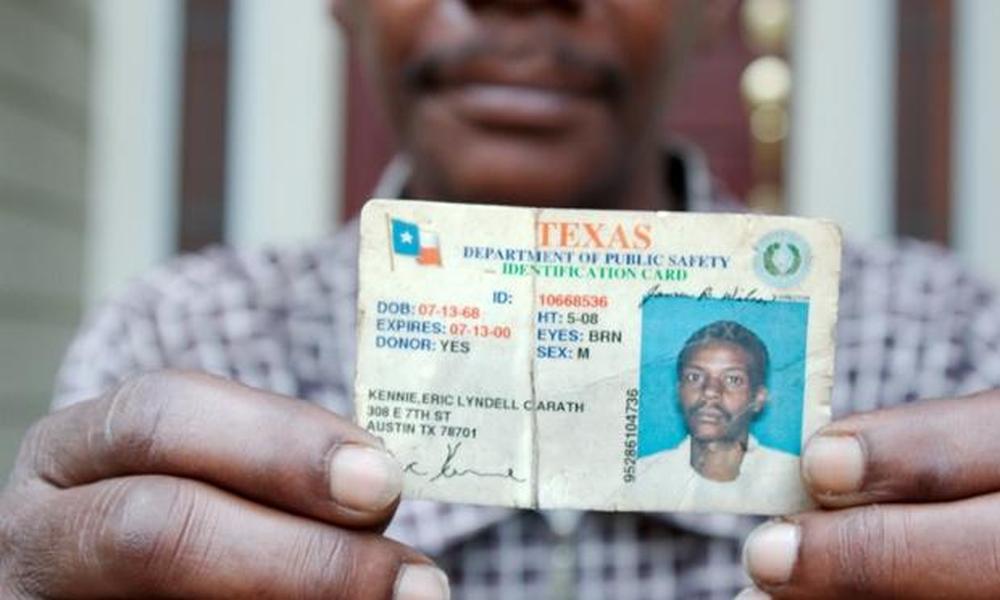
- Renewal: Texas ID cards have an expiration date and must be renewed periodically. The renewal process is generally similar to the initial application, though some documentation requirements may be less stringent. Mark your calendar to ensure you renew before your current card expires to avoid any lapses in identification.
- Lost or Stolen Cards: If your Texas ID card is lost or stolen, you will need to apply for a replacement. This process usually involves filling out a specific form, providing proof of identity, and paying a replacement fee.
By carefully following these guidelines and preparing thoroughly, you can successfully obtain your Texas ID card, providing yourself with a reliable form of identification for your life in the Lone Star State.
LifeOutOfTheBox is a participant in the Amazon Services LLC Associates Program, an affiliate advertising program designed to provide a means for sites to earn advertising fees by advertising and linking to Amazon.com. Amazon, the Amazon logo, AmazonSupply, and the AmazonSupply logo are trademarks of Amazon.com, Inc. or its affiliates. As an Amazon Associate we earn affiliate commissions from qualifying purchases.