
Navigating the requirements for getting documents officially recognized can seem daunting, especially when dealing with legal processes across state lines. For those planning a trip or an extended stay in the Lone Star State, understanding notarization procedures in Texas is a crucial piece of practical knowledge. Whether it’s for a rental agreement, a power of attorney for managing affairs while you’re away, or any other legal document requiring an official seal, knowing the necessary steps ensures a smooth experience. This guide will walk you through the essentials of getting a document notarized in Texas, focusing on what travelers, temporary residents, and even those planning longer stays might need to consider.

Understanding the Role of a Notary Public
A Notary Public in Texas is a commissioned official of the state, appointed by the Secretary of State. Their primary role is to serve as an impartial witness to the signing of important documents. This act of witnessing helps deter fraud and ensures that the person signing a document is indeed who they claim to be and is signing willingly. The notary’s seal and signature on a document provide a level of authenticity that is legally recognized.
Who Can Act as a Notary Public?
To act as a notary public in Texas, an individual must meet specific qualifications. They must be at least 18 years old, a legal resident of Texas for at least six months, and have no felony convictions. They must also complete a notary public education course and pass a state examination. Once commissioned, they are authorized to perform various notarial acts.
Types of Notarial Acts
Notaries in Texas can perform several acts, but the most common ones relevant to travelers and those dealing with legal documents include:
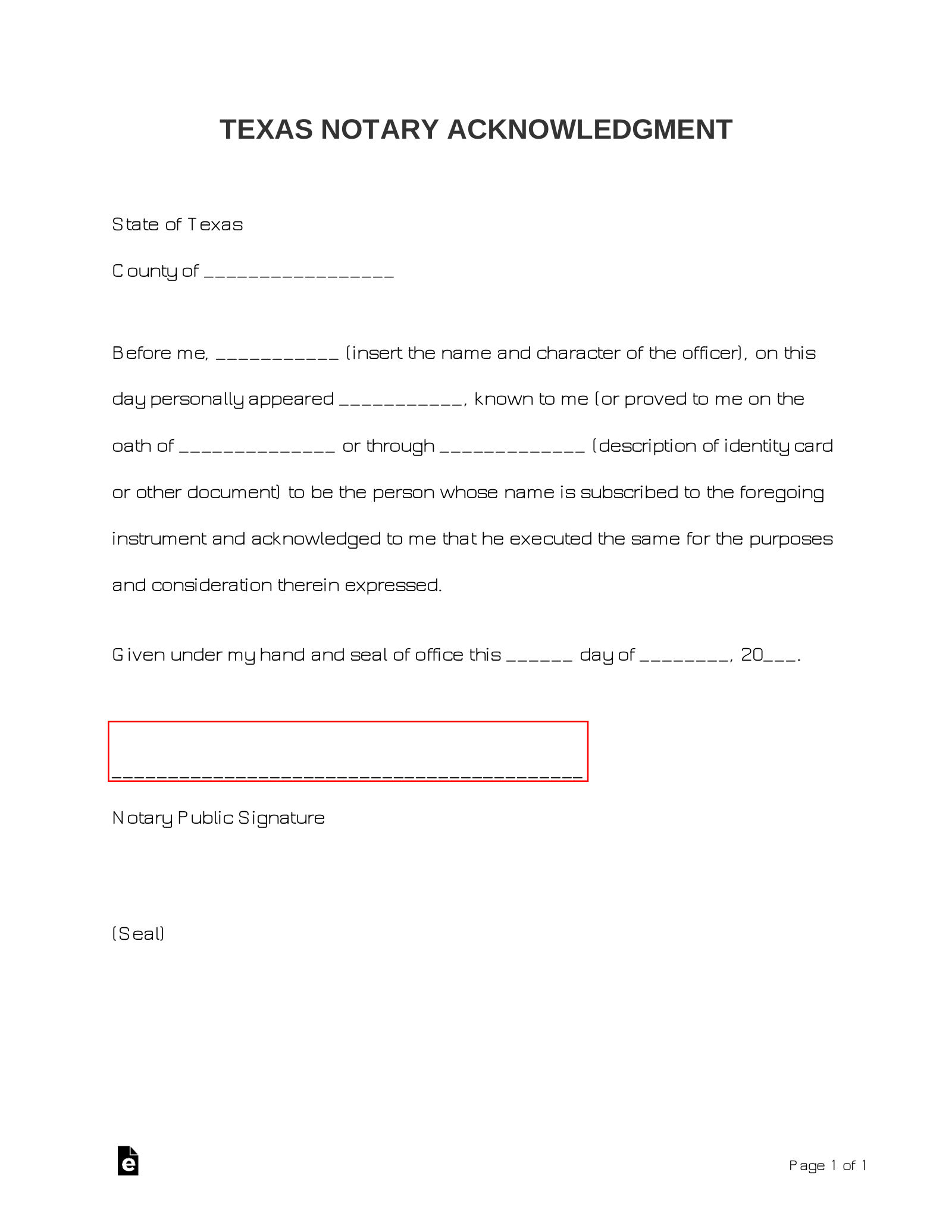
- Acknowledgments: This is when a signer declares to the notary that they have signed the document voluntarily for its stated purpose. The notary verifies the signer’s identity.
- Oaths and Affirmations: A notary can administer an oath (a solemn promise invoking a divine being as a witness) or an affirmation (a solemn promise without religious invocation) to a person. This is often done for affidavits or depositions.
- Jurats: This is when a notary witnesses a signer signing a document and administers an oath or affirmation that the statements within the document are true. The signer must sign in the notary’s presence.
- Witnessing Signatures: In some cases, a notary may simply be asked to witness a signature on a document, though this is less common as a standalone notarial act compared to acknowledgments or jurats.
For most travelers needing to legalize a document, an acknowledgment or a jurat will be the most common requirement. It is always best to confirm with the entity requesting the notarized document exactly which type of notarial act is needed.
Essential Requirements for Notarization in Texas
To successfully get a document notarized in Texas, several key elements must be in place. These are designed to ensure the integrity of the process and the validity of the notarized document.
1. The Document Itself
The document to be notarized must be complete and ready for signing. This means all blanks should be filled in, or it should be explicitly understood that certain blanks are not to be filled. If a document requires multiple signatures, ensure all parties who need to sign are present and prepared. The notary will not fill out the document for you; they only witness the signing and verify identities.
2. Proper Identification of the Signer
This is arguably the most critical step. The notary public must positively identify the person signing the document. Texas law outlines acceptable forms of identification. Generally, this includes:
- A U.S. State-issued Driver’s License or ID Card: Must be current or expired within the last three years.
- A U.S. Passport: Must be current or expired within the last three years.
- A U.S. Military ID Card: Must be current or expired within the last three years.
- An Identification Card Issued by a federally recognized Indian Nation/Tribe: Must be current or expired within the last three years.
- A U.S. Permanent Resident Card (Green Card): Must be current or expired within the last three years.
- A foreign passport: Must be current or expired within the last three years and bearing the holder’s photograph and signature.
- A Texas Department of Criminal Justice Identification Card: Must be current or expired within the last three years.
- A Texas Commission on Jail Standards Inmate Identification Card: Must be current or expired within the last three years.
- A U.S. Citizenship and Immigration Services Employment Authorization Card (I-766): Must be current or expired within the last three years.
- A U.S. Federal Public Defender or U.S. Attorney General Identification Card: Must be current or expired within the last three years.
Important Considerations for Identification:
- Name Match: The name on the identification must substantially match the name on the document being signed. Minor discrepancies are sometimes overlooked, but significant differences can prevent notarization.
- Photographs and Signatures: The identification must contain a photograph of the signer and their signature.
- Expiration: As noted above, some forms of ID can be expired, but typically within a three-year window. Always check the specific requirements for your ID type.
- Lack of Acceptable ID: If you do not have one of the primary forms of identification, Texas law allows for the use of credible witnesses. A credible witness is a person who personally knows the signer and has acceptable identification themselves. They must also be willing to swear or affirm that they know the signer. Two credible witnesses may be required if the signer lacks acceptable identification.
3. The Notary’s Presence
The act of notarization requires the signer to physically appear before the notary public. This is to ensure the notary can properly verify the signer’s identity and witness the act of signing (or the acknowledgment of signing). Remote online notarization is becoming more prevalent, but for most in-person situations, physical presence is mandatory.
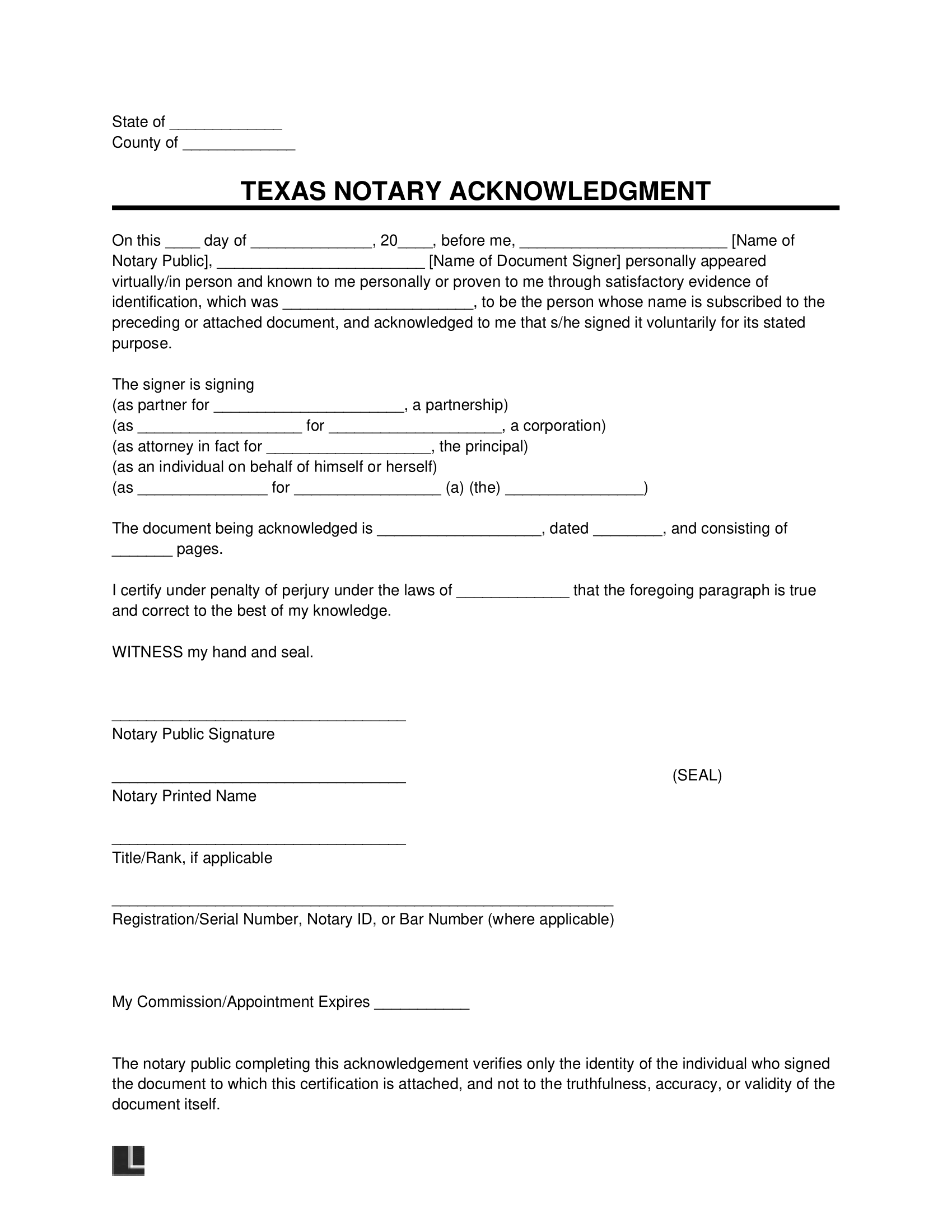
4. The Notary’s Seal and Signature
Once all the conditions are met, the notary will affix their official seal to the document and sign it. The seal typically contains the notary’s name, commission number, and the date their commission expires. This seal, along with the notary’s signature, provides the official attestation of the notarial act.
Where to Find a Notary Public in Texas
For travelers and visitors, finding a conveniently located notary public is key. Fortunately, notaries are widely available across Texas.
Common Locations for Notary Services
- Banks and Credit Unions: Many financial institutions offer notary services to their customers, often for free or a small fee. It’s advisable to call ahead to confirm availability and any specific requirements.
- Public Libraries: Some public libraries, particularly in larger cities like Dallas, Houston, or Austin, have notaries on staff or can direct you to nearby services.
- Shipping and Business Service Centers: Companies like The UPS Store or other mail and business service centers commonly provide notary services for a fee.
- Courthouses and County Clerk Offices: County clerk offices often have notaries available. Some courthouses may also offer notary services.
- Legal Offices and Real Estate Agencies: Law firms and real estate offices frequently employ notaries, though these services might be primarily for their clients.
- Online Notary Directories: The Texas Secretary of State website provides a search function for commissioned notaries. Additionally, various online platforms list notaries by location.
- Hotels and Travel Hubs: While less common, some larger hotels or businesses catering to travelers might offer notary services, especially in areas with high tourist traffic, such as near San Antonio’s historic missions or Galveston Island.
Fees for Notarization in Texas
Texas law caps the maximum fees a notary public can charge for certain notarial acts. As of my last update, these caps are:
- Acknowledgments and Jurats: $6 per signature.
- Administering an oath or affirmation: $6 per signature.
However, notaries can charge for travel time or other associated services, and some businesses may charge a flat fee for convenience that might exceed the statutory minimum. It is always a good practice to inquire about fees upfront.
Special Considerations for Travelers and Non-Residents
When you’re not a permanent resident of Texas, there are a few additional points to keep in mind when seeking notarization.
Understanding Jurisdiction
A Texas notary public is commissioned by the state and can perform notarial acts anywhere within the state of Texas. If you need a document notarized while you are traveling within Texas, a Texas notary is the appropriate official to use.
Documents for Use Outside Texas
If you are a visitor to Texas and need a document notarized for use in another state or country, a Texas notary can still notarize it. However, the receiving state or country may have specific requirements regarding notarized documents, including the need for an Apostille or a Certificate of Authentication. An Apostille is an international certification that verifies the authenticity of a document issued by a foreign official. For documents intended for use in countries that are signatories to the Hague Convention, an Apostille is typically required. For other countries, a Certificate of Authentication from the Texas Secretary of State may be needed. Your Texas notary can advise you on how to obtain these if necessary, or you may need to contact the Texas Secretary of State directly.
Remote Online Notarization (RON)
For individuals who cannot physically appear before a notary, Texas allows for Remote Online Notarization (RON). This process uses audio-visual technology to connect the signer with a notary in real-time. To use RON, you will need a computer with a webcam, a microphone, and a stable internet connection. The document will be signed electronically, and the notary will apply their electronic seal and signature. Not all documents are eligible for RON, and the receiving party must accept electronically notarized documents. Ensure the entity requesting the notarization accepts RON before proceeding.
Preparing for Your Notary Appointment
To ensure a smooth and efficient notarization process, whether you are a tourist visiting the Alamo or a business traveler in Houston, follow these tips:
- Confirm Requirements: Before you go, double-check with the person or institution requesting the notarized document what specific type of notarization is needed (e.g., acknowledgment, jurat) and if they have any specific requirements for identification or document formatting.
- Bring Valid Identification: Have your government-issued photo ID ready. Ensure it meets the criteria for substantial name match and contains your photograph and signature.
- Don’t Sign in Advance: Never sign the document before you are in the presence of the notary. The notary must witness you signing or acknowledge that you have signed it.
- Complete the Document: Ensure all sections of the document are filled out, unless specifically instructed otherwise.
- Know the Notary Fees: Be aware of the potential fees, especially if you are using a commercial service rather than a bank or credit union.
- Check Notary Availability: If you are going to a specific location like a library or bank, call ahead to confirm their notary’s hours of operation and availability.
By understanding these requirements and preparing adequately, you can confidently navigate the process of getting your documents notarized in Texas, ensuring your legal and administrative needs are met, whether you are on a short visit or a more extended stay in this vibrant state.
LifeOutOfTheBox is a participant in the Amazon Services LLC Associates Program, an affiliate advertising program designed to provide a means for sites to earn advertising fees by advertising and linking to Amazon.com. Amazon, the Amazon logo, AmazonSupply, and the AmazonSupply logo are trademarks of Amazon.com, Inc. or its affiliates. As an Amazon Associate we earn affiliate commissions from qualifying purchases.