
Texas Instruments, a name synonymous with technological innovation for decades, plays a surprisingly central role in the infrastructure that underpins much of our modern world, especially when considering how we experience it through travel and leisure. While not a direct purveyor of holiday packages or resort amenities, the components and integrated circuits (ICs) designed and manufactured by Texas Instruments are the silent architects behind many of the devices and systems that make travel safer, more connected, and more enjoyable. This exploration delves into the diverse products of Texas Instruments and their often-overlooked impact on the tourism and travel sectors.
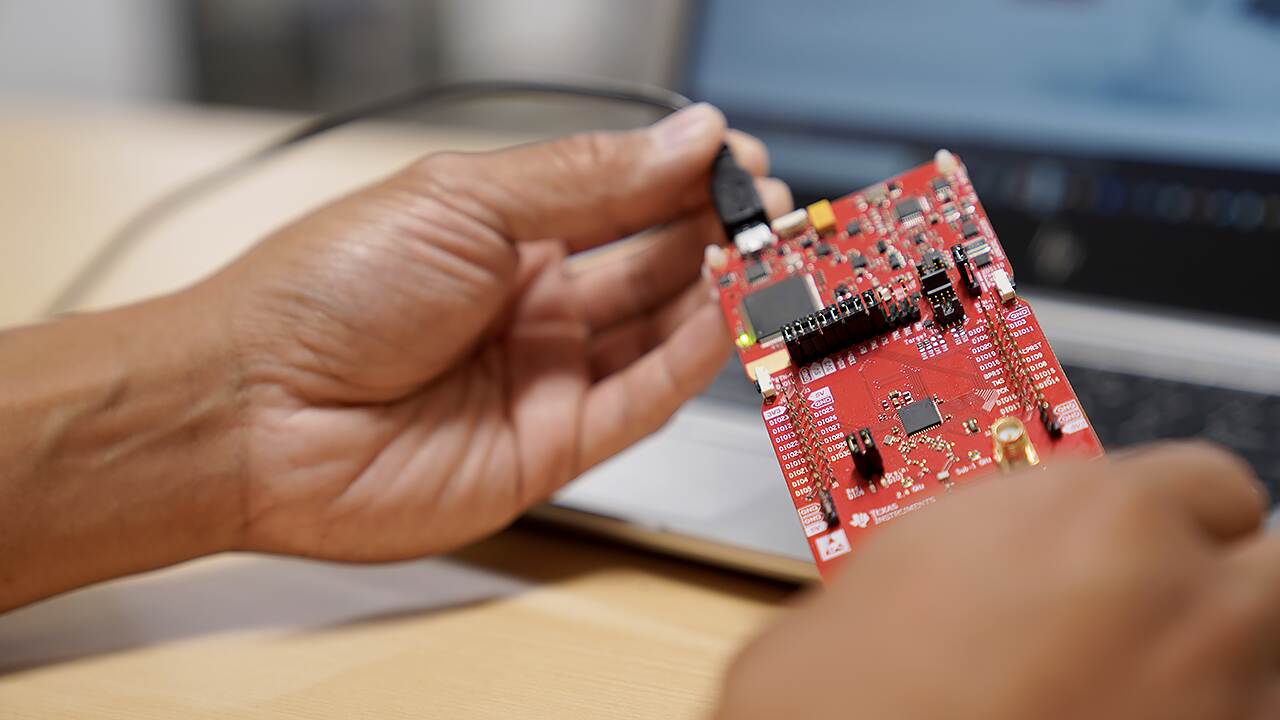
The Ubiquitous Chip: Powering Your Journey
At its core, Texas Instruments is a semiconductor company. They design and produce integrated circuits, microcontrollers, and other electronic components that serve as the brains and brawn of countless electronic devices. This fundamental role translates directly into numerous applications within the travel industry, from the moment you book your trip to your arrival at your destination and every interaction in between.
Navigation and Connectivity
The advent of GPS technology has revolutionized travel, and Texas Instruments has been a key enabler. Their high-performance, low-power GPS receivers and processors are found in a vast array of navigation devices, including:
- Automotive Navigation Systems: Whether you’re driving to a secluded national park or navigating the bustling streets of Tokyo, the GPS in your car relies on sophisticated semiconductors. Texas Instruments chips ensure accurate location tracking, real-time traffic updates, and efficient route planning, making road trips less stressful and more predictable.
- Handheld GPS Devices: For hikers, campers, and explorers venturing off the beaten path, dedicated handheld GPS units are indispensable. These devices, often ruggedized for outdoor use, frequently incorporate Texas Instruments technology for reliable positioning and mapping.
- Smartphones and Tablets: The ubiquitous smartphones in our pockets are packed with Texas Instruments components. From the GPS module that powers your ride-sharing app to the Wi-Fi and Bluetooth chips that keep you connected in your hotel room, these devices are fundamental to modern travel planning and exploration.
Beyond GPS, Texas Instruments also manufactures processors and communication chips that enable seamless connectivity. This includes Wi-Fi modules for in-flight entertainment systems and airport lounges, Bluetooth chips for connecting wireless headphones to your in-flight entertainment, and cellular modems that allow you to stay in touch with loved ones back home, even when exploring distant lands. The ease with which we can now share our travel experiences online, check flight statuses, or book last-minute excursions is a testament to the underlying semiconductor technology.
In-Flight and On-the-Go Entertainment
The travel experience itself is often enhanced by sophisticated electronic systems, many of which are powered by Texas Instruments components.
- In-Flight Entertainment (IFE) Systems: Modern aircraft are equipped with advanced IFE systems offering a wide range of movies, music, and games. The processors that drive these systems, ensuring smooth video playback and interactive experiences, often come from Texas Instruments. Their analog-to-digital converters and digital signal processors are crucial for processing audio and video signals, delivering a high-quality entertainment experience to passengers traveling to destinations like Paris or Rome.
- Portable Electronics: The portable music players, e-readers, and gaming consoles that accompany many travelers are also beneficiaries of Texas Instruments technology. Their power management ICs ensure longer battery life, allowing travelers to enjoy their devices for extended periods without needing to find a power outlet, whether on a long train journey or relaxing on a beach in Hawaii.
Enhancing Safety and Efficiency in Transportation
The safety and efficiency of transportation networks are critical for tourism, and Texas Instruments plays a vital role in this domain.
Automotive Safety and Control Systems
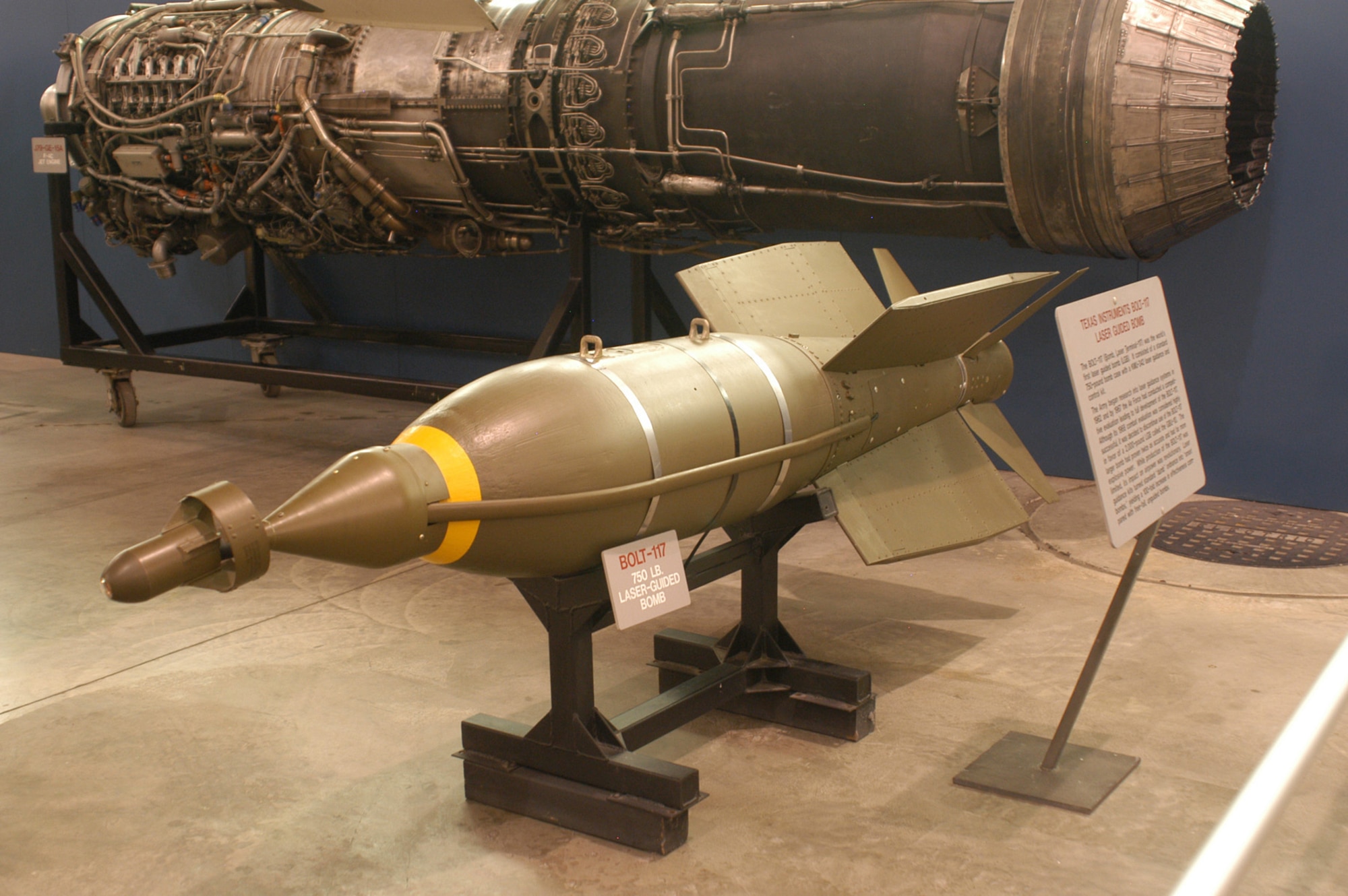
Modern vehicles are complex integrated systems, and the automotive sector is a major market for Texas Instruments. Their microcontrollers and sensors are integral to:
- Engine Control Units (ECUs): These units manage fuel injection, ignition timing, and emissions control, optimizing engine performance and fuel efficiency. This translates to smoother rides and reduced environmental impact, particularly important for eco-conscious travelers or those undertaking long road trips.
- Anti-lock Braking Systems (ABS) and Electronic Stability Control (ESC): These life-saving safety features rely on sophisticated processing power to monitor wheel speed and vehicle dynamics, intervening to prevent accidents. Texas Instruments provides the robust microcontrollers and sensors that enable these critical safety systems, offering peace of mind to drivers navigating unfamiliar roads or challenging weather conditions.
- Advanced Driver-Assistance Systems (ADAS): Features like adaptive cruise control, lane keeping assist, and automatic emergency braking are becoming increasingly common. These systems utilize radar, camera, and ultrasonic sensors, all of which often incorporate Texas Instruments signal processors and microcontrollers for real-time data analysis and decision-making. This makes driving safer and more comfortable, especially on extended journeys to destinations like Banff or the Grand Canyon.
Public Transportation Infrastructure
Beyond individual vehicles, Texas Instruments technology also contributes to the efficient operation of public transportation systems.
- Traffic Management Systems: The traffic lights, sensors, and control systems that manage urban traffic flow often incorporate Texas Instruments components. This helps to reduce congestion, making it easier for tourists to navigate cities like New York City or London.
- Ticketing and Payment Systems: The electronic systems used for public transport ticketing, whether in the form of smart cards or mobile payment solutions, frequently rely on Texas Instruments for secure data processing and communication. This streamlines the process of accessing local transportation, allowing visitors to explore more efficiently.
- Railway and Aviation Control: Advanced signaling and control systems in railways and airports also benefit from the precision and reliability of Texas Instruments semiconductor solutions, contributing to the overall safety and punctuality of travel networks.
Smart Hotels and Connected Experiences
The hospitality industry is increasingly embracing smart technologies to enhance guest experiences, and Texas Instruments provides the foundational components for many of these innovations.
Smart Room Technologies
From the moment a guest checks in, their interaction with their accommodation is becoming more technologically integrated.
- Smart Thermostats and Lighting: Texas Instruments microcontrollers are used in smart thermostats and lighting systems, allowing guests to easily control their room environment for optimal comfort. This can range from adjusting the temperature in a suite at the Bellagio to dimming the lights in a cozy cabin.
- Smart Locks and Access Control: Secure and convenient access to rooms is paramount. Texas Instruments components are found in electronic door locks, enabling keyless entry via smartphone apps or key cards, enhancing both security and guest convenience.
- In-Room Entertainment and Connectivity Hubs: The smart TVs, voice assistants, and connectivity hubs found in many modern hotel rooms often utilize Texas Instruments processors and connectivity chips, providing guests with seamless access to streaming services, information about local attractions, and room service ordering.
Building Management and Energy Efficiency
Beyond individual rooms, Texas Instruments also contributes to the efficient operation of hotels and resorts.
- Energy Management Systems: Hotels are significant consumers of energy. Texas Instruments power management ICs and microcontrollers are used in systems that monitor and optimize energy consumption for lighting, HVAC, and other hotel operations, contributing to sustainability goals and reducing operational costs.
- Security and Surveillance: Integrated security systems, including surveillance cameras and alarm systems, often incorporate Texas Instruments imaging and processing technologies, ensuring the safety and security of guests and property.

Powering Innovation in the Future of Travel
As travel continues to evolve, driven by demands for greater personalization, sustainability, and seamless experiences, the role of Texas Instruments in enabling these advancements will only grow. From autonomous vehicles and advanced drone delivery systems for luggage to enhanced sensor networks for environmental monitoring and intelligent infrastructure for smart cities that welcome tourists, the innovations born from semiconductor technology are at the forefront of shaping how we explore the world. The seemingly invisible chips crafted by companies like Texas Instruments are, in essence, the building blocks of our modern travel adventures, empowering us to connect, explore, and experience the world with unprecedented ease and safety.
LifeOutOfTheBox is a participant in the Amazon Services LLC Associates Program, an affiliate advertising program designed to provide a means for sites to earn advertising fees by advertising and linking to Amazon.com. Amazon, the Amazon logo, AmazonSupply, and the AmazonSupply logo are trademarks of Amazon.com, Inc. or its affiliates. As an Amazon Associate we earn affiliate commissions from qualifying purchases.