
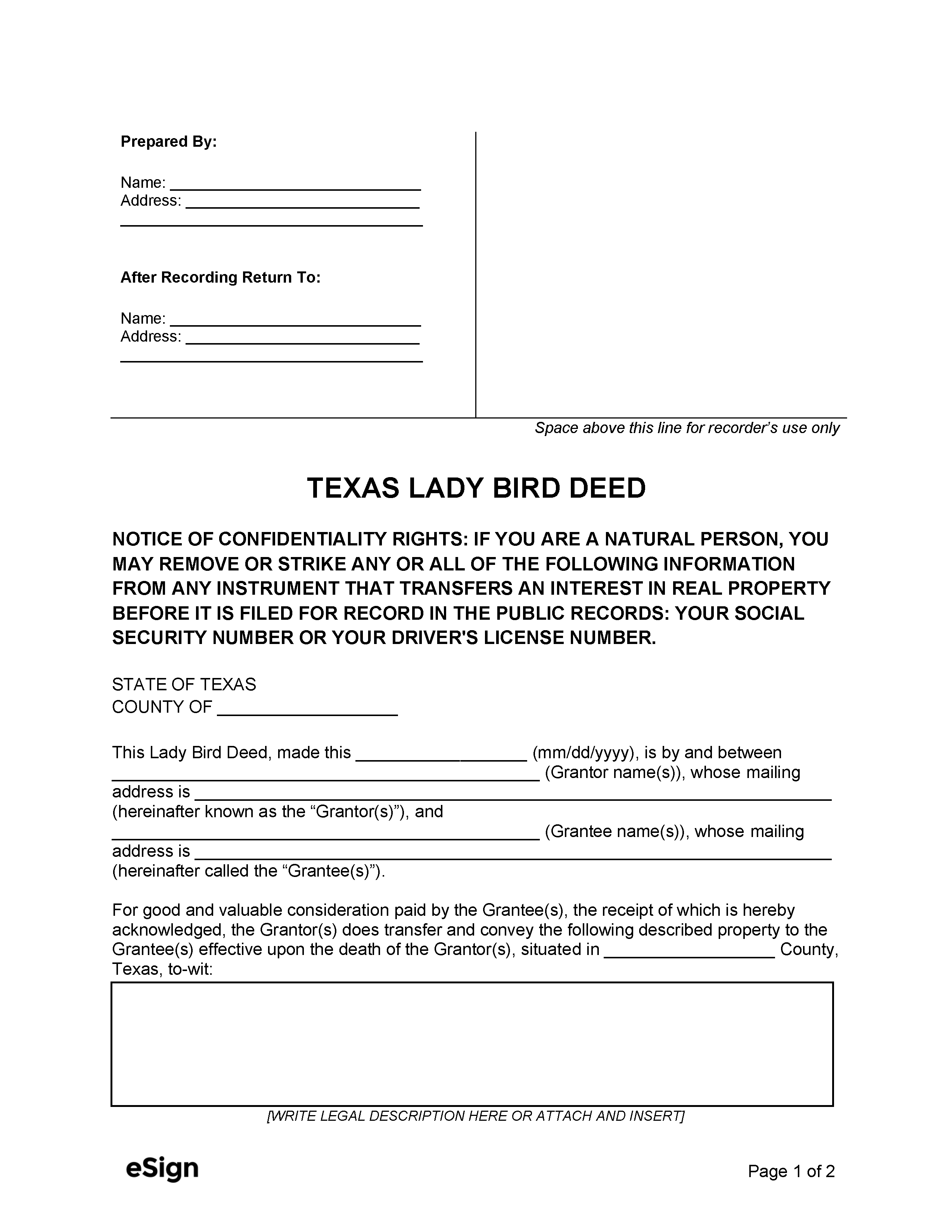
A Lady Bird deed, formally known as an Enhanced Life Estate Deed, is a unique estate planning tool prevalent in Texas. It offers a distinctive way for property owners to transfer their real estate to beneficiaries outside of the probate process, while still retaining significant control over the property during their lifetime. This specific type of deed is not recognized in all states, making it a particularly relevant consideration for Texans looking to manage their property assets and legacy. Understanding its nuances is crucial for effective estate planning.
Understanding the Core Concepts of a Lady Bird Deed
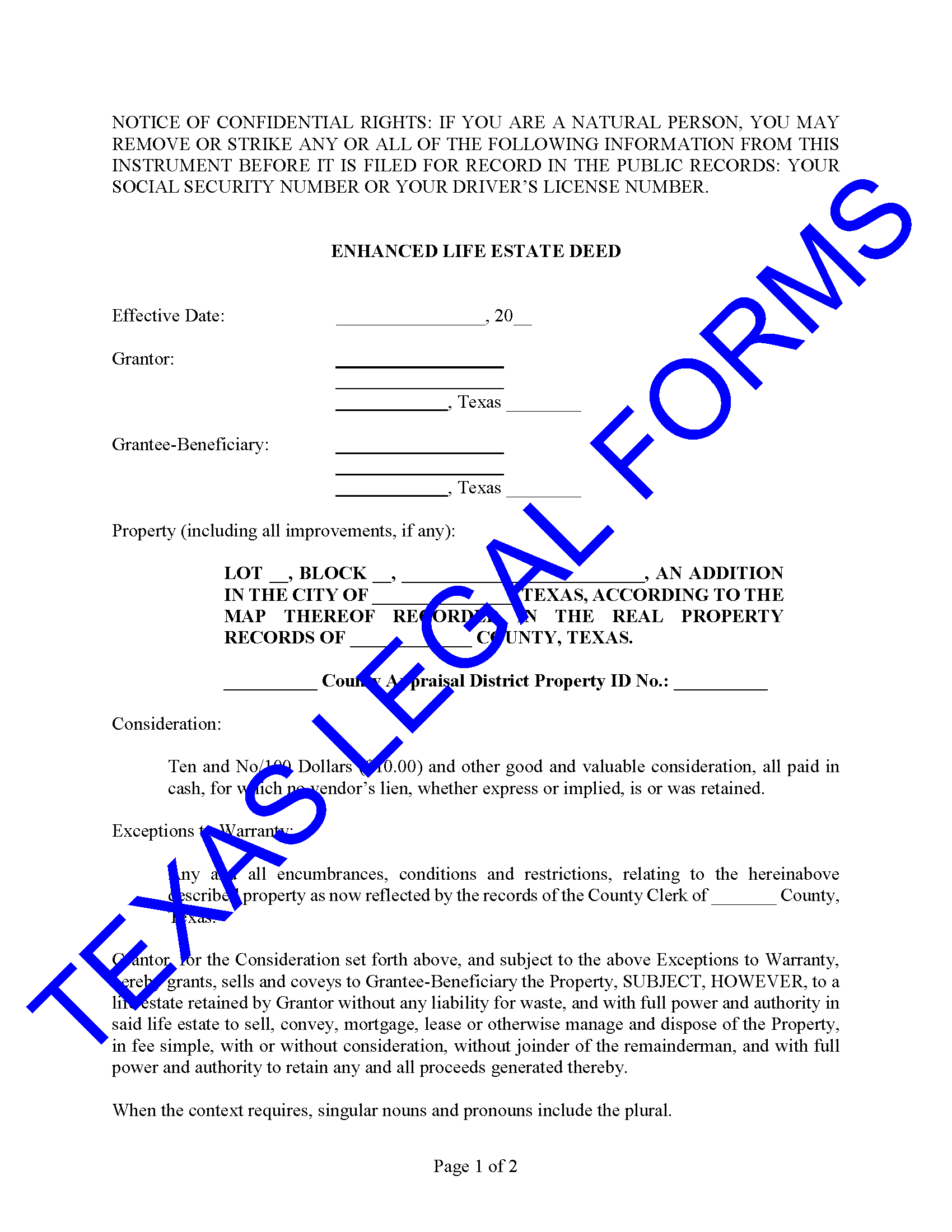
At its heart, a Lady Bird deed is a hybrid between a standard life estate deed and a quitclaim deed. It creates a life estate for the grantor (the person transferring the property), meaning they retain the right to possess and use the property for their lifetime. However, unlike a traditional life estate, the grantor also retains the power to sell, mortgage, or otherwise dispose of the property without the consent of the remainder beneficiaries (the individuals who will eventually inherit the property). The “enhanced” aspect refers to this retained power of disposition.
The Grantor’s Retained Rights
The grantor of a Lady Bird deed enjoys substantial control over the property. They can continue to live in the home, rent it out, make improvements, or even sell it outright. This flexibility is a key differentiator from other estate planning methods that might involve irrevocable trusts or outright gifts. The grantor can also change the designated beneficiaries at any time, as long as the deed is properly executed and recorded. This allows for adjustments to estate plans as circumstances evolve.
The Beneficiary’s Future Interest
The remainder beneficiaries have a vested interest in the property, but their rights are contingent upon the grantor not having disposed of the property during their lifetime. They will only receive the property upon the grantor’s death, and crucially, this transfer occurs outside of probate. This can save significant time, expense, and potential complications associated with the probate court system. The property passes directly to the named beneficiaries, similar to how jointly owned property with right of survivorship would.
Key Distinctions from Other Deeds
It’s vital to distinguish a Lady Bird deed from other common deed types. A standard warranty deed or quitclaim deed transfers ownership immediately. A traditional life estate deed grants the life tenant the right to use the property but restricts their ability to sell or encumber it without the remainder beneficiary’s consent. The Lady Bird deed’s unique power of disposition sets it apart, offering a blend of control and future transfer that is highly desirable for many Texas homeowners.
Advantages of Utilizing a Lady Bird Deed in Texas
The primary appeal of a Lady Bird deed lies in its ability to streamline the transfer of real estate while providing the grantor with continued control and potential tax benefits. For Texans, this tool offers a practical solution for managing their most significant asset.
Avoiding Probate
The most significant advantage is the avoidance of the probate process. Probate can be a lengthy, public, and expensive undertaking. By using a Lady Bird deed, the property bypasses the court system entirely, leading to a quicker and more cost-effective transfer to the intended heirs. This is particularly beneficial in states like Texas where probate can be more involved.
Retained Control and Flexibility
As previously mentioned, the grantor retains complete control over the property during their lifetime. They can sell, refinance, or modify the property as they see fit. This offers peace of mind, knowing that personal circumstances or changing needs won’t be hindered by the terms of an irrevocable transfer. This flexibility is invaluable for individuals who may need to access their home’s equity or decide to relocate.
Potential for Medicaid Planning
In certain situations, a Lady Bird deed can play a role in Medicaid planning. Because the grantor retains control and the property does not pass directly to beneficiaries until death, it might be shielded from certain Medicaid estate recovery claims during the grantor’s lifetime. However, the specifics of Medicaid eligibility and estate recovery are complex and vary by circumstance and federal law, so consulting with an elder law attorney is essential.
Property Tax Implications
For homestead properties in Texas, a Lady Bird deed can preserve the homestead exemption for ad valorem property taxes. The grantor continues to live in and own the property, so the tax benefits remain in place. Upon the grantor’s death, the beneficiaries inherit the property with its existing tax basis, which can be a significant advantage.
How to Execute a Lady Bird Deed in Texas
While the concept is straightforward, the proper execution of a Lady Bird deed requires adherence to specific legal formalities to ensure its validity. This is where professional legal assistance becomes indispensable.
Drafting the Deed
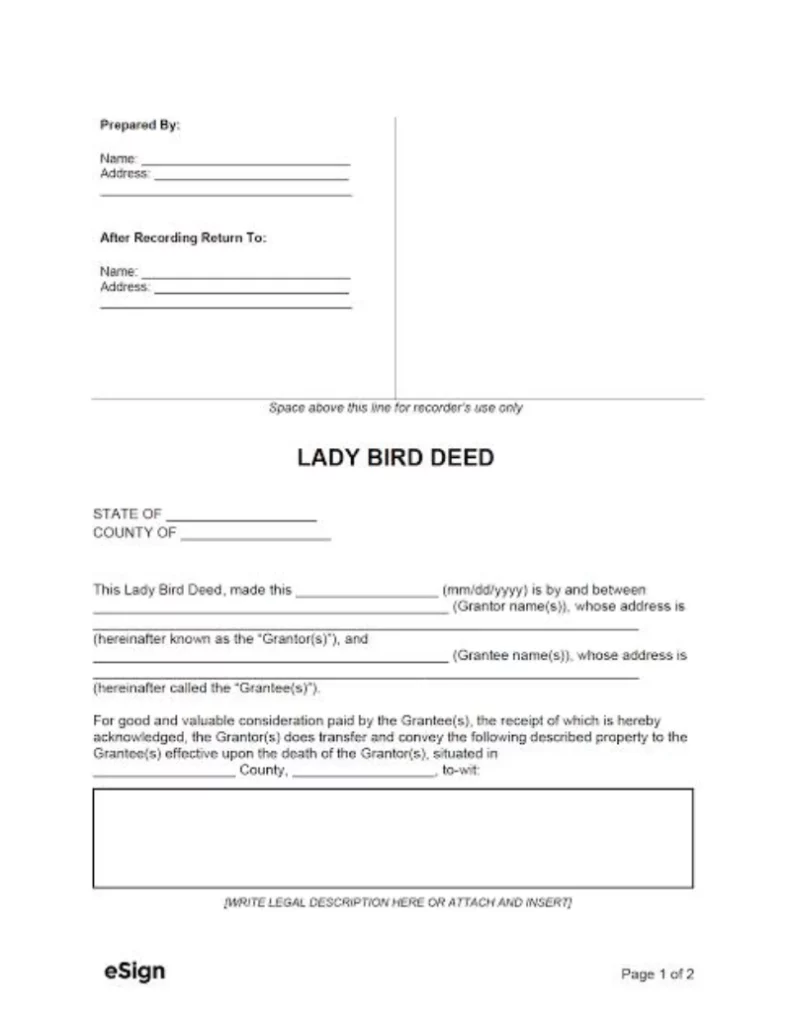
The deed must be meticulously drafted to clearly state the grantor’s intent. It needs to include precise language that grants a life estate to the grantor and specifies the remainder beneficiaries. Crucially, it must contain the language granting the grantor the power to sell, convey, or encumber the property without the consent of the beneficiaries. Generic deed templates are often insufficient and can lead to unintended consequences.
Legal Counsel is Essential
It is highly recommended, and often legally required for proper execution, to engage a qualified Texas real estate attorney or estate planning attorney. They will ensure the deed is drafted correctly, complies with all Texas property laws, and is tailored to the grantor’s specific estate plan. An attorney can also advise on potential pitfalls and ensure the deed aligns with other estate planning documents, such as a will or trust.
Notarization and Recording
Like any real estate deed in Texas, a Lady Bird deed must be signed by the grantor in the presence of a notary public. After signing and notarization, the deed must be filed with the county clerk’s office in the county where the property is located. This recording serves as public notice of the transfer and officially establishes the terms of the deed.
Potential Drawbacks and Considerations
While advantageous, Lady Bird deeds are not a one-size-fits-all solution. Understanding the potential downsides is crucial for making an informed decision.
State Law Variations
It’s important to reiterate that Lady Bird deeds are not universally recognized. While common and well-established in Texas, their validity and implications can differ significantly in other states. If you own property in multiple states, a different estate planning strategy might be necessary for properties outside of Texas.
Impact on Beneficiaries
While the beneficiaries will ultimately inherit the property without probate, they have no right to the property during the grantor’s lifetime. If the grantor sells the property, the beneficiaries receive nothing from that specific asset. This could be a concern if the beneficiaries were relying on inheriting that particular property. Open communication with beneficiaries about this aspect of the plan is advisable.
Potential for Misunderstanding or Disputes
Although designed to simplify the transfer of property, a poorly drafted deed or a lack of clear communication can lead to misunderstandings or disputes among beneficiaries. The grantor’s continued control could also be a point of contention if not managed transparently.
No Step-Up in Basis
Unlike assets inherited through probate, property transferred via a Lady Bird deed typically does not receive a “step-up” in cost basis to its fair market value at the time of the grantor’s death. This means that if the beneficiaries later sell the property, they might incur capital gains tax on the appreciation that occurred during the grantor’s ownership, based on the original purchase price. This is a significant tax consideration that can impact the net inheritance.
Conclusion: A Powerful Tool for Texas Property Owners
The Lady Bird deed, or Enhanced Life Estate Deed, stands as a testament to the innovative estate planning options available to Texas residents. It offers a compelling method for property owners to ensure a smooth, probate-free transfer of their real estate to loved ones while retaining maximum control and flexibility throughout their lives. However, its effectiveness hinges on precise legal drafting and a thorough understanding of its implications. For any Texan considering their estate plan, exploring the suitability of a Lady Bird deed with a qualified legal professional is a prudent step towards securing their property and their legacy.
LifeOutOfTheBox is a participant in the Amazon Services LLC Associates Program, an affiliate advertising program designed to provide a means for sites to earn advertising fees by advertising and linking to Amazon.com. Amazon, the Amazon logo, AmazonSupply, and the AmazonSupply logo are trademarks of Amazon.com, Inc. or its affiliates. As an Amazon Associate we earn affiliate commissions from qualifying purchases.