
The allure of New York City is undeniable. It’s a global hub of culture, finance, and opportunity, drawing millions with its vibrant energy and the promise of success. However, the cost of living in the Big Apple can be astronomical, a fact that often prompts ambitious individuals to consider relocation. For those who have experienced the financial demands of NYC and are contemplating a move to the Lone Star State, the question arises: “What is a New York City salary in Texas?” This isn’t a simple conversion of numbers; it’s an exploration of how earning potential, lifestyle expectations, and the very definition of financial well-being can shift when transitioning from one of the world’s most expensive cities to a state renowned for its affordability and economic growth.

Understanding this transition involves dissecting several key components: the actual salary adjustments, the impact of the cost of living, and the redefined opportunities available in Texas. It’s about recalibrating expectations and recognizing that a significant salary in New York City might translate to a vastly different — and potentially more comfortable — financial reality in a Texas city like Dallas, Houston, or Austin.
The Salary Differential: Bridging the Geographic Divide
The most immediate aspect of comparing a New York City salary to a Texas one is the statistical difference in income. Numerous studies and salary aggregators consistently show that professions, particularly those in high-demand sectors like tech, finance, and marketing, tend to command higher salaries in New York City than in most Texas cities. This premium in NYC is largely a function of a more competitive job market, higher overhead for businesses, and a desperate need to attract talent willing to endure the city’s steep living expenses.
For instance, a software engineer earning $150,000 annually in New York City might find that the equivalent role in Dallas offers a salary in the range of $110,000 to $130,000. This isn’t necessarily a pay cut in real terms, but rather an adjustment reflecting the local economic landscape. The $150,000 earned in NYC might have afforded a certain lifestyle, but a significant portion was allocated to rent, transportation, and everyday expenses. The $110,000 to $130,000 in Dallas, when juxtaposed with the state’s lower cost of living, could provide a similar, if not enhanced, quality of life.
Factors Influencing Salary Adjustments
Several variables contribute to this salary differential:
- Industry Demand and Competition: While both New York City and Texas boast robust economies, the concentration of specific industries can influence salary levels. New York City is a powerhouse for finance and media, leading to highly competitive salaries in these fields. Texas, on the other hand, has a booming energy sector, a rapidly expanding tech scene, and a strong presence in logistics and manufacturing, each with its own salary benchmarks.
- Cost of Labor: Employers in New York City often factor in the higher cost of living when setting salaries to attract and retain qualified employees. In Texas, where the cost of living is significantly lower, companies can often recruit talent with a less inflated salary package while still offering a competitive compensation.
- Experience and Skill Set: The value of specific skills and years of experience can fluctuate by region. A niche skill highly sought after in New York City might be more commonplace or less in demand in certain Texas markets, impacting its market value.
- Company Size and Type: Larger corporations and established firms in New York City may offer more structured salary bands, often higher than their Texas counterparts. However, fast-growing startups and emerging companies in Texas can also offer competitive packages, especially those looking to attract talent from more established markets.
The key takeaway is that a New York City salary, when viewed in isolation, doesn’t tell the whole story. The true measure of financial well-being lies in how that salary translates into purchasing power and lifestyle within the specific geographic context of Texas.
The Cost of Living: A Tale of Two Economies
The most significant factor that makes a New York City salary “different” in Texas is the stark contrast in the cost of living. New York City consistently ranks among the most expensive cities globally. From housing to groceries, transportation, and entertainment, nearly every expense is amplified. Texas, conversely, is celebrated for its affordability, particularly in areas like housing.
Housing: The Biggest Divergence
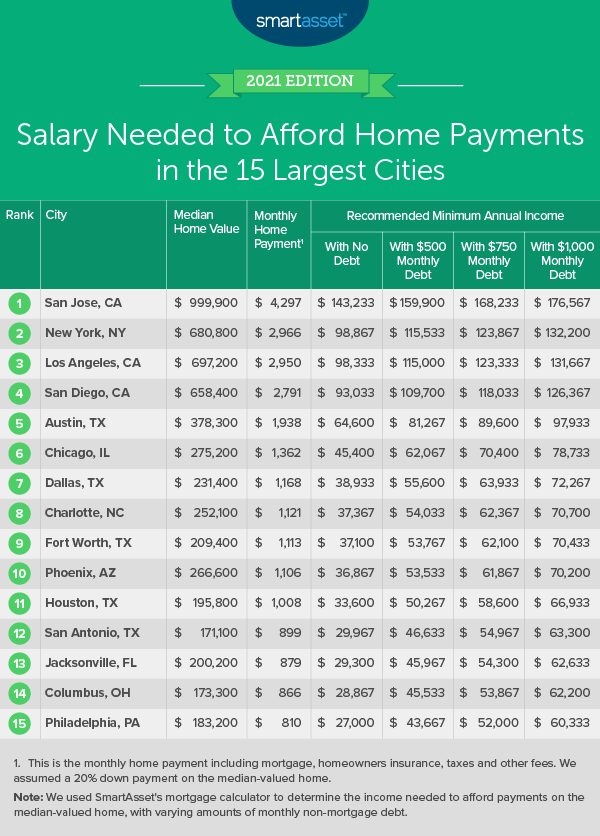
The most dramatic difference is often seen in housing costs. A $3,000-per-month rent for a modest one-bedroom apartment in Manhattan or Brooklyn could secure a spacious, multi-bedroom house in a desirable neighborhood in Austin or Houston. This alone can free up a substantial portion of an individual’s income. For example, if a New York City resident dedicates 40% of their $150,000 salary to rent and utilities, that’s $60,000 annually. In Texas, where housing might consume only 25% of a $120,000 salary, that’s $30,000, leaving an additional $30,000 for savings, investments, or discretionary spending.
Daily Expenses: Reimagining Your Budget
Beyond housing, everyday expenses also paint a different picture:
- Groceries: While national grocery chains have similar pricing structures, the overall cost of food can be marginally lower in Texas, especially for locally sourced produce.
- Transportation: New York City relies heavily on public transportation, with monthly MetroCards representing a significant ongoing cost. Texas cities, while improving public transit, are generally more car-dependent. However, the cost of car ownership, insurance, and fuel can often be less than the combined expense of a transit pass and occasional ride-shares in NYC. Furthermore, many Texas cities offer more affordable parking options.
- Utilities: While utility costs can vary based on climate and usage, Texas generally does not see the same level of exorbitant heating bills that can plague New York City residents in winter. Summer air conditioning costs are a factor, but overall utility expenses tend to be more manageable.
- Taxes: Texas famously has no state income tax, a massive financial advantage for residents. New York City, conversely, has both state and city income taxes, which can significantly reduce take-home pay. This is a crucial element in understanding the real purchasing power of a New York City salary in Texas.
When considering a New York City salary in Texas, it’s not about earning less; it’s about the potential to earn more and live more comfortably. The financial freedom gained by escaping NYC‘s high cost of living can be substantial, allowing for greater savings, earlier retirement, or simply a more relaxed lifestyle.
Redefined Opportunities and Lifestyle in Texas
The financial implications of moving from New York City to Texas extend beyond mere salary conversions and cost-of-living adjustments. They encompass a reimagining of career trajectories, lifestyle possibilities, and overall quality of life. The “what is a New York City salary in Texas?” question becomes a gateway to exploring a different kind of prosperity.
Career Advancement and Entrepreneurship
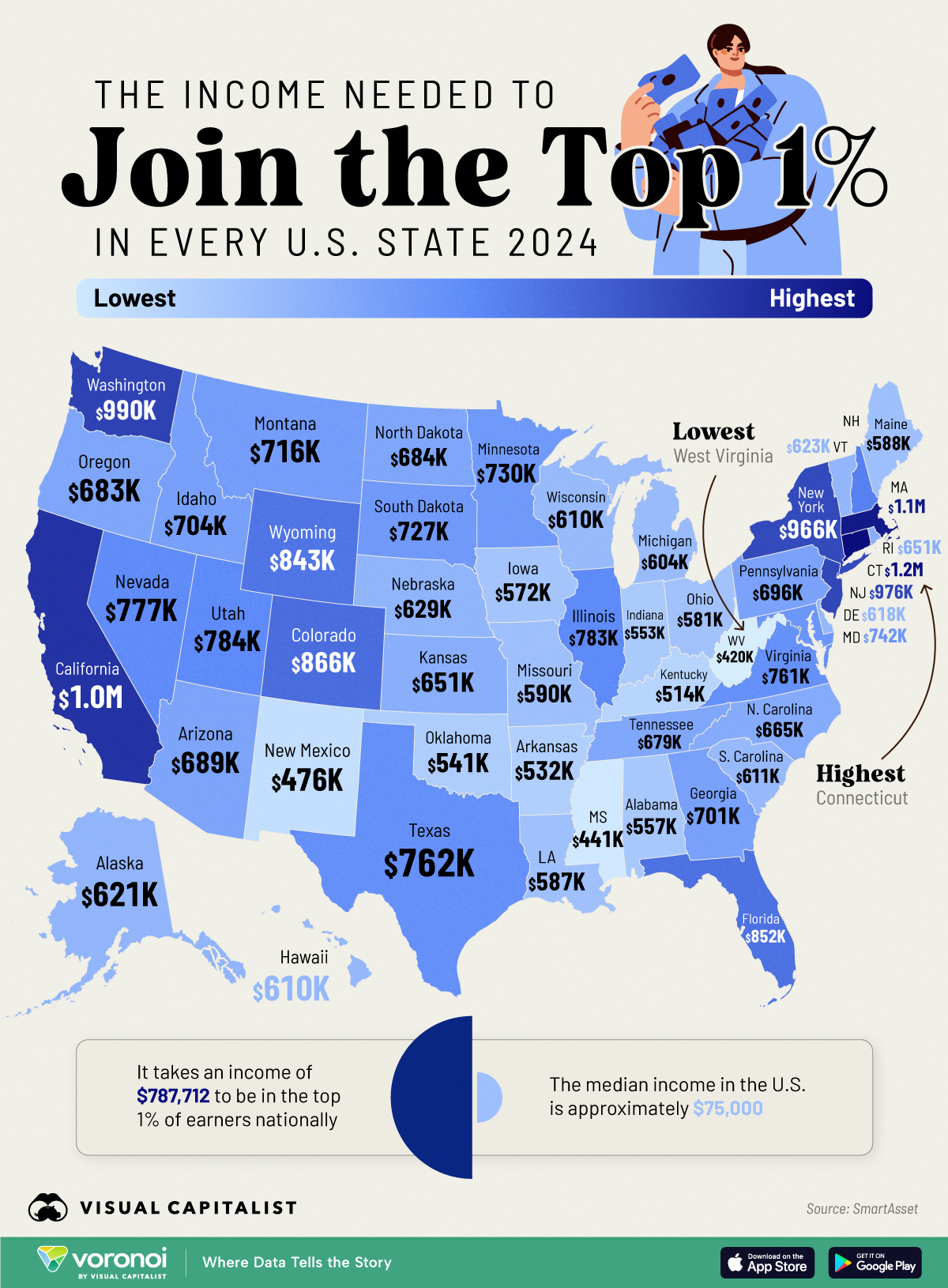
Texas is a rapidly growing economic powerhouse, offering fertile ground for career advancement and entrepreneurial endeavors. Cities like Austin are becoming veritable tech hubs, drawing investment and talent at an unprecedented rate. Dallas continues to be a major center for finance and corporate headquarters, while Houston remains a global leader in the energy sector. For individuals with in-demand skills, the opportunities for growth in Texas can be immense, often with less intense competition than in New York City. Furthermore, the lower cost of starting a business in Texas can make entrepreneurial dreams more attainable.
Lifestyle and Leisure: A Different Pace
The lifestyle in Texas often offers a different rhythm than the frenetic pace of New York City. While NYC boasts world-class museums, theaters, and dining experiences on every corner, Texas offers its own unique cultural tapestry.
- Outdoor Activities: The vast landscapes of Texas provide ample opportunities for outdoor recreation. From hiking and camping in national and state parks to enjoying water sports on its many lakes, the natural beauty of Texas is a significant draw.
- Food Scene: Texas is renowned for its distinct culinary identity, from authentic Tex-Mex and barbecue to a burgeoning fine-dining scene in its major cities. The food culture is vibrant and often more accessible and affordable than in New York City.
- Family Life: Many families are drawn to Texas for its more spacious living options, reputable school districts, and a perceived safer environment compared to densely populated urban centers. The increased disposable income afforded by a lower cost of living often translates to more opportunities for family activities and travel.
- Community and Culture: While New York City is a melting pot of global cultures, Texas possesses its own rich heritage, blending Southern hospitality with Western grit. The sense of community in Texas cities can be a significant draw for those seeking a more personal connection.
When considering the question “What is a New York City salary in Texas?”, the answer is that it’s more than just a numerical adjustment. It’s an invitation to a different economic reality, where financial goals might be achieved with greater ease, and a fulfilling lifestyle can be cultivated with more breathing room. The New York City salary, when transplanted to Texas, often becomes a tool for building a richer, more expansive life, unburdened by the overwhelming weight of urban living costs. It signifies a shift from merely surviving to truly thriving, embracing the unique opportunities and comforts that the Lone Star State has to offer.
LifeOutOfTheBox is a participant in the Amazon Services LLC Associates Program, an affiliate advertising program designed to provide a means for sites to earn advertising fees by advertising and linking to Amazon.com. Amazon, the Amazon logo, AmazonSupply, and the AmazonSupply logo are trademarks of Amazon.com, Inc. or its affiliates. As an Amazon Associate we earn affiliate commissions from qualifying purchases.