
The legal landscape surrounding assaultive offenses in Texas is complex and carries significant consequences, particularly when a deadly weapon is involved. Understanding the nuances of aggravated assault with a deadly weapon is crucial for residents and visitors alike, as it defines a severe criminal act with substantial penalties. This offense elevates a standard assault beyond simple physical harm, incorporating the presence of a weapon that is capable of causing death or serious bodily injury.
Defining Aggravated Assault With A Deadly Weapon in Texas
In Texas, an assault occurs when a person intentionally, knowingly, or recklessly causes bodily injury to another person, or intentionally or knowingly threatens another person with imminent bodily injury, or intentionally or knowingly causes physical contact with another person when the person knows or should reasonably believe that the other person will regard the contact as offensive or provocative.
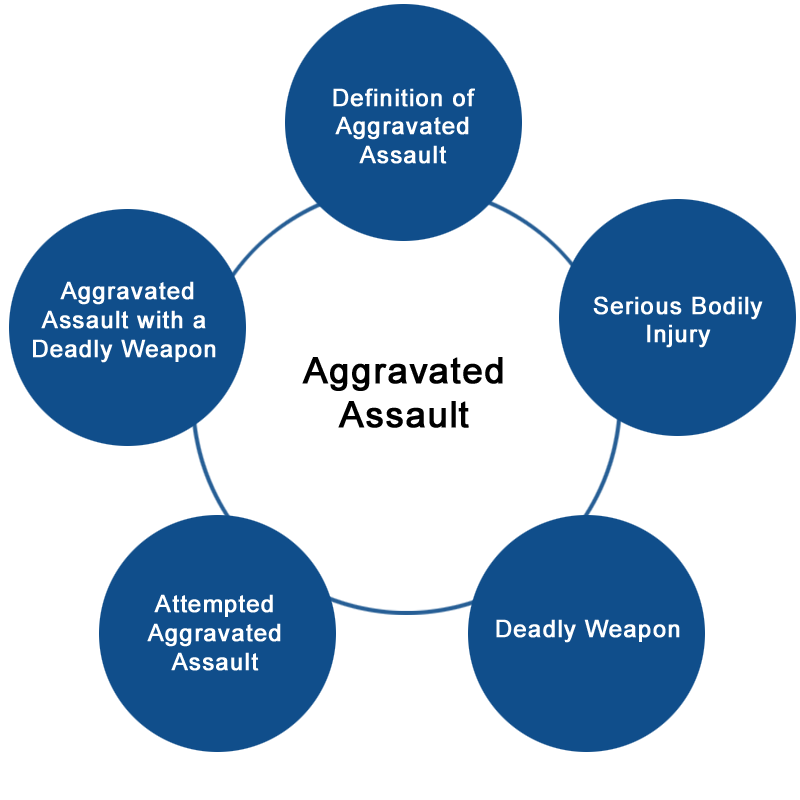
Aggravated assault, as defined by the Texas Penal Code, escalates this base offense in two primary ways: by seriously injuring the victim or by using a deadly weapon. When a deadly weapon is involved, the accusation shifts to “aggravated assault with a deadly weapon.”
The Role of the “Deadly Weapon”
The critical element that distinguishes this offense from simple assault is the “deadly weapon.” The Texas Penal Code defines a deadly weapon broadly. It is not limited to firearms. A deadly weapon is defined as:
- A firearm, or anything manifestly designed, made, or adapted for the destruction or infliction of death or serious bodily injury.
- Anything that, in the manner of its use or intended use, is capable of causing death or serious bodily injury.
This broad definition means that a wide array of objects can be considered deadly weapons. While a handgun, rifle, or shotgun are obvious examples, other items can also fall under this classification depending on how they are used or intended to be used. For instance, a knife, a baseball bat, a vehicle used as a projectile, or even certain blunt objects could be deemed deadly weapons if the prosecution can demonstrate their capacity to cause death or serious bodily injury. The intent behind the use of the object is also a key factor; if the user intended to cause death or serious bodily injury, or if the object’s nature in its use makes it inherently dangerous, it qualifies as a deadly weapon.
Elements of the Offense
To secure a conviction for aggravated assault with a deadly weapon in Texas, the prosecution must prove beyond a reasonable doubt the following elements:
- The defendant committed an assault. This means they either caused bodily injury, threatened imminent bodily injury, or caused offensive physical contact.
- The defendant used or exhibited a deadly weapon. The prosecution must demonstrate that the object used met the legal definition of a deadly weapon as described above.
- The defendant acted intentionally, knowingly, or recklessly in committing the assault. This refers to the mental state of the defendant at the time of the offense.
The prosecutor will present evidence to establish each of these points. This evidence might include witness testimony, the victim’s account, physical evidence from the crime scene, and expert testimony regarding the nature of the weapon used and its potential to cause harm.
Penalties and Consequences in Texas
Aggravated assault with a deadly weapon is a serious felony offense in Texas, carrying severe penalties that can profoundly impact an individual’s life. The classification of the offense and the corresponding punishments are determined by statute.

Felony Classification and Sentencing
Aggravated assault with a deadly weapon is typically classified as a second-degree felony in Texas. However, certain circumstances can elevate it to a first-degree felony.
- Second-Degree Felony: A conviction for a second-degree felony offense can result in a prison sentence ranging from two to twenty years and a fine of up to $10,000.
- First-Degree Felony: If the assault occurs against a public servant (such as a police officer, judge, or firefighter) performing their official duties, or if the victim is a family member or household member and the weapon is a firearm, the charge can be elevated to a first-degree felony. A conviction for a first-degree felony carries a prison sentence of five to ninety-nine years or life and a fine of up to $10,000.
Additional Consequences
Beyond incarceration and fines, a conviction for aggravated assault with a deadly weapon results in a permanent criminal record. This felony conviction can have far-reaching implications, including:
- Loss of Civil Rights: Convicted felons often lose their right to vote, possess firearms, and serve on a jury.
- Employment Difficulties: Many employers conduct background checks, and a felony conviction can make it challenging to find and maintain employment.
- Housing Challenges: Landlords may deny housing applications based on a felony record.
- Educational Restrictions: Some educational institutions may have policies that affect admissions or financial aid for individuals with felony convictions.
- Professional Licensing: Certain professional licenses may be denied or revoked.
- Immigration Status: For non-citizens, a felony conviction can lead to deportation or affect future immigration prospects.
Defenses Against Aggravated Assault Charges
Facing an aggravated assault with a deadly weapon charge is a daunting prospect, but individuals have the right to mount a defense. The effectiveness of any defense strategy depends heavily on the specific facts and evidence of the case. A skilled criminal defense attorney is essential in navigating these complex legal challenges.
Common Defense Strategies
Several legal defenses may be available to an individual accused of aggravated assault with a deadly weapon:
- Self-Defense: Texas law recognizes the right to self-defense. If an individual reasonably believed they were in imminent danger of unlawful force and used force (including deadly force if necessary) to protect themselves, they may have a valid self-defense claim. The force used must be proportionate to the threat faced.
- Defense of Others: Similar to self-defense, an individual is justified in using force to protect another person from imminent harm.
- Lack of Intent: The prosecution must prove the defendant acted intentionally, knowingly, or recklessly. If it can be shown that the defendant’s actions were accidental, or that they did not possess the requisite mental state, the charge might be dismissed or reduced. For example, if an object was not being used as a weapon but rather in a non-assaultive manner, and the harm was purely accidental, this could be a defense.
- Identification Issues: In some cases, the defense may challenge the accuracy of eyewitness identification or argue that the wrong person was accused of the crime.
- Challenging the “Deadly Weapon” Classification: The defense can argue that the object used did not meet the legal definition of a deadly weapon, either because it was not designed to cause death or serious bodily injury, or because of the manner in which it was used. For instance, if a common household object was brandished but not used in a manner capable of causing serious harm, it might not qualify as a deadly weapon.
- Mistake of Fact: If the defendant made a reasonable mistake about a fact that, if true, would have made their actions lawful, this could serve as a defense.
The Importance of Legal Representation
The complexities of Texas criminal law, particularly concerning felony offenses, underscore the absolute necessity of obtaining experienced legal counsel. A seasoned criminal defense attorney can:
- Thoroughly investigate the facts of the case.
- Gather evidence, including witness statements and physical evidence.
- Challenge the prosecution’s evidence and identify weaknesses in their case.
- Advise on the best legal strategies and potential defenses.
- Negotiate with prosecutors for potential plea bargains.
- Represent the defendant zealously in court, if the case proceeds to trial.

Navigating Texas’s Legal System
Understanding aggravated assault with a deadly weapon in Texas is more than just academic; it’s about recognizing the gravity of such offenses and the legal framework designed to address them. The broad definition of a “deadly weapon” and the significant penalties associated with a felony conviction highlight the seriousness with which these cases are treated. For anyone facing such accusations, or for those seeking to understand the legal protections afforded to citizens, awareness of these laws and the availability of robust legal defense is paramount. The pursuit of justice in Texas requires a clear understanding of these intricate legal statutes and their profound implications.
LifeOutOfTheBox is a participant in the Amazon Services LLC Associates Program, an affiliate advertising program designed to provide a means for sites to earn advertising fees by advertising and linking to Amazon.com. Amazon, the Amazon logo, AmazonSupply, and the AmazonSupply logo are trademarks of Amazon.com, Inc. or its affiliates. As an Amazon Associate we earn affiliate commissions from qualifying purchases.