
Tex-Mex cuisine, a culinary tapestry woven from the vibrant threads of Texan and Mexican traditions, is far more than just a regional specialty; it’s a cultural phenomenon. It represents a delicious fusion, a testament to the enduring influence of Mexican food on the United States culinary landscape, particularly in Texas. This cuisine, born from necessity and refined through generations, offers a distinctive flavor profile that has captivated palates far beyond its origins, becoming a beloved staple in restaurants and homes across the nation. Understanding Tex-Mex is to appreciate the interplay of history, culture, and innovation that defines so much of American food culture.
The Historical Roots of Tex-Mex
The genesis of Tex-Mex cuisine is deeply embedded in the historical narrative of Texas, particularly its long and complex relationship with Mexico. Following the Texas Revolution and subsequent annexation by the United States, a significant Mexican population remained in the region. These communities, adapting their traditional culinary practices to the ingredients and resources available in their new environment, laid the groundwork for what would eventually be recognized as Tex-Mex.
Early Influences and Adaptations
The original inhabitants of Texas and early Mexican settlers relied on locally sourced ingredients. This meant that traditional Mexican ingredients like corn, beans, and chiles were combined with staples of the Texan diet, which included beef and, over time, ingredients introduced by European settlers. The scarcity of certain traditional Mexican ingredients in Texas also spurred innovation. For example, the availability of beef led to its prominent use in dishes that might traditionally feature pork or poultry in Mexico.
The Rise of Distinctive Dishes
As the 20th century progressed, these adaptations coalesced into a recognizable culinary style. The development of iconic dishes like chili con carne, enchiladas, and tacos, as they are known in the Tex-Mex context, became solidified. The “tex” in Tex-Mex began to represent not just the geographic location but also a distinct approach to preparing and presenting Mexican-inspired food, differentiating it from the regional cuisines found deeper within Mexico.
Key Ingredients and Flavors
The soul of Tex-Mex cuisine lies in its distinctive pantry of ingredients and its characteristic flavor profiles. It’s a cuisine that celebrates bold tastes, robust textures, and a comforting familiarity, making it a perennial favorite for those seeking a hearty and satisfying meal.
The Core Components
At the heart of Tex-Mex are several foundational ingredients that are used with great versatility:
- Meats: Beef, particularly ground beef and various cuts for grilling and stewing, is a cornerstone. Pork also plays a significant role, especially in dishes like carnitas and tamales, though often with a Texan twist. Chicken is another popular protein.
- Beans: Refried beans are ubiquitous, serving as a creamy, flavorful base or side dish. Whole beans, often pinto beans, are also commonly found.
- Cheeses: A generous hand with cheese is a hallmark of Tex-Mex. Melted cheddar cheese, Monterey Jack, and blends are frequently used to bind ingredients, top dishes, and create that signature gooey texture.
- Chiles: A variety of chiles are employed, ranging from mild jalapeños and poblanos to spicier varieties. These provide both heat and complex flavor notes. Canned green chiles are also a common convenience ingredient.
- Tomatoes and Onions: These form the aromatic foundation for many sauces and salsas, providing sweetness and pungency.
- Spices: Cumin, chili powder (often a blend), oregano, and garlic powder are the dominant spices, contributing to the warm, earthy, and slightly smoky profile of Tex-Mex dishes.
The “Tex” in the Flavor Profile
What truly distinguishes Tex-Mex is the Americanized interpretation of traditional flavors:
- Spice Level: While authentic Mexican food can range from mildly spicy to intensely hot, Tex-Mex often calibrates its heat levels for a broader American palate, typically featuring a moderate spice.
- Use of Cumin: Cumin is arguably the most defining spice in Tex-Mex, used more liberally than in many traditional Mexican dishes. It imparts a warm, earthy, and slightly smoky flavor that is characteristic of the cuisine.
- Chili Powder Blends: Tex-Mex frequently utilizes pre-made chili powder blends, which often contain not only ground chiles but also cumin, garlic powder, and oregano. This creates a distinct, robust flavor profile.
- Creaminess and Richness: The liberal use of cheese, sour cream, and sometimes even processed cheese products like Velveeta contributes to the rich and comforting character of many Tex-Mex dishes.
Iconic Tex-Mex Dishes and Their Components
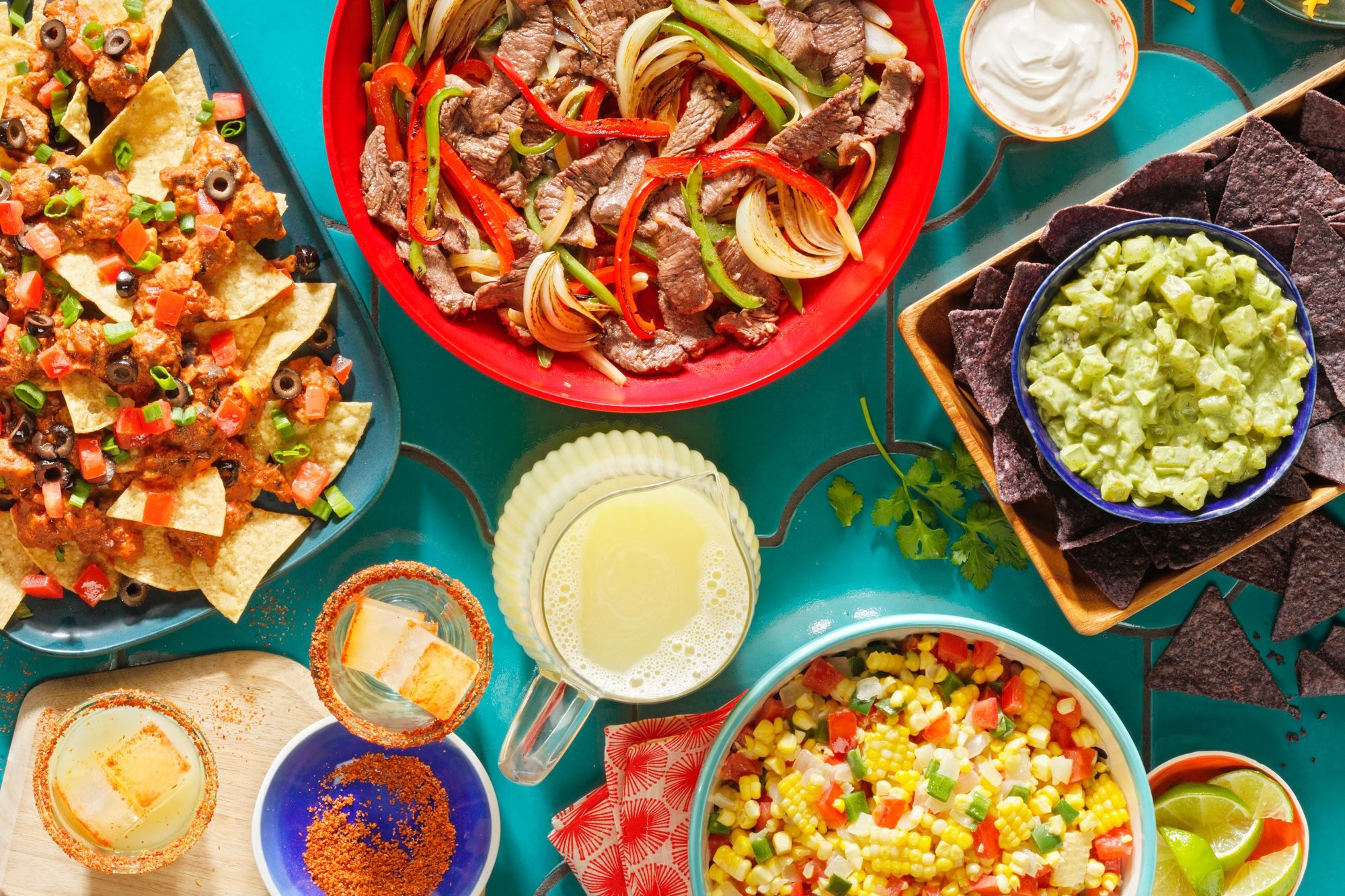
Tex-Mex cuisine is defined by a collection of beloved dishes, each with its own unique assembly of ingredients and preparation methods. These dishes have become synonymous with casual dining and celebratory gatherings, embodying the spirit of the cuisine.
The Cornerstones of the Menu
- Enchiladas: These are perhaps the quintessential Tex-Mex dish. Corn tortillas are typically filled with a protein (ground beef, chicken, or cheese), rolled, and then smothered in a rich chili sauce (often a red enchilada sauce made from dried chiles and spices, or sometimes a green tomatillo sauce). They are invariably topped with a generous amount of melted cheese and often garnished with diced onions, cilantro, or a dollop of sour cream.
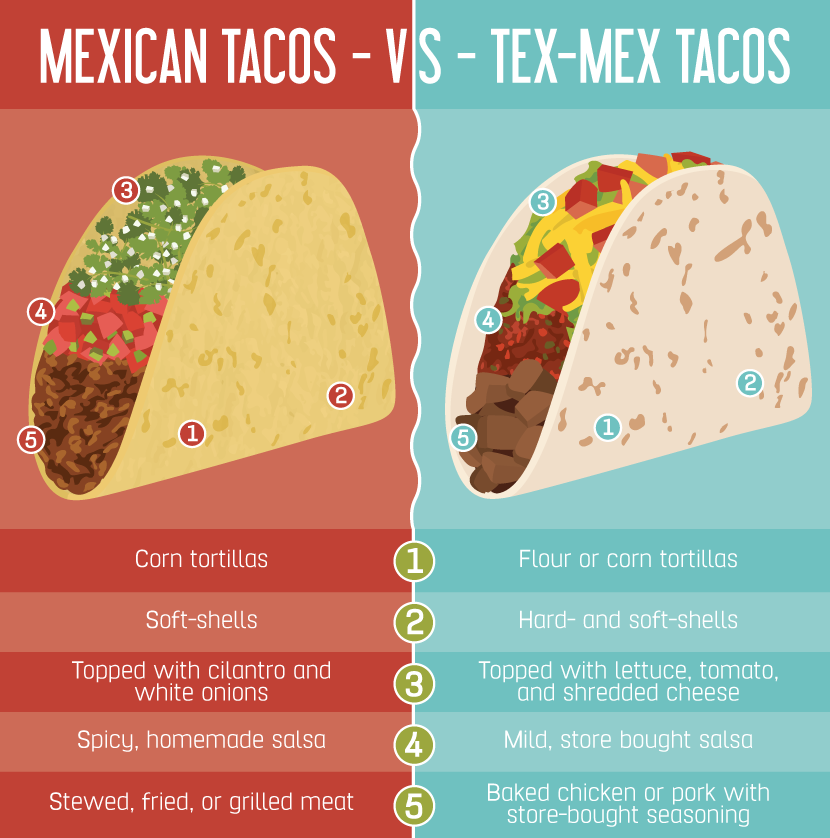
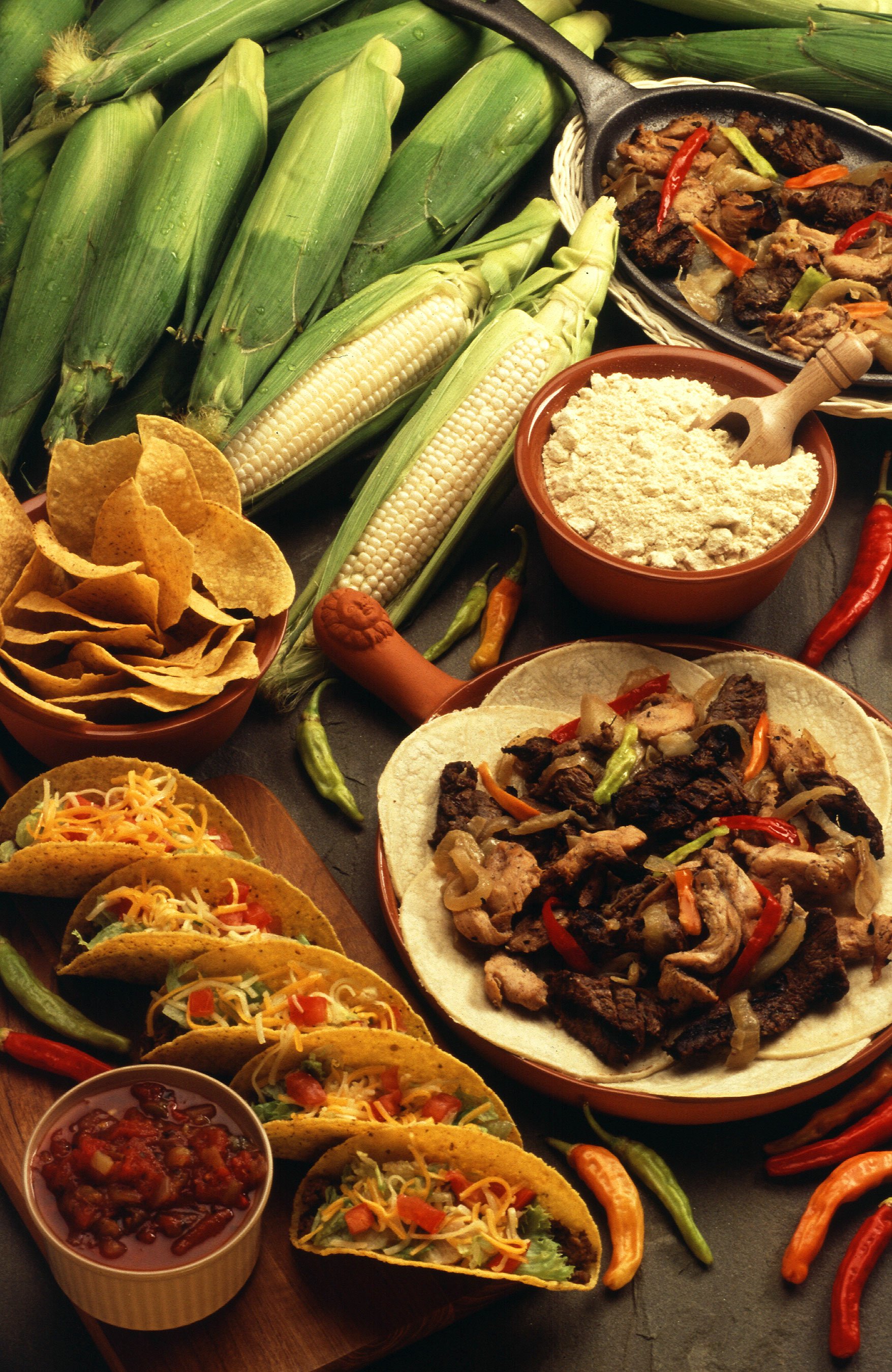
- Tacos: While tacos are a fundamental part of Mexican cuisine, Tex-Mex tacos often feature a crispy, deep-fried corn tortilla shell filled with seasoned ground beef, shredded lettuce, diced tomatoes, and grated cheddar cheese. Soft tacos, made with flour tortillas, are also popular and can be filled with various meats like carne asada or shredded chicken, accompanied by similar toppings.
- Fajitas: A Tex-Mex innovation that has become globally popular, fajitas are typically grilled strips of marinated meat (beef, chicken, or shrimp) served sizzling on a cast-iron skillet. They are accompanied by warm flour tortillas, sautéed onions and bell peppers, and a selection of toppings such as pico de gallo, guacamole, sour cream, and shredded cheese.
- Quesadillas: Simple yet satisfying, Tex-Mex quesadillas consist of tortillas (usually flour) filled with cheese and sometimes other ingredients like chicken, beef, or vegetables, then grilled until the cheese is melted and gooey. They are often served with salsa, sour cream, and guacamole.
- Nachos: A beloved appetizer or meal, nachos are made with tortilla chips generously topped with melted cheese, jalapeños, and often seasoned ground beef or chicken. They are typically served with a side of salsa, sour cream, and guacamole. The variation known as “]=[]=[]=[]=[]” or “loaded nachos” can include a multitude of toppings.
- Burritos: Large flour tortillas are filled with a combination of seasoned meats, beans, rice, cheese, salsa, and sometimes lettuce or sour cream. While burritos are deeply rooted in northern Mexico, the Tex-Mex version often features a more substantial filling and is sometimes served “smothered” in a chili sauce and cheese, akin to an enchilada.
- Chili Con Carne: Often considered the unofficial state dish of Texas, chili con carne is a hearty stew made with chunks of beef, chili peppers, and various spices. Genuine chili purists debate the inclusion of beans and tomatoes, but in the Tex-Mex context, these are often present, creating a thick, flavorful, and warming dish.
Accompaniments and Garnishes
No Tex-Mex meal is complete without its array of vibrant accompaniments:
- Salsa: From mild pico de gallo (fresh chopped tomatoes, onions, cilantro, and jalapeños) to spicier cooked salsas, these sauces are essential for adding a burst of flavor and freshness.
- Guacamole: A creamy dip made from mashed avocados, lime juice, onions, cilantro, and sometimes tomatoes and jalapeños, it’s a crucial element for adding richness and a cooling counterpoint to the spicier elements.
- Sour Cream: A dollop of sour cream provides a cooling, creamy contrast to the often bold and spicy flavors of the dishes.
- Pico de Gallo: A fresh, uncooked salsa, pico de gallo is characterized by its finely diced ingredients and bright, zesty flavor.
- Refried Beans: A staple side dish, refried beans are typically made from pinto beans that are cooked, mashed, and then fried with lard or oil and often mixed with cheese or spices.
Tex-Mex in the Broader Culinary Landscape
Tex-Mex cuisine has transcended its regional origins to become a significant and celebrated part of the broader American food scene. Its accessibility, comforting flavors, and adaptability have ensured its widespread popularity.
Beyond the Borders of Texas
While deeply rooted in Texas, Tex-Mex restaurants and dishes are now found in virtually every city and town across the United States. This ubiquity is a testament to its broad appeal and the effective marketing and popularization of its signature dishes. Chains like Chipotle Mexican Grill and Taco Bell, while offering their own interpretations and often debated classifications, have played a role in familiarizing a wide audience with Tex-Mex flavor profiles.
The Distinction from Authentic Mexican Cuisine
It is important to acknowledge that Tex-Mex is a distinct entity from the diverse and nuanced cuisines found throughout Mexico. While sharing common ingredients and historical influences, Tex-Mex has evolved independently, incorporating American ingredients and culinary preferences. For example, the heavy reliance on ground beef, cheddar cheese, and the prominent use of cumin are more characteristic of Tex-Mex than many regional Mexican dishes. Authentic Mexican cuisine is incredibly varied, with distinct regional specialties that often differ significantly from one state or city to another. Understanding this distinction is key to appreciating the unique identity of Tex-Mex.
Culinary Evolution and Modern Interpretations
Tex-Mex is not a static cuisine; it continues to evolve. Contemporary chefs and home cooks are exploring new ingredient combinations, healthier preparation methods, and more sophisticated flavor profiles while still honoring the core essence of Tex-Mex. This evolution allows the cuisine to remain relevant and appealing to new generations of diners. The rise of farm-to-table movements has also influenced Tex-Mex, with chefs focusing on fresh, high-quality ingredients to elevate classic dishes. Furthermore, the global fusion trend has led to creative mashups, incorporating Tex-Mex elements into dishes from other cuisines, further demonstrating its enduring influence.
In conclusion, Tex-Mex cuisine is a vibrant and flavorful testament to cultural exchange and adaptation. It offers a unique culinary experience that is both familiar and exciting, deeply rooted in history yet constantly evolving. Whether you are enjoying a plate of enchiladas in San Antonio or a sizzling platter of fajitas in Chicago, you are partaking in a delicious tradition that has firmly established itself as a beloved part of the American culinary identity.
LifeOutOfTheBox is a participant in the Amazon Services LLC Associates Program, an affiliate advertising program designed to provide a means for sites to earn advertising fees by advertising and linking to Amazon.com. Amazon, the Amazon logo, AmazonSupply, and the AmazonSupply logo are trademarks of Amazon.com, Inc. or its affiliates. As an Amazon Associate we earn affiliate commissions from qualifying purchases.