
Understanding the economic landscape of a destination is crucial for any traveler, especially when planning extended stays or considering the financial aspects of a journey. While Texas is renowned for its vast landscapes, rich history, and vibrant culture, a deeper dive into its economic indicators, such as the minimum wage, can offer valuable insights for a more informed travel experience. This article explores the minimum wage in Texas for 2025, examining its implications for travelers, budget planners, and those considering temporary or long-term stays within the Lone Star State.
The Current Minimum Wage Landscape
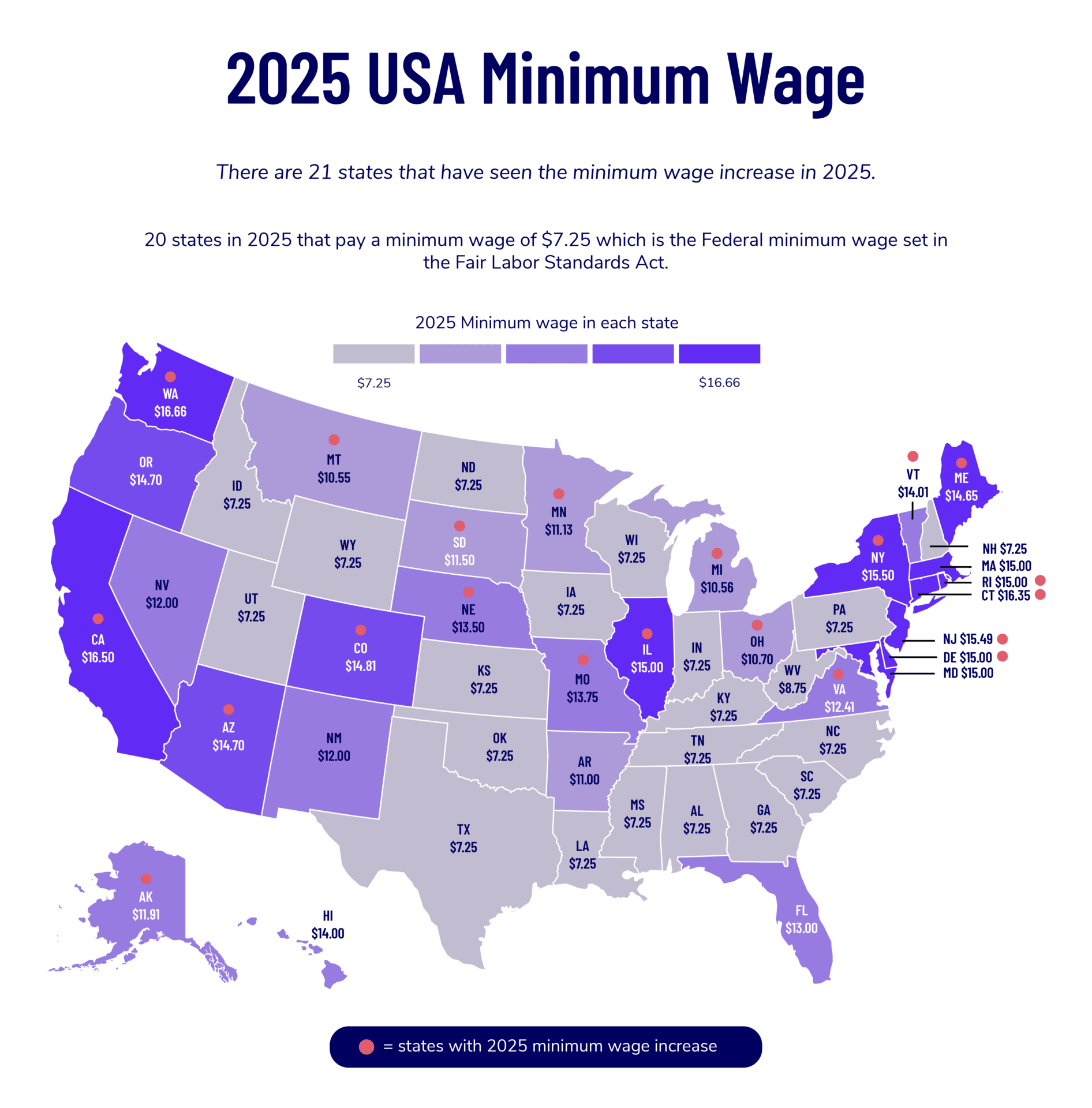
As of the latest available data, Texas adheres to the federal minimum wage rate. The federal minimum wage is set at $7.25 per hour. It’s important to note that while many states have enacted higher minimum wage laws, Texas has not established a state-specific minimum wage that surpasses the federal standard. This means that, unless an employer is subject to specific federal regulations that mandate a higher rate, the $7.25 per hour figure is the legal baseline for most workers in Texas. This rate has remained unchanged since its last adjustment in 2009.

Federal vs. State Minimum Wage
The interplay between federal and state minimum wage laws is a key factor in understanding labor costs and the economic environment of any U.S. state. In Texas, the absence of a state-level minimum wage means that the federal standard prevails. This uniformity, while simplifying some aspects, also means that Texas’s minimum wage is among the lowest in the nation. For travelers, this can translate into a generally lower cost of services that are heavily reliant on minimum wage labor, such as certain hospitality roles. However, it’s also a reflection of the state’s broader economic policies and its business-friendly approach.
Tipped Employees and Minimum Wage
A significant consideration for understanding minimum wage in Texas, particularly relevant to the hospitality sector that many travelers interact with, is the provision for tipped employees. Under federal law, employers can pay tipped employees a lower cash wage, provided that the combined cash wage and tips equal at least the federal minimum wage of $7.25 per hour. In Texas, the cash wage for tipped employees is set at $2.13 per hour. This means that employers rely on tips to supplement the employee’s wages to meet the $7.25 per hour threshold. This practice is common in restaurants, bars, and other service industries across the state, including in popular tourist destinations like Austin, Dallas, and Houston. Travelers often engage directly with tipped employees, and understanding this wage structure can shed light on service costs and tipping customs.
Implications for Travelers and Budgeting
The minimum wage in Texas, primarily set at $7.25 per hour, has several indirect implications for individuals planning travel to or within the state. While it might not directly impact the cost of accommodation booked in advance or attraction ticket prices, it influences the overall cost of services and the economic environment.
Cost of Services and Local Economy
A lower minimum wage can contribute to a lower cost of labor for businesses, which may, in turn, translate into more affordable prices for certain goods and services. This can be beneficial for budget-conscious travelers looking to stretch their dollar. For instance, local diners, independent shops, and services employing a significant number of minimum wage workers might offer more competitive pricing compared to states with higher minimum wage mandates. This economic reality can make exploring the diverse offerings of Texas, from the Alamo in San Antonio to the sprawling ranches of West Texas, more accessible for a wider range of visitors.
Impact on Hospitality and Tourism Sector
The hospitality and tourism sectors are significant contributors to the Texas economy. These industries often employ a substantial number of individuals at or near minimum wage, particularly in service roles such as hotel staff, restaurant servers, and entry-level positions. The prevailing minimum wage in Texas means that the labor costs for these businesses are kept relatively low compared to states with higher minimum wages. For travelers, this can mean more competitive pricing for hotel stays, dining, and various tourist activities. However, it’s also important to acknowledge that this wage level can present challenges for workers in the sector, potentially impacting staff morale and retention. Understanding this dynamic can foster a greater appreciation for the service provided by individuals in these roles.
Long-Term Stays and Economic Considerations
For individuals considering longer-term stays, such as working remotely from Texas, pursuing educational opportunities, or relocating for a period, the minimum wage is a more direct indicator of the local economic conditions for lower-wage earners. While higher-skilled professionals or those with independent income may not be directly affected, it provides context for the general cost of living and the earning potential for a segment of the population. When planning extended stays, researching the average wages for specific professions, alongside the cost of housing and daily expenses, becomes essential. Texas offers a diverse range of living costs, from the bustling metropolises of Houston and Dallas to more rural or suburban areas, and understanding the minimum wage is one piece of this complex economic puzzle.
Future Outlook and Potential Changes
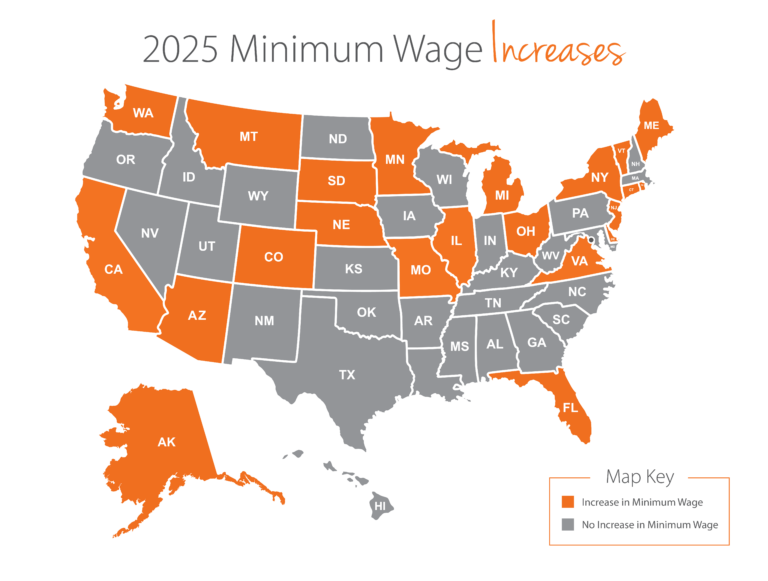
While the minimum wage in Texas has remained static at $7.25 per hour for over a decade, discussions and potential legislative actions regarding minimum wage adjustments are ongoing at both federal and state levels across the United States. It is prudent for travelers and residents alike to stay informed about any potential changes that may come into effect in 2025 or beyond.
Federal Minimum Wage Discussions
The federal minimum wage is a recurring topic of discussion among lawmakers. Proposals to increase the federal minimum wage have been put forth in recent years, often citing the need to address inflation and ensure a livable wage for American workers. Should any federal legislation to raise the minimum wage be passed and signed into law, it would automatically apply to Texas, as there is no state-specific higher minimum wage to supersede it. Such a change would undoubtedly have a ripple effect across the Texas economy, potentially impacting labor costs for businesses and the disposable income of lower-wage workers.
State-Level Advocacy and Potential Initiatives
While Texas currently does not have its own minimum wage law, there are advocacy groups and movements that periodically call for the establishment of a higher state minimum wage. These efforts often highlight the rising cost of living and the inadequacy of the current federal rate to provide a basic standard of living. Should any legislative initiatives gain traction at the state level in Texas to introduce or increase a minimum wage, it would represent a significant shift in the state’s economic policy. For travelers and those planning extended stays, awareness of these potential developments is crucial for understanding the evolving economic landscape of Texas.
Planning for Uncertainty
Given the ongoing dialogue surrounding minimum wage adjustments, it is advisable for travelers and individuals planning longer stays to factor in potential economic shifts. While specific predictions for 2025 are speculative, staying informed through reputable news sources and official government channels will provide the most accurate and up-to-date information. The economic vitality of Texas, from its robust energy sector to its growing technology hubs like Austin, continues to attract visitors and residents. Understanding the foundational elements of its economy, including the minimum wage, offers a more comprehensive perspective on the Lone Star State.
Navigating Texas with Economic Awareness
Understanding the minimum wage in Texas for 2025, primarily pegged at the federal $7.25 per hour, offers a valuable lens through which to view the state’s economy. For travelers, this insight can inform budget planning, provide context for the cost of services, and deepen appreciation for the diverse economic tapestry of Texas. From the culinary delights of Houston to the cultural experiences in Dallas and the historical significance of sites like the San Jacinto Monument, a foundational understanding of economic factors enhances the overall travel experience.
Budgeting Tips for Texas Travelers
When planning a trip to Texas, incorporating knowledge about the minimum wage can subtly influence budgeting. For example, while booking accommodations through platforms like Expedia or directly with hotels such as the Omni Dallas Hotel or the Hotel ZaZa Houston, prices are generally set by market demand and competition. However, for local dining experiences, especially at family-owned restaurants or food trucks, a lower minimum wage may contribute to more affordable meal options. Tipping, given the lower cash wage for tipped employees, remains an important aspect of service industry compensation in Texas, and budgeting for tips is a customary practice for travelers. Exploring state parks like Big Bend National Park or Guadalupe Mountains National Park often involves modest entrance fees, which are less directly impacted by minimum wage fluctuations but contribute to the overall cost of exploration.
Understanding Service Industry Dynamics
The service industry, a cornerstone of tourism, is where the implications of minimum wage are most directly felt by travelers interacting with local businesses. The $7.25 per hour federal minimum wage in Texas means that many individuals working in roles such as hotel housekeeping, restaurant waiting staff, and entry-level customer service positions earn at this rate, supplemented by tips in certain sectors. This can lead to competitive pricing for services. For instance, a stay at a charming boutique hotel in the Texas Hill Country or a guided tour through the historic streets of Galveston might be priced more affordably due to lower labor overheads. Recognizing this economic reality can foster a greater sense of appreciation for the diligence and hard work of individuals in these service roles.
Preparing for Extended Stays or Relocation
For those contemplating longer durations in Texas, whether for work, study, or personal reasons, the minimum wage serves as a foundational economic indicator. While professional salaries and specialized skills often command higher wages, understanding the minimum wage provides insight into the broader economic framework and the cost of living for a segment of the population. Texas’s diverse economic landscape, with major hubs like Austin attracting a skilled workforce and areas like the Rio Grande Valley presenting different economic opportunities, means that local conditions can vary. Researching specific cost of living indices, rental markets, and job opportunities pertinent to one’s field will offer a more complete picture than minimum wage alone. Nevertheless, being aware of the baseline wage sets a crucial context for understanding economic accessibility within the Lone Star State.
LifeOutOfTheBox is a participant in the Amazon Services LLC Associates Program, an affiliate advertising program designed to provide a means for sites to earn advertising fees by advertising and linking to Amazon.com. Amazon, the Amazon logo, AmazonSupply, and the AmazonSupply logo are trademarks of Amazon.com, Inc. or its affiliates. As an Amazon Associate we earn affiliate commissions from qualifying purchases.