
The intricate world of construction and commerce in Texas often hinges on trust and financial security. For those navigating the state’s vibrant economic landscape, understanding the role of surety bonds is paramount. These financial instruments serve as a crucial cornerstone, protecting parties involved in contracts and ensuring that obligations are met. In essence, a surety bond is a three-party agreement that guarantees the performance of one party to another, with a third party backing that guarantee.
Understanding the Three Parties of a Surety Bond
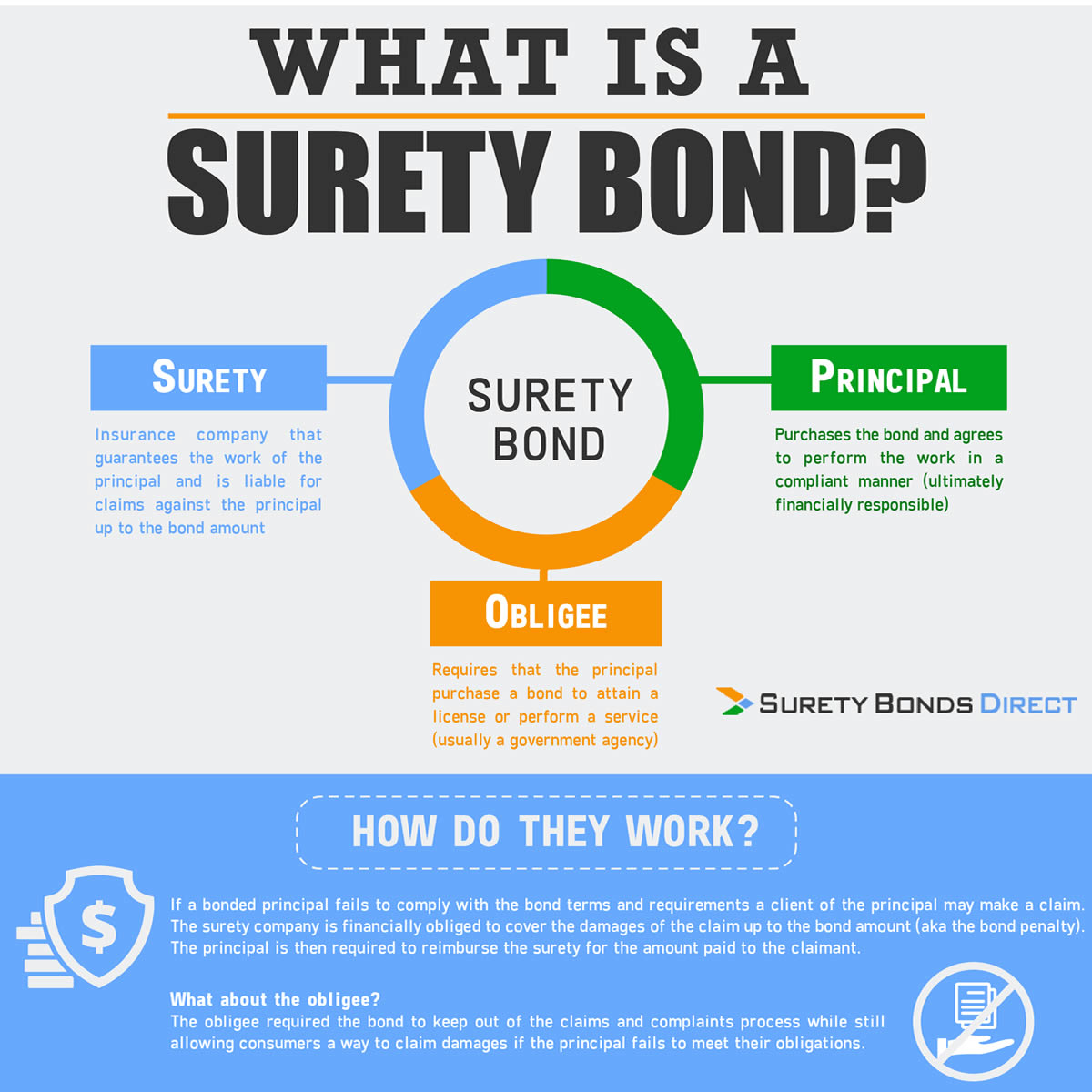
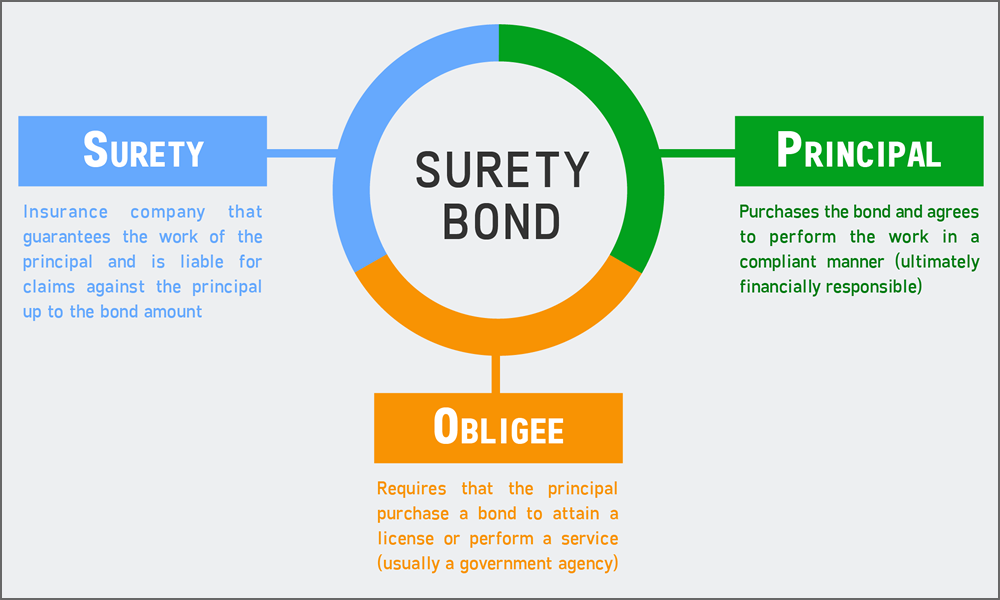
At its core, a surety bond involves a tripartite relationship, each with distinct roles and responsibilities. This structure is fundamental to the surety process and ensures accountability.
The Principal
The principal is the party who is required to obtain the surety bond. This is typically a contractor, business, or individual entering into an agreement where a guarantee of performance or payment is needed. For example, a construction company bidding on a large public works project will likely be required by the obligee to secure a bid bond, performance bond, and payment bond. The principal is the one who assumes the primary obligation under the contract and therefore bears the responsibility for fulfilling it. If the principal fails to meet their contractual obligations, the surety company steps in.
The Obligee
The obligee is the party who requires the surety bond. This entity is protected by the bond and receives financial assurance that the principal will perform as agreed. In many cases, the obligee is a government entity, such as a state or local agency overseeing a public project. However, obligees can also be private individuals or companies. For instance, a homeowner hiring a contractor for a significant renovation might require a performance bond to ensure the work is completed to specifications. The obligee has the right to make a claim against the bond if the principal defaults on their obligations.
The Surety
The surety is the insurance company or financial institution that issues the bond and guarantees the principal’s performance. The surety underwrites the bond, assessing the principal’s financial strength, character, and capacity to fulfill the contractual obligations. If the principal fails to perform and the obligee makes a valid claim, the surety will compensate the obligee for any losses incurred, up to the penal sum of the bond. Crucially, while the surety guarantees performance, they are not obligated to pay if the principal has fulfilled all their duties. The surety also has recourse against the principal for any losses they incur due to a claim.
Types of Surety Bonds in Texas
Texas businesses, particularly those in construction and specific regulated industries, encounter various types of surety bonds. Each serves a unique purpose in providing financial security and ensuring compliance.
Contract Bonds
Contract bonds are the most common type of surety bond and are predominantly used in the construction industry. They guarantee that a contractor will fulfill the terms of a construction contract. These bonds provide significant protection for the project owner, often a government entity or a private developer.
Bid Bonds
A bid bond ensures that a contractor who submits a bid for a project will enter into the contract if their bid is accepted. It protects the obligee from having to re-bid the project if the winning bidder withdraws or refuses to sign the contract. The bid bond is typically for a percentage of the bid amount, often 10%. If the principal fails to enter into the contract, the bid bond will pay the difference between the principal’s bid and the next lowest responsible bid, or the penal sum of the bond, whichever is less.
Performance Bonds
A performance bond guarantees that the principal will complete the project according to the terms and specifications outlined in the contract. If the contractor defaults or fails to complete the work satisfactorily, the obligee can file a claim against the performance bond to cover the costs of hiring another contractor to finish the job. This bond is essential for large-scale projects, providing assurance that the investment will yield the intended results.
Payment Bonds
A payment bond ensures that the principal will pay all subcontractors, laborers, and material suppliers who have contributed to the project. This protects these third parties from non-payment by the general contractor. If the principal fails to pay these parties, they can file a claim against the payment bond, and the surety will ensure they receive their due compensation. This is particularly important in public projects where mechanisms for protecting these entities are vital.
Maintenance Bonds
A maintenance bond guarantees that the contractor will repair or rectify any defects in the work that arise during a specified warranty period after the project is completed. This ensures the quality and durability of the finished product over time.
Commercial Bonds
Commercial bonds, also known as miscellaneous bonds, are required for a wider range of businesses and individuals to comply with state or local licensing and regulatory requirements. They are not typically related to construction contracts but rather to business operations and consumer protection.
License and Permit Bonds
Many professions and businesses in Texas are required by regulatory bodies to obtain license and permit bonds. These bonds guarantee that the licensee will operate their business in accordance with applicable laws and regulations. Examples include bonds for contractors (separate from contract bonds), auto dealers, pawnshops, debt collectors, and notaries public. If a licensee violates regulations and causes financial harm to a consumer or the state, a claim can be made against the bond.
Fidelity Bonds
Fidelity bonds protect businesses from financial losses caused by dishonest or fraudulent acts of their employees. These acts can include theft, embezzlement, forgery, or misappropriation of funds. While not a bond taken out by the business for a third party, it’s a crucial protection for the business owner against internal risks.
Court Bonds
Court bonds are required in judicial proceedings. They guarantee that a party will fulfill their legal obligations as ordered by the court. There are two main categories:
- Judicial Bonds: These are required in litigation, such as probate bonds (for executors or administrators of estates), guardianship bonds (for guardians of minors or incapacitated adults), and appeal bonds (to cover potential losses if an appeal is unsuccessful).
- Fiduciary Bonds: Similar to judicial bonds, these guarantee the faithful performance of duties by a fiduciary appointed by the court.
The Surety Bond Process in Texas
Obtaining a surety bond in Texas involves a structured application and underwriting process to ensure that the principal is a reliable entity.
Application and Underwriting
The process begins with the principal submitting a detailed application to a surety company or an insurance agency that specializes in surety bonds. This application will require extensive information about the principal’s business, including financial statements, business history, resumes of key personnel, and details about the contract or license for which the bond is required. The surety underwriter will thoroughly review this information to assess the principal’s:
- Character: The principal’s reputation, integrity, and business ethics.
- Capacity: The principal’s experience, expertise, and operational capabilities to fulfill the obligation.
- Capital: The principal’s financial resources, including assets, liabilities, and cash flow, to withstand potential financial challenges.
The underwriter’s goal is to determine the likelihood of the principal defaulting on their obligations. This assessment helps the surety decide whether to issue the bond and at what premium.
Premium Calculation
The premium is the cost of the surety bond, paid by the principal to the surety company. It is not an insurance premium in the traditional sense, as the surety bond is not designed to cover the principal’s losses. Instead, it’s a fee for the surety’s guarantee. The premium is typically a small percentage of the bond’s penal sum and is influenced by factors such as the type of bond, the bond amount, the principal’s financial strength, and the perceived risk of the obligation. For instance, a contractor with a strong financial history and a proven track record will likely pay a lower premium than a new business with less established creditworthiness. Premiums can range from less than 1% to several percent of the bond amount.
Issuance and Claim Procedures
Once the underwriting is complete and the premium is paid, the surety company will issue the bond. This bond is then provided to the obligee. If the principal fails to meet their contractual or legal obligations, the obligee can file a claim with the surety. The surety will investigate the claim thoroughly. If the claim is found to be valid, the surety will typically pay the obligee the amount specified in the bond, up to the bond’s limit. Importantly, the surety then seeks reimbursement from the principal for any amounts paid out, often based on an indemnity agreement signed by the principal during the application process. This indemnity agreement means that while the surety provides the financial backing, the ultimate financial responsibility for fulfilling the obligation rests with the principal.

The Importance of Surety Bonds in Texas Commerce
Surety bonds are indispensable in Texas for fostering trust and facilitating commerce across various sectors. They offer a robust framework of financial protection and accountability, benefiting not only the parties directly involved in a contract but also the broader economy and the public interest.
For contractors, securing surety bonds is often a prerequisite for bidding on public and private projects. This requirement ensures that only financially sound and competent businesses can undertake significant work, safeguarding project owners from financial losses and project delays. The availability of performance and payment bonds on construction sites, from the grandest infrastructure projects in Houston to smaller commercial developments, instills confidence in investors and stakeholders.
Beyond construction, license and permit bonds play a vital role in consumer protection. By requiring businesses in regulated industries to be bonded, Texas establishes a financial safety net for consumers who might otherwise have little recourse against unscrupulous operators. Whether it’s a telecommunications provider, a real estate agent, or a towing company, the surety bond acts as a deterrent against malfeasance and a source of compensation should violations occur.
In essence, surety bonds in Texas are more than just financial instruments; they are facilitators of trust, guarantors of performance, and protectors of economic integrity. Understanding their function is crucial for businesses looking to grow, for individuals seeking reliable service providers, and for public entities aiming to ensure the successful completion of vital projects. They are an integral part of the state’s robust commercial ecosystem, underpinning growth and providing essential security in a dynamic marketplace.
LifeOutOfTheBox is a participant in the Amazon Services LLC Associates Program, an affiliate advertising program designed to provide a means for sites to earn advertising fees by advertising and linking to Amazon.com. Amazon, the Amazon logo, AmazonSupply, and the AmazonSupply logo are trademarks of Amazon.com, Inc. or its affiliates. As an Amazon Associate we earn affiliate commissions from qualifying purchases.