
For many Texans and visitors alike, the annual Tax Free Weekend in Texas is a highly anticipated event, offering a golden opportunity to save money on essential purchases and prepare for upcoming seasons without the added burden of state sales tax. This designated period, typically held in late summer, is a strategic initiative by the state to encourage consumer spending and provide a welcome break from the usual retail costs. Understanding the nuances of this event, from its specific dates to the wide array of eligible items, can significantly enhance your shopping experience and maximize your savings.
Understanding the Texas Sales Tax Holiday
The concept of a “Tax Free Weekend” is not unique to Texas; many other states offer similar incentives. In Texas, this event is officially known as the Sales and Use Tax Holiday for energy-efficient appliances and for diapers and clothing. It is a specific period where eligible items are exempt from the state’s 6.25% sales tax, and local jurisdictions can also opt out of their portion of the sales tax, potentially leading to even greater savings.
The primary goal of this holiday is to stimulate the economy by encouraging residents to make purchases they might otherwise defer. It’s particularly beneficial for families stocking up on back-to-school essentials, individuals looking to upgrade their home appliances, or anyone planning significant purchases. The state carefully selects the items eligible for exemption to align with specific consumer needs and economic objectives.
When Does Tax Free Weekend Happen?
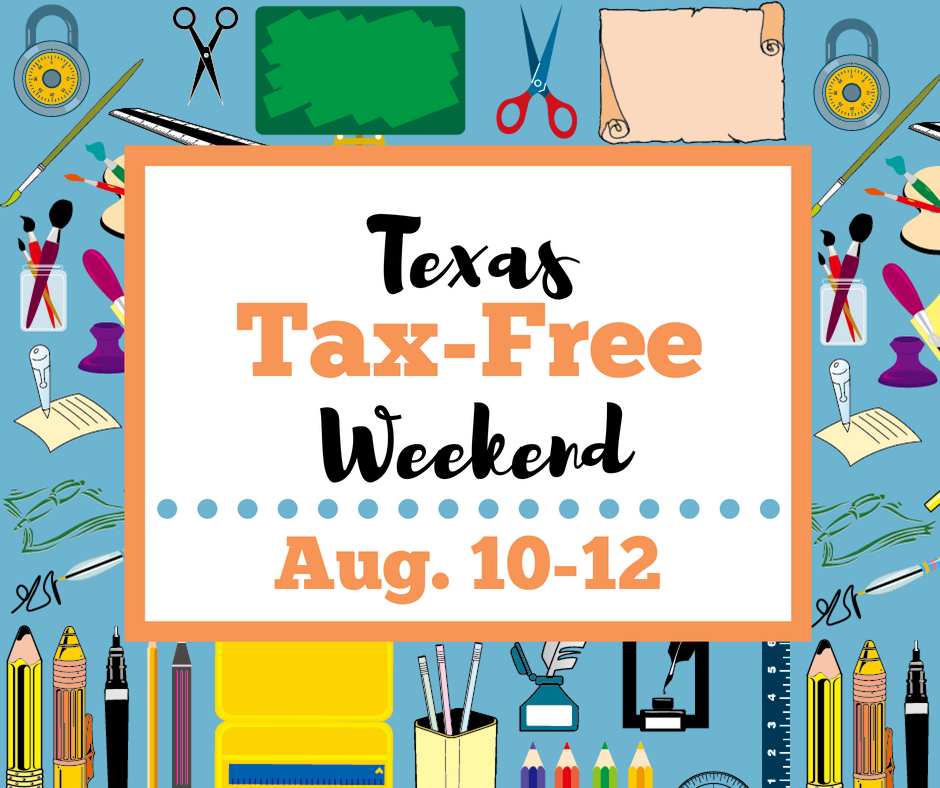
The dates for the Texas Tax Free Weekend are set by law and typically occur on the last weekend of August, running from Friday through Sunday. However, it is crucial to verify the exact dates each year, as they are subject to legislative changes or specific proclamations. For instance, in recent years, the holiday has consistently fallen on the third weekend of August. Planning your shopping around these specific days is essential to take advantage of the tax savings.
Who Benefits from Tax Free Weekend?
The benefits of Texas’s Tax Free Weekend extend to a broad spectrum of consumers:
- Families: It’s an ideal time to purchase back-to-school clothing, shoes, and school supplies without paying sales tax, easing the financial strain of preparing children for the academic year.
- Homeowners: Those looking to upgrade or replace appliances can find significant savings on qualifying energy-efficient models. This can range from refrigerators and dishwashers to air conditioners and ceiling fans.
- Individuals: Anyone needing new clothing, shoes, or specific types of apparel can benefit. It’s also a good time to consider purchases of diapers for infants and toddlers.
- Businesses: While primarily aimed at consumers, businesses that sell the eligible items also see a boost in sales during this period.
Eligible Items and Purchase Limits
The scope of items exempt from sales tax during the Texas Tax Free Weekend is carefully defined. Understanding these categories ensures that your shopping efforts are focused and that you don’t miss out on potential savings.
Clothing and Footwear
This is perhaps the most popular category for the Tax Free Weekend. The exemption applies to most types of clothing and footwear designed for everyday use.
- What’s Included: This generally covers items like shirts, pants, dresses, skirts, shorts, jeans, sweaters, coats, jackets, pajamas, underwear, socks, and hats. For footwear, it includes shoes, boots, sandals, and sneakers. The key criterion is that the item must be less than $100 to qualify.
- What’s Not Included: Certain items are specifically excluded, such as:
- Costumes or formal wear intended for special occasions.
- Sports equipment or athletic shoes used for specific athletic activities (e.g., cleats, ballet slippers).
- Accessories like belts, scarves, jewelry, or handbags.
- Items used for professional athletic performance.
- Protective equipment like helmets or pads.
- Specialty clothing like diapers or adult-sized disposable absorbent underwear.
Diapers
A significant addition to the list of tax-exempt items includes diapers. This is a crucial exemption for parents and caregivers, as diapers represent a recurring and often substantial expense.
- What’s Included: This category covers both disposable and reusable diapers for infants and toddlers. It also extends to adult-sized disposable absorbent underwear.
- What’s Not Included: Items such as diaper covers, training pants, or bibs are typically not included in this exemption.
School Supplies
While not a dedicated “school supply” tax holiday as in some other states, Texas does include certain school-related items under a broader definition of clothing or related accessories, and more broadly, under the general exemption for items used in a trade or business, which can sometimes encompass specific supplies. However, the primary focus for a tax-free shopping spree related to back-to-school often centers on the clothing and footwear categories. It’s important to consult the official guidance from the Texas Comptroller of Public Accounts for the most precise definitions of what qualifies. Historically, the focus has been less on broad school supplies and more on clothing and footwear for students.
Energy-Efficient Appliances
This category offers substantial savings for homeowners looking to upgrade their appliances. The exemption is for appliances that meet certain energy-efficiency standards set by the U.S. Department of Energy and have earned the ENERGY STAR label.
- What’s Included: This can include a wide range of appliances such as refrigerators, clothes washers, dishwashers, clothes dryers, and ceiling fans. The exemption for these items is typically up to $1,500 per item.
- What’s Not Included: Appliances that do not meet the specified energy-efficiency criteria or are not ENERGY STAR certified are not eligible. This also excludes certain specialized equipment or commercial-grade appliances. Air conditioners and water heaters also have specific criteria and may or may not be included depending on their energy efficiency ratings and the specific legislation in effect for that year.

Limitations and Special Considerations
It’s important to note that there are overall purchase limits for certain categories. For example, clothing and footwear under $100 are exempt, but this limit applies per item. Energy-efficient appliances have a higher per-item exemption limit of $1,500.
Furthermore, the exemption applies to in-state purchases only. If you order items online from a retailer located outside of Texas, you will likely be responsible for paying sales tax to your home state, even if the retailer offers a “tax free” promotion. Purchases made from Texas-based online retailers will be subject to the Tax Free Weekend rules.
Layaway plans and mail orders can be tricky. Generally, for layaway, the item is taxed at the rate in effect when the final payment is made. For mail orders, the tax is typically based on the shipping destination. It’s always best to clarify these details with the retailer.
Maximizing Your Savings During Tax Free Weekend
To make the most of Texas’s Tax Free Weekend, strategic planning and informed decision-making are key. Here are some tips to ensure you maximize your savings:
1. Research and Create a Shopping List
Before the weekend begins, identify exactly what you need. For back-to-school, this might involve going through your children’s wardrobes and noting down necessary clothing and shoe sizes. For home improvements, research specific energy-efficient appliances that fit your needs and budget. Create a detailed list, prioritizing essential items. This prevents impulse buying and ensures you focus on tax-exempt purchases.
2. Check Retailer Promotions
Many retailers, both large chains and local boutiques, offer additional discounts and promotions during Tax Free Weekend to capitalize on the increased foot traffic and consumer interest. Look for sales, coupons, and loyalty program benefits that can be combined with the tax savings. Websites and flyers from stores like Walmart, Target, and local department stores often advertise their specific deals.
3. Understand the Specific Tax Laws
While this article provides a general overview, the official guidance from the Texas Comptroller of Public Accounts is the definitive source for understanding eligible items and any limitations. Bookmark their website and review the most current information for the upcoming Tax Free Weekend. This will prevent any confusion at the checkout counter and ensure you are aware of any subtle changes or specific interpretations of the law.
4. Shop Early or Late
The Tax Free Weekend can be a very busy period, with stores experiencing high customer volume. To avoid crowds and ensure you find the items you need, consider shopping early on Friday morning or later in the day on Sunday. This can lead to a more relaxed shopping experience and a better selection of merchandise.
5. Consider Online Shopping from Texas Retailers
If you prefer shopping from the comfort of your home, you can still take advantage of the Tax Free Weekend by shopping with Texas-based online retailers. Ensure the retailer is located within the state, as purchases shipped from out-of-state are generally subject to sales tax regardless of the holiday.
6. Bundle Purchases Strategically
If you are planning multiple purchases, try to bundle them efficiently. For instance, if you need several clothing items, aim to purchase them all at once to streamline the checkout process. For appliances, ensure your total purchase for eligible items falls within the specified limits.
The Economic Impact and Future of Tax Free Weekend
The Tax Free Weekend in Texas is more than just a shopping event; it’s a carefully orchestrated economic stimulus tool. By temporarily removing the state sales tax, the government aims to achieve several objectives:
- Boost Consumer Spending: The primary goal is to encourage Texans to spend more money, thereby supporting local businesses and driving economic growth. This is particularly impactful during times when consumer confidence might be wavering.
- Support Specific Sectors: By focusing on categories like clothing, footwear, diapers, and energy-efficient appliances, the state can indirectly support manufacturers, distributors, and retailers in these sectors. The emphasis on energy-efficient appliances also aligns with broader environmental goals.
- Provide Relief to Households: For families, especially those with tight budgets, the savings can be significant, freeing up funds for other necessities or discretionary spending.
The effectiveness of Tax Free Weekends is a subject of ongoing debate among economists. Some studies suggest that the event may not significantly increase overall consumer spending but rather shift spending from other times of the year. Others argue that it provides a welcome, albeit temporary, relief and boosts sales for specific retailers.
Regardless of the macro-economic debate, for individual consumers in Texas, the Tax Free Weekend remains a tangible benefit. It offers a clear opportunity to reduce the cost of essential goods and make planned purchases more affordable. As long as the legislation remains in place, it will continue to be a notable date on the calendar for shoppers across the Lone Star State, from the bustling streets of Dallas to the vibrant markets of Houston. Keeping abreast of the official guidelines and planning accordingly will ensure you are well-prepared to take advantage of this valuable savings opportunity.
LifeOutOfTheBox is a participant in the Amazon Services LLC Associates Program, an affiliate advertising program designed to provide a means for sites to earn advertising fees by advertising and linking to Amazon.com. Amazon, the Amazon logo, AmazonSupply, and the AmazonSupply logo are trademarks of Amazon.com, Inc. or its affiliates. As an Amazon Associate we earn affiliate commissions from qualifying purchases.