
The phrase “Texas Animal” evokes a powerful image, conjuring notions of ruggedness, resilience, and a spirit as vast as the Lone Star State itself. While not a single, formally defined species, “Texas Animal” serves as a potent descriptor for the diverse and iconic wildlife that calls Texas home. It encompasses the creatures that have adapted to its varied landscapes, from the arid deserts of West Texas to the lush Piney Woods of the east, the sprawling prairies, and the Gulf Coast. Understanding the “Texas Animal” is to delve into the natural heritage of this unique American state, exploring its most recognizable inhabitants and the ecological tapestry they weave.

The Majestic Icons: Symbols of the Wild West
When one thinks of a “Texas Animal,” certain species immediately spring to mind, embodying the state’s wild spirit and historical significance. These are the creatures that have not only survived but thrived in the Texan environment, often becoming potent symbols of its rugged beauty and untamed frontier.
The Texas Longhorn: A Living Legend
Perhaps no animal is more intrinsically linked to the image of Texas than the Texas Longhorn. This hardy breed of cattle, characterized by its impressive, sprawling horns, is a direct descendant of the Spanish cattle brought to the Americas by explorers centuries ago. Their ability to flourish in the harsh, semi-arid conditions of Texas made them indispensable to the early settlers and the cattle drives that defined the state’s early economy.
The Texas Longhorn is more than just livestock; it’s a living monument to Texas history. Their resilience, adaptability, and distinctive appearance have made them a beloved icon. Today, these magnificent animals can be found grazing in ranches across the state, often protected and celebrated for their heritage. Visiting a ranch that maintains a herd of Texas Longhorns offers a tangible connection to the state’s past and a chance to witness these majestic creatures in their natural element. Many dude ranches and historical sites in Texas feature these iconic bovines, providing visitors with an authentic glimpse into the era of the great cattle drives.
The American Bison: Roaming the Plains
Another powerful symbol of the wild American West, and by extension, Texas, is the American Bison, often mistakenly called buffalo. Once numbering in the tens of millions across North America, their populations were drastically reduced by the 19th century. However, dedicated conservation efforts have helped to re-establish herds in various parts of the country, including Texas.
In Texas, one can find American Bison roaming in protected areas like the Caprock Canyon State Park & Trailway in Quitaque. Witnessing a herd of these massive, shaggy creatures in their natural habitat is a profound experience, evoking a sense of the raw, untamed wilderness that once dominated the landscape. The sheer size and power of the bison are awe-inspiring, and their presence serves as a reminder of the ecological grandeur that Texas once held and continues to strive to preserve. These parks offer guided tours and viewing areas, allowing visitors to observe these magnificent animals responsibly.
The Armadillo: A Peculiar Resident
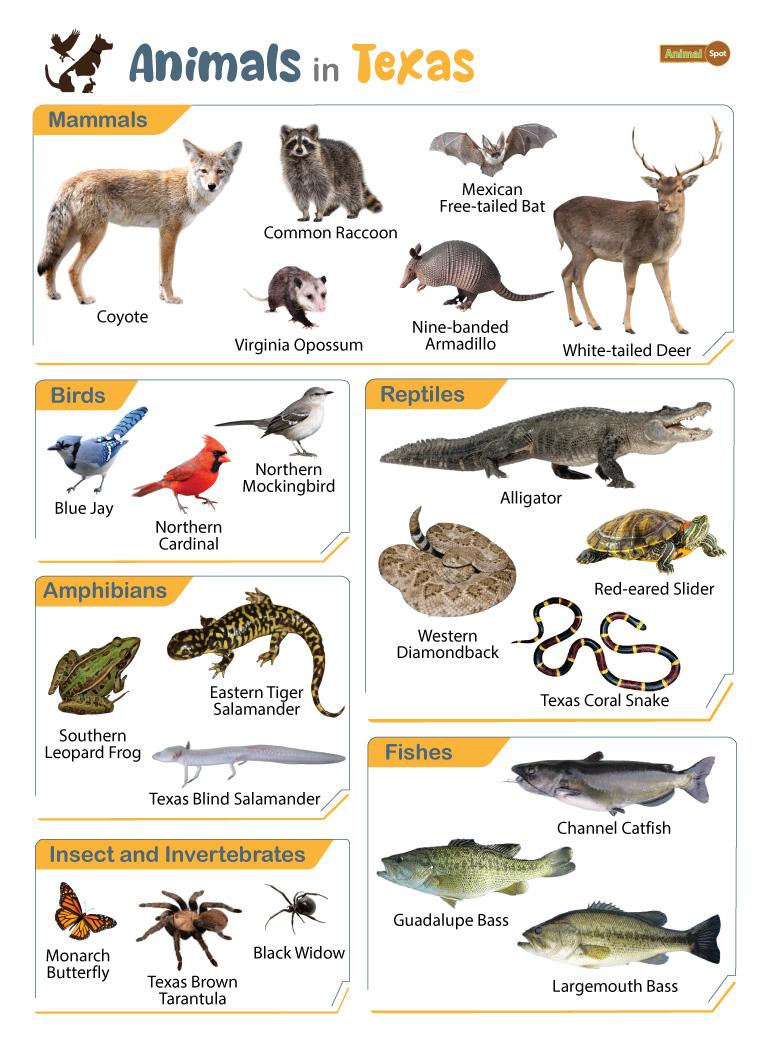
While perhaps not as grand as the Longhorn or the Bison, the nine-banded armadillo has become a surprisingly ubiquitous and beloved “Texas Animal.” These peculiar, armored mammals are native to South America but have successfully expanded their range northward into Texas and beyond.
Their unique appearance, with the flexible bony plates covering their bodies, makes them instantly recognizable. Armadillos are primarily nocturnal and are often seen foraging for insects in gardens and fields, sometimes at surprising speeds when startled. Their presence is a common sight across much of Texas, adding a touch of quirky charm to the state’s diverse fauna. While they may not be as majestic, they are undeniably a quintessential part of the Texan animal kingdom. Observing them, particularly at dawn or dusk, can be a delightful experience for any nature enthusiast.
The Predators and Prey: A Dynamic Ecosystem
Beyond the iconic symbols, the “Texas Animal” also includes the intricate web of predators and prey that forms the foundation of the state’s diverse ecosystems. This dynamic interplay between hunter and hunted is crucial for maintaining ecological balance and showcases the resilience and adaptability of wildlife in various Texan habitats.
The Coyote: The Adaptable Survivor
The Coyote is one of the most widespread and adaptable carnivores in Texas. These intelligent canids have successfully colonized nearly every habitat in the state, from urban fringes to remote wilderness areas. Their opportunistic nature allows them to feed on a variety of prey, including rodents, rabbits, insects, and even carrion, making them highly successful survivors.
The presence of coyotes is a testament to the resilience of nature. While sometimes viewed as a nuisance by ranchers, they play a vital role in controlling populations of smaller mammals. Their distinctive howls at dusk and dawn are a familiar sound across the Texan landscape, a constant reminder of the wildness that persists even in developed areas. Understanding their ecological role is key to appreciating their presence.
The White-Tailed Deer: A Ubiquitous Grazer
The White-tailed Deer is perhaps the most common large mammal found throughout Texas. These graceful herbivores are a familiar sight in forests, fields, and even suburban neighborhoods. Their adaptability to various environments and their ability to reproduce successfully have led to robust populations across the state.

For many Texans, spotting a herd of white-tailed deer is a common occurrence, a gentle reminder of the natural world coexisting with human settlements. They are a primary food source for larger predators and play a significant role in shaping vegetation through their grazing habits. Wildlife management efforts often focus on maintaining healthy deer populations for ecological balance and for recreational hunting.
The Bobcat and Mountain Lion: Elusive Hunters
The more elusive predators of Texas include the Bobcat and the Mountain Lion (also known as the cougar or puma). These magnificent cats are adept hunters, playing a crucial role in controlling populations of deer, rabbits, and rodents.
The Bobcat, with its distinctive tufted ears and short tail, is more commonly encountered, though still often at a distance due to its stealthy nature. The Mountain Lion, on the other hand, is far rarer and more elusive, inhabiting the more remote and rugged areas of Texas, particularly in the western and southern parts of the state. Sightings are infrequent, and their presence is a sign of a healthy, intact ecosystem. Conservation efforts aim to protect the habitats these apex predators need to thrive.
The Feathered and Finned: Diversity from Sky to Sea
The “Texas Animal” extends beyond mammals to encompass an astonishing array of birds and aquatic life, showcasing the state’s rich biodiversity. From the vast skies of the Panhandle to the vibrant waters of the Gulf Coast, Texas teems with life.
Birds of Prey: Guardians of the Sky
Texas is a haven for numerous species of birds of prey. The unmistakable silhouette of a Red-tailed Hawk soaring overhead is a common sight, as are the elegant flights of various eagle and falcon species. The majestic Bald Eagle can be found near larger bodies of water, a powerful symbol of American wildlife.
The state’s diverse habitats provide essential nesting and hunting grounds for these raptors. Birdwatching is a popular pastime in Texas, with opportunities to observe a wide variety of avian species, including migratory birds that utilize the state’s flyways. Locations like the Aransas National Wildlife Refuge are renowned for their populations of whooping cranes and other significant bird species.
Marine Life of the Gulf Coast
Along the Texas coastline, a vibrant marine ecosystem thrives. The Gulf of Mexico is home to a diverse array of fish, including popular game species like red snapper and speckled trout. Dolphin pods can often be seen playing in the surf, and sea turtles nest on the sandy beaches.
Fishing and eco-tourism are significant draws to the Texas coast. Boat tours and fishing charters offer visitors the chance to experience the marine life firsthand. Protecting these coastal habitats is crucial for the survival of many species, including endangered sea turtles that rely on the Texas coast for their life cycle.
Freshwater Inhabitants: Rivers and Lakes
Texas’s extensive network of rivers, lakes, and reservoirs supports a rich freshwater ecosystem. Alligators are a notable resident of the state’s waterways, particularly in the eastern and coastal regions. Their presence is a sign of a healthy wetland environment.
Various species of fish, amphibians, and reptiles inhabit these freshwater systems, contributing to the overall biodiversity of Texas. For outdoor enthusiasts, these waterways offer opportunities for fishing, boating, and wildlife observation, providing a different perspective on the “Texas Animal” experience.
Conservation and the Future of Texas Wildlife
The concept of the “Texas Animal” is not static; it is a living testament to the state’s natural heritage, which is continually shaped by environmental changes and human influence. Conservation efforts play a critical role in ensuring the survival of these species for future generations.
Protecting Natural Habitats
The diverse landscapes of Texas, from the Big Bend National Park in the west to the East Texas Piney Woods, are essential for supporting their unique wildlife. Protecting these natural habitats through the establishment of parks, wildlife refuges, and conservation easements is paramount. These protected areas provide safe havens for animals to breed, feed, and thrive, free from human encroachment and disturbance.
Challenges and Opportunities
As Texas continues to grow, wildlife faces increasing challenges from habitat loss and fragmentation. However, there are also numerous opportunities for coexistence and conservation. Educational initiatives, responsible land management practices, and ongoing research are vital for understanding and protecting the “Texas Animal” in its many forms. Supporting organizations dedicated to wildlife conservation and making conscious choices as residents and visitors can all contribute to the long-term health of Texas’s remarkable animal kingdom. The spirit of the “Texas Animal” is one of endurance, and with continued dedication to conservation, its legacy will undoubtedly persist.
LifeOutOfTheBox is a participant in the Amazon Services LLC Associates Program, an affiliate advertising program designed to provide a means for sites to earn advertising fees by advertising and linking to Amazon.com. Amazon, the Amazon logo, AmazonSupply, and the AmazonSupply logo are trademarks of Amazon.com, Inc. or its affiliates. As an Amazon Associate we earn affiliate commissions from qualifying purchases.