
Understanding the economic landscape of a city is crucial for anyone considering a visit, a relocation, or even just wanting to grasp the pulse of its community. For Houston, Texas, a sprawling metropolis known for its diverse economy and vibrant culture, the minimum wage is a significant factor influencing both residents and the local business environment. While Texas has a state-level minimum wage, Houston, like other cities, operates within this framework, but its specific economic conditions can create unique dynamics. This exploration delves into the current minimum wage in Houston, its implications, and how it interacts with the broader context of Texas labor laws and the city’s economic vitality.
The Federal and State Minimum Wage Framework
The foundation of minimum wage discussions in the United States rests on federal legislation, primarily the Fair Labor Standards Act (FLSA). This act establishes a national minimum wage that all employers covered by its provisions must adhere to. For Texas, this means the state abides by the federal minimum wage unless it enacts a higher state-specific rate.
Federal Minimum Wage: A Baseline for Texas
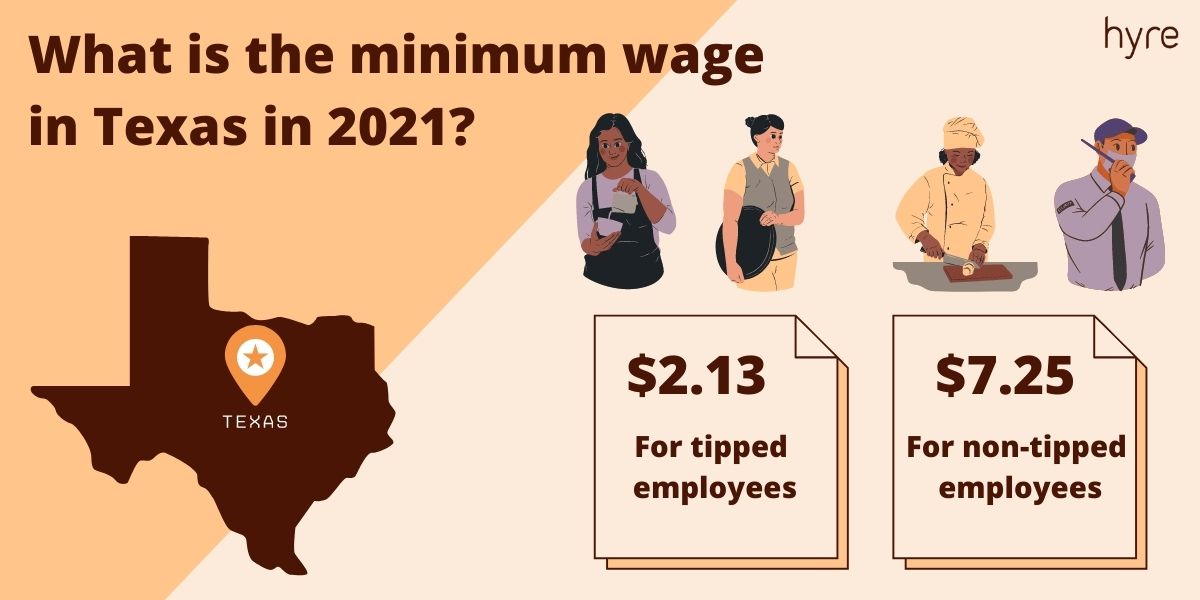
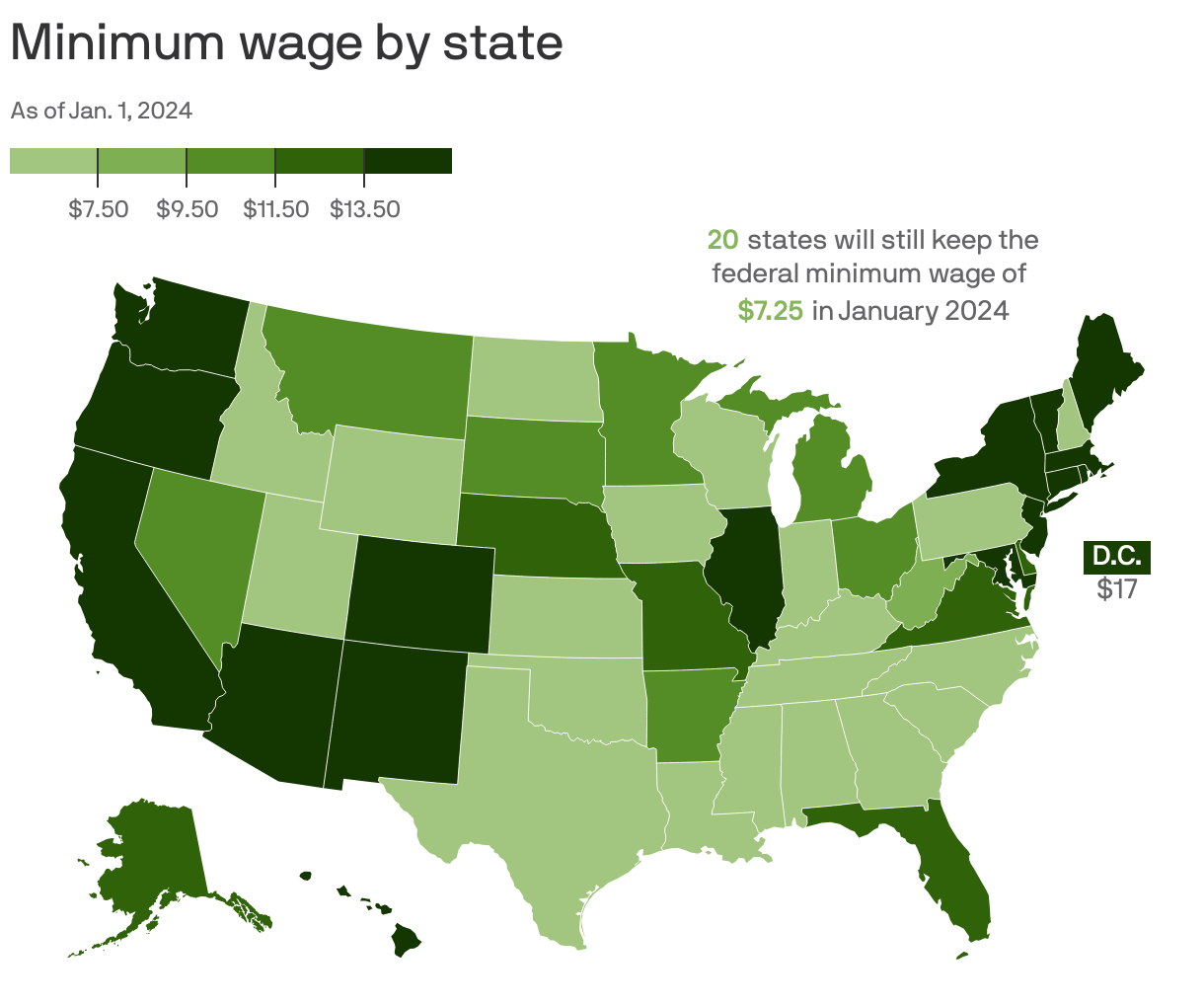
As of the latest federal updates, the minimum wage in the United States stands at $7.25 per hour. This rate applies to most non-exempt employees across the nation. Texas has not established a state minimum wage that exceeds this federal standard. Therefore, for employers in Houston and across Texas, the federal minimum wage of $7.25 per hour is the legally mandated baseline. This means that any business operating within Houston that is subject to the FLSA must pay its employees at least $7.25 per hour for covered work.
The Absence of a Higher State Minimum Wage
Unlike some other states that have opted to set their minimum wage rates higher than the federal level to better reflect local costs of living and economic conditions, Texas has consistently followed the federal rate. This decision has been a subject of ongoing debate, with proponents of a higher minimum wage arguing it would boost consumer spending and reduce poverty, while opponents express concerns about potential job losses and increased business costs, particularly for small businesses. For Houston, a city with a dynamic and varied economy, this lack of a state-mandated higher wage means that the $7.25 per hour rate is the legal floor for many workers.
Minimum Wage in Houston: Beyond the Legal Floor
While $7.25 per hour is the legal minimum, the reality of wages in Houston is often more complex. The city’s robust economy, driven by sectors like energy, healthcare, and aerospace, frequently results in wages that are higher than the statutory minimum. Several factors contribute to this disparity between the legal minimum and the actual prevailing wages.
Market Forces and Industry Demand
The principle of supply and demand plays a significant role in wage setting. In Houston, industries with high demand for labor, particularly those requiring specialized skills, tend to offer wages well above the minimum. For entry-level positions or in sectors with a surplus of available workers, the minimum wage might be more closely reflected. However, the competitive nature of Houston’s job market often incentivizes employers to offer more attractive compensation packages to recruit and retain talent. This can lead to a de facto higher minimum wage in practice for many job categories, even if the legal minimum remains at $7.25 per hour.
Tipped Employees: A Different Calculation
A crucial distinction in minimum wage law pertains to tipped employees, such as servers and bartenders in Houston’s many restaurants and bars. The FLSA allows employers to pay a lower direct cash wage to tipped employees, provided that the tips they receive, when added to the direct wage, equal or exceed the standard minimum wage.
The Tipped Minimum Wage in Texas
In Texas, the cash wage that employers can pay to tipped employees is $2.13 per hour. This rate, when combined with the tips earned by the employee, must total at least $7.25 per hour. If an employee’s tips, combined with the cash wage, do not reach $7.25 per hour, the employer is legally obligated to make up the difference. This dual minimum wage system is a common feature in states that allow for a lower cash wage for tipped workers and is a significant consideration for individuals working in hospitality roles in Houston. The success of this system heavily relies on the generosity of patrons and the consistency of customer traffic, particularly in popular dining districts around the city.
Local Ordinances and the Debate for a Higher Wage
While Texas state law does not permit cities to enact their own minimum wage ordinances that exceed the state (and by extension, federal) minimum, the discussion around a living wage and a higher minimum wage continues in many urban centers, including Houston. Advocates for a higher minimum wage in Houston often point to the rising cost of living, particularly in housing and transportation, as reasons why the current $7.25 per hour is insufficient for many individuals and families to meet their basic needs.
The Impact on Houston’s Economy and Residents
A higher minimum wage could theoretically increase the disposable income of low-wage workers, leading to greater consumer spending and potentially stimulating local businesses. This could have a positive ripple effect throughout Houston’s economy. However, concerns persist regarding the potential for businesses, especially small and medium-sized enterprises, to absorb increased labor costs. This might lead to price increases, reduced hiring, or even layoffs, which could negatively impact employment figures. The ongoing debate reflects the complex trade-offs inherent in minimum wage policy, and its resolution would have far-reaching consequences for the economic well-being of Houston’s diverse population.
Factors Influencing Wages in Houston
Beyond the legal minimum, several economic and social factors shape the wage landscape in Houston, making the effective minimum wage often higher than the legislated rate. Understanding these influences provides a more nuanced picture of earning potential in this dynamic city.
Cost of Living in Houston
The cost of living in Houston is a critical factor in determining what constitutes a livable wage. While generally considered more affordable than coastal metropolises like New York or San Francisco, Houston still presents significant expenses, particularly concerning housing. Rent and home prices have seen considerable appreciation in recent years, impacting the financial stability of lower-income residents. This rising cost of living fuels the argument for higher wages, as the $7.25 per hour federal minimum wage becomes increasingly inadequate to cover essential expenses for a growing segment of the Houston population.
Housing Affordability and its Wage Implications
Houston’s housing market, while offering a range of options, demands a substantial portion of income for many. The median rent and mortgage payments necessitate a wage that allows for more than just the bare minimum to achieve a reasonable quality of life. Consequently, employers in many sectors find themselves needing to offer wages above the legal minimum to attract and retain employees who can afford to live in and around the city. This is particularly true for industries that require a stable and committed workforce.
Labor Market Dynamics and Skill Demand
Houston’s diverse economic base, encompassing industries such as energy, healthcare, technology, and manufacturing, creates varied demands for labor. High-skilled positions in fields like petroleum engineering or advanced medical practices command significantly higher salaries. Conversely, entry-level positions in retail or food service might be closer to the minimum wage, but even these roles can see upward pressure due to competition among employers.
The Role of Major Employers and Economic Sectors
Major employers in Houston, such as those in the Texas Medical Center or the numerous energy corporations headquartered in the region, often set wage standards that influence the broader market. The demand for skilled workers in these booming sectors means that wages in those areas are generally high. This also has a spillover effect, as companies in other sectors may need to raise their wages to compete for talent, even for less specialized roles. The presence of large corporations also means a substantial number of jobs are covered by federal labor laws, making the $7.25 per hour minimum wage a relevant figure for a significant portion of the workforce.
Industry-Specific Wage Standards
Different industries within Houston have their own typical wage structures. For instance, the hospitality and retail sectors, which often employ a large number of individuals at or near minimum wage, might see more fluctuation in actual pay based on company policies and local competition. On the other hand, the technology and energy sectors are known for offering competitive salaries that far surpass the legal minimum wage. This disparity highlights the uneven impact of the minimum wage across Houston’s varied economic landscape.
Navigating the Minimum Wage in Houston for Visitors and Newcomers
For those planning a visit or considering a move to Houston, understanding the minimum wage provides context for the local economy and the cost of services. While the legal minimum wage is a point of reference, the actual cost of goods and services in Houston is influenced by the broader economic conditions and the prevailing wages paid by businesses.
Understanding Service Costs
When dining in Houston’s restaurants, utilizing transportation services, or engaging with various service industries, the wages paid to workers directly or indirectly impact the prices you encounter. While the base minimum wage for tipped employees is $2.13 per hour, the total compensation for service workers in Houston is often higher due to tips and the competitive nature of the job market. This means that while a formal minimum wage exists, the actual cost of services can reflect a more robust economy.
Impact on Local Businesses and Employment
For businesses in Houston, the minimum wage is a key consideration in their operational costs. The federal minimum wage of $7.25 per hour is a significant factor for small businesses and those in lower-margin industries. The ongoing discussions about raising the minimum wage reflect a broader societal conversation about fair compensation and economic opportunity within Houston and across Texas. This economic discussion is vital for understanding the city’s current and future development, influencing everything from local entrepreneurship to the employment prospects for residents and newcomers alike.
Resources for Understanding Wages and Employment in Houston
For individuals seeking employment or looking to understand their rights and entitlements, various resources are available. The U.S. Department of Labor provides comprehensive information on federal labor laws, including minimum wage requirements. Additionally, state labor departments and local employment agencies in Houston can offer guidance on wages, job opportunities, and worker protections. Staying informed about these resources is essential for anyone navigating the job market in this dynamic Texas city.
In conclusion, while the legal minimum wage in Houston, Texas, is set by federal law at $7.25 per hour, the city’s vibrant and diverse economy often results in actual wages that are higher. The absence of a higher state minimum wage means that the federal standard remains the baseline, but market forces, industry demands, and the cost of living contribute to a more complex wage reality. For tipped employees, a lower cash wage applies, but this is intended to be supplemented by tips to meet the standard minimum wage. As Houston continues to grow and evolve, the conversation around fair wages and economic opportunity will undoubtedly remain a central theme in its development.
LifeOutOfTheBox is a participant in the Amazon Services LLC Associates Program, an affiliate advertising program designed to provide a means for sites to earn advertising fees by advertising and linking to Amazon.com. Amazon, the Amazon logo, AmazonSupply, and the AmazonSupply logo are trademarks of Amazon.com, Inc. or its affiliates. As an Amazon Associate we earn affiliate commissions from qualifying purchases.