
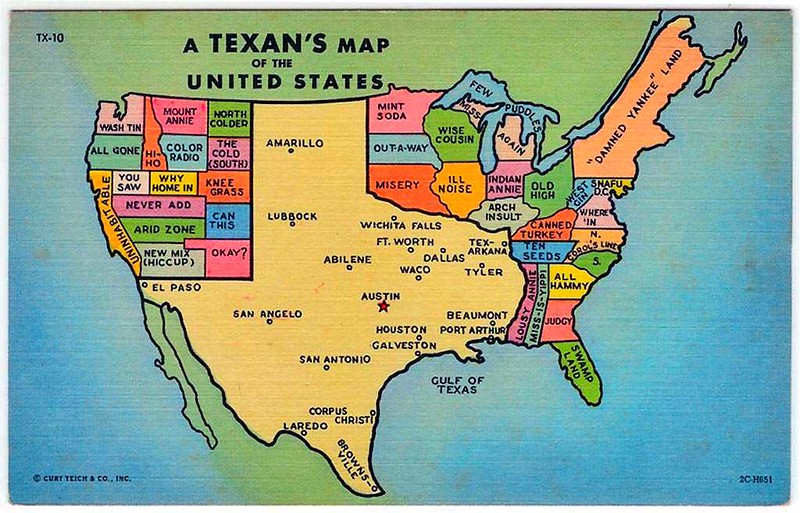
Texas, a state that conjures images of sprawling ranches, iconic cowboy culture, and a fierce independent spirit, is renowned for its sheer vastness. The question “What is the size of Texas?” is more than just a geographical inquiry; it’s an invitation to explore a landscape so grand it often defies conventional understanding. Understanding its dimensions is key to appreciating the diversity of its attractions, the scope of its tourism potential, and the logistical considerations for any visitor.
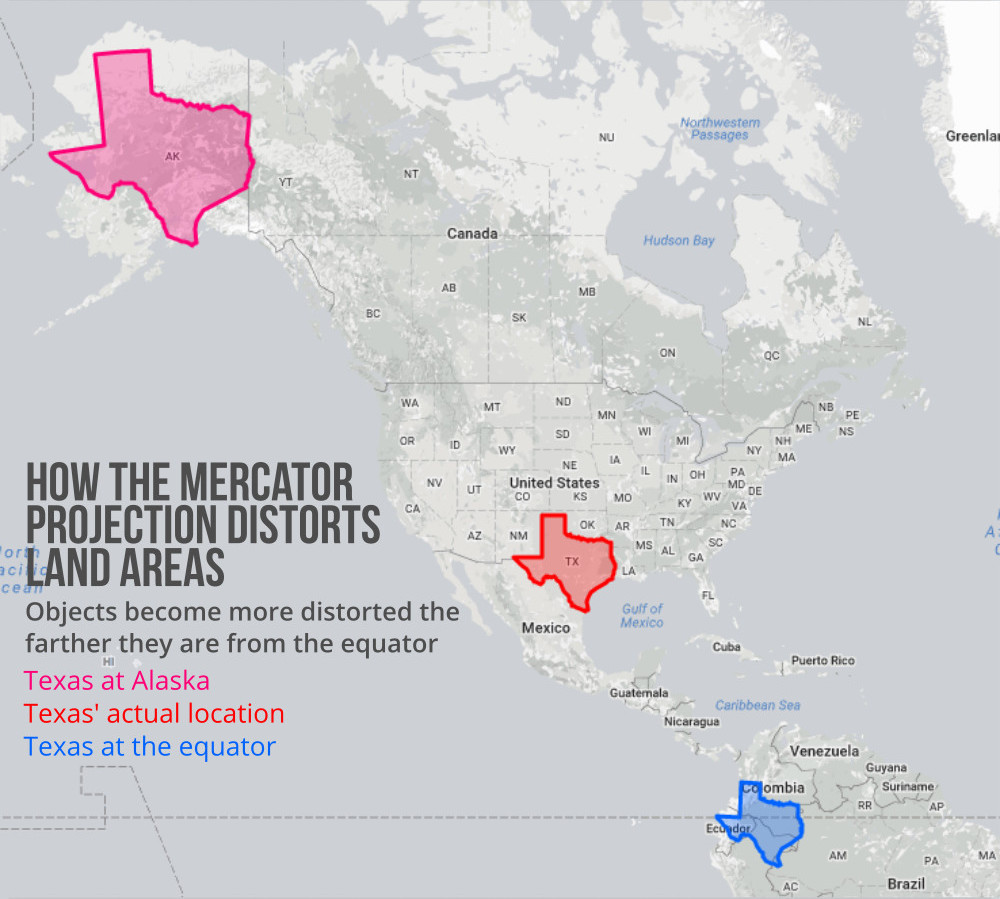
Texas is the second-largest state in the United States by both area and population, trailing only Alaska in landmass. Its total area encompasses approximately 268,596 square miles (695,662 square kilometers). To put this into perspective, this colossal expanse is larger than the combined area of any of the smallest 24 U.S. states. It’s a size that dictates much of the Texan experience, from the significant driving distances between major cities to the varied climates and ecosystems found within its borders.
A Land of Immense Proportions
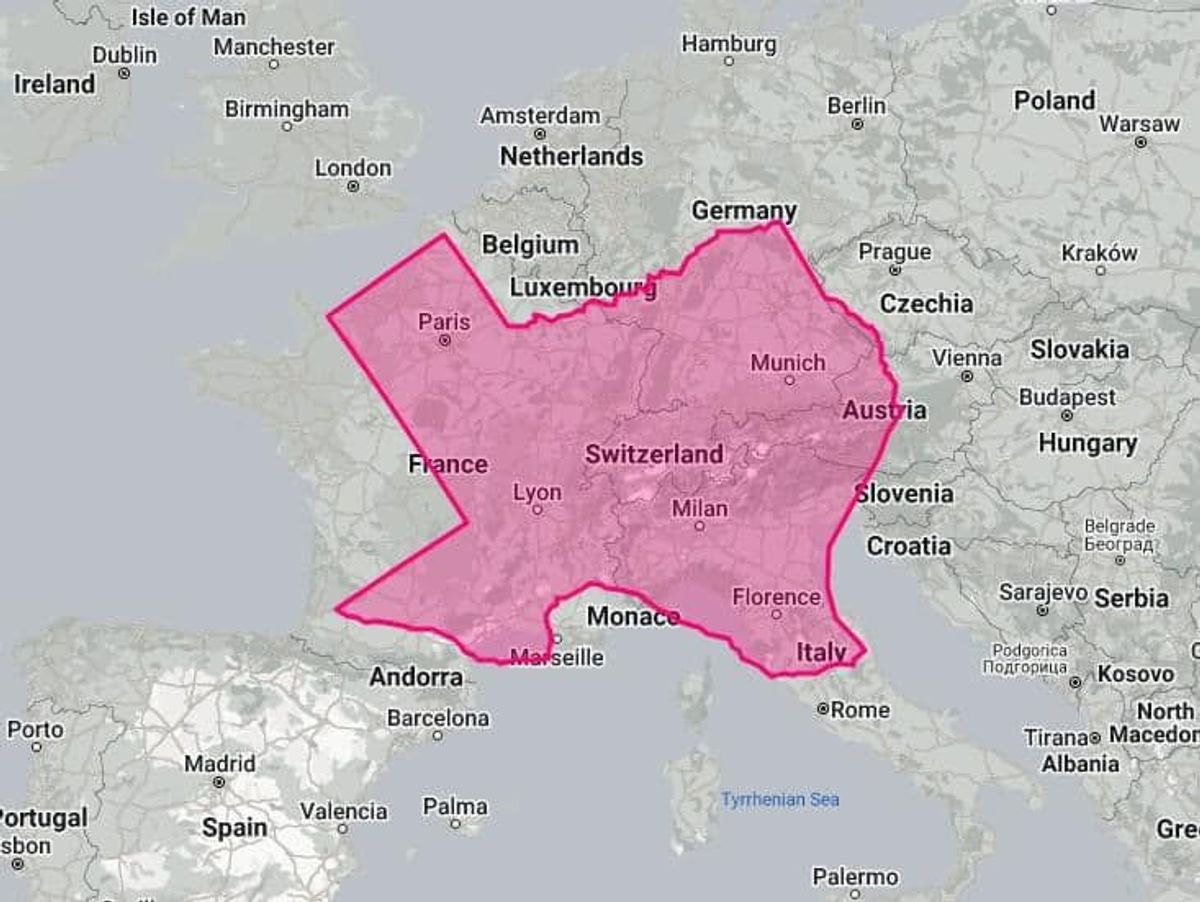
The sheer scale of Texas is perhaps best understood by comparing it to other countries. Its land area is greater than that of France, Spain, and the United Kingdom combined. It’s also larger than Poland, Italy, and Germany. This immense size is not merely a statistic; it translates into a rich tapestry of landscapes, from the piney woods of East Texas to the arid deserts of West Texas and the Gulf Coast plains.
Geographical Diversity
Within this vast territory, travelers will encounter a remarkable array of geographical features.
East Texas: The Piney Woods
The eastern part of the state is characterized by the Piney Woods, a region of dense forests and rolling hills. This area offers a cooler, wetter climate and is home to attractions like the Big Thicket National Preserve, a unique ecosystem with a surprising diversity of plant and animal life. The driving experience here is one of winding roads through towering pines and charming small towns, a stark contrast to the open plains elsewhere.
Central Texas: The Hill Country
The heart of Texas, particularly the Texas Hill Country, is a picturesque landscape of rolling hills, clear rivers, and wildflower meadows. Cities like Austin, San Antonio, and Fredericksburg are nestled within this region. The Hill Country is a prime destination for wine tasting, exploring historic missions, and enjoying outdoor activities such as kayaking and hiking. The distances between these cities, while not as daunting as across the western part of the state, still require careful planning for day trips.
West Texas: The Big Bend Country
Further west, the landscape transforms dramatically into the rugged beauty of the Big Bend Country. This region, dominated by the iconic Big Bend National Park, is characterized by vast desert plains, dramatic mountain ranges, and the winding course of the Rio Grande. The remoteness and sheer scale of Big Bend National Park offer an unparalleled wilderness experience. Driving within this region can involve hours on straight, empty roads with little more than the horizon for company.
The Gulf Coast
Along the southern edge of Texas lies its Gulf Coast region, a long stretch of sandy beaches, marshes, and barrier islands. Cities like Galveston and Corpus Christi are popular tourist destinations, offering seaside resorts, water sports, and wildlife viewing opportunities, including the chance to see migratory birds and dolphins. The coastal climate is typically humid and warm, a distinct difference from the drier interior.
Navigating the Vastness: Travel Considerations
The immense size of Texas has significant implications for travelers. Planning an itinerary requires an understanding of driving times and distances.
Driving Distances
The most common mode of transportation in Texas is by car, and the distances can be substantial. For instance:
- Dallas to Houston: Approximately 239 miles (385 km), a drive of about 3.5 to 4 hours.
- Austin to El Paso: A journey of roughly 575 miles (925 km), which can take 8 to 9 hours of continuous driving.
- San Antonio to Big Bend National Park: Over 450 miles (725 km), a trip that typically requires a full day of travel.
These figures highlight the need for realistic travel times and potentially breaking up longer journeys with overnight stays in charming towns or strategically located cities.
Climate Variations
The size of Texas also contributes to its varied climates. While South Texas can be hot and humid year-round, the Panhandle experiences colder winters and hotter summers. West Texas is generally arid, while East Texas is more humid and receives more rainfall. Travelers should research the climate of their specific destinations and the time of year they plan to visit to pack appropriately and plan their activities.
Iconic Cities and Their Spatial Significance
Texas is home to several major metropolitan areas, each with its own distinct character and occupying a significant geographical footprint.
Houston: The Energy Capital
Houston, the largest city in Texas, is a sprawling metropolis known for its energy industry, NASA’s Johnson Space Center, and a vibrant cultural scene. Its urban area covers a vast expanse, and navigating within the city itself can involve considerable driving. The city’s size is matched by its diverse neighborhoods, each offering unique culinary and cultural experiences.
Dallas-Fort Worth Metroplex: A Conjoined Giant
The Dallas-Fort Worth Metroplex is one of the largest metropolitan areas in the United States, encompassing multiple cities and counties. Dallas and Fort Worth themselves are major cities, but the surrounding areas are dotted with numerous suburbs and smaller towns that together form a massive urban and suburban sprawl. This interconnectedness means that activities in one part of the Metroplex can feel distinct from those in another, yet they are all part of a unified, expansive region.
San Antonio: A Blend of History and Modernity
San Antonio, rich in Spanish colonial history, is another major Texan city. While its historic core, including the famous Alamo, is walkable, the greater metropolitan area stretches for many miles. Its size allows for a diverse range of attractions, from its historic Riverwalk to modern entertainment districts and sprawling residential areas.
Austin: The Live Music Capital
Austin, known as the “Live Music Capital of the World,” is a city that has experienced rapid growth. While it maintains a reputation for its vibrant music scene and outdoor lifestyle, its urban footprint has expanded considerably, incorporating diverse neighborhoods and entertainment venues spread across a significant area.
The Scale of Opportunity: Texas Tourism
The immense size of Texas is not a deterrent but a testament to the incredible diversity of experiences it offers to travelers. From the historic charm of its cities to the breathtaking natural beauty of its national parks and the unique character of its small towns, Texas provides a travel destination that is both expansive and deeply engaging. Understanding its size is the first step in unlocking the full potential of this remarkable state. Whether one is seeking a rugged outdoor adventure in the vast expanses of West Texas, the cultural immersion of its historic cities, or the vibrant energy of its modern metropolises, Texas delivers on a grand scale, truly a destination where the journey is as significant as the destination itself.
LifeOutOfTheBox is a participant in the Amazon Services LLC Associates Program, an affiliate advertising program designed to provide a means for sites to earn advertising fees by advertising and linking to Amazon.com. Amazon, the Amazon logo, AmazonSupply, and the AmazonSupply logo are trademarks of Amazon.com, Inc. or its affiliates. As an Amazon Associate we earn affiliate commissions from qualifying purchases.