
Texas, a state synonymous with vast landscapes, rich history, and a vibrant culture, boasts an unofficial emblem that speaks volumes about its connection to the water and its natural heritage: the Guadalupe bass. While Texas officially recognizes the state bird (Northern Mockingbird) and the state flower (Bluebonnet), the Guadalupe bass has earned a special place in the hearts of Texans and is widely celebrated as the state fish. This designation isn’t merely a symbolic gesture; it reflects the ecological significance, recreational importance, and unique evolutionary story of this remarkable freshwater species within the Lone Star State. Understanding the Guadalupe bass is to understand a vital facet of Texas’s natural identity, intertwined with its waterways and the outdoor pursuits cherished by its residents.
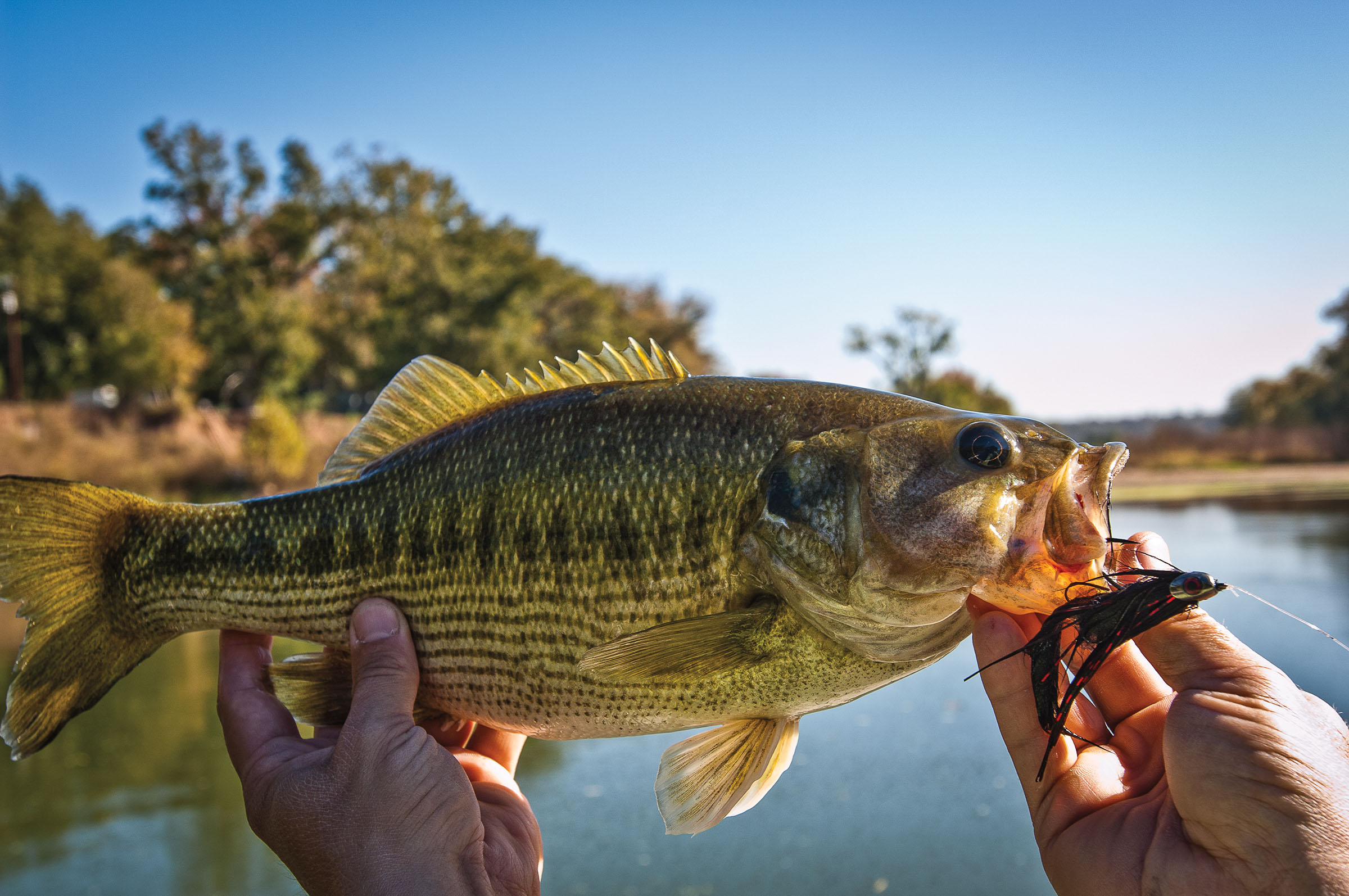
The Guadalupe Bass: A Texas Native
The Guadalupe bass ( Micropterus treculii) is a true Texan through and through, a species endemic to the state. Its discovery and classification are relatively recent compared to more widely known fish species, adding a layer of intrigue to its story.
A Unique Evolutionary Journey
The evolutionary history of the Guadalupe bass is a testament to Texas’s diverse geological past and its unique aquatic ecosystems. It is believed to have diverged from a common ancestor shared with the smallmouth bass (Micropterus dolomieu) and the spotted bass (Micropterus punctulatus). This divergence likely occurred millions of years ago, shaped by the isolation and distinct environmental pressures of the Texas Hill Country’s river systems.
The Texas Hill Country, characterized by its clear, fast-flowing rivers and streams over a limestone base, provided the perfect evolutionary crucible for the Guadalupe bass. These conditions fostered adaptations that distinguish it from its close relatives. Its genetic makeup is a fascinating subject for ichthyologists, offering insights into speciation and adaptation in freshwater environments. This native status is a cornerstone of its claim to being the “state fish,” emphasizing its deep roots within the Texan ecosystem.
Physical Characteristics and Habitat
Distinguishing the Guadalupe bass from its close relatives, such as the smallmouth and spotted bass, can be a nuanced task. However, several key features set it apart.
- Coloration: Guadalupe bass typically exhibit a brassy to olive-green coloration, often with a distinct lateral stripe composed of dark blotches. This coloring provides excellent camouflage in the rocky, clear waters they inhabit.
- Fin Structure: Subtle differences in fin ray counts and body shape also aid in identification, though these are more apparent to experienced anglers and biologists.
- Size: While they can reach respectable sizes, Guadalupe bass are generally smaller on average than their largemouth bass cousins, typically growing to around 12-15 inches in length and weighing 1-3 pounds. Trophy specimens, however, can exceed 5 pounds.
The preferred habitat of the Guadalupe bass is intimately tied to the rivers of the Edwards Plateau and the adjacent central Texas regions. They thrive in:
- Clear, Cool, and Swift Waters: Unlike the sluggish, warmer waters favored by largemouth bass, Guadalupe bass prefer the oxygen-rich, flowing conditions found in rivers like the Guadalupe River, San Marcos River, Colorado River, and Brazos River.
- Rocky Bottoms and Structure: They are often found in riffles, runs, and pools with abundant rocky substrate, submerged logs, and other structures that provide cover and ambush points for prey. The presence of these elements is crucial for their survival and reproduction.
- Limited Vegetation: While some aquatic vegetation might be present, they are not as dependent on it as some other bass species. Their primary focus is on the structure and flow of the water.
The delicate balance of these habitat requirements makes the Guadalupe bass particularly vulnerable to environmental changes, underscoring the importance of conservation efforts.
Ecological and Recreational Significance
The Guadalupe bass is more than just a native species; it plays a vital role in the Texas aquatic ecosystem and is a highly prized quarry for anglers across the state.

A Keystone Predator in Hill Country Rivers
As a predatory species, the Guadalupe bass occupies a critical niche within its native river systems. Its diet primarily consists of smaller fish, crawfish, insects, and other aquatic invertebrates. By preying on these organisms, it helps to regulate populations and maintain the overall health and balance of the riverine food web.
- Indicator Species: The health of Guadalupe bass populations can serve as an indicator of the overall health of their riverine environments. Declines in their numbers can signal issues such as pollution, habitat degradation, or changes in water flow.
- Competition and Interactions: They interact with other fish species, including introduced ones like striped bass and rainbow trout. Understanding these interactions is crucial for managing fisheries and preserving native biodiversity.
A Premier Sport Fish
For anglers, the Guadalupe bass offers a challenging and rewarding fishing experience. Its preference for clear, flowing water and its aggressive strike make it a popular target for fly fishing and light tackle enthusiasts.
- The Thrill of the Catch: Anglers are drawn to the Guadalupe bass for its spirited fight. When hooked, they are known for their acrobatic leaps and strong runs, providing a memorable battle.
- Fly Fishing Favorite: The clear waters and the bass’s feeding habits make it an ideal target for fly anglers, who often pursue them with small poppers, streamers, and nymphs. This type of fishing also encourages a deeper appreciation for the aquatic environment.
- Catch and Release Practices: Many anglers practice catch and release, especially with smaller specimens or when targeting the species in sensitive spawning areas, ensuring the long-term health of the population.
The economic impact of Guadalupe bass fishing is also significant, supporting local businesses such as bait shops, guide services, and lodging establishments in the Texas Hill Country.
Conservation and the Future of the Guadalupe Bass
Given its endemic status and specific habitat requirements, the Guadalupe bass faces challenges that necessitate ongoing conservation efforts.
Threats to Survival
Several factors pose a threat to the continued existence and health of Guadalupe bass populations.
- Habitat Degradation: Pollution from agricultural runoff, urban development, and industrial discharge can degrade water quality, harming bass and their prey. Siltation, caused by erosion, can smother spawning grounds.
- Altered Hydrology: Changes in water flow due to dam construction, excessive water withdrawal for irrigation or municipal use, and drought conditions can dramatically alter their preferred habitat, impacting breeding success and survival rates.
- Invasive Species: The introduction of non-native fish species can lead to competition for food and habitat, and in some cases, direct predation on young bass.
- Hybridization: In areas where their ranges overlap with other closely related bass species, hybridization can occur, potentially diluting the genetic integrity of the pure Guadalupe bass lineage.

Conservation Initiatives
Fortunately, dedicated efforts are underway to protect and preserve the Guadalupe bass.
- Texas Parks and Wildlife Department (TPWD): The TPWD plays a crucial role in managing and conserving the Guadalupe bass. This includes conducting research on population dynamics, habitat needs, and genetic diversity. They also implement regulations aimed at protecting the species, such as size and bag limits, and in some cases, advocating for stricter water quality standards.
- Habitat Restoration Projects: Various organizations and agencies work on restoring degraded riverine habitats, improving water quality, and mitigating the impact of altered hydrology. This can involve removing invasive vegetation, stabilizing stream banks, and re-establishing natural flow regimes where possible.
- Public Awareness and Education: Educating anglers and the public about the importance of the Guadalupe bass and the threats it faces is vital. Promoting responsible fishing practices, such as catch and release, and advocating for sound environmental policies are key components of this educational outreach.
- Captive Breeding Programs: In critical situations, captive breeding programs can be employed to bolster struggling populations, though the ultimate goal is always to ensure healthy wild populations in their natural habitats.
The ongoing commitment to conserving the Guadalupe bass ensures that this iconic Texan species will continue to thrive, providing ecological benefits and recreational opportunities for generations to come. Its story is a reminder of the unique natural treasures that Texas holds and the importance of stewardship in preserving them.
LifeOutOfTheBox is a participant in the Amazon Services LLC Associates Program, an affiliate advertising program designed to provide a means for sites to earn advertising fees by advertising and linking to Amazon.com. Amazon, the Amazon logo, AmazonSupply, and the AmazonSupply logo are trademarks of Amazon.com, Inc. or its affiliates. As an Amazon Associate we earn affiliate commissions from qualifying purchases.