
Navigating the financial landscape of any destination is a crucial aspect of planning a trip, whether for leisure, business, or extended stays. For travelers considering or currently exploring the vast and diverse state of Texas, understanding its tax structure is paramount. This guide delves into the intricacies of Texas state taxes, with a particular focus on how they impact visitors and those engaging with the state’s vibrant tourism and hospitality sectors. While Texas famously boasts no state income tax, its reliance on other forms of revenue, primarily sales and property taxes, creates a unique economic environment that affects everything from accommodation costs to the price of souvenirs.
The Absence of State Income Tax and Its Implications for Visitors
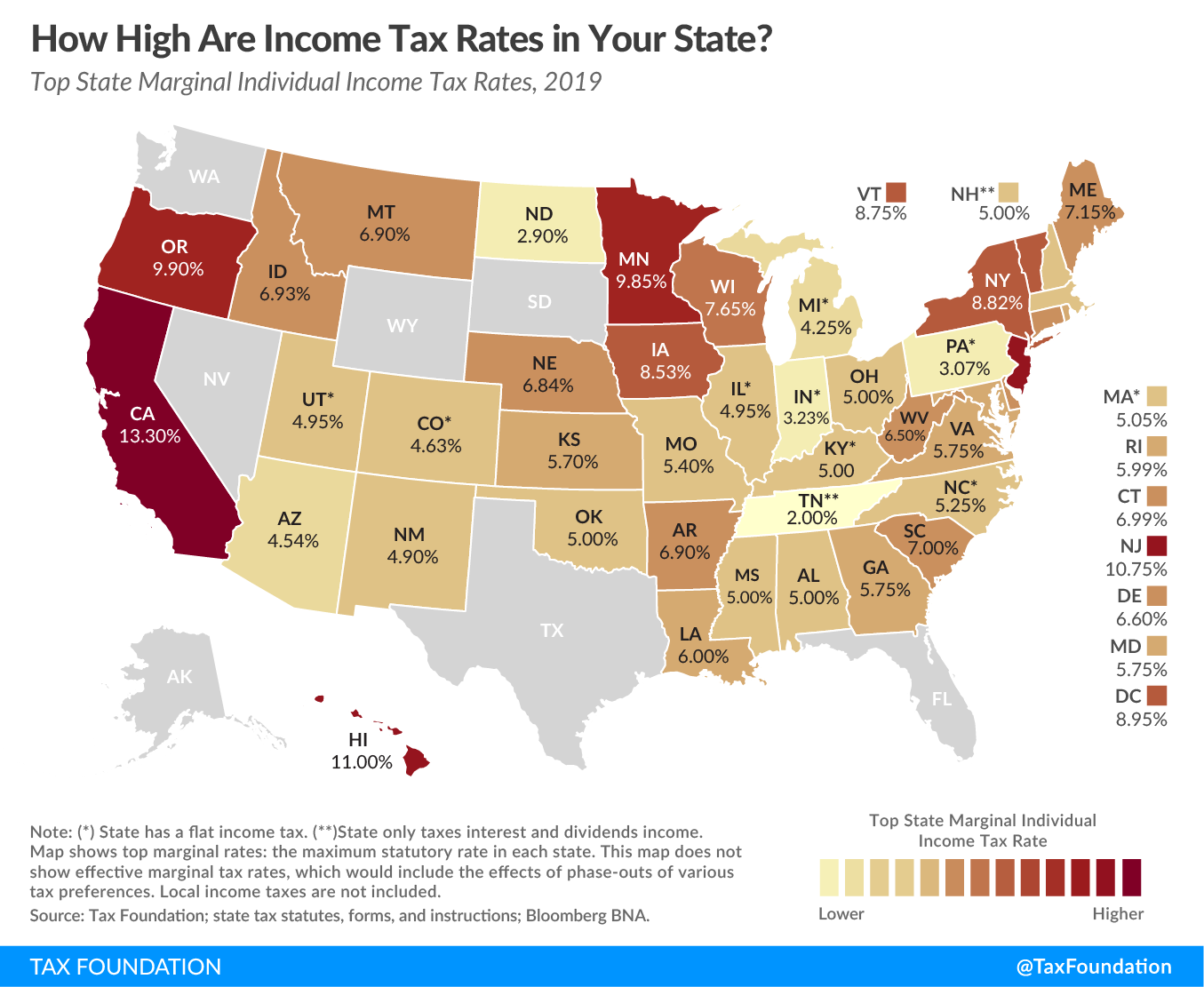
One of the most significant distinguishing features of Texas’s tax system is its complete lack of a statewide income tax. This is a substantial draw for residents and can indirectly benefit visitors by fostering a more robust economy and potentially lower prices on goods and services compared to states with high income tax burdens. For tourists, this means their earnings from their home state are not subject to additional Texas income tax while they are visiting or even if they are temporarily working within the state on assignment.
Economic Environment Driven by Consumption and Property
Without income tax revenue, the Texas state government relies heavily on other revenue streams to fund public services, infrastructure, and educational institutions. This reliance shifts the tax burden onto consumption and property ownership, which has direct and indirect consequences for travelers.
Sales Tax as a Primary Revenue Source
The most visible and impactful tax for tourists is the sales and use tax. Texas levies a state sales tax, which is then supplemented by local city and county taxes. This combination means that the final sales tax rate can vary significantly depending on the specific municipality or county within Texas where a purchase is made.
Understanding the Combined Sales Tax Rate
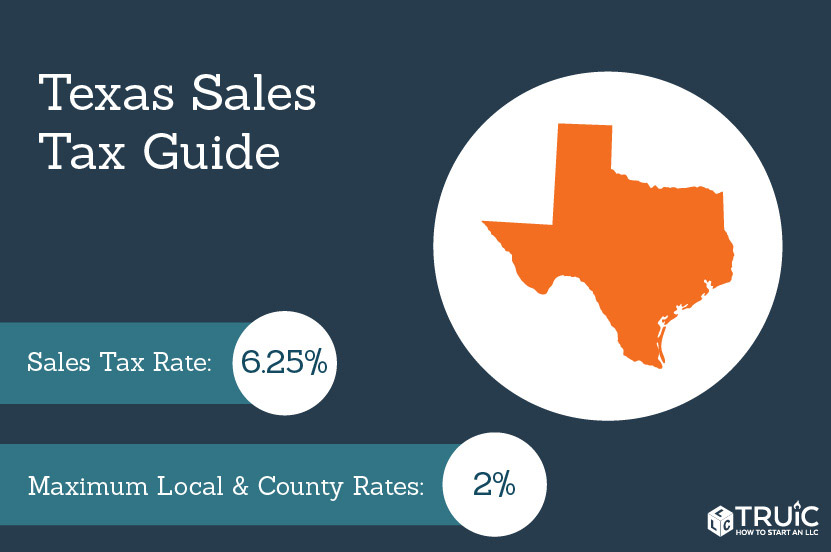
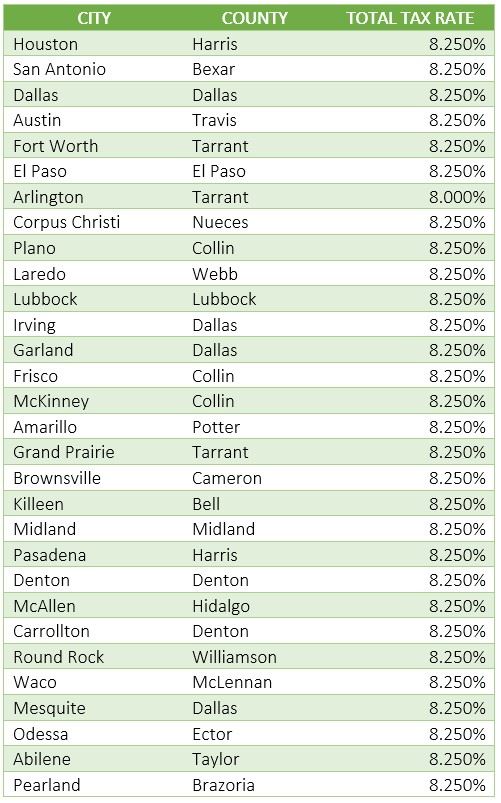
The state sales tax rate in Texas is set at 6.25%. However, this is not the total amount you will pay at the register. Cities and counties are authorized to impose their own local sales taxes, up to a maximum combined rate. The statewide cap for the combined state and local sales tax rate is 8.25%.
Examples of How Sales Tax Affects Travel Expenses:
- Accommodation: While hotel rooms themselves are generally subject to sales tax, the rates can differ based on the city. For instance, a stay in Dallas might have a different total sales tax rate than a stay in Houston or a more rural area. This is why it’s always beneficial to check the specific tax rate for the hotel or lodging you are considering. Some establishments may even have different tax structures for short-term versus long-term stays.
- Dining: Every meal purchased at a restaurant, from a casual diner to a fine dining establishment, will include sales tax. This applies to food and beverages consumed on-premises or taken to go.
- Shopping and Souvenirs: Whether you’re buying clothing, electronics, gifts, or unique Texas memorabilia, the sales tax will be added to your purchase. This can make a noticeable difference for larger purchases.
- Attractions and Entertainment: Tickets to theme parks like Six Flags Fiesta Texas, museums, sporting events, and other entertainment venues typically include sales tax in their price.
Exemptions and Special Considerations for Tourists
Certain items and services may be exempt from sales tax. For instance, groceries intended for home consumption are usually not taxed. However, prepared foods and restaurant meals are taxable. It’s also worth noting that if you are purchasing items for resale (e.g., a business owner buying inventory), you may be eligible for a resale certificate to avoid paying sales tax at the time of purchase. This is generally not applicable to individual tourists making personal purchases.
Property Taxes: An Indirect Impact on Tourism
While visitors are unlikely to directly pay property taxes during a typical vacation, these taxes play a significant role in the overall cost of goods and services available in Texas. Property taxes are levied by local governments (counties, cities, school districts, and special districts) on real estate and, to a lesser extent, personal property.
How Property Taxes Influence Business Operations
Businesses, including hotels, restaurants, and retail stores, pay property taxes on their real estate and physical assets. These costs are often passed on to consumers through the prices of goods and services. Therefore, a higher property tax burden in a particular area can indirectly contribute to higher prices for tourists. This is why exploring different regions within Texas might reveal slight variations in the cost of travel-related expenses, even beyond the direct impact of sales tax rates.
The Real Estate Market and Tourism Development
The property tax system also influences Texas’s real estate market, which in turn affects the development of tourism infrastructure. Areas with high property taxes might see slower development of new resorts or attractions, while areas with more favorable tax environments might attract more investment.
Tourism-Specific Taxes and Fees
Beyond the general sales tax, Texas also implements specific taxes and fees that are directly related to the tourism and hospitality industry. These are designed to generate revenue for state and local tourism promotion, infrastructure improvements, and other related services.
Hotel Occupancy Tax (HOT)
One of the most direct taxes impacting travelers is the Hotel Occupancy Tax, often referred to as HOT. This tax is levied on the rental of hotel rooms, motels, and other lodging accommodations. Like the general sales tax, the HOT is a combination of state and local taxes.
State and Local HOT Rates
The state portion of the Hotel Occupancy Tax is 6%. In addition to this, cities and counties can impose their own HOT rates. The combined rate can vary significantly, with some cities having relatively low rates and others, particularly those with major tourist attractions, having higher combined rates. These funds are often earmarked for tourism promotion and development within the specific locality.
Impact on Lodging Choices
When booking a hotel in cities like Austin, San Antonio, or along the Gulf Coast, understanding the total HOT rate is crucial for budgeting. This tax is typically added to the room rate and clearly itemized on your final bill. For example, a luxury resort on Galveston Island might have a higher combined HOT than a roadside motel in West Texas.
Motor Vehicle Taxes and Fees
For travelers who choose to drive to or within Texas, various motor vehicle taxes and fees come into play.
Sales Tax on Vehicle Purchases
If you plan to purchase a vehicle while in Texas (though less common for typical tourists), you will pay sales tax on the purchase price. This is in addition to any registration fees.
Fuel Taxes
The state of Texas levies taxes on gasoline and diesel fuel. These taxes are included in the price you pay at the pump and contribute to funding for road maintenance and transportation infrastructure across the state. Travelers on road trips, such as exploring the Texas Hill Country or driving between major cities, will encounter these costs.
Rental Car Taxes and Fees
Renting a car in Texas involves several layers of taxation. In addition to the standard state and local sales taxes, rental car companies are often subject to specific excise taxes and fees. These are passed on to the renter, making the total cost of a rental car higher than the base daily rate.
Other Taxes and Considerations
While sales and occupancy taxes are the most direct financial impacts on tourists, other taxes can indirectly influence the cost of travel or the availability of services.
Alcohol and Tobacco Taxes
Texas levies excise taxes on alcoholic beverages and tobacco products. These taxes are reflected in the price of beer, wine, spirits, and cigarettes purchased within the state.
Business Taxes
Businesses operating in Texas, including those in the hospitality sector, are subject to various business taxes, such as the franchise tax. While this is not directly paid by tourists, it can influence the pricing strategies of businesses, ultimately affecting consumer costs.
Maximizing Your Travel Budget in Texas
Understanding Texas’s tax structure can empower travelers to make more informed decisions and potentially save money.
Research Local Tax Rates
Before booking accommodations or planning major purchases, research the specific sales and occupancy tax rates for the cities and counties you intend to visit. Websites of local tourism boards or tax authorities can often provide this information.
Plan for Souvenir and Dining Expenses
Factor in the combined sales tax when budgeting for meals, shopping, and souvenirs. A purchase that seems affordable before tax can become more expensive once the local rates are applied.
Utilize Tax-Exemptions Where Applicable
While most tourist purchases are taxable, be aware of any potential exemptions. For example, if you are on an extended business trip and purchasing groceries for self-catering, these would typically be tax-exempt.
Conclusion
Texas offers a compelling travel experience with its diverse landscapes, rich culture, and vibrant cities. While the absence of state income tax is a significant benefit, the state’s reliance on sales and occupancy taxes means that visitors should be prepared for these costs. By understanding the nuances of sales tax, hotel occupancy tax, and other related fees, travelers can better budget their trips, make informed choices, and fully enjoy all that the Lone Star State has to offer, from the historic missions of San Antonio to the bustling metropolis of Houston.
LifeOutOfTheBox is a participant in the Amazon Services LLC Associates Program, an affiliate advertising program designed to provide a means for sites to earn advertising fees by advertising and linking to Amazon.com. Amazon, the Amazon logo, AmazonSupply, and the AmazonSupply logo are trademarks of Amazon.com, Inc. or its affiliates. As an Amazon Associate we earn affiliate commissions from qualifying purchases.