
Understanding the weather patterns in Austin, Texas is crucial for any traveler planning a visit. This vibrant city, known for its live music, burgeoning tech scene, and delicious barbecue, experiences a diverse range of climates throughout the year. From scorching summers to mild, sometimes crisp, winters, knowing what to expect can significantly enhance your travel experience, allowing you to pack appropriately and plan your activities with confidence. Austin’s location in the heart of Central Texas means it’s influenced by subtropical weather, characterized by high humidity and significant rainfall, particularly during certain seasons.

Seasonal Weather Overview in Austin, Texas
Austin experiences four distinct seasons, each offering a unique atmosphere and influencing the types of outdoor and indoor pursuits available.
Spring: A Season of Renewal and Pleasant Temperatures
Spring, typically from March through May, is often considered one of the most delightful times to visit Austin. The weather is generally mild and pleasant, with average high temperatures ranging from the mid-60s to the mid-80s Fahrenheit (18-29 degrees Celsius). This period is characterized by blooming wildflowers, most notably the iconic Texas Bluebonnets, which create a spectacular natural display across the state, particularly in the Hill Country surrounding Austin.
- Temperatures: Expect comfortable days perfect for exploring the city’s numerous outdoor attractions. Evenings can be slightly cooler, so packing layers is advisable.
- Rainfall: Spring is also a time for increased rainfall. Thunderstorms are common, and they can be quite intense, sometimes bringing heavy downpours and hail. These storms, while disruptive for short periods, contribute to the lush greenery of the region.
- Activities: This season is ideal for hiking and biking along the Ann and Roy Butler Hike-and-Bike Trail, visiting the Zilker Botanical Garden, and enjoying outdoor concerts and festivals like South by Southwest (SXSW) (though this often begins in early March, bridging late winter and early spring).
Summer: Heat, Humidity, and Sunshine
Summers in Austin, from June through August, are notoriously hot and humid. Average high temperatures frequently soar into the high 90s Fahrenheit (35-37 degrees Celsius), with heat indices often pushing above 100 degrees Fahrenheit (38 degrees Celsius) due to the persistent humidity. The sun is intense, and long periods without significant rainfall can lead to dry conditions.
- Temperatures: The heat is a defining feature of the Austin summer. Staying hydrated and seeking shade during the peak heat hours is essential.
- Rainfall: While summers can be dry, monsoon-like thunderstorms can occur, bringing brief but heavy downpours that can offer temporary relief from the heat. These storms are often localized.
- Activities: To escape the heat, locals and visitors often flock to Barton Creek Greenbelt and Barton Springs Pool for a refreshing dip. Indoor attractions such as the Blanton Museum of Art and exploring the city’s renowned live music venues offer cooler alternatives. The evening often brings a slight reprieve, with temperatures becoming more manageable for outdoor dining and exploring the Sixth Street entertainment district.
Autumn: A Gradual Cooling and Festive Atmosphere
As summer’s intense heat begins to wane, autumn, from September through November, ushers in a welcome period of cooling temperatures and a more comfortable climate. September can still feel quite warm, but by October and November, average high temperatures often settle in the 70s and 80s Fahrenheit (21-27 degrees Celsius), with cooler evenings. Humidity levels also tend to decrease.
- Temperatures: This season is ideal for outdoor exploration and enjoying the city’s vibrant fall festivals. The air becomes crisp, making it perfect for leisurely walks and bike rides.
- Rainfall: Rainfall typically decreases in the fall compared to spring and summer, although occasional tropical systems or cold fronts can still bring rain.
- Activities: Autumn is a prime time for enjoying Austin’s outdoor scene. Activities include attending the Austin City Limits Music Festival, exploring Congress Avenue Bridge to witness the famous bat flight (which typically runs from March to October), and enjoying the numerous farmers’ markets and culinary events. The changing foliage, though not as dramatic as in some other parts of the country, adds a subtle beauty to the landscape.
Winter: Mild and Occasionally Chilly
Austin winters, from December through February, are generally mild. Average high temperatures typically range from the upper 50s to low 60s Fahrenheit (14-17 degrees Celsius). Freezing temperatures are infrequent, and snow is a rare occurrence. However, cold fronts can occasionally sweep through, bringing sharp drops in temperature, sometimes dipping into the 30s Fahrenheit (around 0-4 degrees Celsius), especially during overnight hours.
- Temperatures: While often mild, winter can bring a chill. It’s advisable to pack warm layers, including a jacket or coat, especially for evenings.
- Rainfall: Winter can be relatively dry, but rain is still possible, often associated with the passage of cold fronts. These can sometimes bring prolonged periods of overcast skies and light rain.
- Activities: Winter provides an opportunity to enjoy the city at a more relaxed pace. Indoor pursuits are popular, including exploring the Texas State Capitol, visiting museums, and enjoying the city’s renowned dining scene. Outdoor activities are still possible on milder days, such as walking along the Lady Bird Lake trail or visiting the Botanical Garden. The holiday season brings festive decorations and events throughout the city.
Understanding Key Weather Phenomena
Beyond the general seasonal trends, understanding specific weather phenomena can further refine your travel plans for Austin.
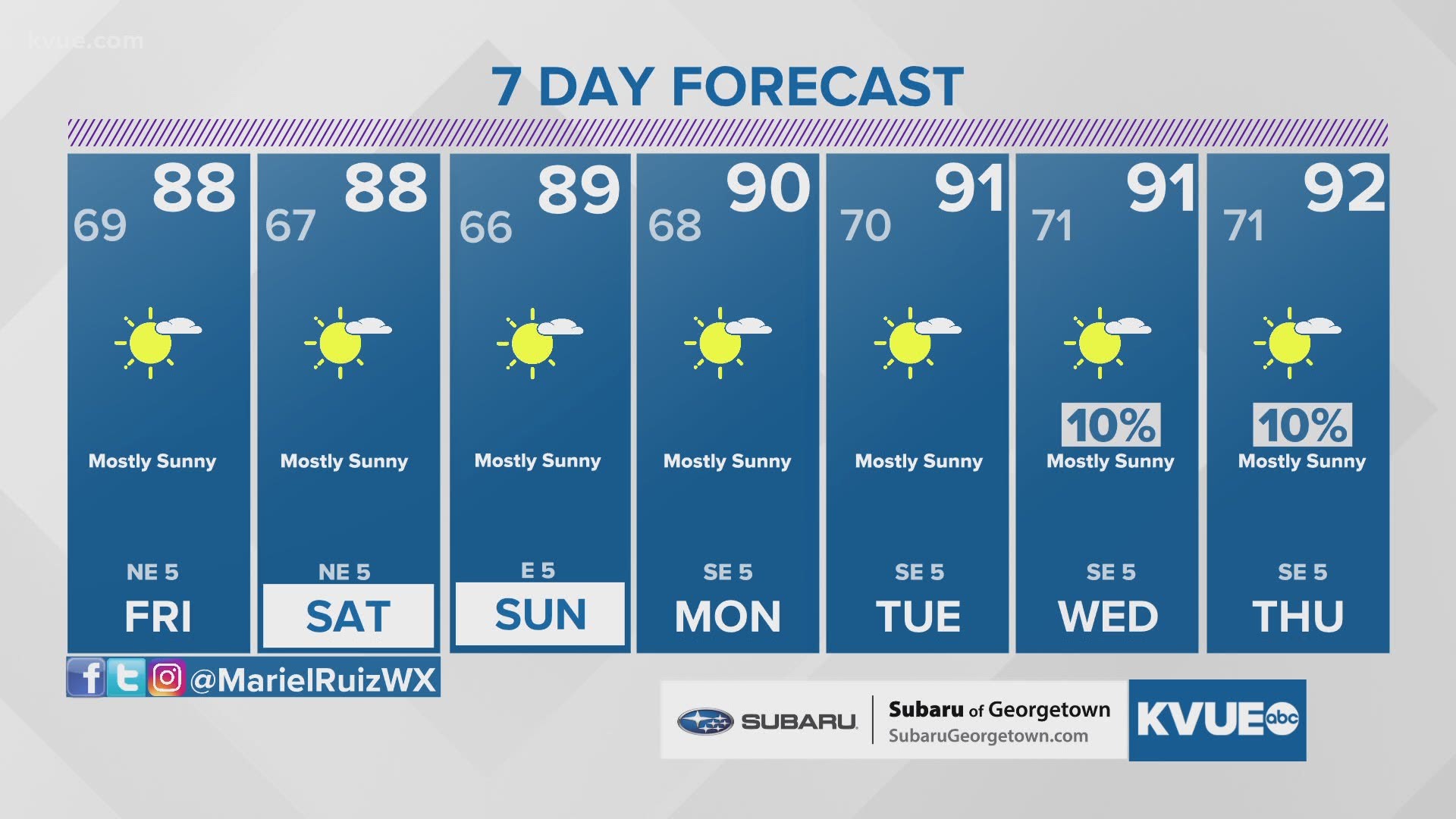
Humidity and Heat Index
The high humidity in Austin, especially during the summer months, significantly impacts how the temperature feels. The heat index, which combines temperature and humidity, can make it feel much hotter than the actual thermometer reading. It is crucial to monitor the heat index and take necessary precautions, such as staying hydrated, wearing light-colored and loose-fitting clothing, and limiting strenuous outdoor activity during the hottest parts of the day.
Thunderstorms and Severe Weather
Texas is part of “Tornado Alley,” and while Austin is not as prone to tornadoes as some other parts of the state, it can experience severe thunderstorms. These storms often bring heavy rain, lightning, strong winds, and occasionally hail. It is important to stay informed about weather forecasts and heed any severe weather warnings. These storms are most common in the spring and can also occur during other seasons.
Drought Conditions
Despite the potential for heavy rainfall, Austin and the surrounding Hill Country can also experience periods of drought. Water restrictions are not uncommon, and wildfire risk can increase during dry spells. While this might not directly impact typical tourist activities, it can affect outdoor recreation, such as swimming in natural swimming holes or hiking in areas prone to brush fires.
Packing Essentials Based on Austin’s Weather
To ensure a comfortable and enjoyable trip to Austin, smart packing is key. Tailor your luggage to the season you plan to visit.
Spring and Autumn Packing Recommendations
These transitional seasons offer the most flexible weather.
- Layers are key: Pack t-shirts, long-sleeved shirts, and a light to medium-weight jacket or sweater.
- Comfortable walking shoes: Essential for exploring the city on foot.
- Rain gear: A light, packable umbrella or a waterproof jacket is highly recommended, especially for spring.
- Sun protection: Sunglasses and a hat are useful year-round, but particularly important as the sun can be strong even on cooler days.
Summer Packing Recommendations
Focus on staying cool and protected from the sun and heat.
- Lightweight, breathable clothing: Cotton and linen are excellent choices.
- Swimwear: A must for enjoying the city’s many pools and natural swimming spots.
- Sunscreen: High SPF is essential.
- Wide-brimmed hat and sunglasses: For maximum sun protection.
- Hydration: Consider a reusable water bottle to refill throughout the day.
- Evening wear: While daytime is about practicality, Austin has a vibrant nightlife, so pack accordingly for dinners and shows.
Winter Packing Recommendations
While generally mild, be prepared for cooler temperatures.
- Warmer layers: Include sweaters, a heavier jacket or coat, and perhaps a scarf and gloves for colder days.
- Long pants: Jeans or other heavier fabrics are suitable.
- Closed-toe shoes: Comfortable and warm.

Planning Your Austin Adventure Around the Weather
By understanding Austin’s dynamic weather, you can maximize your enjoyment of this energetic city. Whether you’re drawn by the promise of live music in mild spring evenings, the refreshing waters of its numerous swimming holes in the summer heat, the vibrant fall festivals, or the more relaxed pace of its mild winters, aligning your visit with the weather can significantly enhance your travel experience. Always check a reliable weather forecast closer to your travel dates for the most up-to-date information and to fine-tune your packing and itinerary.
LifeOutOfTheBox is a participant in the Amazon Services LLC Associates Program, an affiliate advertising program designed to provide a means for sites to earn advertising fees by advertising and linking to Amazon.com. Amazon, the Amazon logo, AmazonSupply, and the AmazonSupply logo are trademarks of Amazon.com, Inc. or its affiliates. As an Amazon Associate we earn affiliate commissions from qualifying purchases.