
Houston, Texas, a sprawling metropolis known for its vibrant culture, diverse culinary scene, and robust economy, experiences a unique and often challenging climate. Situated in the southeastern part of the state, it is characterized by its humid subtropical weather patterns, heavily influenced by its proximity to the Gulf of Mexico. Understanding Houston’s weather is crucial for anyone planning a visit, a relocation, or simply wishing to navigate daily life in this dynamic city. From sweltering summers to mild winters, and the ever-present threat of severe storms, the weather in Houston shapes its identity and influences the activities and experiences available to its residents and visitors alike.
Understanding Houston’s Subtropical Climate
Houston’s location near the Gulf of Mexico is the primary driver of its weather. This proximity introduces significant humidity year-round, particularly during the warmer months. The city experiences four distinct seasons, though the transitions between them can be gradual.
Summer in Houston: Heat and Humidity Reign Supreme
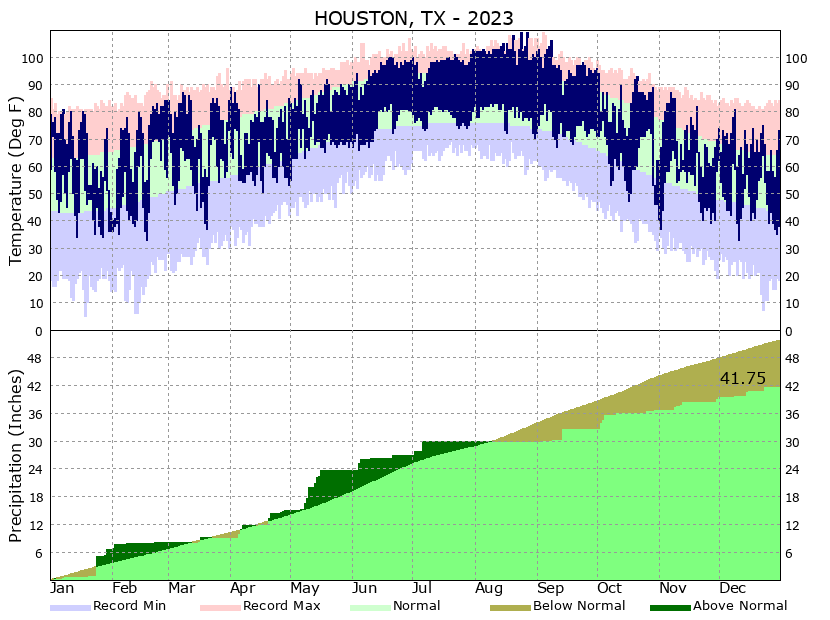
Summers in Houston, typically from June through September, are notoriously hot and humid. Average high temperatures frequently soar into the high 80s and low 90s Fahrenheit (around 31-34°C), but the oppressive humidity can make it feel significantly warmer. The heat index, which accounts for humidity, often reaches well over 100°F (38°C).
- Daily Temperatures: Daytime highs are consistently high, with very few days offering respite from the heat. Evenings bring little relief, with overnight lows often remaining in the mid-70s Fahrenheit (around 24°C).
- Humidity Levels: Humidity is a defining characteristic of Houston summers. Dew points are frequently in the mid-70s Fahrenheit, creating a sticky, muggy atmosphere that can make outdoor activities uncomfortable for extended periods.
- Rainfall Patterns: While summers are hot, they are also the wettest season. Convective thunderstorms are common, often forming rapidly in the afternoon or evening. These storms can bring intense downpours, hail, and lightning, but they are typically short-lived, providing temporary cooling.
- Tips for Summer Visitors: Hydration is paramount. Seek air-conditioned indoor attractions like the Space Center Houston or the numerous museums in the Museum District. Schedule outdoor activities, such as exploring Discovery Green, for early mornings or late evenings.
Autumn in Houston: A Gradual Transition to Comfort
Fall, from October to November, marks a welcome change in Houston’s weather. The intense heat and humidity of summer begin to dissipate, ushering in a period of pleasant temperatures.
- Temperature Moderation: Highs gradually decrease from the low 80s Fahrenheit (around 27°C) in October to the low 70s Fahrenheit (around 22°C) in November. This makes outdoor exploration much more enjoyable.
- Decreased Humidity: While still humid compared to drier climates, the humidity levels become more manageable, making the air feel fresher.
- Rainfall Trends: Rainfall typically decreases compared to the summer months, with fewer widespread rain events and more scattered showers.
- Outdoor Activities: This is an ideal time for exploring Houston’s extensive park system, enjoying outdoor dining at establishments like those in the Montrose neighborhood, or attending local festivals.
Winter in Houston: Mild and Occasionally Chilly
Houston winters, from December to February, are generally mild, offering a stark contrast to many other parts of the United States. Freezing temperatures are infrequent and usually short-lived.
- Average Temperatures: Daytime highs typically range from the mid-60s Fahrenheit (around 18°C) in December to the high 60s Fahrenheit (around 20°C) in February. Overnight lows usually hover in the 40s Fahrenheit (around 4-9°C).
- Occasional Cold Snaps: While rare, cold fronts can sweep through Houston, bringing temperatures down into the 20s and 30s Fahrenheit (below 0-4°C) for a few days. These can sometimes be accompanied by a light dusting of sleet or snow, though significant accumulations are exceptionally rare.
- Rainfall: Winter can be a relatively dry period, but frontal systems can still bring periods of rain.
- Winter Activities: Mild temperatures are perfect for visiting attractions like the Houston Zoo or enjoying the holiday lights that adorn the city during the festive season. Pack layers, as mornings can be cool.
Spring in Houston: A Blend of Pleasantness and Potential for Storms
Spring, from March to May, is often considered one of the most beautiful times to visit Houston, characterized by pleasant temperatures and blooming flora. However, it also marks the beginning of the severe weather season.
- Comfortable Temperatures: Highs in March and April typically range from the low to mid-70s Fahrenheit (around 22-24°C), gradually warming into the 80s Fahrenheit (around 27-32°C) by May.
- Increased Rainfall: Spring rainfall tends to increase as the atmosphere becomes more unstable, contributing to lush green landscapes.
- Allergy Season: For those sensitive to pollen, spring in Houston can be challenging due to abundant blooming vegetation.
- The Onset of Severe Weather: This season is a prime time for severe thunderstorms, which can produce strong winds, large hail, and tornadoes. The proximity to the Gulf also means that tropical storm and hurricane season, which officially begins on June 1st, can sometimes see early activity.
Severe Weather Considerations in Houston
Houston’s location makes it susceptible to several types of severe weather, most notably tropical storms, hurricanes, and severe thunderstorms. Understanding these risks is vital for preparation and safety.
Tropical Storms and Hurricanes
The Gulf Coast is within the Atlantic hurricane basin, and Houston is no exception to the potential threat of tropical cyclones.
- Seasonality: The official Atlantic hurricane season runs from June 1st to November 30th, with the peak typically occurring from August through October.
- Impacts: Tropical storms and hurricanes can bring devastating high winds, torrential rainfall leading to widespread flooding, and storm surge along coastal areas. Houston’s low elevation and extensive network of bayous and waterways make it particularly vulnerable to inland flooding from these systems.
- Preparedness: Residents and visitors should stay informed about hurricane forecasts, have emergency kits ready, and know evacuation routes if advised by local authorities. The National Hurricane Center is a key resource for tracking storms.
Severe Thunderstorms and Tornadoes
Beyond tropical systems, Houston frequently experiences severe thunderstorms, especially during the spring and summer months.
- Tornado Alley Influence: While not in the heart of “Tornado Alley,” the broader region of Texas, including Houston, does experience tornado activity. These are often associated with strong cold fronts or squall lines that move through the area.
- Hail and Wind Damage: Thunderstorms can produce damaging hail, some of which can be golf ball-sized or larger, and straight-line winds that can cause significant destruction.
- Flash Flooding: The rapid onset of heavy rainfall from thunderstorms can lead to dangerous flash flooding, particularly in low-lying areas and along urban drainage systems.
Navigating Houston’s Climate: Practical Advice for Travelers
To make the most of a visit to Houston, understanding its climate and planning accordingly is essential.
Packing Essentials
Your packing list should be tailored to the season of your visit.
- Summer: Lightweight, breathable clothing (cotton, linen), sunscreen, a wide-brimmed hat, sunglasses, insect repellent, and a reusable water bottle are must-haves. Pack a light raincoat or umbrella for sudden downpours.
- Fall & Spring: Layers are key. Bring a mix of t-shirts, long-sleeved shirts, a light jacket or sweater, and comfortable walking shoes. An umbrella is also advisable.
- Winter: Pack a medium-weight jacket, a sweater or two, and long pants. While full winter gear is rarely needed, mornings and evenings can be cool. Comfortable, closed-toe shoes are always a good idea.
Transportation and Activity Planning
The weather can significantly impact how you get around and what you can do.
- Air-Conditioning is Your Friend: Houston boasts a vast network of air-conditioned indoor attractions. Utilize the Museum District, The Galleria for shopping, or catch a show at one of the city’s renowned performing arts venues.
- Embrace the Heat (with Caution): During hotter months, schedule outdoor activities like visiting the Houston Arboretum & Nature Center for early morning or late afternoon. Stay hydrated and take frequent breaks in shaded areas or air-conditioned cafes.
- Plan for Rain: Have backup indoor options in mind for any outdoor excursions. Many of Houston’s best experiences, from the Downtown Aquarium to exploring the unique shops and restaurants in areas like The Heights, can be enjoyed regardless of the weather.
- Stay Informed About Severe Weather: If traveling during hurricane season or the spring severe weather period, closely monitor weather forecasts and heed any advisement from local emergency management.
Food and Drink Considerations
Houston’s climate also influences its renowned culinary scene.
- Hydration Stations: Many outdoor events and attractions offer readily available water. Always carry a personal water bottle to refill.
- Cooling Off: Enjoy refreshing beverages like sweet tea, lemonade, or local craft beers at outdoor patios or in air-conditioned restaurants.
- Seasonal Produce: The warm climate allows for a year-round growing season, contributing to the fresh, diverse ingredients found in Houston’s kitchens.
By understanding and respecting Houston’s dynamic weather patterns, visitors and residents can better prepare for their experiences, ensuring a more comfortable and enjoyable time in this energetic Texan hub.
LifeOutOfTheBox is a participant in the Amazon Services LLC Associates Program, an affiliate advertising program designed to provide a means for sites to earn advertising fees by advertising and linking to Amazon.com. Amazon, the Amazon logo, AmazonSupply, and the AmazonSupply logo are trademarks of Amazon.com, Inc. or its affiliates. As an Amazon Associate we earn affiliate commissions from qualifying purchases.