
Understanding the geography of the United States is fundamental for any traveler planning a journey, especially when considering a vast and diverse state like Texas. Texas, the second-largest state in the U.S. by both area and population, shares its borders with a variety of other states and even an international country. For those looking to explore the regions bordering Texas, or simply to round out their geographical knowledge, identifying its neighboring states is a crucial first step. This exploration delves into the states that share a border with Texas, offering insights into their unique attractions, cultural nuances, and the seamless travel experiences they offer to those venturing from or into the Lone Star State.
The States That Embrace Texas
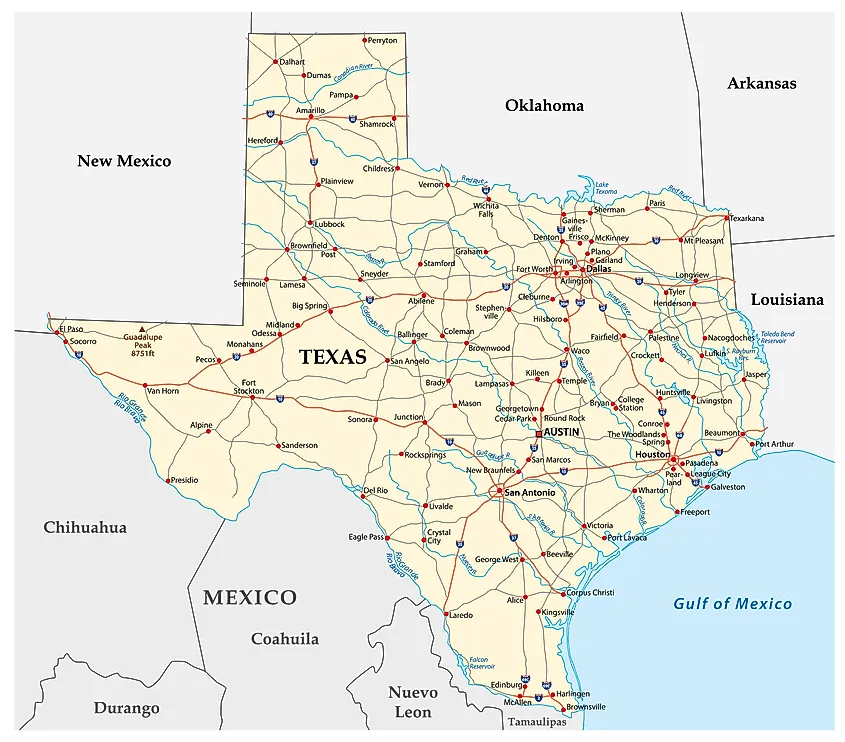
Texas is strategically positioned in the South Central region of the United States, a location that influences its cultural landscape and its connectivity to other parts of the country. The state is bordered by four other U.S. states: Oklahoma to the north and east, Arkansas to the northeast, Louisiana to the east, and New Mexico to the west. To the south, Texas shares a significant international border with Mexico. Understanding these geographical neighbors is key to planning cross-state road trips, discovering new culinary adventures, or immersing oneself in the varied traditions that define the American South and Southwest.
Oklahoma: A Northern Neighbor
To the north and east of Texas lies Oklahoma. This state offers a rich tapestry of American history, particularly its deep connection to Native American culture and the storied legacy of the Dust Bowl. For travelers, Oklahoma presents a compelling mix of outdoor adventures, vibrant city life, and historical landmarks.
Exploring Oklahoma’s Appeal
-
Native American Heritage: Oklahoma is home to the largest Native American population of any U.S. state, with over 67 federally recognized tribes. Visitors can explore this heritage at the First Americans Museum in Oklahoma City, offering profound insights into the diverse cultures, histories, and contemporary life of these indigenous peoples. The Trail of Tears National Historic Trail also passes through the state, a poignant reminder of the forced relocations of several Native American tribes.
-
Outdoor Recreation: The state boasts a variety of natural landscapes, from the rolling hills of the Ozarks in the east to the dramatic mesas of the panhandle. The Wichita Mountains Wildlife Refuge offers opportunities for hiking, wildlife viewing, and exploring unique geological formations. Lake Texoma, a massive reservoir on the border with Texas, is a popular destination for boating, fishing, and water sports.
-
Urban Centers: Oklahoma City and Tulsa are the state’s primary urban hubs, each offering distinct attractions. Oklahoma City is known for its revitalized downtown area, the Bricktown Entertainment District, and the moving Oklahoma City National Memorial & Museum. Tulsa shines with its Art Deco architecture, the world-class Philbrook Museum of Art, and a thriving music scene.
Arkansas: The Northeastern Connection
Moving northeast from Texas, we encounter Arkansas, often called “The Natural State” for its abundant natural beauty. Arkansas is characterized by its diverse topography, including the Ozark Mountains to the north, the Ouachita Mountains to the west, and the fertile Mississippi Delta region to the east.
Discovering Arkansas’s Charms
-
Natural Wonders: The Ozark National Forest provides a vast playground for outdoor enthusiasts, offering hiking trails, scenic drives, and opportunities for camping and fishing. Hot Springs National Park, located in the city of Hot Springs, is a unique urban park centered around natural thermal springs, with historic bathhouses still offering spa treatments. The Buffalo National River, America’s first national river, is renowned for its scenic beauty and opportunities for canoeing, kayaking, and floating.
-
Historical Significance: Arkansas played a notable role in American history. Little Rock, the state capital, is home to the Little Rock Central High School National Historic Site, a pivotal location during the Civil Rights Movement. The state also has a connection to presidential history, being the home state of former President Bill Clinton, whose presidential library is located in Little Rock.
-
Cultural Experiences: From blues music that echoes the Delta’s rich musical heritage to the warmth of Southern hospitality, Arkansas offers a genuine cultural experience. The state’s culinary scene features classic Southern dishes, with an emphasis on fresh, local ingredients.
Louisiana: The Eastern Gateway

To the east of Texas lies the vibrant and culturally rich state of Louisiana. Famous for its unique blend of French, Spanish, African, and Caribbean influences, Louisiana is a destination that tantalizes the senses with its distinctive music, cuisine, and festivals.
Immersing in Louisiana’s Allure
-
New Orleans: The Crescent City: No visit to Louisiana is complete without experiencing New Orleans. The French Quarter is a living museum of historic architecture, lively jazz clubs on Frenchmen Street, and world-renowned culinary delights. Bourbon Street offers a more raucous nightlife, while the Garden District showcases magnificent antebellum mansions. The city’s distinctive Mardi Gras celebration is an unparalleled cultural spectacle.
-
Cajun and Creole Culture: Beyond New Orleans, the heart of Cajun country in southwestern Louisiana offers a different, yet equally captivating, experience. Here, visitors can savor authentic Cajun cuisine, listen to lively Cajun music, and explore the unique bayou landscapes. The blend of French, Spanish, and African traditions gives rise to Creole culture, most prominently expressed in the cuisine and festivals of New Orleans.
-
Nature and Adventure: The state’s unique geography, characterized by bayous, swamps, and the Mississippi River Delta, offers a distinct natural environment. Swamp tours provide an up-close look at the region’s wildlife, including alligators and diverse bird species. The Atchafalaya Basin, the largest wetland and swamp area in the continental United States, is a significant ecological treasure.
New Mexico: The Western Frontier
To the west of Texas lies New Mexico, a state renowned for its stunning natural landscapes, rich Native American and Hispanic heritage, and a unique cultural fusion that sets it apart. Known as the “Land of Enchantment,” New Mexico offers a journey through ancient pueblos, historic missions, and breathtaking desert vistas.
Exploring the Enchantment of New Mexico
-
Pueblo Heritage: New Mexico is home to 23 federally recognized Native American Pueblos, each with a unique history and culture. Visitors can respectfully visit many of these ancient communities, such as Taos Pueblo (a UNESCO World Heritage Site), Acoma Pueblo (the “Sky City”), and San Ildefonso Pueblo, to learn about their traditions, art, and enduring way of life.
-
Art and Culture: Santa Fe, the state capital, is a world-renowned art destination, boasting hundreds of galleries, museums, and the historic Plaza. Canyon Road is particularly famous for its concentration of art venues. Albuquerque, the state’s largest city, offers a vibrant arts scene, including the Indian Pueblo Cultural Center and the Explora Science Center and Children’s Museum. The unique blend of Hispanic and Native American influences is evident in the state’s architecture, music, and distinctive chile-infused cuisine.
-
Natural Beauty and Outdoor Activities: The landscapes of New Mexico are awe-inspiring. From the Sangre de Cristo Mountains to the vast desert plains and the unique geological formations like Carlsbad Caverns National Park and White Sands National Park, the state offers diverse opportunities for exploration. Outdoor enthusiasts can enjoy hiking, skiing, visiting national forests, and exploring ancient cliff dwellings like those at Bandelier National Monument.
Mexico: The International Southern Border
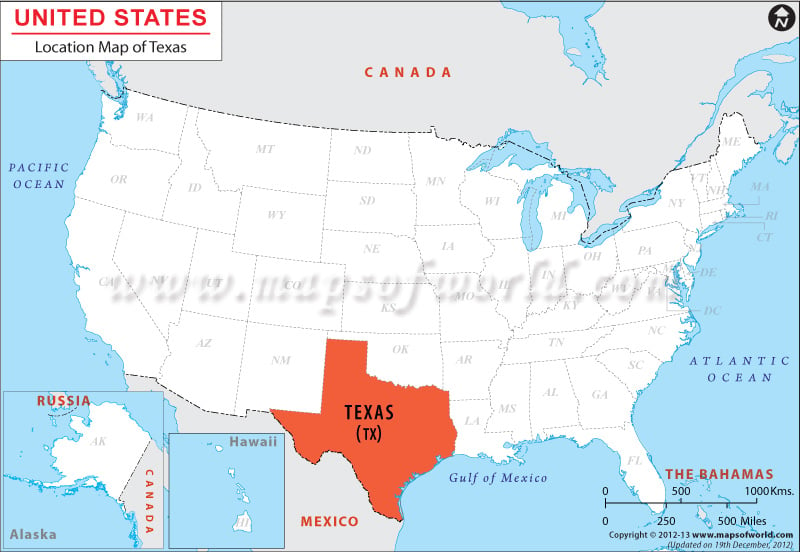
While not a U.S. state, it is crucial to mention Mexico as a significant international neighbor to Texas to the south. The long border between Texas and Mexico is a dynamic region that shapes the culture, economy, and daily life of both sides.
Crossing the Border to Explore
-
Border Cities and Culture: Numerous cities and towns straddle the Texas-Mexico border, each with its own character and attractions. Cities like El Paso, Laredo, and Brownsville in Texas are deeply influenced by their proximity to Mexico, offering a rich blend of cultures, cuisines, and shopping experiences. Visitors can explore historic missions, vibrant markets, and enjoy authentic Mexican food.
-
Cultural Exchange: The continuous cultural exchange between Texas and Mexico is evident in the food, music, language, and traditions found throughout South Texas. This border region is a fascinating testament to the interconnectedness of two nations and the unique cultural tapestry it creates.
In conclusion, the states bordering Texas – Oklahoma, Arkansas, Louisiana, and New Mexico – along with the international border with Mexico, offer an immense spectrum of travel experiences. Each state contributes its own unique flavor to the broader American narrative, providing travelers with opportunities to explore diverse landscapes, delve into rich histories, and immerse themselves in distinct cultural traditions. Understanding these geographical relationships is the first step to unlocking the vast potential for discovery that lies just beyond the borders of the Lone Star State.
LifeOutOfTheBox is a participant in the Amazon Services LLC Associates Program, an affiliate advertising program designed to provide a means for sites to earn advertising fees by advertising and linking to Amazon.com. Amazon, the Amazon logo, AmazonSupply, and the AmazonSupply logo are trademarks of Amazon.com, Inc. or its affiliates. As an Amazon Associate we earn affiliate commissions from qualifying purchases.