
In a world increasingly connected and explored, there remain pockets of true wilderness, places where the rhythm of life is dictated not by convenience but by the immutable forces of nature. Port Protection, Alaska, is one such enigma. Far from the bustling resorts and well-trodden tourist paths, this remote community has captivated the imaginations of many, largely thanks to its portrayal in popular television series. For those intrigued by the allure of the wild, by tales of self-sufficiency, and by a lifestyle lived truly off the grid, the question “Where is Port Protection, Alaska?” is more than a geographical query; it’s an invitation to explore a profoundly different way of existence, challenging our conventional notions of travel, accommodation, and modern living.
This article delves into the precise location of Port Protection, its distinctive characteristics, the unique lifestyle of its residents, and what it means to be a settlement at the very edge of civilization. While it may not feature on typical travel guides for luxury hotels or popular attractions, its very remoteness and the raw beauty of its surroundings make it a landmark in its own right, offering a profound experience for those who seek to understand the more rugged side of tourism and lifestyle.

Unveiling Port Protection: A Remote Alaskan Enigma
The journey to pinpoint Port Protection on a map is the first step in understanding its profound isolation. It’s not a destination one stumbles upon; it’s a place deliberately sought, or perhaps, a place that chooses its residents. Its geographic coordinates paint a picture of deep immersion within one of the world’s most breathtaking and untamed natural environments.
The Geographic Heart of Southeast Alaska
Port Protection is nestled on the northwestern coast of Prince of Wales Island, a large island forming part of the vast and intricate archipelago of Southeast Alaska. This region, often referred to as the Inside Passage, is characterized by its labyrinthine network of fjords, evergreen forests, and countless islands. Unlike mainland Alaska, Southeast Alaska is geographically distinct, an extension of the coastal rainforest that stretches down into the Pacific Northwest.
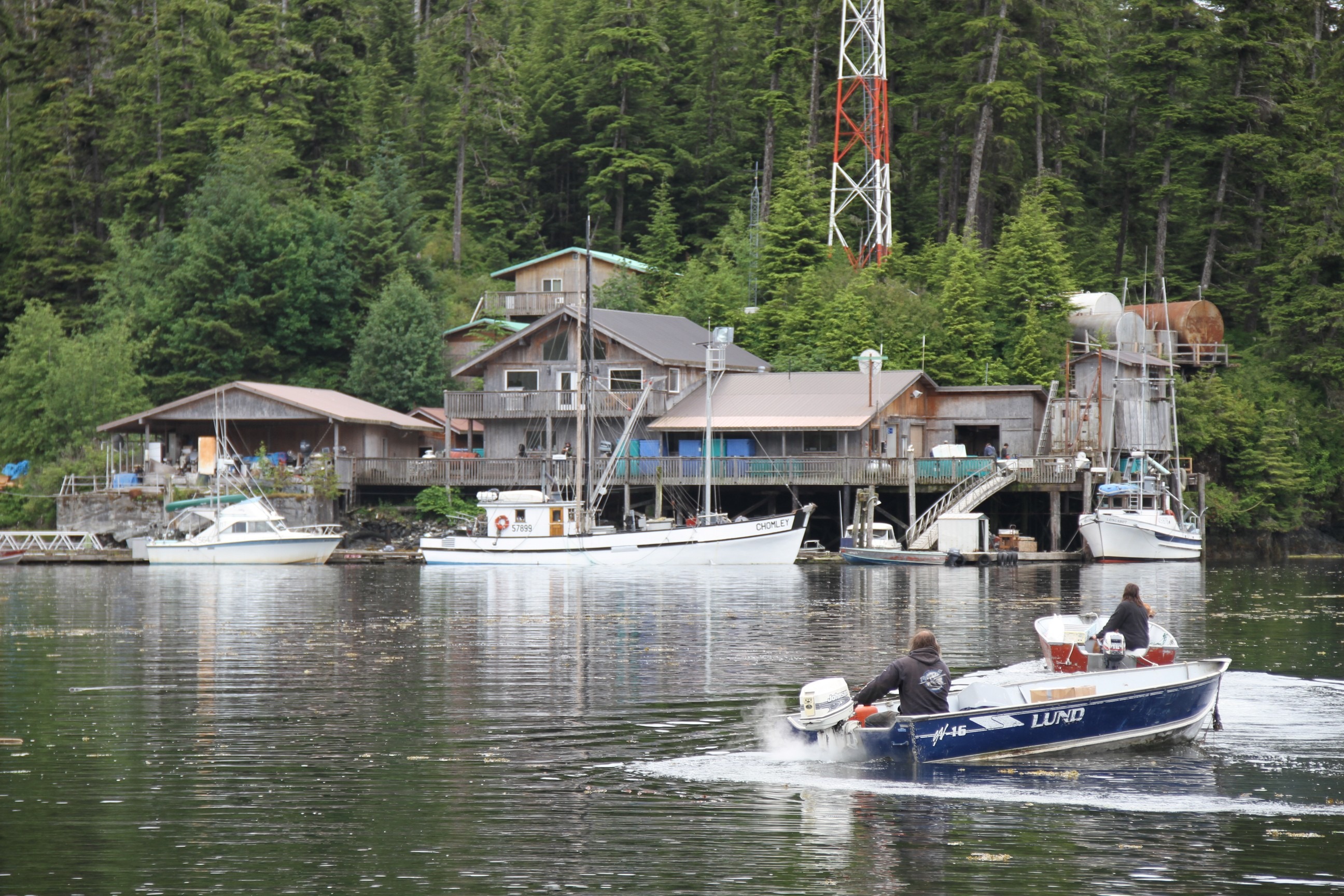
Prince of Wales Island itself is one of the largest islands in the United States, known for its rich timber resources, diverse wildlife, and extensive cave systems. Port Protection is situated amidst this rugged beauty, an almost imperceptible speck on the map, far removed from any major infrastructure. There are no roads leading into Port Protection, making it accessible solely by boat or floatplane. This inherent inaccessibility is not merely a logistical challenge; it is a defining characteristic that shapes every aspect of life in this extraordinary place.
The Journey to True Isolation
For those contemplating a visit, or simply trying to visualize its remoteness, understanding the nearest points of civilization is crucial. The closest towns of any significant size are Wrangell, Petersburg, and Ketchikan, all situated on other islands within the Southeast Alaska panhandle.
- Ketchikan: Often dubbed the “First City” of Alaska due to its location at the southern entrance to the Inside Passage, Ketchikan is a hub for commercial fishing and cruise ship tourism. From Ketchikan, one would still need to embark on a significant journey by sea or air to reach Port Protection.
- Wrangell: An island community with a rich history rooted in Native Alaskan culture and the gold rush era, Wrangell offers another potential jumping-off point, albeit still requiring dedicated travel.
- Petersburg: Known as “Little Norway” due to its strong Norwegian heritage, Petersburg is a picturesque fishing town.
Even from these relatively developed towns, the journey to Port Protection is not a simple ferry ride. It typically involves smaller charter boats, private vessels, or floatplane services, all of which are subject to the notoriously unpredictable Alaskan weather. This challenging accessibility underscores the fact that Port Protection is not designed for conventional tourism. There are no grand resorts, no bustling attractions, and no organized guides in the traditional sense. The “experience” of Port Protection is intrinsically tied to its inaccessibility, making it a unique destination for those who understand and respect the boundaries of extreme remoteness.
A Lifestyle Forged by Wilderness: Living Off the Grid in Port Protection
The very essence of Port Protection lies not just in its geographic location, but in the extraordinary lifestyle its residents embrace. This is not a place for those seeking the amenities of modern urban life; it is a bastion of self-reliance, resilience, and a deep connection to the natural world. For anyone interested in “lifestyle” travel beyond luxury or budget, Port Protection offers a masterclass in elemental living.
Self-Sufficiency: The Core of Port Protection’s Culture
Life in Port Protection is a testament to human adaptability and ingenuity. The handful of residents who call this place home operate largely without the conveniences that most of us take for granted. There are no grocery stores, no restaurants, and certainly no hotels or dedicated accommodation options for visitors. The concept of “food” is intimately tied to what can be harvested from the surrounding environment. Fishing for salmon, halibut, and crab is paramount, as is hunting deer, moose, and bear. Foraging for berries and other edible plants supplements their diet.
This reliance on subsistence living means that skills in hunting, fishing, trapping, boat maintenance, and basic construction are not hobbies but essential tools for survival. Electricity is often generated through personal systems like generators or small hydro setups, and water comes from natural sources. This deep-seated self-sufficiency creates a unique local culture, where resourcefulness is highly valued, and dependence on the outside world is minimized. It’s a stark contrast to typical tourism, where convenience is king, and a powerful example of a truly sustainable, albeit challenging, lifestyle.
The Community Spirit: Resilience and Interdependence
Despite the emphasis on individual self-reliance, the community of Port Protection thrives on a strong sense of mutual aid and interdependence. In such an isolated environment, neighbors are more than just acquaintances; they are essential lifelines. Shared knowledge, borrowed tools, and collective efforts during emergencies are common. When medical emergencies arise, or supplies are urgently needed, residents rely on each other and specialized services like the Coast Guard or medical floatplanes – a far cry from readily available modern services.
This unique social fabric forms the bedrock of their collective resilience. It’s a compelling aspect of their lifestyle, demonstrating how humans can thrive in harsh conditions not just through individual strength, but also through unwavering community bonds. For those fascinated by human stories and diverse cultures, Port Protection offers an unparalleled insight into a community that defines itself by its relationship with nature and each other, away from the trappings of mainstream tourism and commercialized entertainment.
Nature’s Grandeur: Wildlife and Climate of a Pristine Frontier
Beyond the human element, Port Protection is defined by its dramatic natural environment. It is a place where nature reigns supreme, offering an unadulterated glimpse into a thriving ecosystem that serves as both a provider and a formidable challenge to its inhabitants. This untouched landscape itself stands as a magnificent landmark.
An Ecosystem Untouched
The waters surrounding Prince of Wales Island and the vast Tongass National Forest that blankets the land are teeming with life. For wildlife enthusiasts, Port Protection is an unparalleled natural attraction. The dense forests are home to Sitka black-tailed deer, black bears, and even wolves. Above, bald eagles soar majestically, their cries echoing across the fjords. The marine environment is equally vibrant, with five species of Pacific salmon, halibut, crab, and various shellfish providing sustenance for both humans and a myriad of marine mammals, including whales and seals.
The landscape is breathtaking: ancient forests carpeted in moss, jagged mountain peaks shrouded in mist, and deep, clear waters that reflect the dramatic Alaskan sky. These natural landmarks – the towering trees, the pristine waters, the abundant wildlife – are the true “attractions” of Port Protection, offering an experience that transcends typical tourism. It’s an opportunity to witness nature in its purest, most powerful form.

Navigating the Alaskan Climate
The climate of Southeast Alaska is characterized by its maritime influence, resulting in cool, wet weather for much of the year. Summers are mild, but winters can be long, cold, and dark, with significant rainfall and snowfall. The weather dictates nearly every aspect of life in Port Protection, from when residents can hunt or fish to when they can travel to obtain supplies. Storms can isolate the community for days or even weeks, reinforcing the need for self-sufficiency and careful planning.
Despite its challenges, the climate also offers seasons of exquisite beauty. The vibrant greens of spring and summer give way to the fiery colors of fall, and the pristine, snow-covered silence of winter holds its own stark charm. Understanding this climate is key to appreciating the resilience required to live in Port Protection and adds another layer to the “experiences” offered by this remote destination. It’s a harsh yet beautiful environment that shapes not only the landscape but also the character of its people.
Port Protection in the Spotlight: The “Life Below Zero” Phenomenon
For many across the globe, the name Port Protection first entered their lexicon through the popular reality television series, “Life Below Zero: Port Protection.” This show, a spin-off from the acclaimed “Life Below Zero” franchise, has done more than just entertain; it has offered a rare window into a genuinely remote and challenging way of life, turning an obscure Alaskan outpost into a global point of fascination.
From Isolation to Global Recognition
Originally airing on National Geographic and later on the Discovery Channel, “Life Below Zero: Port Protection” chronicles the daily lives of several long-term residents as they navigate the extreme conditions and demands of living off the grid. The show’s appeal lies in its authentic portrayal of individuals confronting nature head-on, showcasing their incredible skills, resilience, and unique philosophies. It’s a stark contrast to typical travel programming that focuses on luxurious amenities or readily accessible tourist attractions.
The program has transformed Port Protection from an anonymous dot on the map into a recognizable “attraction” in its own right, albeit one experienced vicariously by millions. It highlights the challenges of obtaining basic supplies, battling harsh weather, and the constant struggle for sustenance. This has created a unique form of “tourism” – a virtual one – where viewers can explore a remote destination and its local culture from the comfort of their homes, fostering a profound appreciation for the individuals who choose this demanding lifestyle.
The Allure for Lifestyle Enthusiasts
The show resonates deeply with those interested in alternative lifestyles, survivalism, and the quest for self-sufficiency. It goes beyond simple entertainment, offering insights into human endurance and the profound peace that can be found in disconnecting from modern society. For many, the residents of Port Protection embody an aspirational lifestyle – one of freedom, independence, and a deep, unfiltered connection to nature.
This fascination with the Port Protection lifestyle aligns perfectly with broader trends in “lifestyle” content, demonstrating that travel and experience aren’t always about pristine hotel suites or curated tourist experiences. Sometimes, the most compelling “destination” is a philosophical one, a glimpse into a way of life that challenges the very foundations of contemporary existence. It serves as a powerful reminder that “luxury travel” can also be the luxury of space, solitude, and self-reliance, rather than material comforts.
Is Port Protection a Tourist Destination? Understanding the Nuances of Visiting
Given its newfound fame through television, it’s natural for people to wonder if Port Protection is a viable tourist destination. For a website focused on travel, accommodation, and tourism, it’s crucial to address this question with a clear understanding of the realities on the ground.
The Reality of “Tourism” in Port Protection
The honest answer is that Port Protection is not a conventional tourist destination, nor is it equipped to handle one. There are no hotels, resorts, bed and breakfasts, or even campgrounds. Accommodation is virtually non-existent for casual visitors. There are no stores, gas stations, or medical facilities beyond basic first aid supplies residents might keep. Transportation is limited to private boats or charter floatplanes, which are expensive and dependent on weather conditions.
Booking a trip to Port Protection in the traditional sense is simply not feasible. Reviews of amenities or comparison of services are irrelevant here. Visits are typically limited to those with direct connections to residents, for essential trade, or highly specialized adventure expeditions that are entirely self-sufficient and pre-arranged with local expertise. Any attempt at casual tourism would be not only impractical but potentially disrespectful to the community and dangerous for the unprepared visitor. The allure of the local culture and activities stems from their daily survival, not from curated experiences for outsiders.
Experiencing Port Protection Vicariously
For the vast majority of people, the best and most respectful way to experience Port Protection is through the lens of media. The television show offers an immersive, relatively accurate portrayal of daily life, challenges, and triumphs. Articles like this one provide context and insights into its unique place in the world. This form of “tourism” allows individuals to engage with the stories, landscapes, and lifestyles of Port Protection without imposing on its delicate ecosystem or the lives of its residents.
In essence, while Port Protection may not offer conventional “travel tips” or “booking” options, it offers something far more profound: an educational journey into extreme self-sufficiency, a testament to the enduring human spirit, and a vivid illustration of the diverse ways in which life can be lived on our planet. It stands as a unique landmark, not because of what it offers to tourists, but because of the extraordinary existence it represents.
In conclusion, Port Protection, Alaska, is much more than just a dot on the map. It is a symbol of profound wilderness, human resilience, and a lifestyle that challenges modern conventions. Located on Prince of Wales Island in Southeast Alaska, far from cities like Wrangell, Petersburg, and Ketchikan, it epitomizes true isolation. Its residents live a life of self-sufficiency, deeply intertwined with the abundant wildlife and challenging climate, a reality vividly brought to screens by “Life Below Zero: Port Protection” on National Geographic and Discovery Channel. While it is not a destination for conventional travel, accommodation, or tourism, it offers an invaluable insight into an extraordinary human experience, making it a compelling “landmark” in the realm of unique lifestyles and wild frontiers.
LifeOutOfTheBox is a participant in the Amazon Services LLC Associates Program, an affiliate advertising program designed to provide a means for sites to earn advertising fees by advertising and linking to Amazon.com. Amazon, the Amazon logo, AmazonSupply, and the AmazonSupply logo are trademarks of Amazon.com, Inc. or its affiliates. As an Amazon Associate we earn affiliate commissions from qualifying purchases.