
Navigating the temporal landscape of any major city is crucial for seamless travel planning, and understanding the current time in Houston, Texas is no exception. As a sprawling metropolis and a vibrant hub for both business and leisure, Houston operates within a specific time zone that impacts everything from flight arrivals to dinner reservations. This guide delves into the intricacies of Houston’s time, its implications for travelers, and how to stay synchronized with this dynamic Texan city.
Understanding Central Daylight Time (CDT)
Houston, Texas, observes Central Daylight Time (CDT) during the spring and summer months, and Central Standard Time (CST) during the fall and winter. This seasonal shift is a common practice across much of North America, designed to maximize daylight during waking hours. CDT is UTC-5, meaning it is five hours behind Coordinated Universal Time. Conversely, CST is UTC-6. The transition between these two time zones, known as Daylight Saving Time, typically occurs on the second Sunday in March and concludes on the first Sunday in November. Being aware of this transition is paramount for any traveler, especially when coordinating international journeys or making business arrangements that span across time zones.

The Significance of Time Zones for Travelers
For any visitor venturing to Houston, a clear understanding of its time zone is not merely a matter of curiosity; it’s a fundamental aspect of logistical planning. Arrival and departure times for flights, train schedules, and even bus routes are all dictated by the local time. Booking accommodations often involves considering check-in and check-out times, which are naturally aligned with Houston’s temporal framework. Furthermore, many popular attractions and dining establishments have specific operating hours that travelers must adhere to.
For instance, if you’re planning to catch a performance at the Jones Hall for the Performing Arts, knowing the exact local time is essential to ensure you arrive with ample time to find your seats. Similarly, securing a coveted reservation at a renowned restaurant like Steak 48 requires precision with Houston’s current time. Missing a flight due to a time zone miscalculation can lead to significant stress and unexpected expenses, transforming a dream vacation into a logistical nightmare. Proactive time management, therefore, is a cornerstone of a successful and enjoyable trip to Houston.
Navigating Time Differences with Other Regions
The continental United States spans four primary time zones: Eastern, Central, Mountain, and Pacific. Houston sits squarely in the Central Time Zone. This means that when it’s noon in Houston, it’s 1 PM in New York City (Eastern Time) and 10 AM in Los Angeles (Pacific Time). Understanding these differences is crucial for arranging calls, meetings, or even just keeping in touch with friends and family across the country. For international travelers, the disparity can be even more pronounced. For example, when it’s noon in Houston, it’s 5 PM in London, UK (during British Summer Time) and 9 PM in Dubai, UAE. These comparisons highlight the importance of having a reliable method to check the current time in Houston to avoid miscommunication and ensure punctuality.
Planning Your Itinerary Around Houston’s Time
A well-planned itinerary is the hallmark of any successful trip, and understanding Houston’s current time is an indispensable element of this process. Whether you’re a business traveler aiming to maximize your meeting schedule or a tourist eager to explore the city’s diverse attractions, temporal awareness is key.
Optimizing Day Trips and Excursions
Houston offers a wealth of attractions, from world-class museums and vibrant entertainment districts to sprawling parks and historical sites. When planning day trips, knowing the current time allows for efficient scheduling of travel to and from these locations. For instance, an early morning visit to the Space Center Houston can be more rewarding if you arrive shortly after it opens, avoiding the peak crowds. Similarly, timing your visit to the Museum District to allow for ample exploration of multiple institutions like the Museum of Fine Arts, Houston or the Houston Museum of Natural Science requires careful time management.
Consider an evening spent at a Houston Astros baseball game at Minute Maid Park. Knowing the current time helps you plan your commute, ensuring you arrive well before the first pitch to soak in the pre-game atmosphere. If your plans involve venturing outside the city for a day trip to nearby attractions like the Galveston Island Historic Pleasure Pier, factoring in travel time and potential traffic delays, all in relation to Houston’s current time, is essential for a smooth experience.
Scheduling Business Meetings and Professional Engagements
For business travelers, precise time management is non-negotiable. Houston is a significant center for industries such as energy, aerospace, and medicine, attracting professionals from around the globe. Scheduling meetings with local contacts, clients, or partners requires a clear understanding of Houston’s current time. A virtual meeting with a company headquartered in Shanghai, China, for instance, demands careful coordination to bridge the substantial time difference.
When arranging an in-person meeting at a downtown office building or a conference center like the George R. Brown Convention Center, confirming the exact local time is crucial to prevent any potential misunderstandings. This level of attention to detail can significantly impact professional relationships and the success of business ventures. It also influences the timing of networking events, seminars, and industry conferences that are frequently held in Houston.
Coordinating with Accommodations and Dining
Your choice of accommodation and dining experiences can also be significantly influenced by Houston’s time. Hotel check-in and check-out times are universally based on local time. Arriving too early might mean waiting at the lobby, while checking out late could incur additional fees. Therefore, knowing the current time helps you precisely plan your arrival and departure from hotels such as the Four Seasons Hotel Houston or the Hotel ZaZa Museum District.

Similarly, reservations at Houston’s acclaimed culinary scene, from the fine dining establishments in the Uptown Park area to the diverse food trucks scattered throughout the city, are time-sensitive. Ensuring you arrive for your reservation at Nobu Houston,Pappas Bros. Steakhouse or Uchi Houston punctually demonstrates respect for the restaurant’s operations and your fellow diners. This meticulous approach to time not only enhances your personal convenience but also contributes to a more harmonious overall travel experience.
Staying Synchronized: Tools and Tips
In today’s interconnected world, staying synchronized with Houston’s current time is remarkably straightforward, thanks to a plethora of accessible tools and simple practices. Regardless of your location or the purpose of your visit, ensuring you have the most up-to-date time information is essential.
Utilizing Digital Devices and Online Resources
Modern smartphones, tablets, and computers are inherently equipped to display the current time in various locations. Most devices automatically update to reflect Daylight Saving Time changes in their set region. To check the time in Houston, Texas, simply add it as a world clock location on your device. Numerous websites also provide real-time time updates for cities worldwide. A quick search for “current time in Houston, Texas” on any major search engine will yield instant results. These online resources are invaluable for a quick, accurate check, especially when planning last-minute arrangements or making international calls.
For those who prefer a more visual representation of time, time zone converter websites and apps are exceptionally useful. These tools allow you to input multiple cities and see their respective times simultaneously, making it easy to compare and coordinate schedules across different geographical locations. This is particularly helpful when dealing with complex international business arrangements or coordinating with family members in distant time zones.
Understanding Local Customs and Scheduling Conventions
While technology provides the precise numbers, understanding local customs and scheduling conventions can add another layer of nuance to your temporal planning in Houston. For instance, business hours in Texas generally follow a standard workday, typically from 9 AM to 5 PM, though this can vary by industry. Lunch breaks are usually taken between 12 PM and 2 PM.
When scheduling social engagements, keep in mind that many Texans enjoy leisurely dinners, with reservations often taken for 7 PM or later, especially on weekends. If you are invited to a social gathering at someone’s home, it’s considered polite to arrive a few minutes after the stated start time, rather than precisely on the dot. While this is a minor cultural nuance, being aware of it can contribute to a more comfortable and integrated experience. Observing and adapting to these subtle temporal rhythms can significantly enhance your immersion in the local culture.
Tips for Jet-Lagged Travelers
For travelers arriving from significantly different time zones, adjusting to Houston’s time can be challenging. The effects of jet lag can manifest as fatigue, insomnia, and disorientation. To mitigate these effects, experts recommend gradually adjusting your sleep schedule a few days before your trip. Upon arrival in Houston, try to immediately adopt the local time for meals and sleep. Exposing yourself to natural daylight during the day and minimizing artificial light exposure at night can also help reset your body’s internal clock. Staying hydrated and avoiding excessive caffeine and alcohol can further aid in the adjustment process. By proactively managing your adjustment to Houston’s current time, you can minimize the impact of jet lag and maximize your enjoyment of the city.
Exploring Houston’s Unique Temporal Rhythms
Beyond the literal ticking of the clock, Houston possesses its own unique temporal rhythms, shaped by its diverse culture, economic drivers, and geographical location. Understanding these subtle nuances can enrich your experience as a visitor.
The Pace of Business and Commerce
As a major economic powerhouse, Houston operates at a brisk pace, particularly within its key industries. The energy sector, with its global reach, often involves round-the-clock operations, influencing business communication across different time zones. The city’s significant medical centers also maintain continuous operations, with healthcare professionals working in shifts that extend beyond the conventional 9-to-5 schedule. This constant hum of activity means that while the official time might be standard, the city’s economic pulse beats at a rhythm that is often less constrained by the clock.
Cultural Events and Social Calendars
Houston’s vibrant cultural scene offers a multitude of events, festivals, and gatherings that unfold according to their own temporal schedules. The timing of these events is often dictated by seasonal considerations, holidays, and the specific interests of the diverse communities that call Houston home. For example, the Houston Livestock Show and Rodeo, a cornerstone of Texan tradition, takes place annually over several weeks in late winter and early spring. Similarly, numerous cultural festivals celebrating the city’s diverse heritage, such as those organized by the Vietnamese community or the vibrant celebrations during Hispanic Heritage Month, have their own distinct timings throughout the year. Keeping abreast of these event schedules, often found on local city guides and tourism websites, is key to experiencing the full breadth of Houston’s cultural offerings.
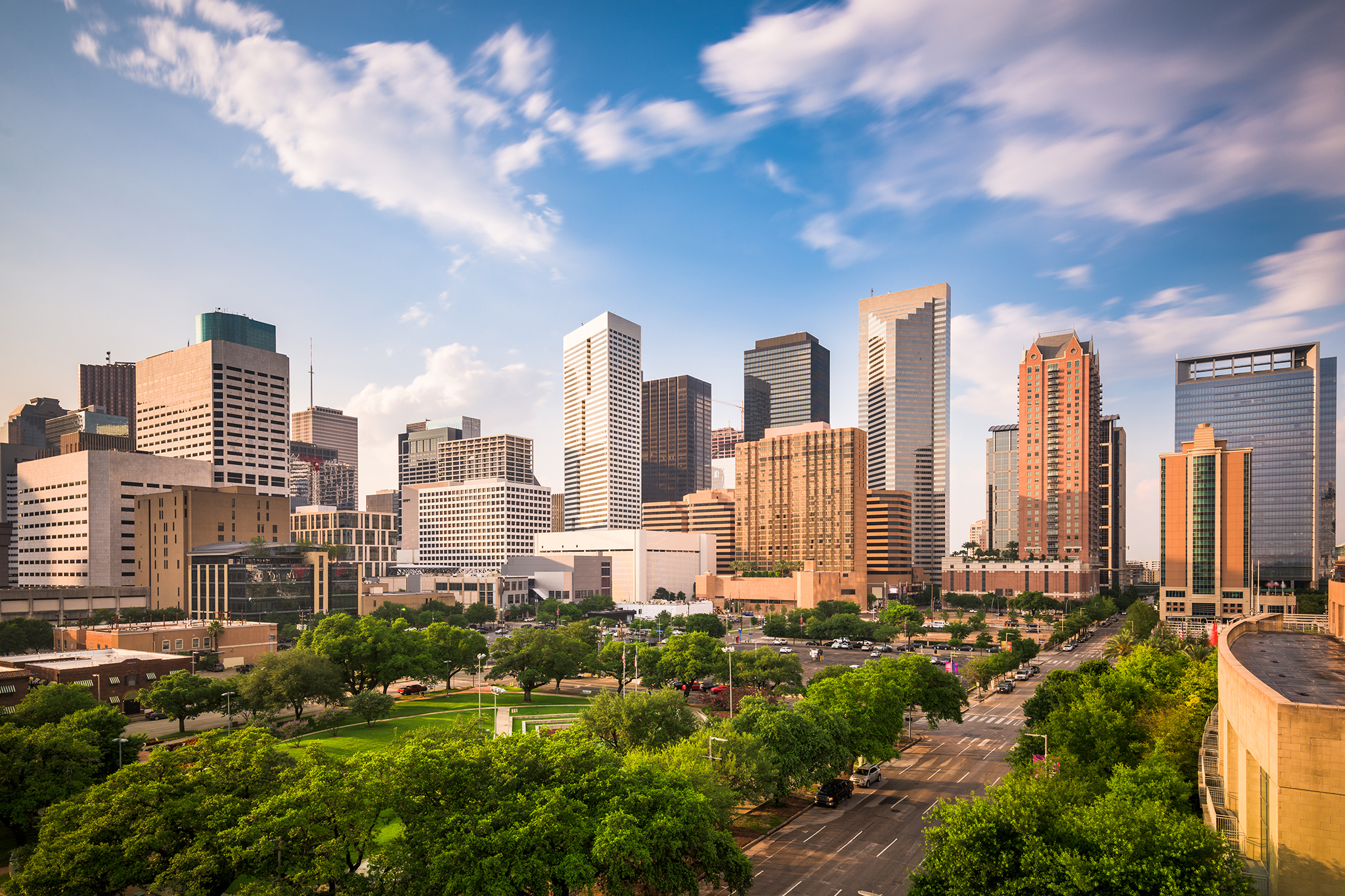
Daylight and Seasonal Influences
The interplay of daylight and seasons in Houston also influences the daily lives of its residents and the activities available to visitors. During the warmer months, when Daylight Saving Time is in effect, longer daylight hours encourage outdoor activities well into the evening. This is the perfect time to enjoy a stroll through Discovery Green Park or explore the vibrant Montrose neighborhood under the extended twilight. Conversely, shorter winter days might shift the focus towards indoor attractions, such as the numerous art galleries and theaters in the Theater District. Understanding these seasonal shifts, tied to the ebb and flow of daylight, can help visitors optimize their experiences throughout the year.
LifeOutOfTheBox is a participant in the Amazon Services LLC Associates Program, an affiliate advertising program designed to provide a means for sites to earn advertising fees by advertising and linking to Amazon.com. Amazon, the Amazon logo, AmazonSupply, and the AmazonSupply logo are trademarks of Amazon.com, Inc. or its affiliates. As an Amazon Associate we earn affiliate commissions from qualifying purchases.