
El Paso, Texas, a city nestled in the heart of the Chihuahuan Desert, boasts a climate that is as distinctive as its dramatic landscapes. Understanding the prevailing temperatures in El Paso, Texas is crucial for anyone planning a visit, whether for a leisurely exploration of its rich history, an adventure in the surrounding natural beauty, or simply to experience its unique cultural fusion. The “Sun City,” as it’s affectionately known, experiences a semi-arid climate characterized by abundant sunshine year-round, low humidity, and significant diurnal temperature variations.
Understanding El Paso’s Climate Profile
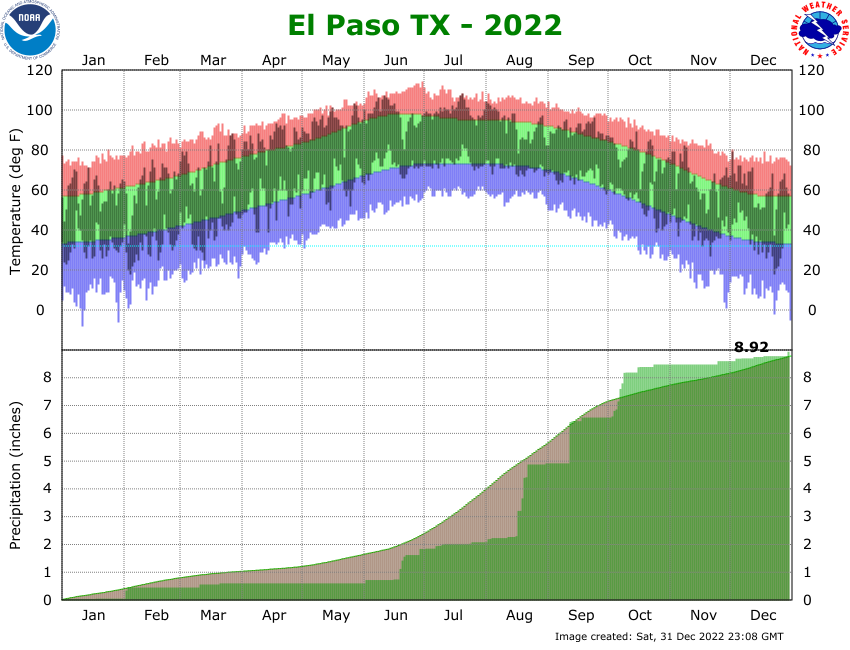
The climate of El Paso, Texas is heavily influenced by its geographical location. Situated at a high elevation (approximately 3,700 feet above sea level) and in the rain shadow of the Franklin Mountains, the city receives an average of only about 9 inches of precipitation annually. This arid environment translates into clear skies for much of the year, contributing to the high number of sunny days that define its nickname. The average annual temperature hovers around 65°F (18°C), but this figure masks the wide swings experienced between seasons and even between day and night.

Seasonal Temperature Variations
While the overall climate is warm, distinct seasonal shifts dictate the temperature in El Paso, Texas. Each season offers a different facet of the city’s charm, and knowing the expected temperatures can help travelers pack accordingly and plan their activities.
Spring (March – May)
Spring in El Paso, Texas is a welcome transition from the cooler winter months. March typically sees average high temperatures in the low 70s°F (around 22°C) and lows in the low 40s°F (around 5°C). As the season progresses, temperatures steadily climb. By May, average highs are in the upper 80s°F (around 31°C), while average lows are in the mid-60s°F (around 18°C). This period is ideal for outdoor activities, with blooming desert flora adding bursts of color to the landscape. However, it’s wise to be prepared for occasional strong winds and dust storms, which are common in arid environments.
Summer (June – August)
Summers in El Paso, Texas are characterized by intense heat and prolonged sunshine. June is the start of the warmest period, with average highs often exceeding 95°F (35°C) and reaching into the triple digits. July and August are the peak of the summer heat, with average highs frequently in the high 90s°F to low 100s°F (35-38°C). Nighttime temperatures offer some relief, with average lows usually in the low 70s°F (around 22°C). The humidity remains low, which can make the heat more bearable than in more humid regions, but hydration and seeking shade are paramount. Monsoon season, typically from July to September, can bring brief, intense thunderstorms, offering temporary cooling and a chance to witness dramatic desert skies.
Autumn (September – November)
Autumn is often considered the most pleasant season in El Paso, Texas. September still carries some of the summer’s warmth, with average highs in the low 90s°F (around 33°C). However, by October, temperatures begin to cool significantly. Average highs drop into the 70s°F and 80s°F (25-30°C), and average lows are in the 50s°F (10-15°C). November brings even more comfortable conditions, with average highs in the 60s°F (around 18-20°C) and lows in the 40s°F (around 5-10°C). This season is perfect for exploring attractions like the Franklin Mountains State Park or enjoying cultural events without the intense summer heat.
Winter (December – February)
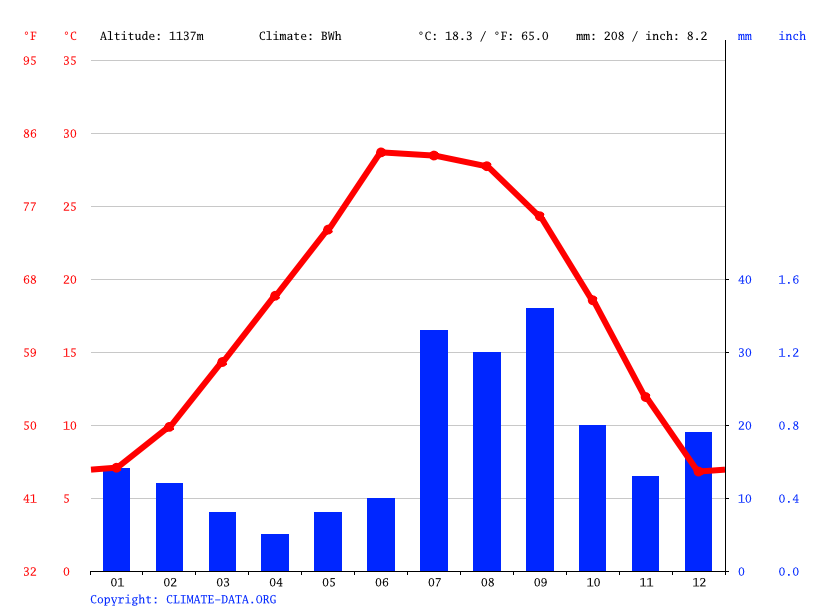
Winters in El Paso, Texas are mild and generally pleasant. December and January are the coolest months, with average high temperatures in the mid-50s°F (around 12-15°C) and average lows around the freezing point, often dipping below 32°F (0°C) at night. Snowfall is rare but not unheard of, usually occurring as a light dusting that quickly melts. February begins to show signs of spring, with temperatures starting to gradually increase. While cooler, winter offers a respite from the heat and is a good time to explore indoor attractions or enjoy crisp desert mornings and evenings.
Diurnal Temperature Swings and Their Impact
A defining characteristic of the desert climate in El Paso, Texas is the significant diurnal temperature range – the difference between the daily high and low temperatures. Due to the low humidity and clear skies, the desert efficiently radiates heat at night. This means that even after a very hot day, temperatures can drop substantially after sunset.
Preparing for Temperature Fluctuations
This phenomenon has several implications for visitors. During the summer months, a day that reaches 100°F (38°C) can easily see its evening temperatures fall into the 70s°F (20s°C). Conversely, even in winter, a cool morning around 30°F (-1°C) can warm up to a pleasant 55°F (13°C) by the afternoon. This necessitates a layered approach to clothing. Packing light layers – such as t-shirts, long-sleeved shirts, a sweater or light jacket, and comfortable pants – allows individuals to adjust to the changing temperatures throughout the day.
Practical Temperature Considerations for Travelers
When planning a trip to El Paso, Texas, consulting a reliable weather forecast close to your travel dates is always recommended. However, understanding the general temperature patterns will greatly assist in packing and itinerary planning.
Packing Essentials
- Sun Protection: Regardless of the season, the sun in El Paso, Texas is intense. A wide-brimmed hat, sunglasses, and high-SPF sunscreen are non-negotiable.
- Hydration: Carrying a reusable water bottle is essential to stay hydrated, especially during warmer months and when engaging in outdoor activities.
- Layered Clothing: As discussed, packing versatile layers will allow you to adapt to the significant temperature variations.
- Comfortable Footwear: El Paso, Texas offers numerous opportunities for walking, whether exploring the historic downtown, visiting the El Paso Museum of Art, or hiking in the Franklin Mountains State Park. Comfortable shoes are a must.
- Light Jacket or Sweater: Evenings can cool down considerably, even in the shoulder seasons.
Activity Planning Based on Temperature
- Mornings and Evenings: Utilize the cooler parts of the day for outdoor excursions, such as hiking or exploring outdoor markets.
- Midday: During the hottest parts of summer, consider indoor activities. This could include visiting the El Paso Holocaust Museum, enjoying a meal at a local restaurant, or relaxing at your accommodation.
- Desert Drives: Scenic drives through the desert are enjoyable year-round, but checking temperatures before embarking is wise.
Beyond the Numbers: Experiencing El Paso’s Climate
The temperature in El Paso, Texas is more than just a statistic; it’s an integral part of the experience. The dry, warm air contributes to the stunning clarity of the skies, offering breathtaking views of the sunsets and the star-filled nights. The heat, while significant in summer, is a reminder of the resilience of life in the desert and has shaped the city’s culture and architecture. From the vibrant festivals that enliven its streets to the serene beauty of its natural surroundings, the climate plays a vital role in defining the unique character of El Paso, Texas. Whether you seek adventure, cultural immersion, or simply a different pace of life, understanding the temperature is your first step to a rewarding visit to this captivating border city.
LifeOutOfTheBox is a participant in the Amazon Services LLC Associates Program, an affiliate advertising program designed to provide a means for sites to earn advertising fees by advertising and linking to Amazon.com. Amazon, the Amazon logo, AmazonSupply, and the AmazonSupply logo are trademarks of Amazon.com, Inc. or its affiliates. As an Amazon Associate we earn affiliate commissions from qualifying purchases.