
The allure of the vast Texan landscape, with its myriad of wetlands, rivers, and coastal marshes, draws countless enthusiasts to its waters for the pursuit of migratory waterfowl. For those planning a trip to the Lone Star State with the intention of participating in duck hunting, understanding the season’s end is paramount. Beyond the thrill of the hunt, responsible and legal participation hinges on a thorough grasp of the regulations, particularly the closing dates for duck season. This guide delves into the specifics of when duck season concludes in Texas, offering insights for both seasoned hunters and those new to the experience, ensuring a fulfilling and compliant adventure.
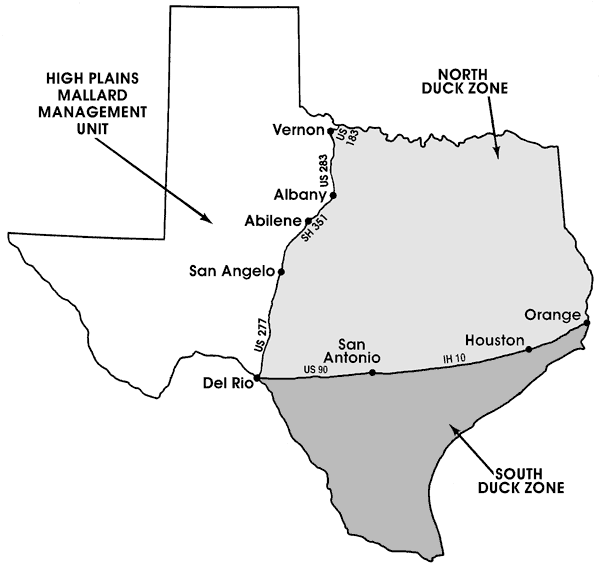
Understanding Texas Duck Seasons: A Regulatory Overview
The Texas Parks and Wildlife Department (TPWD) is the governing body responsible for setting and enforcing hunting regulations, including the precise dates for duck seasons. These seasons are not monolithic; they are meticulously structured to align with migratory patterns and conservation goals. Several species of ducks inhabit or migrate through Texas, and each may have slightly different season frameworks. The most common species encountered include mallards, pintails, teal, canvasbacks, and redheads, among others.
The TPWD divides the state into various hunting zones to better manage these migratory birds. The most prominent of these are the North, Central, and South Zones, each with its own distinct opening and closing dates for the general duck season. Additionally, there are special youth hunts and early teal seasons, which have their own unique schedules that precede or overlap with the main season.
The North, Central, and South Zones
The designation of these zones is based on historical duck flight patterns and habitat availability. The North Zone typically experiences the earliest winter conditions and thus sees the first arrival of many migratory waterfowl, leading to its earlier season opening. Conversely, the South Zone, with its warmer climate, often hosts ducks later into the winter, resulting in a later season closing. The Central Zone falls in between, reflecting the transitional nature of waterfowl movements.
It is crucial to note that these zones and their associated dates are subject to annual review and potential adjustments by the TPWD. Factors such as population counts, environmental conditions, and federal guidelines for migratory bird management can influence these decisions. Therefore, always consult the most current TPWD regulations for the specific hunting year.
Early Teal Season
An exciting prelude to the main duck season is the early teal season. This specialized period targets the fastest migrating ducks, the blue-winged and green-winged teal, which typically arrive in Texas earlier than most other species. The early teal season usually opens in September, offering a unique opportunity for hunters to get afield before the general duck season commences. While it falls under the umbrella of duck hunting, its distinct dates make it a separate consideration when planning.
Determining the Official End Date for Duck Season
The end of duck season in Texas is not a single, universally applied date. Instead, it is determined by a combination of the hunting zone and the specific type of duck season. For the general duck season, the closing date varies by zone.
North Zone Closing Dates
The North Zone of Texas, which encompasses the Panhandle and parts of North Texas, generally sees its general duck season conclude in late November or early December. This allows hunters to take advantage of the colder weather that typically drives more ducks into the region.
Central Zone Closing Dates
The Central Zone, situated in the heart of the state, usually experiences a slightly later closing date than the North Zone, often extending into mid-December. This zone offers a good balance, with opportunities for both early and late season hunting.
South Zone Closing Dates
The South Zone, which includes the populous areas of the Texas coast and South Texas, typically has the latest closing date for the general duck season. This often stretches into early January, providing hunters with extended opportunities as waterfowl utilize the warmer climate and abundant food sources available in these southern reaches.
Special Youth Hunts
The TPWD also designates special youth hunting days for duck season. These are typically held on a weekend just before the opening of the regular season in each respective zone. While these are specifically for young hunters, they represent an earlier opportunity to hunt ducks, and their end dates are also clearly defined within the TPWD regulations.
Conservation Efforts and Season Length

The length of duck seasons and their specific closing dates are carefully calibrated to ensure the sustainable harvest of migratory bird populations. The TPWD, in conjunction with federal agencies, monitors duck populations and habitat conditions. If populations are low or habitat conditions are poor, season lengths may be shortened, or bag limits reduced to protect the birds. Conversely, healthy populations can support longer seasons and more liberal limits. The closing date, therefore, is an integral part of a broader conservation strategy designed to ensure the future of duck hunting in Texas for generations to come.
Planning Your Duck Hunting Excursion in Texas
Knowing when duck season ends is critical for any hunter planning a trip to Texas. This knowledge impacts everything from booking accommodations to coordinating with hunting guides.
Accommodation and Logistics
If your plans extend to the latter part of the season, especially in the South Zone, you will need to secure lodging that remains open and accessible during that period. Popular hunting destinations such as Corpus Christi, Port Arthur, and various towns along the Gulf Coast might see increased demand for hotels and vacation rentals extending into early January. Early booking is always advisable, especially for hunting seasons that conclude later in the year. Consider areas with access to prime waterfowl habitat, such as the Upper Texas Coast or the rice country of Goliad County.
Engaging with Local Guides and Outfitters
Many hunters choose to hire local guides and outfitters who possess intimate knowledge of the best hunting spots and current waterfowl movements. The closing dates of duck season directly influence the availability and booking windows for these services. An outfitter operating in the North Zone will likely conclude their duck hunting services by early December, while a guide in the South Zone might extend their operations well into January. Confirming the guide’s availability based on the season’s end in your chosen zone is a critical step in planning.
Understanding Bag Limits and Regulations
Beyond the closing date, understanding the daily bag limits and possession limits is essential for legal and ethical hunting. These limits are designed to prevent overharvesting. For instance, the daily bag limit for ducks in Texas is typically seven, but this can include specific restrictions on certain species, such as the number of hen mallards or dark geese that can be taken. The possession limit is usually twice the daily bag limit, meaning you can possess up to twice the number of birds allowed per day. Always carry your valid hunting license and appropriate stamps, such as the Federal Duck Stamp and the Texas Migratory Game Bird Stamp.
The Importance of the TPWD Website
The Texas Parks and Wildlife Department (TPWD) website is the definitive source for all hunting regulations, including the precise opening and closing dates for all seasons. It is imperative for every hunter to visit the official TPWD website annually to download or review the latest Hunting and Fishing Regulations Proclamation. This document contains all the essential information regarding season dates, bag limits, zone maps, and any emergency changes or updates. Relying on outdated information can lead to significant penalties. The TPWD also provides valuable resources on waterfowl identification, conservation, and safe hunting practices.
Beyond the Season: Conservation and Future Hunting Opportunities
While the focus is on when duck season ends, it’s equally important to consider the broader context of waterfowl conservation and how responsible hunting practices contribute to the future of this cherished outdoor activity.
Conservation through Hunting
Hunting, when managed effectively, is a vital tool for conservation. The revenue generated from hunting licenses, stamps, and excise taxes on sporting goods (through acts like the Pittman-Robertson Act) directly funds wildlife research, habitat restoration, and enforcement efforts by agencies like the TPWD. By participating in duck hunting and adhering to all regulations, hunters contribute to the very ecosystem that supports duck populations.
Habitat Management and Restoration
The health of duck populations is intrinsically linked to the quality and availability of their habitats. This includes wetlands, prairies, and riparian areas. Organizations and government agencies work tirelessly on projects to restore and maintain these crucial environments. Understanding the migratory routes and habitat needs of ducks allows hunters and conservationists to better advocate for and support these efforts. For example, the conservation of coastal marshes along the Texas coast is vital for wintering waterfowl.
Ethical Hunting Practices
Ethical hunting extends beyond simply following the law. It encompasses respect for the quarry, the environment, and fellow hunters. This includes making clean kills, minimizing cripples, properly field-dressing harvested game, and leaving no trace in the field. For duck hunters, this also means understanding waterfowl behavior, practicing safe firearm handling around water, and being proficient in calling and retrieving downed birds.

Looking Ahead: The Cycle of Seasons
The closing of duck season in Texas marks the end of one opportunity but also signifies the beginning of another cycle. As ducks depart for their northern breeding grounds, the focus shifts to conservation efforts that ensure their successful reproduction. For hunters, it’s a time to reflect on the season, maintain equipment, and prepare for the next opportunity. The consistent, albeit annually adjusted, framework of Texas’s duck seasons, from the early teal hunts to the final days in the South Zone, provides a predictable yet dynamic hunting landscape, underscoring the state’s commitment to both robust outdoor recreation and effective wildlife management.
LifeOutOfTheBox is a participant in the Amazon Services LLC Associates Program, an affiliate advertising program designed to provide a means for sites to earn advertising fees by advertising and linking to Amazon.com. Amazon, the Amazon logo, AmazonSupply, and the AmazonSupply logo are trademarks of Amazon.com, Inc. or its affiliates. As an Amazon Associate we earn affiliate commissions from qualifying purchases.