
Texas, a state renowned for its vast landscapes, vibrant culture, and distinctive spirit, also observes a peculiar rhythm dictated by the annual shift in Daylight Saving Time (DST). For travelers planning a visit to the Lone Star State, understanding when this time change occurs is not merely a matter of curiosity but a practical necessity for aligning itineraries, booking accommodations, and experiencing the state’s attractions seamlessly. This guide delves into the intricacies of Texas’s time changes, offering clarity and insights for those navigating its diverse offerings.
The Dynamics of Daylight Saving Time in Texas
The concept of Daylight Saving Time, often referred to as “spring forward, fall back,” involves adjusting clocks to make better use of daylight. In the United States, the standardization of DST was enacted through the Uniform Time Act of 1966. Texas, like most of the continental United States, adheres to this federal law, though with a crucial historical footnote and an ongoing debate.
Historical Context and the Uniform Time Act
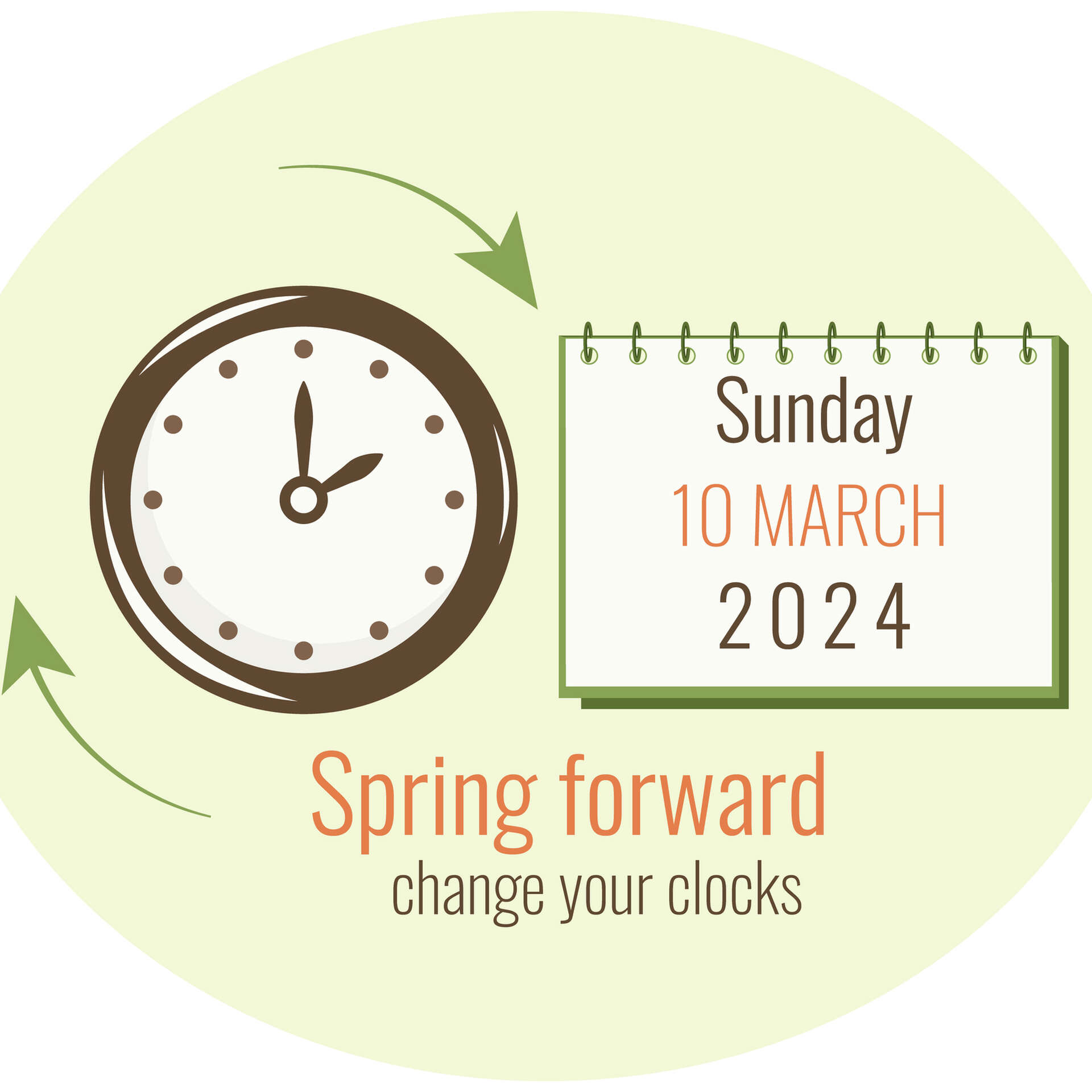
Prior to the Uniform Time Act, states and local jurisdictions could opt in or out of DST, leading to a patchwork of time observances across the country. The Act established a uniform start and end date for DST for those states that chose to participate. In Texas, this participation means clocks generally move forward by one hour at 2:00 AM on the second Sunday in March and fall back by one hour at 2:00 AM on the first Sunday in November. This consistent schedule is what most residents and visitors experience.
The Role of Local Ordinances and Exemptions
While federal law provides the framework, the Uniform Time Act does allow for certain exemptions. Specifically, states can opt out of DST altogether. Arizona and Hawaii are the only U.S. states that do not observe DST. Historically, there have been discussions and legislative attempts within Texas to follow suit, citing potential benefits like reduced energy consumption and a simpler schedule. However, as of the present, Texas continues to observe DST, and these time changes impact the entire state, with a few geographically specific exceptions.
Geographical Nuances within Texas
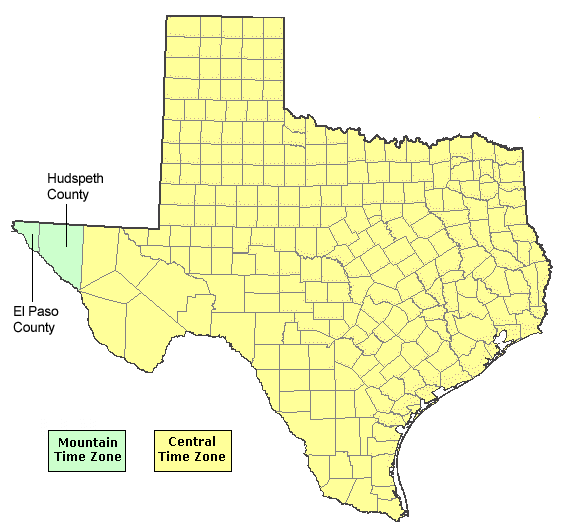
The vastness of Texas means that different regions might perceive the time change differently, especially when considering border areas. However, the primary time zones within Texas are Central Time and Mountain Time. The majority of the state, including major metropolitan areas like Dallas, Houston, and Austin, observes Central Standard Time (CST) during the fall and winter months and Central Daylight Time (CDT) during the spring and summer months.
A small portion of West Texas, specifically El Paso County and Hudspeth County, falls within the Mountain Time Zone. These areas also observe DST, meaning they align with the Mountain Daylight Time (MDT) schedule, which is one hour behind Central Time. When Central Time springs forward, Mountain Time springs forward as well, maintaining the one-hour differential. Similarly, when Central Time falls back, Mountain Time also falls back. Understanding these time zone differences is crucial for planning trips that might span across different regions of Texas, especially for coordinating meetings or activities. For instance, a business meeting scheduled for 9:00 AM in El Paso would correspond to 10:00 AM in Dallas.
Navigating the Time Change for Travel in Texas
For travelers, the DST shift in Texas presents several considerations that can affect the planning and enjoyment of their trip. From arrival times to scheduling tours and even appreciating the natural light, being aware of the time change is paramount.
Pre-Trip Planning and Itinerary Adjustment
When booking flights or planning road trips into or out of Texas, always verify the arrival and departure times in local Texas time. The DST change can create confusion if not accounted for, potentially leading to missed flights or appointments. For example, if you are traveling on the weekend of the DST change, be acutely aware of whether your departure and arrival times are before or after the clock adjustment. Many travel booking websites and airline apps will automatically adjust for these changes, but it is always prudent to double-check, especially for older booking systems or manual itinerary planning.
Impact on Attractions and Activities
Many of Texas’s renowned attractions and activities are timed, from guided tours to themed events. The DST change can subtly alter the available daylight hours for outdoor activities. In the spring and summer, when DST is in effect (CDT), evenings are longer, allowing for more leisurely exploration of places like the San Antonio River Walk or an evening stroll through the historic streets of Galveston. Conversely, in the fall and winter (CST), daylight hours are shorter, which might influence decisions on when to visit outdoor landmarks such as the Big Bend National Park or schedule a round of golf at a scenic course.
Consider booking tours and activities well in advance, especially during peak travel seasons. When doing so, confirm the exact local time for the activity. Many tour operators in cities like Austin or Fort Worth will specify times using the local DST designation (e.g., 7:00 PM CDT). Understanding this ensures you are present at the correct time.
Accommodation and Arrival
For those arriving at their lodging, particularly at hotels or resorts, understanding the local time is critical. Most hotels operate on the local time of their city. However, if you are driving from a different time zone that has already observed or is yet to observe a DST change, there can be a brief period of confusion. Ensure your GPS or navigation system is updated with the latest time zone information for your destination in Texas.
When booking stays at places like the Hotel San Jose in Austin or the The Adolphus in Dallas, check-in and check-out times are always based on the local time. If you plan on arriving late or departing early, confirm these times with the hotel to avoid any issues. The extended daylight hours during CDT can also influence when you might want to enjoy amenities like hotel pools or outdoor dining areas.
The Debate and Future of Time Changes in Texas
The question of whether Texas should continue to observe Daylight Saving Time is a recurring one, with passionate arguments on both sides. Understanding this ongoing debate provides a deeper context to the state’s temporal rhythm.
Arguments for Remaining on Standard Time
Proponents of abolishing DST in Texas often cite potential health benefits, as the abrupt shift can disrupt sleep patterns and affect circadian rhythms. Studies have suggested a correlation between the time change and an increase in certain health issues, such as heart attacks and strokes, in the days following the shift. Furthermore, some argue that the energy savings attributed to DST are minimal in modern times, given widespread use of energy-efficient lighting and appliances. A permanent switch to Standard Time would eliminate the biannual clock changes, simplifying life for residents and businesses.
Arguments for Remaining on Daylight Saving Time
On the other hand, those who support maintaining DST emphasize its benefits for outdoor recreation and economic activity. Longer daylight hours in the evening are popular for after-work activities, sports, and tourism. Businesses that rely on outdoor pursuits, such as golf courses, amusement parks, and outdoor dining establishments, often find DST to be advantageous for extended operating hours and increased customer engagement. The longer evenings are also perceived to enhance public safety, as more daylight can deter crime and improve visibility for pedestrians and cyclists.
The Legislative Landscape and Potential Outcomes
The debate over DST in Texas has seen various legislative proposals introduced in recent years. While some have gained traction, none have yet resulted in a permanent change to the state’s observance of DST. The U.S. Congress also plays a role, as any state-wide decision to permanently adopt DST would require federal approval under the Uniform Time Act. For the foreseeable future, travelers can expect Texas to continue its current DST schedule. However, staying informed about legislative developments is advisable, as this is a topic that continues to be discussed and potentially re-evaluated.
Maximizing Your Texas Experience Regardless of the Clock
Whether Texas observes Daylight Saving Time or not, the allure of the state remains undiminished. The key to a fulfilling visit lies in being informed and adaptable.
Embracing the Long Days of Summer
During the months of CDT, the extended daylight hours offer ample opportunity to explore. Take advantage of the later sunsets to enjoy an evening concert in Austin, catch a sunset over the Gulf of Mexico in Corpus Christi, or simply linger longer at a family-friendly destination like Schlitterbahn Waterpark. The extra hours of light can transform a typical day into an extended adventure, allowing for a more relaxed pace and the inclusion of more activities.
Savoring the Cozy Evenings of Winter
When Texas is on CST, the shorter days bring a different kind of charm. This period is ideal for exploring the state’s rich indoor offerings. Immerse yourself in the world-class museums in Houston, experience the vibrant live music scene in Austin, or delve into the historic missions of San Antonio. The cooler temperatures and earlier darkness lend themselves well to cozy evenings spent enjoying Texas’s renowned culinary scene or attending cultural events.

Staying Connected and Informed
In today’s interconnected world, staying informed about time changes is easier than ever. Most smartphones and digital devices automatically update to the correct local time. However, for analog clocks or older devices, manual adjustment will be necessary. Before your trip, consider downloading a reliable weather app or consulting official sources for the most up-to-date information on time zone changes. This small step can prevent minor inconveniences and ensure your Texas adventure unfolds smoothly.
By understanding when Texas time changes and how it impacts travel plans, visitors can better prepare for their journeys, maximizing their time and enjoyment in this magnificent state. Whether you are drawn to the bustling cities, the serene natural beauty, or the unique cultural tapestry of Texas, a well-informed approach to time will undoubtedly enhance your experience.
LifeOutOfTheBox is a participant in the Amazon Services LLC Associates Program, an affiliate advertising program designed to provide a means for sites to earn advertising fees by advertising and linking to Amazon.com. Amazon, the Amazon logo, AmazonSupply, and the AmazonSupply logo are trademarks of Amazon.com, Inc. or its affiliates. As an Amazon Associate we earn affiliate commissions from qualifying purchases.