
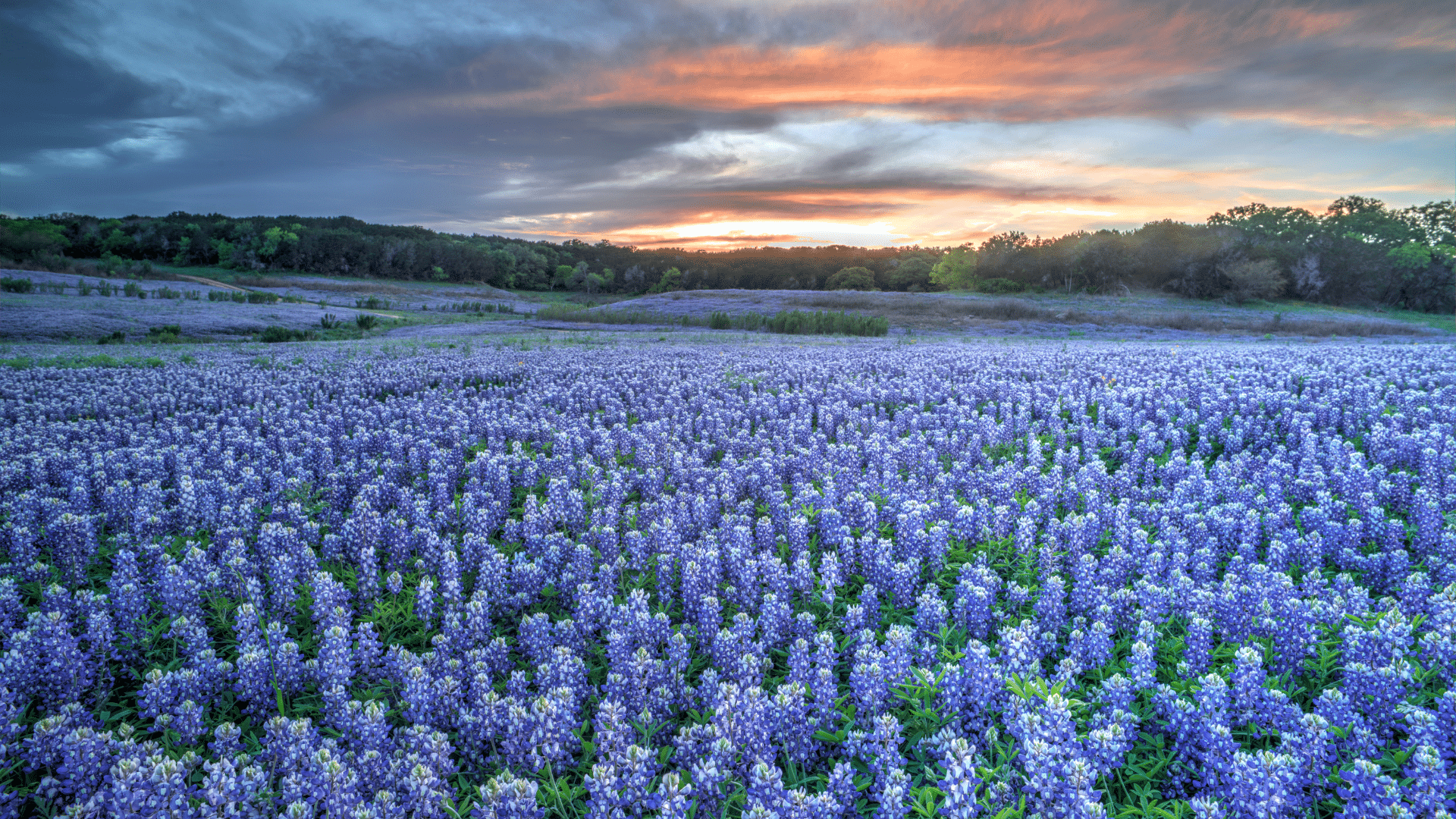
Texas, a state known for its vast landscapes and vibrant culture, offers a truly spectacular natural phenomenon each spring: the blooming of its state flower, the bluebonnet. Witnessing these iconic wildflowers carpet the rolling hills in a breathtaking display of blue, purple, and white is a quintessential Texas experience, drawing visitors from far and wide. Understanding the timing of bluebonnet season is crucial for anyone planning a trip to catch this ephemeral beauty.
The Rhythms of the Wildflower Bloom
The arrival of bluebonnets is not a fixed date on the calendar; rather, it’s a dynamic event dictated by a delicate interplay of weather patterns. The primary drivers are rainfall and temperature, making each year’s bloom a unique spectacle.
Factors Influencing the Bloom
- Rainfall is Paramount: Bluebonnets, like most wildflowers, are heavily reliant on adequate moisture. The seeds lie dormant in the soil, waiting for the right conditions to germinate. A series of good rainfalls in the late fall and winter months is essential for a robust germination and subsequent growth. Drought years often result in sparse blooms, while a wet winter can promise a spectacular show.
- Temperature’s Role: While rain is the initiator, temperature plays a crucial role in the progression of the bloom. Mild winter temperatures encourage steady growth, preventing premature blooming or damage from hard freezes. The spring months, with their warmer days, then trigger the flowering process. A sudden cold snap after the buds have formed can sometimes delay or shorten the blooming period.
- Sunlight and Soil: Bluebonnets thrive in well-drained soil, often found in the limestone-rich soils of the Texas Hill Country. They also require ample sunlight to flourish. Areas with full sun exposure will typically exhibit denser and more vibrant patches of wildflowers.
The Typical Timeline
While precise timing varies, bluebonnet season generally begins to emerge in late February and can extend through late April. However, the peak bloom, when the fields are most densely covered and the colors are most vivid, typically occurs between mid-March and mid-April. This period is often referred to as the “bluebonnet season” for optimal viewing.
It’s important to remember that different regions within Texas experience the bloom at slightly different times. South Texas often sees the earliest blooms, sometimes as early as February, due to its warmer climate. The Texas Hill Country, a prime destination for bluebonnet viewing, usually peaks in late March to early April. Further north, the blooms might lag slightly, reaching their peak later in April.
Planning Your Bluebonnet Expedition
For travelers seeking to immerse themselves in this natural spectacle, strategic planning is key. The unpredictability of nature means flexibility is a virtue, but understanding the general patterns can significantly increase your chances of experiencing the full glory of bluebonnet season.
Choosing the Right Time to Visit
- For the Early Bloomers: If you’re keen to catch the very first flowers, consider a trip to South Texas in late February or early March. Areas around San Antonio and the Rio Grande Valley can offer early glimpses.
- For the Peak Experience: The sweet spot for most visitors aiming for the iconic, widespread carpets of bluebonnets is mid-March to mid-April. This is when you’ll find the most photographers, nature enthusiasts, and families out exploring.
- For Extended Viewing: If your schedule is flexible, traveling throughout March and into early April provides a broader window to catch the peak bloom across different regions. Monitor local wildflower reports for the most up-to-date information.
Where to Find the Most Spectacular Blooms
While bluebonnets can be found scattered across much of Texas, certain areas are renowned for their abundance and accessibility. These “hotspots” are where many plan their bluebonnet pilgrimages.
Texas Hill Country Hotspots
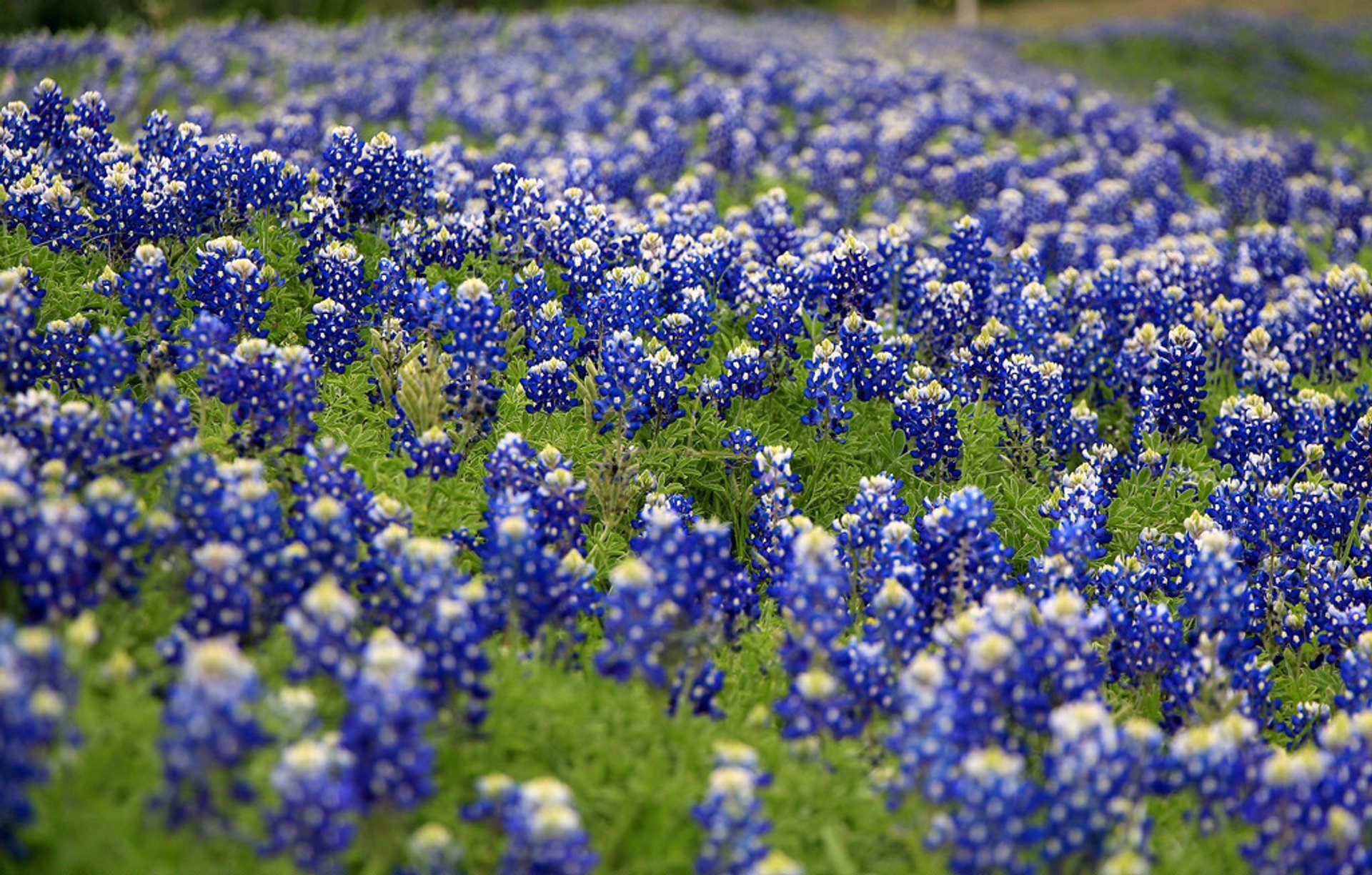
The Texas Hill Country is arguably the most famous region for bluebonnet viewing, offering picturesque rolling landscapes that become awash in color.
- Willow City Loop: This scenic drive near Fredericksburg is legendary for its stunning bluebonnet displays. The winding roads offer breathtaking vistas at every turn.
- Enchanted Rock State Natural Area: While the granite dome is the main attraction, the surrounding areas and roads leading to Enchanted Rock are often carpeted with bluebonnets.
- Lady Bird Johnson Municipal Park (Fredericksburg): This park, named after the former First Lady who championed wildflowers, is a reliable spot for viewing.
- Highway 130 Scenic Overlook (near Georgetown): This overlook offers panoramic views of bluebonnet-filled fields.
- State Highways and County Roads: Many of the most beautiful displays are found along less-traveled roads. Keep an eye out for patches of color along highways like US-290 between Austin and Fredericksburg, and various county roads throughout Burnet, Llano, and Blanco counties.
Other Notable Regions
Beyond the Hill Country, other areas of Texas contribute to the state’s wildflower tapestry.
- Chappell Hill: Located in Washington County, Chappell Hill hosts an annual Bluebonnet Festival and is known for its beautiful fields along Farm to Market Roads.
- Brenham: This charming town in Washington County is another excellent base for exploring bluebonnet country.
- West Texas: While less dense than the Hill Country, pockets of bluebonnets can be found in West Texas, particularly after good rainfall. Areas around Big Bend National Park can sometimes offer surprising displays.
- North Texas: In years with ample rain, North Texas can also surprise with roadside blooms, particularly in areas with open fields and prairies.
Experiencing the Bluebonnets Responsibly
The magic of the bluebonnets is best enjoyed with respect for the delicate ecosystem and private property. As more people flock to see the flowers, responsible tourism becomes increasingly important.
Ethical Viewing Practices
- Stay on Roadsides and Designated Areas: Avoid trampling through private fields or sensitive ecological areas to get that perfect photo. Stick to established roadsides and public land where viewing is permitted.
- Do Not Pick the Flowers: Texas law actually prohibits picking bluebonnets. Not only is it illegal, but picking them prevents them from seeding, thus diminishing future blooms. The beauty is in the spectacle of the living field, not in a plucked bouquet.
- Respect Private Property: Many of the most stunning bluebonnet fields are on private land. Always respect “No Trespassing” signs. If you wish to photograph on private property, seek explicit permission from the landowner.
- Leave No Trace: Pack out everything you pack in. Dispose of trash properly to keep the wildflower areas pristine for everyone to enjoy.
- Be Mindful of Traffic: When pulling over to admire the flowers, do so safely. Use designated pull-offs whenever possible, and be aware of passing traffic, as many roads are narrow.
- Educate Yourself and Others: Understanding the importance of wildflowers and their conservation encourages a more mindful approach to viewing. Share these principles with fellow travelers.
Capturing the Beauty: Photography Tips
The bluebonnet fields are a photographer’s dream. To capture the magic effectively:
- Timing is Everything: Golden hour – the hour after sunrise and the hour before sunset – offers the most flattering light for wildflowers, creating a soft, warm glow and minimizing harsh shadows.
- Vary Your Perspective: Don’t just shoot from eye level. Get down low to capture the flowers up close, or find a higher vantage point to showcase the vastness of the bloom.
- Look for Leading Lines: Roads, fences, or even rows of flowers can act as leading lines, drawing the viewer’s eye into the frame.
- Include Context: Incorporate elements of the Texas landscape – rolling hills, oak trees, or even a distant farmhouse – to provide a sense of place.
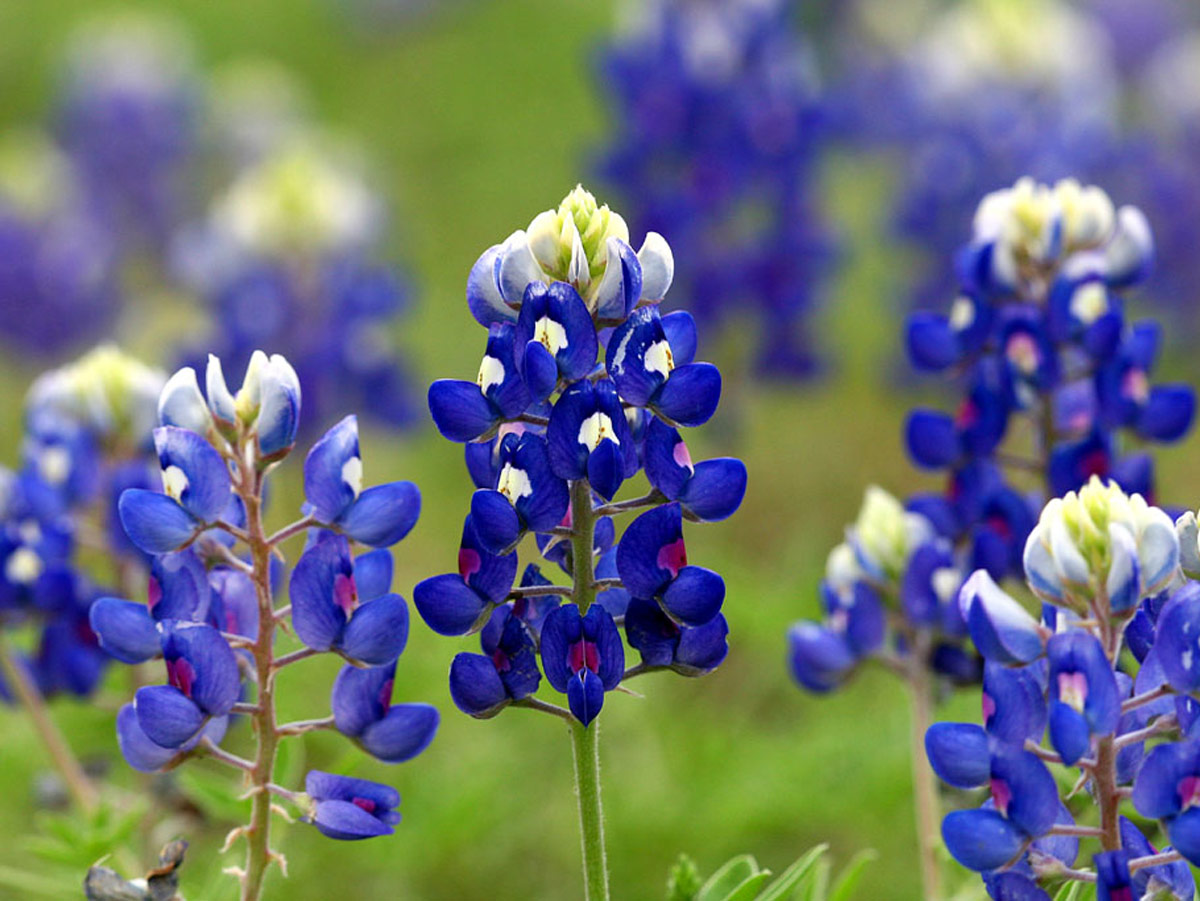
- Focus on Details: Sometimes, the most compelling shots are close-ups of individual bluebonnets, showing their intricate patterns and textures.
- Use a Tripod: For low-light conditions or to ensure sharp focus, a tripod is invaluable.
- Be Patient: The light changes, and sometimes the perfect moment requires a little waiting.
Beyond the Blue: Other Texas Wildflowers
While bluebonnets steal the show, they are just one part of a much larger and equally beautiful wildflower ecosystem that emerges each spring in Texas.
A Tapestry of Colors
The blooming season presents a riot of colors, with various species flowering in succession or concurrently with the bluebonnets. Recognizing these other wildflowers enhances the appreciation of the entire natural display.
- Indian Paintbrush: These vibrant red and orange flowers often grow in close proximity to bluebonnets, creating a stunning contrast. They are another iconic symbol of Texas wildflowers.
- Indian Blanket (Firewheel): With petals that are a striking mix of red, yellow, and orange, these flowers add a fiery splash to the landscape.
- Mexican Hats (Thimbleweed): These unique flowers, with their distinctive sombrero-like petals, come in shades of pink, red, and sometimes yellow.
- Texas Dandelion: Larger and more robust than their common garden counterparts, these yellow flowers can blanket fields in sunny patches.
- Verbena: Varieties like the delicate purple verbena add a soft, textured beauty to the mix.
- Coreopsis: These cheerful yellow flowers are often found in large clusters, providing bright spots of color.
- Lupine: While not as widespread as bluebonnets, various species of lupine contribute shades of purple and pink to the wildflower meadows.
The Importance of Biodiversity
This rich biodiversity is not just visually appealing; it plays a crucial role in the state’s ecological health. Wildflowers provide essential nectar and pollen for bees, butterflies, and other pollinators, which in turn support the broader food web. The presence of a diverse array of wildflowers indicates a healthy environment. Conservation efforts, like those championed by Lady Bird Johnson, aim to preserve these natural treasures for future generations.
Planning a trip to witness the bluebonnets is more than just a sightseeing excursion; it’s an opportunity to connect with the natural beauty of Texas and appreciate the delicate balance of its ecosystems. By understanding the timing, knowing the best locations, and practicing responsible viewing, you can ensure a memorable and impactful experience with one of America’s most cherished natural wonders.
LifeOutOfTheBox is a participant in the Amazon Services LLC Associates Program, an affiliate advertising program designed to provide a means for sites to earn advertising fees by advertising and linking to Amazon.com. Amazon, the Amazon logo, AmazonSupply, and the AmazonSupply logo are trademarks of Amazon.com, Inc. or its affiliates. As an Amazon Associate we earn affiliate commissions from qualifying purchases.