
The Texas Crawfish Season: A Culinary Calendar
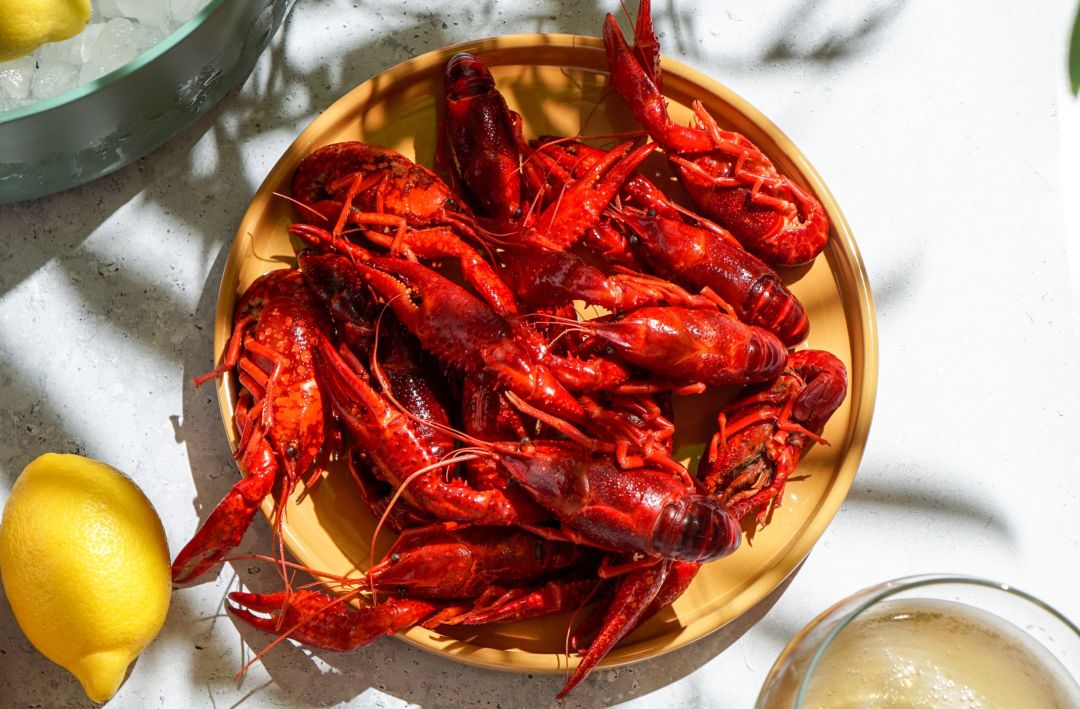
For Texans, the arrival of crawfish season is more than just a culinary event; it’s a cultural cornerstone. This vibrant crustacean, often referred to as “mudbugs,” forms the heart of countless social gatherings and culinary traditions across the Lone Star State. Understanding the seasonality of crawfish is key to experiencing the authentic Texas crawfish boil, a rite of passage for locals and an unforgettable adventure for visitors. While crawfish can technically be found year-round in some controlled environments, the prime harvesting and consumption period in Texas aligns with specific climatic and biological cycles. The sweet spot for enjoying fresh, plump crawfish typically begins in the late winter and extends through the spring and into the early summer. This period offers the best combination of flavor, availability, and price, making it the ideal time for experiencing the full bounty of Texas’s crawfish fisheries. The exact timing can fluctuate slightly year to year, influenced by weather patterns, water levels, and the reproductive cycles of the crawfish themselves. Therefore, knowing when to look for these delectable morsels ensures you don’t miss out on this cherished regional delicacy.
Understanding the Factors Influencing Crawfish Seasonality
The life cycle of the Louisiana red swamp crawfish (Procambarus clarkii) and the white river crawfish (Procambarus zonangulus), the two primary species farmed and harvested in Texas, is intimately linked to the environment. These crustaceans thrive in freshwater environments, particularly shallow ponds, marshes, and rice fields that become inundated with water.
- Water Temperature: Crawfish are cold-blooded creatures, and their activity and reproduction are highly dependent on water temperature. As temperatures begin to rise in late winter and early spring, crawfish become more active, feeding and reproducing. This increased activity leads to more abundant catches. Conversely, during colder months, they become less active and may burrow.
- Rainfall and Water Levels: Ample rainfall is crucial for crawfish farming. Flooded fields provide the necessary habitat for crawfish to feed, grow, and reproduce. Drought conditions can significantly impact populations and harvest yields. A good rainy season in the fall and winter often portends a strong crawfish season.
- Reproduction Cycles: Crawfish reproduce by laying eggs, which are carried attached to their undersides. The hatching and development of these young crawfish are also influenced by water temperature and food availability. Peak spawning and hatching periods contribute to larger populations available for harvest.
- Farming Practices: The majority of crawfish harvested in Texas are from aquaculture farms. Farmers manage their ponds to optimize crawfish growth and harvest. This includes ensuring proper water levels, managing food sources, and timing harvests for maximum yield and quality.
The Peak Season and Its Nuances
While the season broadly spans from late winter through early summer, there are distinct peaks within this period that offer the best culinary experience.
- Early Season (January – March): The season typically kicks off in January, with early catches often being smaller in size but offering a sweet, delicate flavor. These early crawfish are a sign of warmer days to come and are highly sought after by enthusiasts. Availability can be limited, and prices may be higher.
- Mid-Season (April – May): This is widely considered the prime time for crawfish season in Texas. By April and May, the crawfish have had ample time to grow, resulting in larger, meatier specimens. Water temperatures are ideal, and harvests are at their peak. This is when you’ll find the most abundant supply and often the best prices at local markets and restaurants throughout Texas, from the bustling streets of Houston to the bayous of Louisiana (which heavily influences Texas crawfish culture).
- Late Season (June – July): As the weather heats up, crawfish populations may begin to decline, and individual crawfish might start to molt, a process that temporarily softens their shells and can affect their flavor and texture. However, good catches can still be made in early June, especially in areas with consistent water sources. By July, harvests typically dwindle, and prices may rise again due to decreased supply. Some regions might extend the season slightly into early summer, but the quality and quantity diminish.
Experiencing the Texas Crawfish Boil
The culmination of understanding crawfish seasonality is the experience of a Texas crawfish boil. This communal feast is a celebration of fresh, local ingredients and a cornerstone of Texas culinary tourism.
Where to Find the Best Crawfish Boils
Throughout Texas, particularly in the eastern and southern parts of the state that share cultural ties with Louisiana, crawfish boils are a ubiquitous springtime and early summer event.
- Local Markets and Seafood Stands: Many fresh seafood markets will have live crawfish available for purchase during the season, allowing you to host your own boil. Look for vendors in areas like Galveston or along the Gulf Coast.
- Restaurants: Numerous restaurants, from casual roadside shacks to upscale establishments, will feature crawfish boils on their menus. These often include expertly seasoned crawfish with all the traditional fixings.
- Community Events and Festivals: Keep an eye out for local festivals and community gatherings that often feature large-scale crawfish boils. These events offer a lively atmosphere and a chance to sample crawfish prepared by various cooks.
- Private Boils: Many Texans host their own crawfish boils in their backyards. This is the quintessential Texas crawfish experience, involving large pots, custom spice blends, and plenty of good company.
The Art of the Crawfish Boil
A proper Texas crawfish boil is a carefully orchestrated affair, designed to impart maximum flavor to the crawfish. While recipes vary, certain components are essential.
Essential Ingredients for a Classic Boil:
- Live Crawfish: The star of the show. Freshness is paramount.
- Water: The base for the boiling liquid.
- Seasoning Blend: This is where regional and personal preferences shine. Common elements include:
- Crawfish Boil Seasoning: A pre-made blend or a custom mix.
- Cajun/Creole Seasonings: Such as Zatarain’s or other popular brands.
- Spices: Cayenne pepper, paprika, black pepper, white pepper, garlic powder, onion powder.
- Salt: Crucial for drawing out flavor.
- Aromatics:
- Onions: Quartered or halved.
- Garlic: Whole heads, halved crosswise.
- Lemons: Quartered.
- “Trimmings” or “Fixings”: These are vegetables and other items cooked alongside the crawfish to absorb the flavorful broth. Common additions include:
- Potatoes: Small red or Yukon gold potatoes.
- Corn: Corn on the cob, cut into pieces.
- Sausage: Andouille or smoked sausage, sliced.
- Optional: Mushrooms, Brussels sprouts, whole artichokes, and sometimes even shrimp or crab.
The Boiling Process:
The process is more art than science, with experienced cooks often adjusting ingredients by feel and taste.
- Prepare the Water: A large, sturdy pot (often a propane burner setup) is filled with water. Seasonings, aromatics, and the spice blend are added and brought to a rolling boil. This allows the flavors to meld.
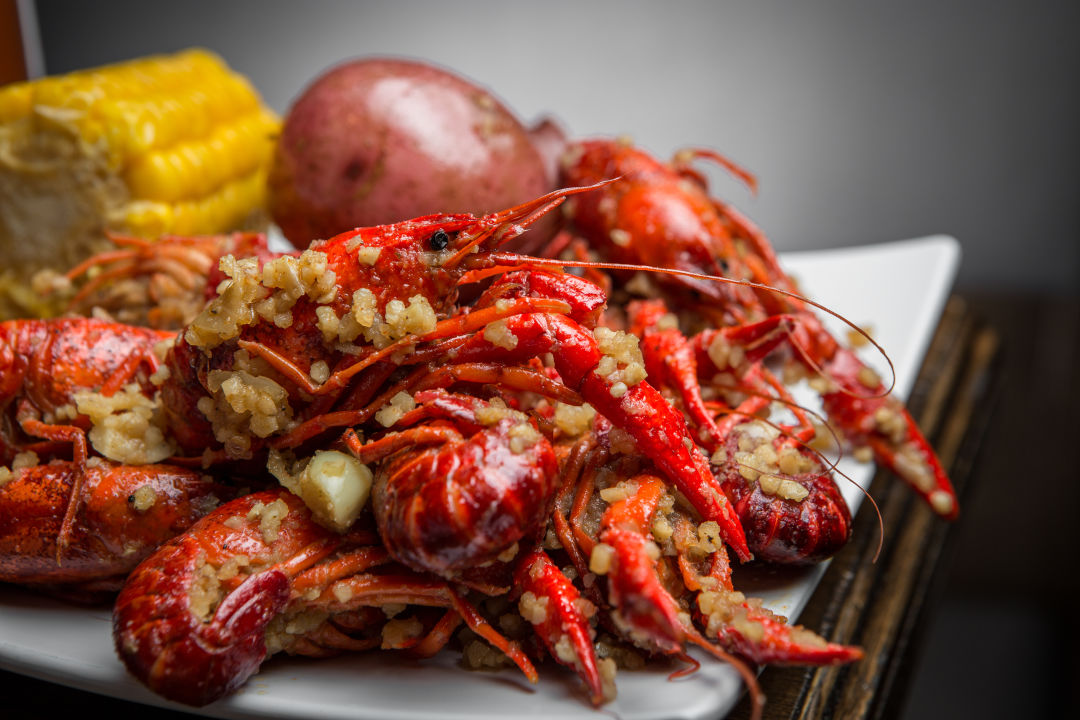
- Cook the Trimmings: Potatoes and corn are typically added first, as they take the longest to cook. Sausage is often added next.
- Add the Crawfish: Live crawfish are rinsed thoroughly and then added to the boiling water in batches. They cook quickly, usually in about 5-8 minutes, turning bright red when done.
- Soak and Infuse: After the initial boil, many cooks will turn off the heat and let the crawfish soak in the seasoned water for a period of time, allowing them to further absorb the flavors. This soaking time is critical for achieving deeply seasoned crawfish.
- Serve: The entire contents of the pot are then dumped onto newspaper-covered tables, and diners gather around to peel and eat the crawfish by hand.
Beyond the Boil: Other Crawfish Delights
While the crawfish boil is the undisputed king of crawfish season in Texas, the versatile crustacean lends itself to a variety of other delicious preparations. Exploring these dishes offers another way to savor the season.
Crawfish Etouffee
A classic Creole dish, crawfish étouffée features a rich, flavorful sauce served over rice. It’s typically made with a roux, diced onions, bell peppers, celery (the “holy trinity”), garlic, and copious amounts of crawfish. The resulting dish is hearty, comforting, and packed with the sweet flavor of crawfish. Many restaurants in Texas, especially those with a Cajun or Creole influence, will offer a sublime étouffée during crawfish season.
Crawfish Bisque
Similar to étouffée in its richness, crawfish bisque is a more refined dish. It often starts with a flavorful crawfish stock, enhanced with tomatoes, vegetables, and heavy cream, resulting in a velvety, luxurious soup. Sometimes, the crawfish heads are used to create a deeply flavored base, and the tails are added towards the end.
Fried Crawfish
For those who enjoy a crispy bite, fried crawfish is a delightful option. Whole crawfish or just the tails can be seasoned, battered, and deep-fried to golden perfection. These are often served with a spicy dipping sauce and make for a fantastic appetizer or bar snack.
Crawfish Pasta Dishes
The delicate flavor of crawfish also pairs beautifully with pasta. Creamy pasta sauces, lemon-butter sauces, or even spicy tomato-based sauces can be elevated with the addition of fresh crawfish tails. This offers a more contemporary take on enjoying the season’s bounty.
Crawfish Egg Rolls and Appetizers
Inventive chefs are constantly finding new ways to incorporate crawfish into their menus. You might find crawfish egg rolls, crawfish dip, or crawfish cakes, all offering unique and flavorful ways to enjoy the seasonal delicacy. These innovative dishes showcase the adaptability of crawfish and its appeal to a broad range of palates.
Planning Your Texas Crawfish Culinary Adventure
To truly experience the peak of crawfish season in Texas, thoughtful planning can enhance your journey.
Timing Your Visit
The ideal time to visit Texas for crawfish is generally from April through May. This period offers the highest likelihood of abundant harvests, the largest crawfish, and the best prices. However, if you’re keen on being among the first to enjoy the season, January and February can offer early, albeit smaller, catches. For those who prefer to avoid the peak crowds and potential price surges, late March or early June might be a good compromise. Remember that weather plays a significant role, so monitoring local reports and checking with seafood vendors or restaurants for current availability is always advisable.
Choosing Your Location
While crawfish are harvested and enjoyed throughout Texas, certain regions are more renowned for their crawfish culture.
- Eastern Texas: Towns near the Louisiana border, such as those in the Golden Triangle area (Beaumont, Port Arthur, Orange), have a strong Cajun influence and are excellent places to find authentic crawfish boils and related cuisine.
- Gulf Coast: Cities like Galveston and Freeport offer fresh seafood options, including crawfish, often with a coastal flair.
- Major Metropolitan Areas: Houston, Dallas, and Austin all have diverse culinary scenes and will feature crawfish dishes and boils at various restaurants, especially during peak season. These cities provide a wider range of dining experiences, from casual to upscale.
Attending a Crawfish Festival
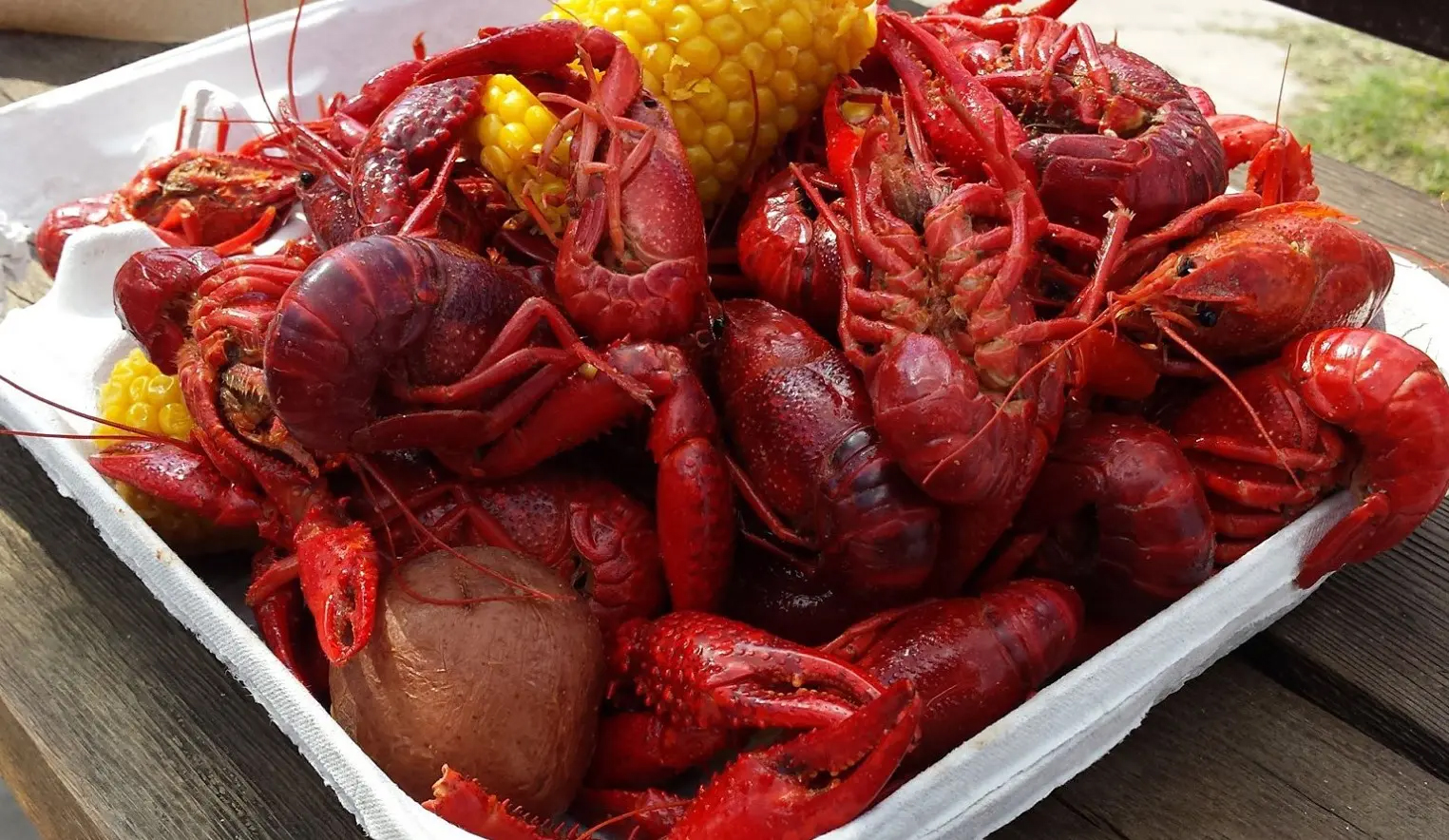
Many communities across Texas host annual crawfish festivals, celebrating the season with food, music, and family-friendly activities. These events are a fantastic way to immerse yourself in the local culture and enjoy a wide variety of crawfish preparations. Research local event listings for festivals that might coincide with your visit. These often provide a lively and authentic glimpse into Texas traditions.
By understanding the nuances of the crawfish season in Texas and planning your culinary adventure accordingly, you can ensure a memorable and delicious experience, savoring this beloved crustacean at its absolute best.
LifeOutOfTheBox is a participant in the Amazon Services LLC Associates Program, an affiliate advertising program designed to provide a means for sites to earn advertising fees by advertising and linking to Amazon.com. Amazon, the Amazon logo, AmazonSupply, and the AmazonSupply logo are trademarks of Amazon.com, Inc. or its affiliates. As an Amazon Associate we earn affiliate commissions from qualifying purchases.