
Texas, a state renowned for its vast landscapes and diverse agricultural bounty, offers a distinct culinary calendar shaped by its varied climate. Among the most anticipated seasonal delights is the Texas strawberry. For enthusiasts eager to savor the plump, ruby-red fruit at its peak flavor, understanding the timing of strawberry season is crucial. This guide delves into the nuances of when to find the freshest Texas strawberries, exploring the factors that influence their availability and highlighting the best regions and experiences for indulging in this sweet harvest.
The Texas Strawberry Growing Cycle
The life of a Texas strawberry is a fascinating journey, deeply influenced by the state’s unique climate patterns. Unlike regions with a more temperate four-season cycle, Texas experiences a broader spectrum of weather, from sweltering summers to surprisingly mild winters in some areas. This variability plays a significant role in determining when strawberry plants thrive and produce fruit.

Ideal Growing Conditions
Strawberry plants, scientifically known as Fragaria × ananassa, are perennial plants that prefer mild temperatures and ample sunlight. They are particularly sensitive to frost during their flowering and fruiting stages. In Texas, the ideal conditions for strawberry cultivation often occur during the cooler months and the transition into spring.
- Temperature: While strawberries can tolerate a range of temperatures, they flourish best when daytime temperatures hover between 60°F and 80°F (15°C to 27°C). Extreme heat, characteristic of Texas summers, can stress the plants, leading to reduced fruit production and quality. Conversely, early or late frosts can damage blossoms and young fruit.
- Sunlight: Adequate sunlight is essential for photosynthesis, which fuels fruit development and sugar production, resulting in sweeter berries. Texas generally provides abundant sunshine throughout the year, but timing its availability with the plant’s needs is key.
- Soil and Water: Well-drained, slightly acidic soil is preferred. Consistent moisture is also vital, especially during fruit development, but overwatering can lead to root rot and fungal diseases.
Varieties Planted in Texas
Several strawberry varieties are cultivated in Texas, each with slightly different characteristics and optimal growing periods. Growers often select varieties that are well-suited to the local climate and market demand. Some popular types include:
- Chandler: A widely adapted variety known for its large, firm fruit and good flavor. It’s a popular choice for commercial growers due to its productivity.
- Pajaro: Another firm, medium-sized berry that ripens well and offers good disease resistance.
- Earliglow: Known for its early ripening and excellent sweet flavor, though its berries might be smaller.
- Seascape: A day-neutral variety that can produce fruit over a longer period, less dependent on day length.
The specific varieties planted by individual farms can influence the precise start and end dates of their harvest. However, the general climatic windows remain the primary drivers of the statewide season.
The Peak Strawberry Season in Texas
While some early birds might find strawberries trickling into the market a bit sooner, the true heart of Texas strawberry season generally begins in the late winter and extends through the spring. This period offers the most consistent availability and the highest quality of fruit.
The Winter Bloom and Spring Harvest
Texas’s milder winters are a significant advantage for strawberry growers. In many parts of the state, particularly in the southern and central regions, strawberry plants can begin to flower as early as late January or February. The fruits then develop and ripen in the following weeks.
- Early Season (Late February to March): This is when the first wave of ripe strawberries typically appears. The berries harvested during this time are often exceptionally flavorful, benefiting from the cooler weather that promotes sugar development without the intense heat that can make them mushy. The quantities might be smaller initially, but the quality is usually outstanding.
- Peak Season (April): April is unequivocally the prime month for Texas strawberries. The weather is usually warm but not excessively hot, ideal for abundant fruiting. Fields are brimming with ripe berries, making this the best time for avid strawberry lovers to visit farms and markets. The flavor is at its sweetest, and the texture is firm and juicy.
- Late Season (May): As the Texas heat begins to ramp up in May, strawberry production will start to wane. While some farms may still have berries available, the quality might not be as consistently high as in April. The intense sun and rising temperatures can lead to softer fruit and a shorter shelf life. However, for those who missed the peak, late May can still offer opportunities to find some delicious, locally grown strawberries.
Regional Variations
Texas is a vast state, and its diverse microclimates mean that strawberry seasons can vary slightly from one region to another.
- South Texas: Regions like Corpus Christi and McAllen often see the earliest starts to strawberry season due to their warmer winters. The season here might begin in late January or early February and extend through April.
- Central Texas: Areas around Austin, San Antonio, and Houston typically experience their strawberry season from late February through April, with peak availability in April.
- North Texas: Cities like Dallas and Fort Worth might see a slightly later start, with the season usually commencing in March and peaking in April. Frosts can be a more significant concern here, potentially delaying the start or impacting early yields.
- West Texas: The arid climate and greater temperature fluctuations in West Texas make commercial strawberry farming less common, but where it is practiced, the season often aligns with that of Central Texas, with a focus on spring harvests.
Experiencing Texas Strawberry Season: Beyond the Farm Stand
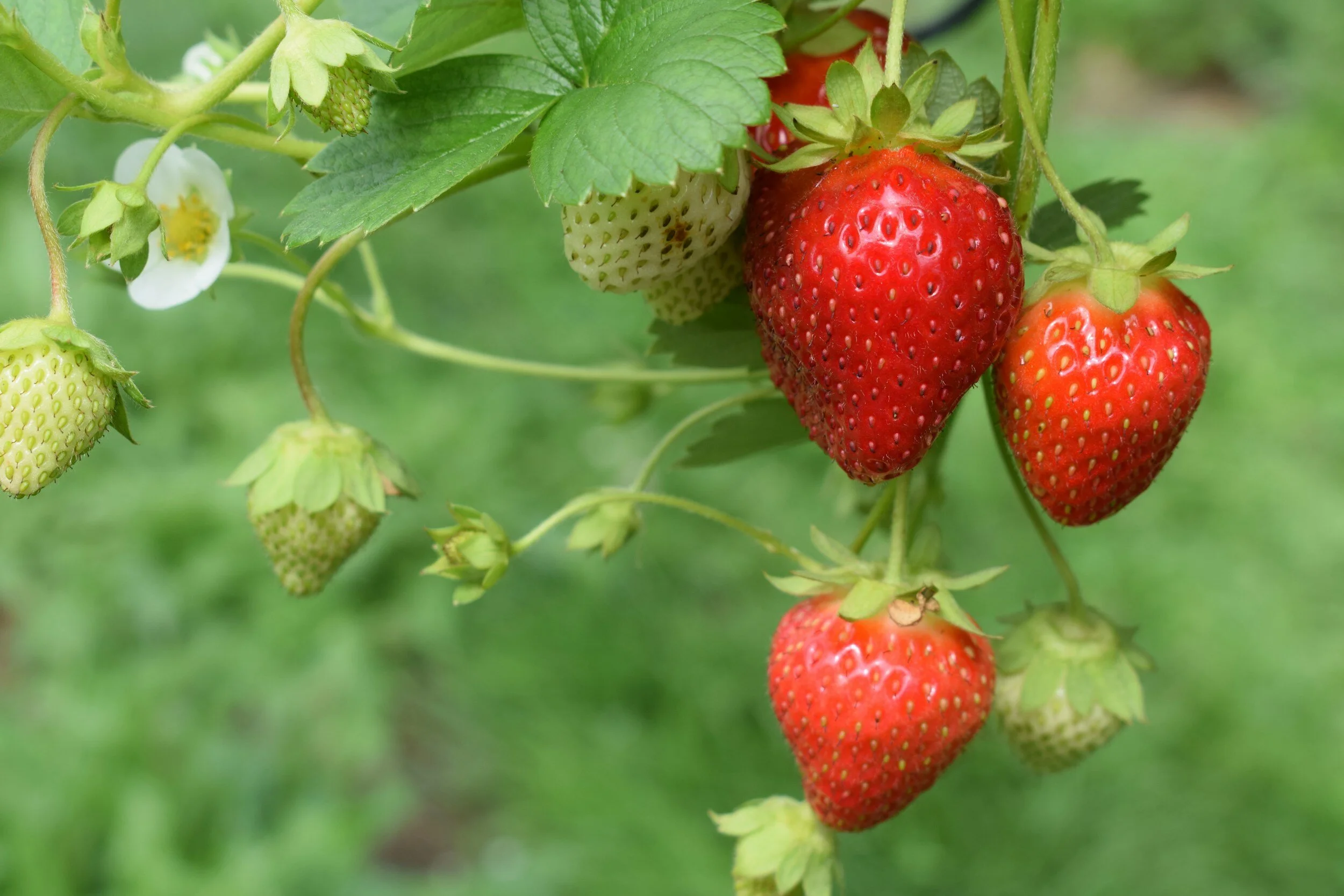
The availability of fresh Texas strawberries presents a wonderful opportunity to engage with local agriculture and culinary traditions. Beyond simply purchasing berries from a roadside stand or farmers’ market, there are numerous ways to immerse yourself in the season.
U-Pick Farms and Agritourism
One of the most rewarding ways to experience strawberry season is by visiting a u-pick farm. This hands-on activity allows you to wander through the fields, select the ripest berries directly from the plants, and enjoy the fresh air and scenic countryside.
- Benefits of U-Pick:
- Freshest Fruit: You pick the berries at their absolute peak of ripeness.
- Cost-Effective: Often, u-pick berries are priced lower per pound than pre-picked options.
- Family Fun: It’s an enjoyable outing for families, offering a connection to where food comes from.
- Support Local Farmers: Your visit directly supports the agricultural community.
- Finding U-Pick Farms: Many farms across Texas, especially in the aforementioned growing regions, offer u-pick experiences. A quick online search for “Texas u-pick strawberries” will yield numerous results. Websites of local agricultural associations or tourism boards often feature directories of participating farms. Popular destinations include farms around Athens, Pecan Gap, and the Texas Hill Country.
Farmers’ Markets and Local Produce Stands
For those who prefer convenience, farmers’ markets are an excellent source for locally grown strawberries. These vibrant community hubs bring together numerous local vendors, offering a wide array of fresh produce, artisanal foods, and handcrafted goods.
- Where to Find Them: Major cities like Houston, Dallas, Austin, and San Antonio host numerous farmers’ markets throughout the week, with many operating on weekends. Smaller towns often have their own weekly markets as well.
- Seasonal Markets: Keep an eye out for seasonal markets specifically focused on spring produce. These can be a treasure trove of the season’s best offerings.
Culinary Delights and Events
The arrival of strawberry season also sparks creativity in the kitchen and leads to special events and menu items at local eateries.
- Strawberry Festivals: Many Texas communities host annual strawberry festivals to celebrate the harvest. These events often feature live music, craft vendors, children’s activities, and, of course, plenty of strawberry-themed food and drinks. Keep an eye on local event calendars for dates.
- Restaurant Menus: Restaurants often incorporate fresh Texas strawberries into their spring menus. Look for dishes ranging from strawberry salads and shortcakes to strawberry-infused cocktails and desserts. This is a great way to support local businesses and enjoy the fruit prepared by professional chefs.
- Home Cooking: Bringing home a bounty of fresh strawberries from a u-pick farm or market is an invitation to experiment in the kitchen. Classic recipes like strawberry jam, pies, smoothies, and simple desserts highlighting the natural sweetness of the berries are perfect for this time of year.
Maximizing Your Strawberry Experience
To ensure you make the most of Texas strawberry season, a little planning and awareness can go a long way.
Timing Your Visit
- Early Bird vs. Peak: If you prioritize the absolute earliest berries and potentially more unique varieties, aim for late February or early March. For the largest selection, best quality, and abundant availability, April is the sweet spot.
- Weather Considerations: Spring in Texas can be unpredictable. Be prepared for a range of temperatures, and check the weather forecast before heading to a u-pick farm. Light rain can sometimes delay picking, so it’s wise to confirm farm operations on iffy days.
Selecting and Storing Berries
- At the Farm/Market: Look for bright red, plump berries with fresh green caps. Avoid any that appear bruised, moldy, or overly soft. If buying pre-picked, gently handle the container to ensure the berries at the bottom are in good condition.
- Storage: Freshly picked strawberries are highly perishable.
- Refrigeration: Store unwashed berries in a single layer in a breathable container in the refrigerator. A paper towel can help absorb excess moisture.
- Washing: Wash strawberries just before you plan to eat them, as washing can accelerate spoilage.
- Short Shelf Life: Aim to consume your Texas strawberries within a few days of purchase or picking for the best taste and texture.
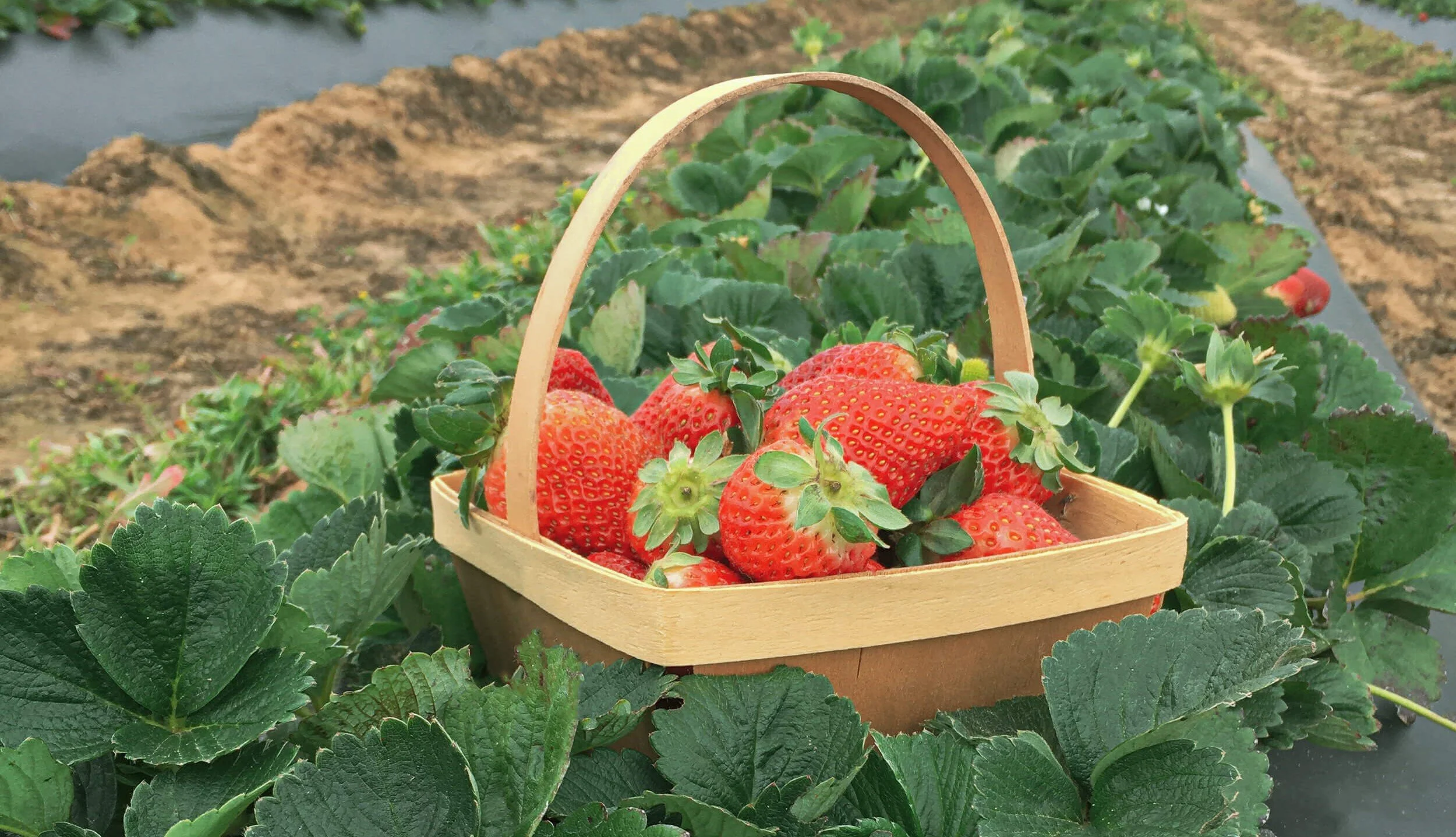
Beyond the Berry: What Else to Look For
While strawberries are the star, the spring agricultural season in Texas often brings other delightful produce to market. You might also find:
- Asparagus: Another popular spring vegetable that thrives in cooler weather.
- Greens: A variety of lettuces, spinach, and kale are typically abundant.
- Herbs: Fresh basil, mint, and parsley become readily available.
- Spring Onions and Radishes: These add a fresh kick to salads and dishes.
Embracing Texas strawberry season is more than just enjoying a delicious fruit; it’s an opportunity to connect with the land, support local farmers, and savor the fleeting flavors of spring in the Lone Star State. From the rolling fields of u-pick farms to the bustling stalls of farmers’ markets, the season offers a rich tapestry of experiences for every food lover.
LifeOutOfTheBox is a participant in the Amazon Services LLC Associates Program, an affiliate advertising program designed to provide a means for sites to earn advertising fees by advertising and linking to Amazon.com. Amazon, the Amazon logo, AmazonSupply, and the AmazonSupply logo are trademarks of Amazon.com, Inc. or its affiliates. As an Amazon Associate we earn affiliate commissions from qualifying purchases.