
Texas, a state renowned for its vast landscapes, vibrant culture, and independent spirit, observes the biannual ritual of Daylight Saving Time (DST). This temporal shift, while seemingly a minor adjustment, has a ripple effect on various aspects of life across the Lone Star State, influencing everything from daily routines and outdoor activities to business operations and the state’s unique tourism landscape. Understanding when these changes occur and their implications is key for both residents and visitors seeking to navigate the rhythms of Texas life.
Navigating the Daylight Saving Schedule in Texas
The decision for Texas to participate in Daylight Saving Time falls under federal legislation, with individual states having the option to opt out. As of the current understanding, Texas observes DST, aligning with the majority of the United States. The start and end dates are synchronized with the national schedule.
The Spring Forward
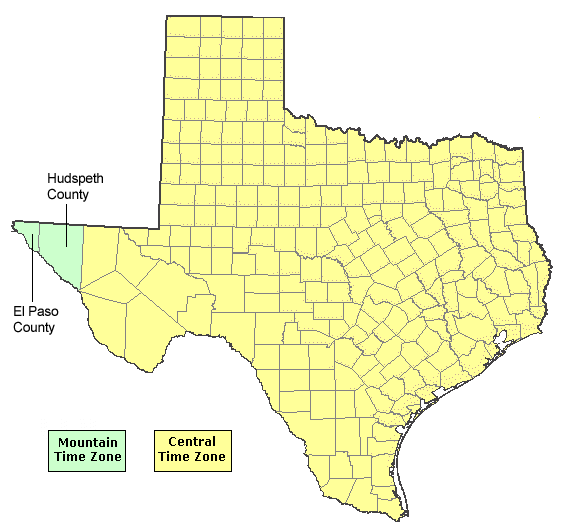
Each year, the first Sunday in March marks the “spring forward” transition. At 2:00 AM local time, clocks are advanced by one hour. This means that the night of the change, sleep is effectively reduced by an hour, and the sun rises and sets an hour later in the evening. For many Texans, this signifies the unofficial start of warmer weather and longer days, encouraging more outdoor pursuits. This shift can be particularly noticeable in the western parts of the state, such as El Paso, where the sun’s movement across the sky is already pronounced.
The Fall Back
Conversely, the first Sunday in November brings the “fall back” adjustment. At 2:00 AM local time, clocks are turned back by one hour. This effectively restores the hour lost in the spring, resulting in earlier sunrises and sunsets. This period often coincides with the lead-up to the holiday season, and the extra hour of daylight in the morning can be welcomed by those who enjoy early morning activities before the workday begins. Cities like Houston and Dallas experience this shift along with the rest of the state.
Potential for Change: The DST Debate in Texas
It’s important to note that the debate surrounding Daylight Saving Time is ongoing across the United States, and Texas is no exception. There have been discussions and legislative efforts within Texas to either make DST permanent or to opt out of it entirely. Proponents of permanent DST argue that it reduces traffic accidents and crime, and saves energy. Conversely, those who advocate for abolishing DST point to potential negative health impacts, disruptions to sleep patterns, and challenges for industries like agriculture. While the current schedule remains in place, staying informed about potential legislative changes is advisable for those who live in or plan to visit Texas.
Impact on Tourism and Travel in the Lone Star State
The temporal shifts associated with Daylight Saving Time can subtly influence the experience of tourists and travelers in Texas. The extended daylight hours in the spring and summer months are a boon for outdoor recreation and exploration, while the earlier dusks in the fall and winter can shape evening activities.
Maximizing Daylight for Exploration
During the DST period, from March to November, visitors to Texas benefit from additional daylight, particularly in the evenings. This extended light allows for more time to explore the vast array of attractions the state offers.
- Outdoor Adventures: Parks like Big Bend National Park and the Texas Hill Country become even more appealing. Hiking, biking, and exploring natural wonders can be comfortably extended into the later hours of the afternoon and early evening. Imagine enjoying a sunset over the desert landscapes of West Texas or taking a leisurely drive through the rolling hills, with more than enough daylight to appreciate the scenery.
- City Exploration: Urban centers such as Austin, San Antonio, and Fort Worth offer a wealth of experiences that can be enhanced by longer daylight hours. Exploring the historic Alamo in San Antonio, strolling along Lady Bird Lake in Austin, or visiting the museums in the Dallas Arts District can all be done with ample daylight. Evening outdoor concerts, patio dining, and exploring vibrant entertainment districts are also more enjoyable.
- Coastal Activities: For those drawn to the Texas Coast, the extended daylight hours are perfect for beachcombing in Galveston, enjoying water sports in Corpus Christi, or exploring the wildlife refuges along the Gulf.
Adapting to Earlier Sunsets
As DST concludes in November, the earlier sunsets can influence evening plans. While it might mean less time for outdoor exploration after typical work or touring hours, it also ushers in a unique ambiance.
- Evening Entertainment: The earlier darkness can encourage a focus on indoor attractions and evening entertainment. This is the perfect time to experience the renowned live music scene in Austin, enjoy a theatrical performance in Houston, or delve into the culinary delights of Texas at its many restaurants.
- Festivals and Holiday Events: The fall and early winter months are often filled with festivals and holiday celebrations across Texas. The earlier sunsets can enhance the atmosphere of events like Zilker Park holiday lights or Christmas parades, making the twinkling lights and festive decorations even more impactful.
- Stargazing Opportunities: While DST influences the perceived sunset, the vast, dark skies of West Texas remain a prime destination for stargazing. The shift to earlier sunsets can, in fact, allow amateur astronomers and casual observers to begin their celestial observations sooner after dusk.
Local Culture and Daily Rhythms Affected by Time Changes
The observance of Daylight Saving Time influences not only the external environment but also the internal rhythms of daily life and local customs within Texas.
Adjusting Daily Routines
For residents, the biannual time change often necessitates an adjustment in daily schedules.
- Morning Commutes: The “spring forward” can lead to darker morning commutes, which some find disorienting or less safe. Conversely, the “fall back” offers brighter mornings, which can be more appealing for early risers and those with young children heading to school.
- Work and School Schedules: While official work and school hours typically remain the same, the perceived timing of daylight can influence the start and end of extracurricular activities, sports practices, and evening study sessions.
- Social Activities: From outdoor barbecues in the summer to evening gatherings, the availability of daylight plays a role in how and when Texans socialize. The longer evenings of DST are often associated with a more active social calendar.
Impact on Agriculture and Outdoor Industries
Texas has a significant agricultural sector, and the timing of daylight can directly impact farming and ranching operations.
- Farming Operations: Farmers often plan their planting, harvesting, and other critical tasks around the available sunlight. The shift in daylight can require adjustments to work schedules, especially for those who rely heavily on natural light.
- Ranching and Livestock: Similarly, ranching activities, such as checking on livestock or performing necessary maintenance, are often conducted during daylight hours. The extended daylight in the summer months can be beneficial for covering more ground.
Regional Variations within Texas
It’s worth noting that while DST is observed statewide, the impact can feel different across the vast expanse of Texas.
- East vs. West: The eastern and western parts of Texas experience different lengths of daylight naturally. The DST shift amplifies these differences. In West Texas, the sun’s arc is more dramatic, and the addition or subtraction of an hour can be more keenly felt in terms of sunrise and sunset times compared to the more central or eastern regions.
- Urban vs. Rural: The implications of DST might manifest differently in bustling urban centers like Austin with its extensive nightlife and commuter traffic, versus more rural communities where agricultural schedules and natural light are paramount.
Practical Tips for Travelers and Locals
Navigating the time changes in Texas is generally straightforward, but a few practical tips can enhance the experience for both residents and visitors.
Planning Your Itinerary
- Check Event Times: Always verify the exact start times of tours, events, and reservations, especially if traveling near the DST transition dates. While most services adjust automatically, it’s wise to confirm.
- Embrace the Light: During the DST period, plan outdoor activities for the late afternoons and evenings to take full advantage of the extended daylight. Consider visiting popular outdoor attractions like the San Antonio River Walk or exploring the natural beauty around Lake Travis during these times.
- Enjoy Evening Ambiance: In the fall and winter, when sunsets are earlier, focus on indoor attractions, fine dining experiences, and the unique charm of Texas evenings.
Staying Informed and Adjusted
- Device Synchronization: Most modern electronic devices, such as smartphones and computers, automatically adjust for DST. However, it’s always a good idea to ensure this feature is enabled.
- Consult Local Resources: For specific information about local events, business hours, or any potential changes in local customs related to time, consult official tourism websites or local guides for cities like Dallas, Houston, or San Antonio.
- Be Mindful of Others: If you are coordinating with individuals or businesses in different time zones or regions that might have different DST observances (though less common within the continental US), double-check for potential discrepancies.
Health and Well-being
- Acknowledge the Shift: While many people adapt quickly, some experience mild disruptions to their sleep patterns or overall well-being during the DST transitions. Be patient with yourself and allow for a brief adjustment period.
- Maintain Routines: For those sensitive to the time change, maintaining consistent sleep and wake times, even on weekends, can help minimize disruption.
In conclusion, while the clock changes in Texas are a predictable part of the year, their influence on travel, daily life, and local culture is multifaceted. By understanding the schedule and its implications, both visitors and residents can better appreciate and navigate the unique temporal rhythms of the Lone Star State.
LifeOutOfTheBox is a participant in the Amazon Services LLC Associates Program, an affiliate advertising program designed to provide a means for sites to earn advertising fees by advertising and linking to Amazon.com. Amazon, the Amazon logo, AmazonSupply, and the AmazonSupply logo are trademarks of Amazon.com, Inc. or its affiliates. As an Amazon Associate we earn affiliate commissions from qualifying purchases.