
Understanding the optimal timing for applying pre-emergent herbicides in Texas is crucial for maintaining a healthy, weed-free lawn and garden. Texas’s diverse climate, stretching from the humid East Texas piney woods to the arid West Texas plains, presents unique challenges and opportunities for weed control. Successful pre-emergent application hinges on anticipating weed germination cycles, which are heavily influenced by soil temperature and moisture. This guide will delve into the key considerations for Texans to ensure their pre-emergent applications are timed for maximum efficacy, safeguarding their landscapes from invasive species.
The Science Behind Pre-Emergent Herbicides
Pre-emergent herbicides are designed to prevent weed seeds from germinating. They work by creating a chemical barrier in the soil that disrupts the early growth processes of weed seedlings. Unlike post-emergent herbicides, which target existing weeds, pre-emergents are proactive. They do not kill mature weeds or their existing root systems. Their effectiveness lies in interrupting the life cycle before the weed even has a chance to emerge from the soil and establish itself.
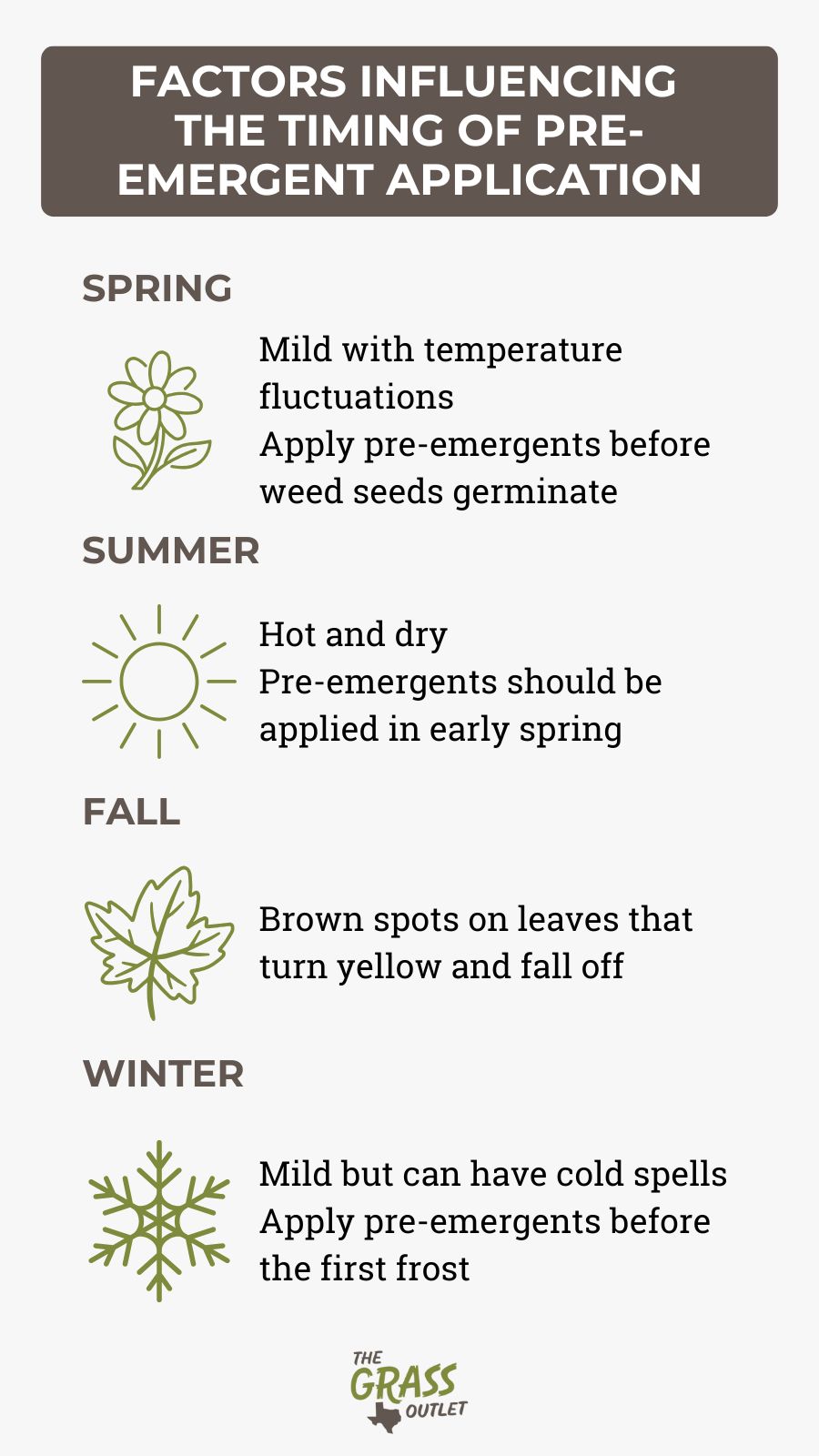
How Pre-Emergents Work
When applied to the soil surface, pre-emergent herbicides are absorbed by the emerging roots or shoots of germinating weed seeds. This absorption interferes with cellular division and growth, preventing the seedling from developing properly. For example, many common pre-emergents inhibit the formation of microtubules, essential components for cell division. Others disrupt lipid or cellulose synthesis, vital for cell wall development. The result is a weed seed that germinates but fails to survive beyond the initial sprout.
Factors Influencing Efficacy
Several factors can affect how well a pre-emergent herbicide performs:
- Soil Temperature: This is arguably the most critical factor. Most weed seeds have specific soil temperature thresholds for germination. Applying pre-emergents before these temperatures are reached is paramount.
- Moisture: Pre-emergents need to be incorporated into the soil to be effective. This can be achieved through rainfall or irrigation. Without adequate moisture, the herbicide may not penetrate the soil sufficiently, leaving a gap in weed prevention.
- Soil Type: Different soil types can affect the herbicide’s longevity and efficacy. For instance, sandy soils may require more frequent applications due to faster herbicide breakdown and leaching.
- Herbicide Type: The specific active ingredient in the pre-emergent will dictate its target weeds and the length of its residual activity. Some target grassy weeds, while others are effective against broadleaf weeds.
Timing is Everything: Pre-Emergent Application in Texas
Texas experiences two major weed germination seasons: spring and fall. Therefore, two primary application windows are essential for comprehensive weed control.
Spring Application: Tackling Summer Annuals
The spring application is critical for preventing the germination of summer annual weeds. These weeds, such as crabgrass, goosegrass, and foxtail, thrive in the warmer months and can quickly outcompete desirable turfgrasses and garden plants.
Key Indicators for Spring Application
The most reliable indicator for spring pre-emergent application in Texas is soil temperature.
- The 50/50 Rule: A widely accepted guideline is to apply pre-emergents when the soil temperature at a depth of 2-4 inches consistently reaches 50-55°F (10-13°C) for at least three consecutive days. For many parts of Texas, this typically occurs between late February and mid-April.
- Observing Nature: Another common indicator is the blooming of certain plants. When the redbud trees begin to bloom or when the first daffodils appear, it signals that soil temperatures are likely rising to the point where weed seeds will soon germinate. However, relying solely on these natural cues can be less precise than using a soil thermometer.
- Regional Variations:
- North Texas (e.g., Dallas-Fort Worth): Soil temperatures in this region tend to lag behind South Texas. Applications might begin in early to mid-March.
- Central Texas (e.g., Austin, San Antonio): This region typically sees soil temperatures rise earlier, often leading to applications in late February to early March.
- South Texas (e.g., Houston, San Antonio): Warm weather arrives sooner, prompting applications as early as mid-February.
- West Texas (e.g., El Paso): While drier, West Texas also experiences spring germination, with timing often aligning with Central Texas.
Spring Application Strategies
- Timing is Crucial: Apply the pre-emergent before soil temperatures consistently reach the critical germination threshold for common summer annual weeds.
- Water In: After application, it is vital to water the area thoroughly. This helps move the herbicide into the top layer of the soil, where weed seeds germinate, and activates its protective barrier. Most manufacturers recommend about 0.5 inches of water.
- Reapplication: Some pre-emergents have a residual effect of 60-90 days. For extended protection, a second application may be necessary, typically around 8-10 weeks after the initial one, especially in areas with a long warm season.
Fall Application: Combating Winter Annuals and Perennials
The fall application is equally important, targeting winter annual weeds and providing a head start against certain perennial weeds that may establish in the cooler months. Common winter annuals include chickweed, henbit, and various mustards.
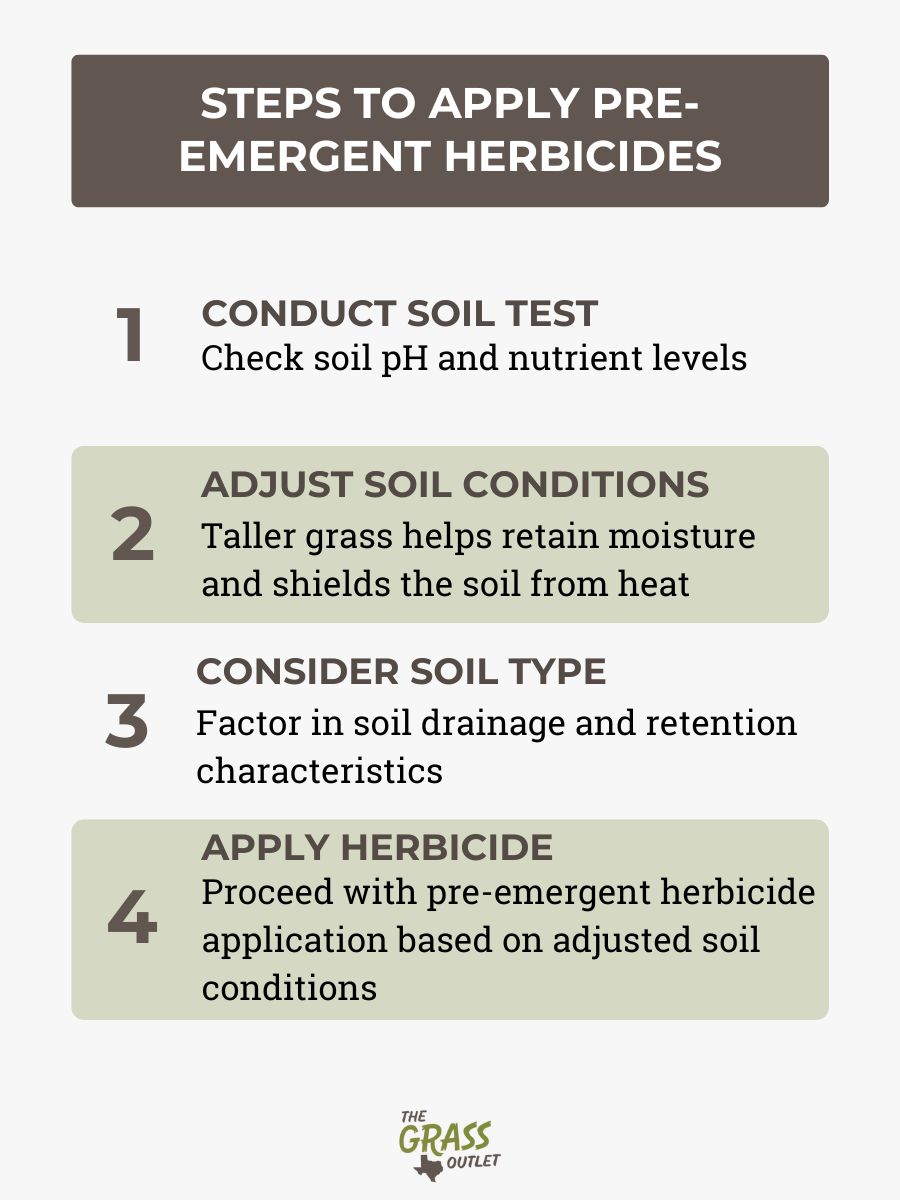
Key Indicators for Fall Application
Similar to spring, soil temperature is the primary driver for fall applications.
- The 50/50 Rule (Reversed): The optimal time for fall pre-emergent application is when soil temperatures at 2-4 inches consistently drop to around 50-55°F (10-13°C) for several consecutive days. For most of Texas, this occurs from mid-September through November.
- Weed Observation: While pre-emergents are preventative, observing the emergence of early winter weeds can be an indicator that conditions are becoming favorable for germination. However, it’s best to apply before visible signs of weeds appear.
- Regional Differences:
- North Texas: Applications might start in late September or early October.
- Central Texas: Applications often fall in October.
- South Texas: The warm season extends, so applications might be delayed until mid-October or early November.
- West Texas: Timing generally aligns with Central Texas.
Fall Application Strategies
- Targeting Broadleaf Weeds: Many fall pre-emergents are formulated to target broadleaf winter annuals, which can be particularly problematic in lawns and gardens.
- Water Incorporation: As with spring applications, watering in the herbicide after application is essential for activating its protective barrier.
- Foundation for Spring: A well-timed fall application can suppress weeds throughout the winter and provide a cleaner start for spring, reducing the overall weed burden for the entire year.
Specific Considerations for Texas Landscapes
Texas’s unique geography and climate demand tailored approaches to weed management.
Lawn Care in Texas
For homeowners with established lawns, consistency in pre-emergent application is key.
- Turfgrass Types: Different turfgrasses (e.g., Bermuda grass, St. Augustine grass, Zoysia grass) have varying tolerances to herbicides. Always select a pre-emergent product that is labeled as safe for your specific lawn type.
- Crabgrass Control: Crabgrass is a notorious summer annual in Texas. Spring application is paramount for its control.
- Broadleaf Weeds: While pre-emergents primarily target grassy weeds, some also offer control of certain broadleaf weed seeds. However, for existing broadleaf weeds, a post-emergent herbicide is usually required.
Vegetable Gardens and Flower Beds
Applying pre-emergents in vegetable gardens and flower beds requires careful consideration due to potential phytotoxicity to desirable plants.
- Seed Starting: Do not apply pre-emergents to areas where you intend to sow seeds directly, as they will prevent the seeds from germinating. Wait until seedlings have established a strong root system.
- Planting Transplants: If planting transplants (young plants or seedlings), ensure they have been in their current container for at least 4-6 weeks, allowing their root systems to develop sufficiently to tolerate the herbicide.
- Herbicide Selection: Choose pre-emergents specifically labeled for use in vegetable gardens or around ornamental plants. Products containing trifluralin or pendimethalin are often recommended for vegetable gardens, but always read and follow label instructions meticulously.
- Mulching: In garden beds, a thick layer of organic mulch (e.g., wood chips, straw) can provide an additional physical barrier against weed germination, complementing pre-emergent applications or serving as an alternative.
Common Pre-Emergent Products and Their Application
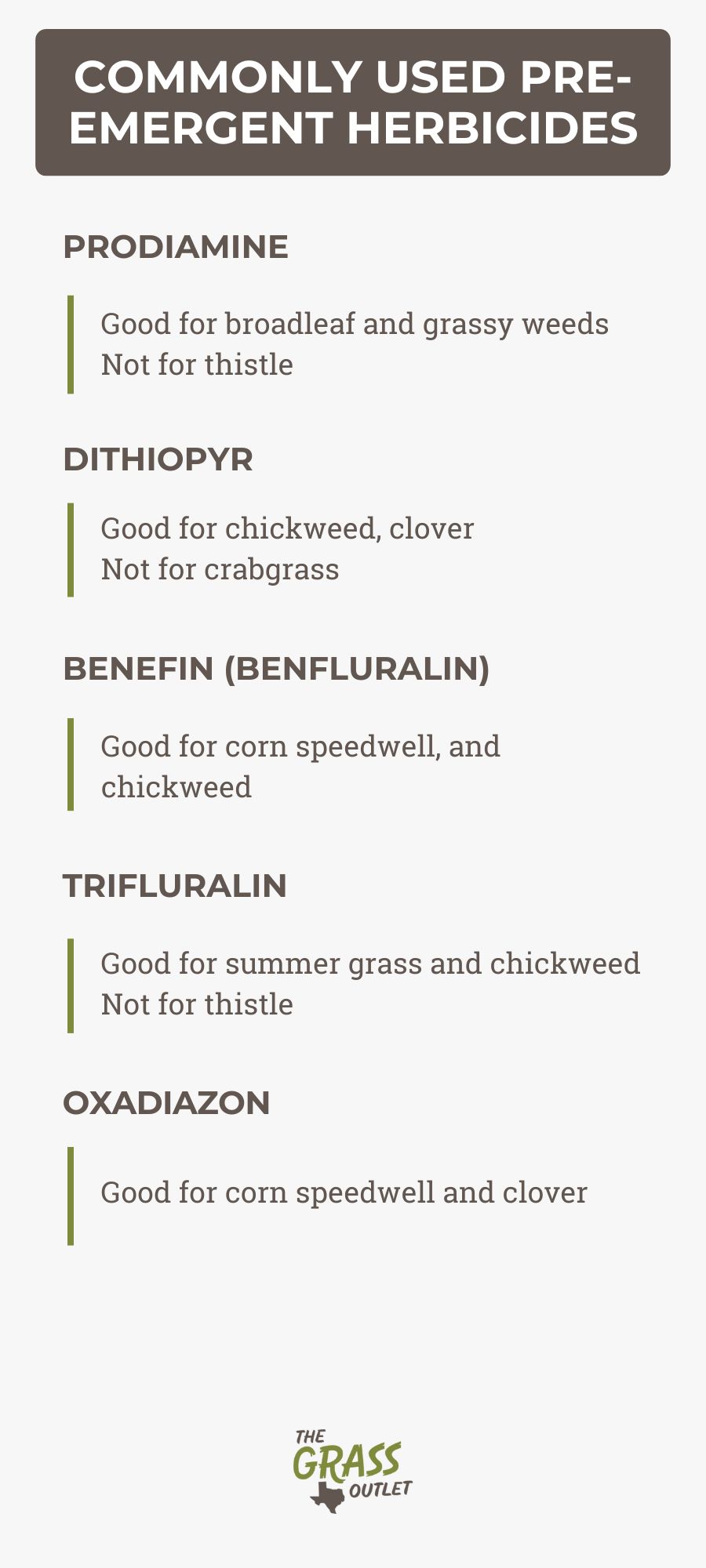
Several active ingredients are commonly found in pre-emergent herbicides. Understanding their properties helps in making informed decisions.
Key Active Ingredients
- Dithiopyr: Effective against crabgrass and many other annual grassy weeds, as well as some broadleaf weeds. It offers a relatively long control period and is often labeled for use on lawns and ornamental landscape beds.
- Pendimethalin: A widely used pre-emergent that controls a broad spectrum of grassy and broadleaf annual weeds. It is safe for use on many turf types and in various ornamental plantings.
- Trifluralin: Primarily targets grassy weeds and certain broadleaf weeds. It is often used in vegetable gardens and on established ornamental plants, but requires careful application to avoid damaging sensitive species.
- Prodiamine: Known for its excellent pre-emergent control of crabgrass and other annual grasses. It generally provides a long residual effect and is safe for most established turfgrasses.
Application Best Practices
- Read the Label: This cannot be stressed enough. Always read and follow the product label instructions for application rates, timing, safety precautions, and compatibility with your specific plants.
- Calibration: Ensure your spreader or sprayer is properly calibrated to apply the correct rate of herbicide. Over-application can damage desirable plants, while under-application will result in poor weed control.
- Weather Conditions: Avoid applying pre-emergents when heavy rain is expected immediately after application, as this can wash the product off target. Conversely, ensure you have a plan for watering if rain is not in the forecast. High temperatures can also affect application, so check the label for any restrictions.
- Mowing: Do not apply pre-emergents to newly seeded lawns or to lawns that have been recently aerated or de-thatched, as these activities can disrupt the chemical barrier. Wait for the turf to establish.
By adhering to these guidelines and paying close attention to the seasonal nuances of Texas’s climate, Texans can effectively employ pre-emergent herbicides to cultivate healthier, more resilient landscapes. A proactive approach to weed management saves time, effort, and resources in the long run, allowing gardens and lawns to flourish.
LifeOutOfTheBox is a participant in the Amazon Services LLC Associates Program, an affiliate advertising program designed to provide a means for sites to earn advertising fees by advertising and linking to Amazon.com. Amazon, the Amazon logo, AmazonSupply, and the AmazonSupply logo are trademarks of Amazon.com, Inc. or its affiliates. As an Amazon Associate we earn affiliate commissions from qualifying purchases.