
Texas, a state renowned for its vast landscapes and diverse climates, presents a unique challenge and opportunity for potato cultivation. The sheer size of the Lone Star State means that “Texas” isn’t a monolithic growing zone. From the humid subtropical conditions of East Texas to the arid plains of the Panhandle and the coastal breezes of the Gulf Coast, microclimates abound. Understanding these regional variations is paramount for any aspiring Texas potato farmer, whether tending a small home garden or managing a larger agricultural operation. This guide aims to demystify the optimal planting windows for potatoes across the diverse Texan terrain, ensuring a bountiful harvest.
Understanding Texas’s Unique Growing Seasons
The key to successful potato growing in Texas lies in capitalizing on its two primary growing seasons: a fall-planted crop and a spring-planted crop. Unlike many other regions that have a single, clear planting window, Texas’s warmer winters and scorching summers necessitate a more nuanced approach.
The Fall-Planted Crop: A Cooler Season Advantage
In many parts of Texas, the fall growing season offers a significant advantage. The intense heat of the summer recedes, providing milder temperatures ideal for potato development. This allows the plants to establish themselves and produce tubers before the arrival of cooler weather.
- Planting Window: For the fall crop, planting typically begins in late August through September, with some northern regions potentially extending into early October. The goal is to get the seed potatoes in the ground while soil temperatures are still warm enough for germination but before the intense heat stress of summer has fully subsided.
- Regional Considerations:
- South Texas: Due to its longer warm season, planting can often start earlier, sometimes as early as mid-August. This allows for an earlier harvest before the cooler winter months truly set in.
- Central Texas: Planting generally occurs from early to mid-September. The soil retains heat from the summer, promoting good germination.
- North Texas & Panhandle: Planting is best done in mid-to-late September, as these regions experience cooler overnight temperatures earlier than the southern parts of the state.
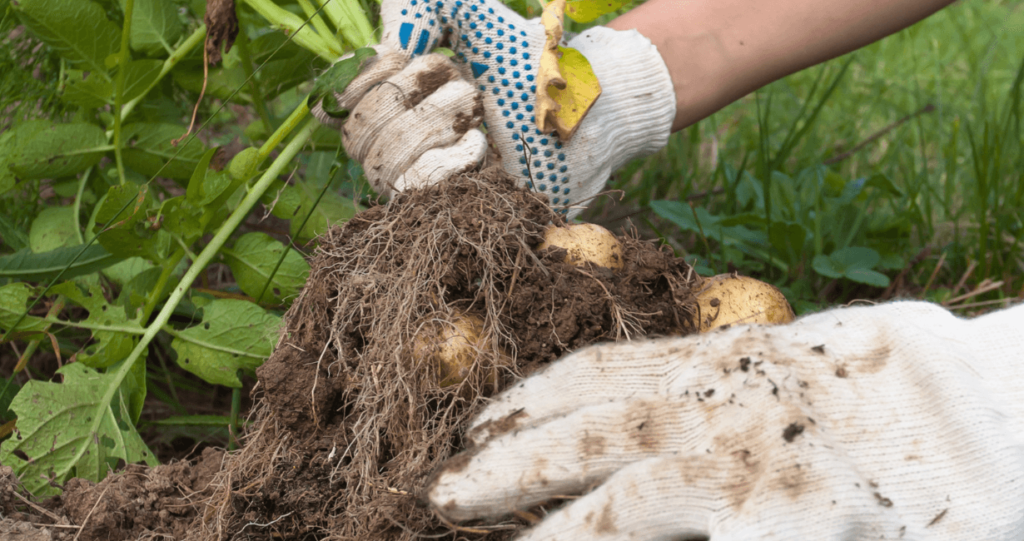
- Harvest: Potatoes planted in the fall are typically harvested in late fall and early winter, often before the first hard frosts in many areas. This provides fresh potatoes for holiday meals and early winter consumption.
The Spring-Planted Crop: Racing Against the Heat
The spring crop is arguably the most common and often more challenging for many Texas gardeners. This planting window is dictated by the need to get the potatoes established and growing before the brutal Texas summer heat arrives. The goal is to have the plants mature and produce tubers during the cooler spring months.
- Planting Window: The spring planting season generally runs from late January through March. The exact timing is crucial and depends heavily on the last expected frost date for a given region.
- Regional Considerations:
- South Texas: Planting can commence as early as late January or early February. These regions often have a mild winter, allowing for very early planting.
- Central Texas: Planting typically occurs in February. Warmer soil temperatures are beneficial for germination, but growers must be mindful of potential late frosts.
- East Texas: Similar to Central Texas, February is a good planting month, with care taken to protect young plants from any unexpected freezes.
- North Texas & Panhandle: Planting often takes place in March, as these areas experience later last frost dates. Waiting until the risk of a hard freeze has passed is essential.
- Harvest: The harvest for the spring crop typically occurs from May through June, before the onset of extreme summer temperatures that can stress the plants and reduce yield. In some areas, early maturing varieties might be harvested in late April.
Essential Factors for Potato Success in Texas
Beyond timing, several other environmental and horticultural factors play a critical role in ensuring a successful potato harvest in Texas.
Soil Preparation and Type
Potatoes thrive in well-drained, loose, and slightly acidic soil. Heavy clay soils, common in parts of Texas, can be problematic, leading to tuber rot and hindering tuber development.
- Improving Drainage: Incorporating organic matter, such as compost or aged manure, is crucial for improving soil structure and drainage. Raised beds can also be an excellent solution for areas with heavy clay.
- Soil pH: Potatoes prefer a soil pH between 5.0 and 6.5. If your soil is too alkaline, you can amend it with sulfur or peat moss to lower the pH. Soil testing is highly recommended before planting.
- Fertilization: Potatoes are heavy feeders. Amending the soil with balanced fertilizer or ensuring ample organic matter is present will provide the necessary nutrients. Avoid excessive nitrogen, which can promote leafy growth at the expense of tuber development.
Variety Selection: A Crucial Choice
The choice of potato variety significantly impacts success in Texas. Some varieties are better suited to warmer climates or specific planting seasons.
- Early Maturing Varieties: These are often the best choice for Texas, especially for the spring crop, as they can mature before the peak of summer heat. Examples include ‘Yukon Gold,’ ‘Red Norland,’ and ‘Kennebec.’
- Heat-Tolerant Varieties: While less common, some varieties exhibit better tolerance to higher temperatures. Researching local recommendations from extension offices can be invaluable.
- Disease Resistance: Choosing varieties resistant to common potato diseases, such as blight, is also wise, especially in Texas’s often humid conditions.
Watering and Mulching
Consistent moisture is vital for potato development, especially during tuber formation. However, waterlogged soil can lead to rot.
- Watering Schedule: Aim for deep, consistent watering. Soil should be kept evenly moist but not saturated. Drip irrigation or soaker hoses are efficient methods.
- Mulching: Once the plants are about 8-10 inches tall, applying a thick layer of mulch (straw, shredded leaves, or pine needles) is highly beneficial. Mulch helps retain soil moisture, suppresses weeds, and keeps the soil cooler, which is critical during warmer spring days and for protecting developing tubers from sunlight.

Regional Planting Calendars: A Closer Look
To provide a more practical guide, here is a generalized planting calendar for common potato-growing regions within Texas. These are approximate dates and should be adjusted based on specific local weather patterns and your microclimate.
South Texas (e.g., Houston, San Antonio, Corpus Christi)
- Fall Crop: Plant from mid-August to early September. Harvest from November to December.
- Spring Crop: Plant from late January to mid-February. Harvest from late April to June.
Central Texas (e.g., Austin, Waco)
- Fall Crop: Plant from early September to early October. Harvest from December to January.
- Spring Crop: Plant from mid-February to early March. Harvest from May to June.
East Texas (e.g., Dallas, Tyler)
- Fall Crop: Plant from mid-September to early October. Harvest from December to January.
- Spring Crop: Plant from mid-February to early March. Harvest from May to June.
West Texas & Panhandle (e.g., El Paso, Amarillo)
- Fall Crop: Plant from late September to early October. Harvest from January to February.
- Spring Crop: Plant from mid-March to early April. Harvest from June to July. Note: Spring crops in these regions face a greater risk of heat stress as harvest approaches.
Troubleshooting Common Potato Growing Issues in Texas
Even with careful planning, Texas weather can present unexpected challenges. Understanding common issues and their solutions can save a season’s worth of effort.
Heat Stress
High temperatures, especially during tuber formation, can cause plants to wilt, reduce tuber size, and even lead to heat necrosis.
- Prevention:
- Choose heat-tolerant or early-maturing varieties.
- Plant during the appropriate windows to avoid peak summer heat during critical growth stages.
- Maintain consistent soil moisture.
- Apply a thick layer of mulch to keep roots cool.
- Mitigation: If heat stress occurs, ensure ample watering and avoid any further soil disturbance. Shading the plants during the hottest part of the day can offer some relief, although this is often impractical for larger plantings.
Pests and Diseases
Texas hosts a variety of pests and diseases that can affect potatoes, including Colorado potato beetles, flea beetles, aphids, early blight, and late blight.
- Integrated Pest Management (IPM): Employ a combination of strategies.
- Crop Rotation: Avoid planting potatoes in the same spot year after year. Rotate with other crops like beans, corn, or brassicas.
- Scouting: Regularly inspect plants for signs of pests or diseases. Early detection is key.
- Beneficial Insects: Encourage natural predators like ladybugs and lacewings.
- Organic Controls: Use insecticidal soaps, neem oil, or Bacillus thuringiensis (Bt) for specific pests.
- Fungal Diseases: Ensure good air circulation, avoid overhead watering, and choose disease-resistant varieties. Fungicides may be necessary in humid conditions.
Harvesting and Storage
Knowing when to harvest and how to store potatoes properly is crucial for enjoying your crop.
- Determining Harvest Time:
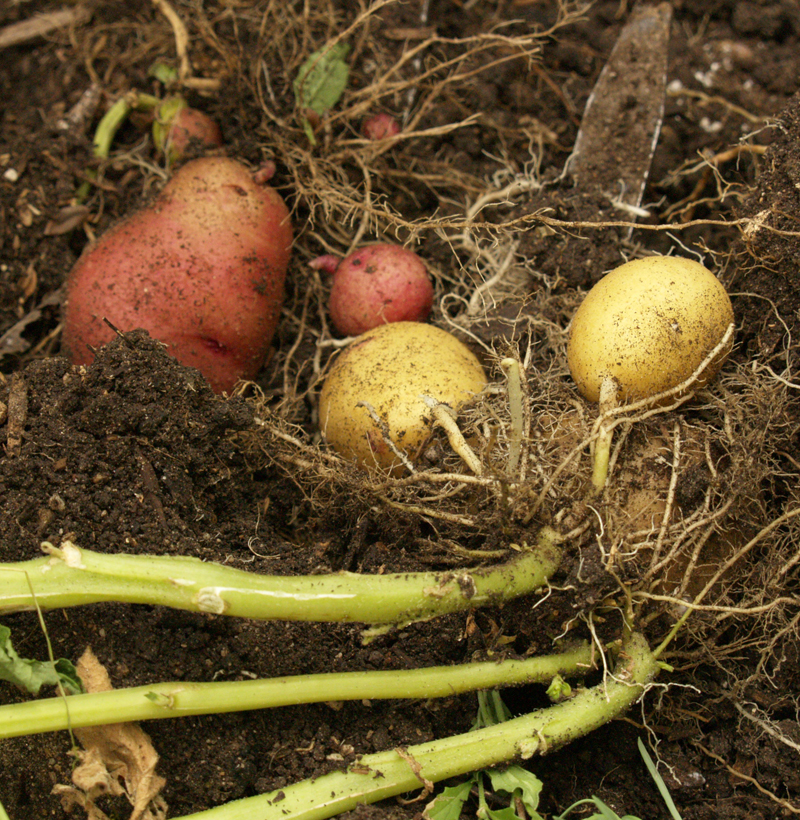
- “New” Potatoes: These are immature, tender potatoes harvested about 2-3 weeks after flowering. They have thin skins and are best eaten fresh.
- Mature Potatoes: For storage, wait until the plant tops have died back naturally. This indicates the tubers have matured and their skins have hardened. Gently dig around the plant with a garden fork, being careful not to pierce the tubers.
- Curing: Before long-term storage, potatoes need to be “cured.” Spread them out in a single layer in a dark, humid, and well-ventilated area (around 60-70°F) for 1-2 weeks. This allows minor cuts and bruises to heal, which prevents rot.
- Storage: Store cured potatoes in a cool (45-50°F), dark, and humid place. Avoid storing them in the refrigerator, as the cold temperature can convert starches to sugars, affecting taste and texture. Burlap sacks, paper bags, or wooden crates are suitable storage containers.
By understanding the nuances of Texas’s climate and adhering to these guidelines, gardeners and farmers alike can successfully cultivate delicious potatoes, adding a homegrown staple to their tables throughout the year.
LifeOutOfTheBox is a participant in the Amazon Services LLC Associates Program, an affiliate advertising program designed to provide a means for sites to earn advertising fees by advertising and linking to Amazon.com. Amazon, the Amazon logo, AmazonSupply, and the AmazonSupply logo are trademarks of Amazon.com, Inc. or its affiliates. As an Amazon Associate we earn affiliate commissions from qualifying purchases.