
Texas, a state renowned for its diverse climates and agricultural bounty, presents a unique set of challenges and opportunities for gardeners, especially when it comes to cultivating popular crops like onions. The timing of planting is paramount to success, dictating everything from bulb development to disease resistance. For Texans aiming to harvest a flavorful crop of onions, understanding the regional nuances of planting windows is essential. This guide delves into the optimal times to plant onions across the Lone Star State, considering its varied growing zones and the distinct needs of different onion varieties.
Understanding Texas’s Microclimates and Onion Growth Cycles
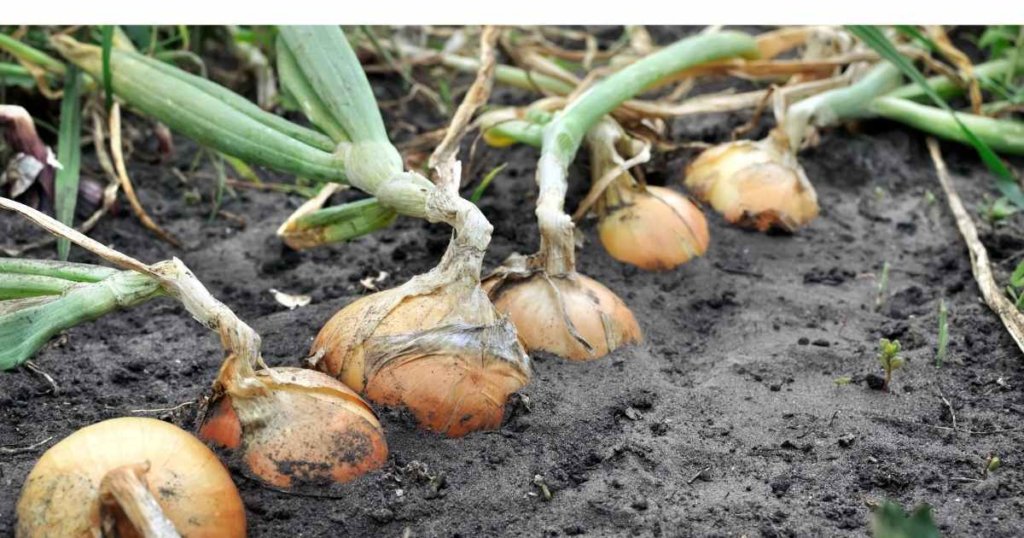
Texas is not a monolithic agricultural zone. It stretches from the humid subtropical climate of the East to the arid conditions of the West, with the Panhandle experiencing a more continental climate. This geographical diversity means that a single planting date for onions simply won’t suffice for the entire state. The key to successful onion cultivation lies in synchronizing the planting schedule with the onion’s natural growth cycle and the local weather patterns.
Onions are typically classified as either long-day, intermediate-day, or short-day varieties. This classification refers to the amount of daylight required to trigger bulb formation.
- Long-day onions need 14-16 hours of daylight to bulb and are best suited for northern latitudes.
- Intermediate-day onions require 12-14 hours of daylight and are adaptable to mid-latitude regions.
- Short-day onions bulb with 10-12 hours of daylight and are ideal for southern regions like Texas, where daylight hours in the growing season are less extreme.
For Texas, the focus is predominantly on short-day and intermediate-day varieties, as their bulbing cycles align better with the state’s daylight patterns and temperature fluctuations. The goal is to plant onion sets, transplants, or seeds in the fall or early spring, allowing the plants to establish a strong root system and leafy growth during the cooler months before the intense heat and longer days of summer trigger bulbing.
Fall Planting for Early Harvest
In many parts of Texas, particularly in the southern and central regions, fall planting offers a significant advantage for onion growers. This strategy allows the young plants to overwinter, benefiting from the mild temperatures and ample moisture often present during these months.
South Texas and the Gulf Coast
For areas like Houston, San Antonio, and the Rio Grande Valley, fall planting is the preferred method. The warm soil temperatures of early fall allow for germination and initial growth, while the cooler winter months provide a period of dormancy or slow growth.
- Timing: Plant onion sets or transplants from October through December. This allows the plants to develop a robust root system and significant foliage before the critical bulbing period begins in late spring or early summer.
- Varieties: Focus on short-day varieties such as ‘Texas 1015Y’, ‘Yellow Spanish’, ‘Red Creole’, and ‘Walla Walla’ (though Walla Walla is technically intermediate-day, it often performs well as a short-day type in milder climates).
- Benefits: Fall planting generally leads to earlier and larger bulbs compared to spring planting in these regions. The plants are also often more resilient to pests and diseases due to their established vigor.
Central Texas and the Hill Country
Regions including Austin, Waco, and the Texas Hill Country share many similarities with South Texas in terms of onion planting schedules, but the risk of severe freezes can influence the optimal planting window.
- Timing: Aim for planting from late September through November. Early fall planting (September/October) is ideal for maximizing growth before winter sets in. If planting later in November, ensure the plants have enough time to establish before the coldest temperatures arrive.
- Varieties: Similar to South Texas, short-day varieties are the most successful. Intermediate-day types may also perform adequately if planted early enough in the fall.
- Considerations: While fall planting is advantageous, be prepared to offer some protection to young plants during unusually harsh winters, perhaps with a layer of mulch or row covers.
Spring Planting for North Texas and Panhandle
For North Texas, including cities like Dallas and Fort Worth, and the agriculturally significant Panhandle region around Amarillo, spring planting is often the more practical approach due to colder winter temperatures and a shorter frost-free period.
North Texas

In North Texas, the ground may remain frozen or too cold for much of the winter. Spring planting allows the onions to grow and bulb as temperatures rise and daylight hours increase.
- Timing: Plant onion sets or transplants in late February through early April. The goal is to get the plants in the ground as soon as the soil can be worked and the risk of a hard freeze has significantly diminished.
- Varieties: While short-day varieties are still a good choice, intermediate-day varieties may also be considered here. These onions are more forgiving of slightly longer daylight hours and can perform well when planted in spring.
- Challenges: Spring-planted onions may not reach the same size or maturity as fall-planted ones in warmer regions. They are also more susceptible to bolting (premature flowering) if they experience a late cold snap after growth has begun.
The Panhandle
The Panhandle of Texas experiences a more extreme continental climate with colder winters and hotter summers. This necessitates a careful approach to onion planting.
- Timing: Spring planting is almost exclusively the method of choice. Aim to plant from early March through mid-April. The critical factor is to plant after the danger of severe freezes has passed but while the soil is still cool enough for the plants to establish before summer heat sets in.
- Varieties: Intermediate-day varieties often perform best in the Panhandle. These onions can better tolerate the temperature fluctuations and the eventual increase in daylight hours. Short-day varieties may struggle to bulb effectively due to the potentially lower winter temperatures and the significant jump in daylight hours during their growth cycle.
- Considerations: Ensure a well-drained soil to prevent rot during potentially wet spring thaws. Early-season pest management may also be more crucial in this region.
Planting Methods and Considerations
Regardless of the specific region or planting season, the method of planting onions has a significant impact on their development. Whether you choose seeds, sets, or transplants, proper technique and care are crucial.
Seeds vs. Sets vs. Transplants
- Seeds: Planting from seeds offers the widest variety of onion types and is the most cost-effective. However, it requires the longest growing season and is best initiated indoors 6-10 weeks before the desired outdoor planting date. This method is generally more suitable for regions with longer growing seasons, like South and Central Texas, for fall planting.
- Sets: Onion sets are small, immature bulbs that were grown the previous year. They are easy to plant and establish quickly, making them a popular choice for home gardeners. Sets are less prone to bolting than transplants and offer a good balance between ease of use and variety selection. They are ideal for both fall and spring planting.
- Transplants: These are young onion plants that have been started from seed in a nursery or greenhouse. They offer a head start on growth and are available in a vast array of varieties. Transplants are excellent for both fall and spring planting and often yield the most vigorous plants.
Soil Preparation and Planting Depth
Onions thrive in well-drained, fertile soil with a pH between 6.0 and 7.0. Before planting, amend the soil with compost or well-rotted manure to improve its structure and nutrient content.
- For Sets and Transplants: Plant them about 1 inch deep, spacing them 4-6 inches apart for smaller varieties and 6-8 inches apart for larger ones. Ensure the roots are spread out at the bottom of the planting hole.
- For Seeds: Follow the specific instructions for the seed packet, but generally, sow them about 1/4 to 1/2 inch deep. Thin the seedlings once they reach about 2-3 inches in height.
Watering and Fertilization
Consistent moisture is critical for onion development, especially during the bulbing stage. Water deeply and regularly, particularly during dry spells. Avoid overhead watering late in the day, as this can encourage fungal diseases.
Fertilize your onions a few weeks after planting and again when the bulbs begin to form. A balanced, slow-release fertilizer or one higher in nitrogen can promote leafy growth, which is essential for bulb development.
Harvesting Your Texas Onions
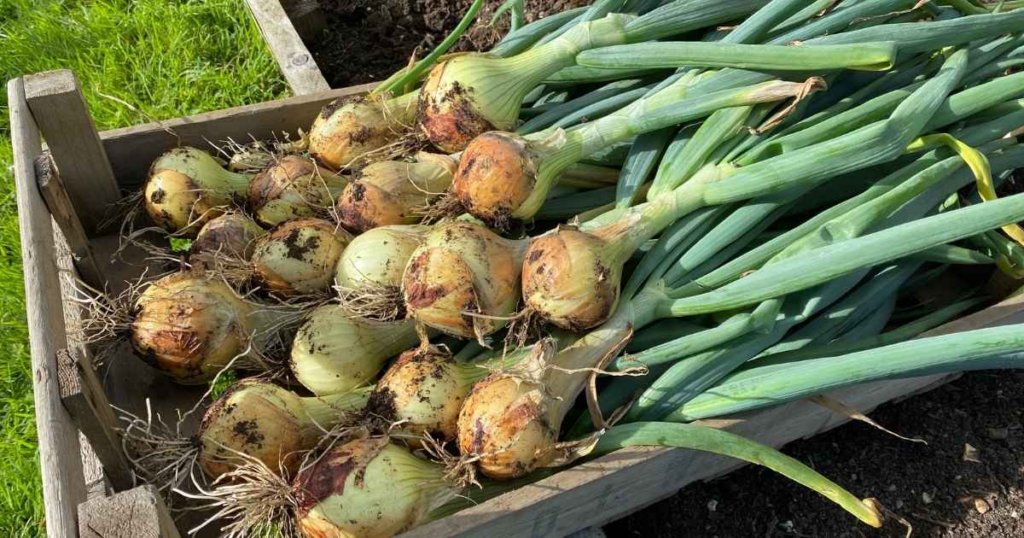
The timing of harvest is as important as the planting date. Onions are typically ready to harvest when the tops begin to yellow and fall over.
- Curing: After pulling the onions, allow them to dry or “cure” in a warm, dry, and well-ventilated area for 1-2 weeks. This process hardens the neck and skins, which is crucial for long-term storage.
- Storage: Once cured, store onions in a cool, dry, and dark place. Proper storage can keep onions fresh for many months.
By understanding the specific needs of onions and the diverse climatic conditions across Texas, gardeners can select the appropriate planting times and varieties to ensure a bountiful harvest of these essential culinary staples. Whether you’re in the humid South or the drier Panhandle, a well-timed planting strategy is the first step towards enjoying fresh, homegrown onions from your Texas garden.
LifeOutOfTheBox is a participant in the Amazon Services LLC Associates Program, an affiliate advertising program designed to provide a means for sites to earn advertising fees by advertising and linking to Amazon.com. Amazon, the Amazon logo, AmazonSupply, and the AmazonSupply logo are trademarks of Amazon.com, Inc. or its affiliates. As an Amazon Associate we earn affiliate commissions from qualifying purchases.