
For Texans seeking to infuse their landscapes with a vibrant tapestry of native blooms, understanding the optimal planting times for wildflower seeds is paramount. The Lone Star State’s diverse climates, from the humid East Texas Piney Woods to the arid West Texas deserts, necessitate a nuanced approach. Timing is not merely a suggestion; it is the cornerstone of successful germination and the subsequent flourishing of a breathtaking wildflower display that will captivate visitors and support local ecosystems. This guide delves into the strategic planting windows for various regions across Texas, ensuring your wildflower meadows reach their full, spectacular potential.

Understanding Texas’s Climate Zones and Their Impact on Planting
Texas is a state of varied climatic conditions, broadly categorized into several zones, each presenting unique challenges and opportunities for wildflower cultivation. These zones influence not only the types of wildflowers that thrive but also the precise timing for sowing their seeds. Recognizing these regional differences is the first step in creating a successful and enduring wildflower garden.
The Role of Rainfall and Temperature
The success of wildflower seeds hinges on two critical environmental factors: consistent moisture and appropriate temperature ranges. Wildflower seeds require adequate moisture to germinate and establish their root systems. Conversely, extreme heat can desiccate young seedlings, while a hard freeze can kill them before they have a chance to mature.
- Rainfall Patterns: Texas experiences diverse rainfall patterns. Coastal areas generally receive more rainfall throughout the year, while West Texas is significantly drier, often relying on infrequent but intense storms. Understanding your local average rainfall can help determine if supplemental watering will be necessary.
- Temperature Fluctuations: Texas experiences distinct seasons, with hot summers and mild to occasionally cold winters. The goal is to plant seeds when temperatures are conducive to germination and when there is a reasonable expectation of consistent moisture without prolonged extreme heat or freezing conditions.
Regional Planting Guides for Texas
To maximize success, it’s beneficial to break down planting recommendations by distinct regions within Texas. While general guidelines exist, regional variations in climate, soil, and microclimates can significantly influence germination rates.
East Texas (Piney Woods)
This region, characterized by its humid subtropical climate, receives more rainfall than other parts of the state. The abundant moisture can be a boon for wildflowers, but it also means that drainage can be a concern, and competing grasses can be aggressive.
- Fall Planting (September – November): This is often the ideal time for East Texas. The soil is still warm from summer, and the onset of cooler temperatures and increased rainfall promotes germination. Planting in the fall allows seedlings to establish strong root systems before the summer heat and drought set in. Many annual wildflowers will germinate and grow through the winter, blooming profusely in the spring.
- Spring Planting (February – April): While fall planting is preferred, a late spring planting can still yield results, especially for faster-growing annuals. However, this timing carries a greater risk of heat stress for young seedlings if rainfall becomes scarce.
Central Texas (Hill Country and Austin-San Antonio Corridor)
This region experiences a transitional climate, with hot summers, mild winters, and rainfall that can be variable. The rolling hills of the Hill Country offer unique microclimates, and areas around Austin and San Antonio can be particularly prone to summer heat.
- Fall Planting (October – November): This is the prime planting window for Central Texas. The combination of cooling temperatures, potential fall rains, and the protection from winter dormancy allows seeds to germinate and develop robust root systems. This timing ensures a spectacular spring bloom.
- Late Winter/Early Spring Planting (February – March): For those who miss the fall window, late winter or early spring planting can still be successful. It’s crucial to monitor weather patterns for opportunities to plant before the intense heat of summer arrives. Choosing species known for their heat tolerance is advisable for this planting period.
South Texas (Gulf Coast and Rio Grande Valley)
This subtropical region is known for its extended warm seasons, high humidity, and the potential for hurricanes and tropical storms. Winters are generally mild.
- Fall Planting (October – December): The fall offers a more temperate planting window in South Texas. The cooler air, combined with the potential for increased rainfall from winter fronts, provides ideal conditions for germination. This timing allows plants to establish themselves before the intense heat of the following summer.
- Late Winter/Early Spring Planting (February – April): Similar to Central Texas, a later planting can work, but careful consideration of heat and potential drought is necessary. Many species adapted to this region can tolerate the heat once established, but young seedlings are vulnerable.
West Texas (Panhandle and Trans-Pecos)
This vast region is characterized by its arid to semi-arid climate, extreme temperature fluctuations, and low rainfall. Success here often depends on capitalizing on any significant rainfall events and selecting highly drought-tolerant species.
- Fall Planting (September – October): This is generally the most reliable planting time for West Texas. The cooling temperatures and the chance of fall rains offer the best opportunity for germination and early establishment. Focusing on native and adapted species is crucial for survival in this challenging environment.
- Spring Planting (March – April): A spring planting can be attempted, especially if there is a strong indication of significant spring rains. However, the risk of extreme heat and drought arriving before seedlings can establish themselves is very high. This timing is more suitable for species that can germinate and mature quickly.
Key Factors for Successful Wildflower Seed Germination
Beyond regional timing, several critical factors influence whether your wildflower seeds will sprout and thrive. Paying attention to these details will significantly enhance your chances of a spectacular bloom.
Seed Viability and Selection
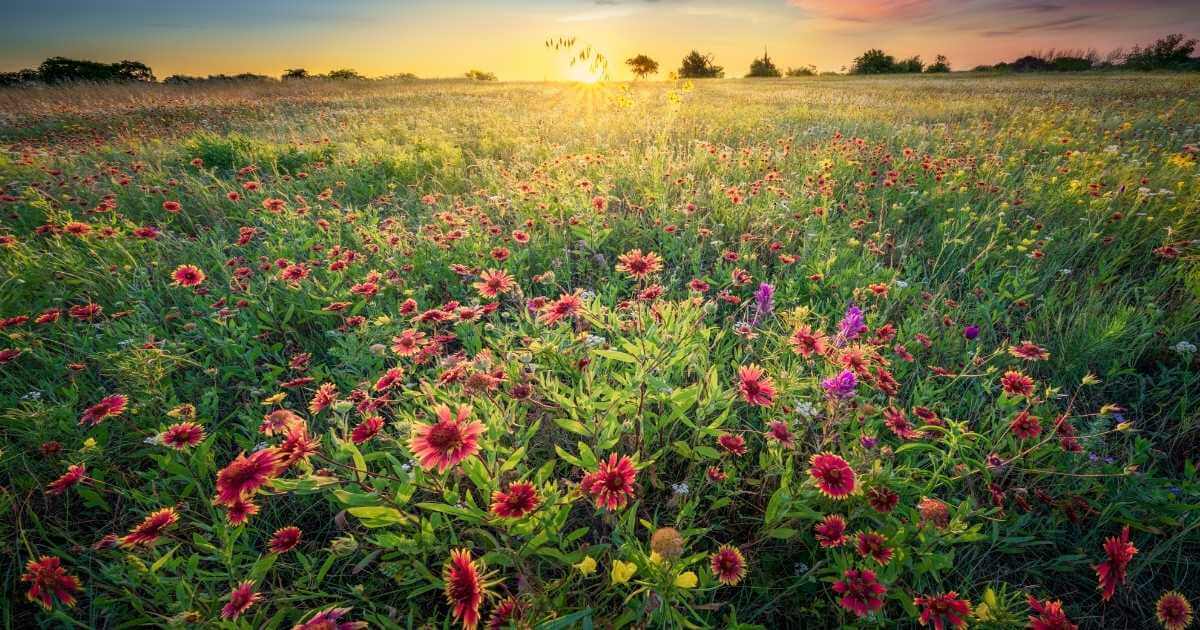
The quality of your seeds and the suitability of the chosen species for your specific location are paramount.
- Source Your Seeds Wisely: Always opt for reputable suppliers who specialize in native and adapted wildflower seeds. Texas Native Plant Society chapters often provide excellent resources and recommendations.
- Choose Native or Adapted Species: Prioritize seeds that are indigenous to your particular region of Texas. Native plants are perfectly adapted to local conditions, requiring less water and maintenance and providing the most benefit to local pollinators and wildlife. If native options are limited, choose species that are well-adapted to your climate and soil type.
- Seed Mixes: Many commercial seed mixes are available. Understand what species are included in the mix and if they are appropriate for your region and desired bloom times. Some mixes are designed for specific purposes, such as attracting pollinators or providing blooms throughout the season.
Soil Preparation and Seeding Techniques
Proper preparation and application of seeds can make a significant difference.
- Minimal Soil Disturbance: Wildflower seeds generally do not require deep tilling. In fact, excessive tilling can bring weed seeds to the surface. The best approach is often minimal disturbance.
- Weed Control: Before planting, it’s beneficial to prepare the area by removing existing vegetation or weeds. This can be done through methods like solarization, smothering, or careful manual removal.
- Light Raking: After clearing, a light raking to loosen the top inch of soil can create a good seedbed.
- Sowing Seeds:
- Even Distribution: Wildflower seeds are often tiny and should be sown thinly and evenly. Mixing seeds with sand or fine vermiculite can help distribute them more uniformly and make them more visible, preventing clumping.
- Seed-to-Soil Contact: Once sown, gently press the seeds into the soil. This can be achieved by walking over the area, using a roller, or light raking. Good seed-to-soil contact is essential for moisture absorption and germination.
- Depth: Most wildflower seeds require light to germinate and should not be planted too deeply. A general rule is to plant them at a depth no more than twice their diameter, or simply broadcast them on the surface and ensure they are in contact with the soil.
Watering and Ongoing Care
Even the most strategically planted seeds need a little help to get established.
- Initial Watering: After sowing, water the area gently but thoroughly. The goal is to moisten the soil without washing the seeds away.
- Consistent Moisture: For the first few weeks after planting, maintain consistent soil moisture. This is particularly critical if you are planting during a drier period. Once seedlings are established, their water needs will decrease, especially for native species.
- Weed Management: Be vigilant about controlling weeds, especially during the initial growth stages. Weeds can quickly outcompete young wildflowers for water, nutrients, and sunlight.
- Mowing (Optional): In the first year, some gardeners opt to mow their wildflower meadow once or twice to a height of about 4-6 inches. This can help reduce competition from taller, faster-growing weeds and grasses, allowing the wildflowers to establish. However, this is often not necessary and can be detrimental if done at the wrong time, potentially cutting off developing blooms.
Timing for Specific Wildflower Types in Texas
While the general regional guidelines provide a framework, understanding the life cycles of different wildflowers can further refine your planting strategy. Wildflowers can be broadly categorized into annuals, biennials, and perennials, each with distinct planting requirements.
Annual Wildflowers
These complete their life cycle from germination to seed production in a single growing season. Many popular and vibrant wildflowers, such as Indian Paintbrush, Bluebonnets, and Texas Sage, are annuals.
- Fall Planting is Key: For most annual wildflowers in Texas, fall planting is crucial. Seeds sown in the fall will germinate as temperatures cool and moisture becomes available. They will then grow throughout the winter, often forming rosettes, and burst into bloom in the spring.
- Example: Texas Bluebonnets germinate in the fall and need a period of cold stratification over winter to trigger spring blooming. Planting them in October or November is ideal.
- Spring Planting: While less ideal, some annuals can be sown in late winter or early spring. These will likely have a shorter bloom period and may not produce as robust a seed set for the following year.
Biennial Wildflowers
Biennials require two growing seasons to complete their life cycle. They typically germinate in their first year, develop foliage and root systems, and then flower, produce seeds, and die in their second year.
- Fall Planting for Year Two Blooms: To ensure blooming in the spring of the following year, biennial seeds should be planted in the fall of the current year. This allows the plant to establish itself and undergo the necessary vernalization (cold period) required for flowering.
- Example: Some varieties of Salvias or coreopsis can be biennial.
Perennial Wildflowers
Perennials live for more than two years, often blooming year after year. Once established, they require less attention and can become the backbone of a long-lasting wildflower meadow.
- Fall or Early Spring Planting: Perennial wildflower seeds can often be planted successfully in the fall or early spring.
- Fall Planting: Allows for root development during the cooler months, leading to stronger plants in their first blooming season.
- Early Spring Planting: Can also be successful, provided there is sufficient moisture and temperatures are not yet extreme.
- Patience is Key: Perennials may not produce a spectacular bloom in their first year. They often focus on developing their root systems. Be patient, as their true beauty unfolds in subsequent years.
Maximizing Your Wildflower Experience in Texas
Creating a wildflower meadow is a rewarding endeavor that enhances the natural beauty of your property and supports local biodiversity. By understanding the nuances of Texas climates and adhering to optimal planting times, you can cultivate a stunning display that evolves and flourishes for years to come.

Beyond Planting: Encouraging Long-Term Success
The initial planting is just the beginning. Long-term success involves understanding the natural cycle of wildflowers and managing your meadow for sustained beauty and ecological benefit.
- Allow Seeds to Set: After wildflowers have finished blooming, resist the urge to cut them back immediately. Allow the plants to go to seed. This natural reseeding is crucial for the continuation of your wildflower meadow in future years. The spent flower stalks also provide habitat and food for beneficial insects and birds.
- Seasonal Maintenance: In late fall or early winter, after seeds have dropped and before new growth begins, you can undertake light maintenance. This might include gently raking to expose bare soil for new seeds or removing excess dead plant material. Avoid aggressive mowing or clearing, which can disrupt the natural regeneration process.
- Observe and Adapt: Pay attention to which species perform best in your specific location. Observe the bloom times, the success of germination, and how well plants withstand local weather patterns. This observational knowledge is invaluable for refining your seed choices and planting strategies in subsequent years.
By embracing the rhythm of the seasons and the unique characteristics of your Texas landscape, you can transform any space into a vibrant, ever-changing canvas of native wildflowers. This commitment not only brings aesthetic delight but also contributes to the vital ecological health of the Lone Star State.
LifeOutOfTheBox is a participant in the Amazon Services LLC Associates Program, an affiliate advertising program designed to provide a means for sites to earn advertising fees by advertising and linking to Amazon.com. Amazon, the Amazon logo, AmazonSupply, and the AmazonSupply logo are trademarks of Amazon.com, Inc. or its affiliates. As an Amazon Associate we earn affiliate commissions from qualifying purchases.