
Understanding the optimal times for trimming Oak Trees in Texas is crucial for the health, longevity, and aesthetic appeal of these magnificent native specimens. While many homeowners instinctively reach for their pruning shears at any perceived sign of overgrowth, the unique environmental conditions and potential disease vectors present in the Lone Star State necessitate a more nuanced approach. Improper timing can inadvertently invite devastating diseases like Oak Wilt, a fungal pathogen that has decimated countless Texas Oak Trees across the state. Therefore, a deep dive into the best practices for Oak Tree pruning in Texas is not merely a matter of horticultural preference but a vital component of preserving our natural heritage.
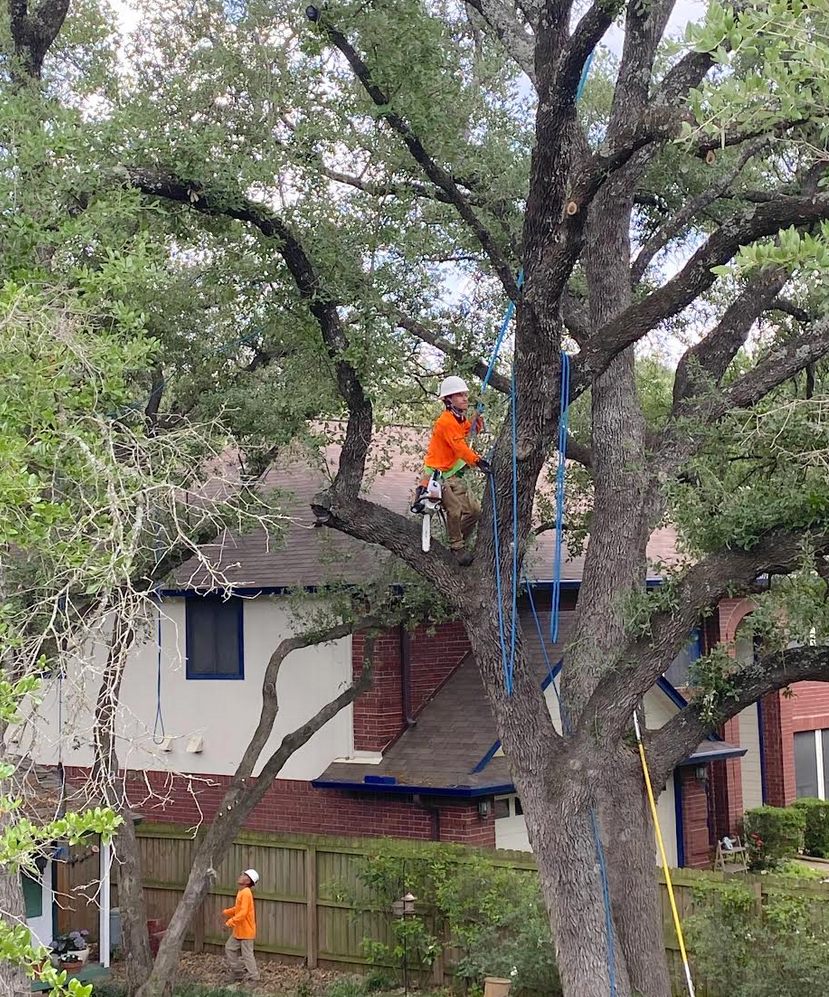
The Perils of Oak Wilt and Pruning Season
Oak Wilt is the single most significant factor dictating when pruning should occur. This aggressive fungal disease, scientifically known as Bretziella fagacearum, spreads primarily through two distinct pathways: insect transmission and root graft transmission. The insect vector, a sap-feeding beetle called the nitidulid beetle, is attracted to fresh wounds on Oak Trees, particularly during specific times of the year. When these beetles feed on the fungal spores present in infected trees and then visit fresh wounds on healthy trees, they effectively act as carriers, introducing the pathogen.
The peak activity period for these beetles in Texas is generally from February through June. During these months, the risk of disease transmission through pruning wounds is at its highest. Consequently, the primary recommendation for Texas residents is to avoid pruning any Oak Trees between February 1st and June 30th. This five-month window represents the most critical period for preventing the spread of Oak Wilt through mechanical injury.
Understanding Disease Transmission
The lifecycle of the Oak Wilt fungus is intimately linked to the seasons and the behaviors of its vectors. The fungus produces spores within the vascular tissue of infected Oak Trees. These spores ooze out onto the surface of fresh wounds, particularly those created by pruning, storm damage, or other physical injuries. The distinct sweet, fruity odor emitted by these spores attracts sap-feeding beetles. As the beetles forage for food on these sap flows, they inadvertently pick up the fungal spores on their bodies. When these same beetles then visit other Oak Trees with fresh wounds, they can transfer the spores, initiating a new infection.
Root graft transmission occurs when the roots of adjacent Oak Trees grow together and fuse. If one tree in such a connected system becomes infected with Oak Wilt, the fungus can spread underground to neighboring trees through these vascular connections. This form of transmission is less dependent on the season but highlights the importance of monitoring and managing tree health proactively.
The Optimal Pruning Windows
Given the significant risk of Oak Wilt transmission during the spring and early summer, the optimal times for pruning Oak Trees in Texas are during the cooler, drier months when beetle activity is minimal.
Late Fall and Winter Pruning
The period from July 1st through January 31st is generally considered the safest time to prune Oak Trees in Texas. This extended window offers two distinct prime periods within it:
Early Fall (July – October)
While the height of summer can be hot, the early fall months, particularly from July through October, begin to see a decrease in nitidulid beetle activity. This makes it a relatively safe time for necessary pruning, especially if addressing immediate structural issues or removing deadwood. However, it’s still advisable to exercise caution and always apply a wound sealant.
Dormant Season (November – January)
The dormant season, from November through January, is often cited as the absolute best time to prune. During this period, Oak Trees are not actively growing, and beetle populations are significantly reduced or inactive. The reduced sap flow also means less attraction for potential disease vectors. Pruning during dormancy allows the tree to heal more effectively as it prepares for spring growth. This is the ideal time for significant structural pruning, shaping, and the removal of damaged or diseased limbs.
When to Prune for Specific Reasons
While the general windows are critical for disease prevention, specific reasons for pruning might necessitate action outside the ideal periods. In such cases, extreme caution and preventative measures are paramount.

Emergency Pruning
Storm damage is a common cause of sudden limb breakage. If a limb poses an immediate hazard to people or property, it must be removed promptly, regardless of the season. However, any pruning performed on an Oak Tree outside the recommended safe windows must be followed by the immediate application of a latex-based paint or pruning sealant to the fresh wound. This sealant acts as a barrier, preventing sap from oozing out and thereby reducing the attraction for beetles. It’s crucial to note that sealants do not kill the fungus; they merely prevent its transmission to the wounded tree.
Deadwood Removal
Removing dead or dying branches can be done at almost any time of the year. However, even when removing deadwood, it is prudent to follow the general timing guidelines. If deadwood removal is necessary during the high-risk period (February-June), be sure to seal the wounds. This is because the beetles can also be attracted to the sap flowing from the cuts made to remove the deadwood, even if the branch itself was already dead.
Structural Pruning of Young Trees
Young Oak Trees often benefit from structural pruning to develop a strong framework. This type of pruning is best performed during the dormant season. However, if formative pruning is required during the spring or early summer to correct major structural defects that could lead to future problems, it should be done with the understanding of the risks and with immediate wound sealing.
Essential Practices for Oak Tree Pruning in Texas
Beyond timing, several other practices are vital for the health of Texas Oak Trees when pruning:
Always Seal Wounds
As repeatedly emphasized, always seal any wounds created by pruning, regardless of the season, but especially outside the recommended safe windows. Use a water-based latex paint or a commercial pruning sealant. Ensure the sealant is applied immediately after the cut is made, before the wound has a chance to dry out and begin oozing sap.
Use Clean, Sharp Tools
Pruning tools should be sharp and clean. Dull tools tear and bruise the wood, creating ragged wounds that are more susceptible to disease. Furthermore, cleaning tools between trees, especially if moving from a tree suspected of having Oak Wilt, can prevent the mechanical spread of the fungus. A 10% bleach solution or rubbing alcohol can be used for sterilization.
Proper Pruning Techniques
Make clean, proper pruning cuts just outside the branch collar. Avoid leaving stubs, as these can become entry points for disease and pests. Likewise, avoid flush cuts that remove the branch collar, as this can damage the trunk and impede healing. Understanding proper technique ensures the tree can seal the wound effectively.
Consult Professionals
For large trees, complex pruning needs, or if you suspect any signs of Oak Wilt, it is highly recommended to consult with a certified arborist. They have the expertise to assess tree health, identify potential problems, and perform pruning safely and effectively, adhering to the best practices for Texas conditions. A qualified arborist will be knowledgeable about local disease risks and the most current recommendations for Oak Tree care.

Dispose of Debris Properly
Wood debris from pruned Oak Trees, especially if there is any suspicion of disease, should be handled with care. Avoid chipping or moving this material during the high-risk season. It is often recommended to burn the wood or bury it deeply to prevent further spread of potential pathogens.
By adhering to these guidelines, Texas residents can ensure their Oak Trees remain healthy, vibrant, and a beautiful part of the landscape for generations to come, all while mitigating the severe threat posed by Oak Wilt.
LifeOutOfTheBox is a participant in the Amazon Services LLC Associates Program, an affiliate advertising program designed to provide a means for sites to earn advertising fees by advertising and linking to Amazon.com. Amazon, the Amazon logo, AmazonSupply, and the AmazonSupply logo are trademarks of Amazon.com, Inc. or its affiliates. As an Amazon Associate we earn affiliate commissions from qualifying purchases.