
The intricate dance of democracy in the vast and varied landscape of Texas is a spectacle of civic engagement. For those seeking to participate in this fundamental right, understanding the electoral calendar is paramount. This guide delves into the optimal times to cast your ballot in the Lone Star State, exploring the different voting periods and their significance, with a particular focus on how these dates can shape your travel and tourism experiences across Texas.
Understanding Texas Election Cycles
Texas operates on a complex schedule of elections, encompassing federal, state, and local contests. These elections are not confined to a single day but unfold over extended periods, offering multiple opportunities for Texans and visitors to engage. The timing of these elections can influence travel plans, from attending local festivals to planning visits to historical sites during periods of heightened civic activity.
Primary Elections: The First Hurdle
Primary elections, typically held in the spring of even-numbered years, are the initial phase of selecting party nominees for the general election. For the Democratic and Republican parties, this is a crucial step where registered voters within each party choose their candidates for various offices.
-
Purpose and Impact: The outcome of primary elections significantly shapes the general election ballot. Understanding these contests can offer insight into the political climate of different regions within Texas, potentially influencing travel itineraries for those interested in witnessing grassroots campaigning or attending local political events. For instance, a hotly contested primary in a smaller Texas town might offer a unique glimpse into local political fervor.
-
Timing: Historically, Texas primaries have been held in March. This timing often coincides with the beginning of spring break for many Texans, potentially impacting travel and the availability of certain accommodations.
General Elections: The Ultimate Showdown
The general election, held in November of even-numbered years, is where the nominees from each party compete for office. This is the most comprehensive election, featuring contests for President, U.S. Senate, U.S. House of Representatives, Governor, state legislative seats, and a multitude of local positions.
-
Significance for Tourism: The general election period can be a fascinating time to visit Texas. Many towns and cities will be adorned with campaign signage, and local events might be interspersed with political rallies or candidate meet-and-greets. This provides an additional layer of cultural experience for travelers interested in observing American democracy in action. Consider visiting a historic courthouse square in a town like Georgetown or Galveston during this time to see local engagement firsthand.
-
Early Voting: A key feature of general elections, and increasingly other elections, is the extended early voting period. This allows voters to cast their ballots in the weeks leading up to Election Day, offering flexibility for those whose travel plans might otherwise conflict with the official polling dates. This extended window is particularly beneficial for those planning longer trips or attending events such as the State Fair of Texas in Dallas.
Special Elections: Addressing Vacancies and Specific Issues
Special elections are held to fill unexpected vacancies in office or to vote on specific ballot propositions, such as constitutional amendments or bond issues. These elections can occur at any time of the year, depending on when the vacancy arises or the proposition is placed on the ballot.
-
Local Impact: Special elections, particularly at the local level, can have a profound impact on specific communities. For instance, a vote on a new school bond in a Hill Country town might bring residents together and offer travelers a chance to understand local priorities.
-
Flexibility for Travelers: Because special elections are unscheduled, they require a degree of vigilance for those who wish to participate. However, for travelers, they can present unexpected opportunities to witness focused civic engagement within a particular locale.
The Mechanics of Voting in Texas
Understanding when to vote is only part of the equation; knowing how to vote and the available methods is equally important, especially when factoring in travel. Texas offers several avenues for casting a ballot, each with its own timeline and considerations.
In-Person Voting: Polling Places and Early Voting Centers
The most traditional method of voting is in person at a designated polling place on Election Day. However, Texas also offers an early voting period, typically lasting several days, during which voters can cast their ballots at any designated early voting location within their county.
-
Early Voting Advantages for Travelers: The early voting period is a boon for travelers. It allows individuals to cast their ballot before departing on a trip, ensuring their vote is counted without interrupting their journey. This is particularly useful for those planning to visit popular tourist destinations like San Antonio or explore the natural beauty of Big Bend National Park. Imagine voting early in your home county before heading out to enjoy the vibrant cultural scene of Austin.
-
Election Day Considerations: While Election Day is the official date, traveling on this day can sometimes be complicated by potential traffic congestion around polling stations or the desire to be present in one’s home precinct. For those visiting Texas during an election period, understanding Election Day logistics is crucial if they plan to vote in person on the actual day.
Vote By Mail: Convenience for Absentee Voters
Texans who meet specific eligibility requirements can vote by mail. These requirements generally include being 65 years or older, having a disability, being confined in jail but otherwise eligible, or being out of their county during the entire early voting period and on Election Day.
-
Planning for Absentee Voting: For individuals planning extended travel outside of Texas, or those who will be away from their registered address, vote by mail offers a critical opportunity to participate. It’s essential to understand the application deadlines for mail-in ballots, which typically precede the early voting period. This allows for seamless participation even when physically distant from Houston or Fort Worth.
-
Ballot Tracking: Texas offers a ballot tracking system, allowing voters to confirm when their mail-in ballot has been received and counted. This provides peace of mind for those voting remotely.
Strategic Voting and Travel Planning
The alignment of election schedules with travel plans can be a strategic consideration for residents and visitors alike. Understanding these overlaps can enhance both civic participation and the overall travel experience.
Leveraging Election Lulls for Travel
Periods between major election cycles – the time after a general election and before the next primary season – often present prime opportunities for uninterrupted travel. These lulls allow for a focus on the diverse attractions Texas has to offer without the backdrop of intense political campaigning. Exploring the historical missions of San Antonio or embarking on a culinary tour of East Texas can be particularly rewarding during these quieter civic periods.
Experiencing Civic Engagement as a Tourist
Conversely, visiting Texas during an election period can offer a unique cultural immersion. Attending a local town hall meeting in a smaller community, observing campaign events, or simply engaging in conversations with locals about the elections can provide a deeper understanding of Texan society. This is especially true in historically significant towns or regions known for strong political engagement. For instance, a visit to Austin during a contentious statewide election could reveal a palpable sense of civic energy.
Key Dates and Resources
Staying informed about specific election dates is crucial. The Texas Secretary of State website is the authoritative source for official election calendars, candidate information, and voter registration deadlines. Local county election websites also provide detailed information on polling locations and early voting schedules specific to their area.
Voter Registration Deadlines
A fundamental step for any eligible voter is to ensure they are registered. Texas has a strict deadline for voter registration, which is typically 30 days before an election. Missing this deadline means one cannot vote in that particular election. This is a critical piece of information for anyone planning to cast a ballot, especially if they are new to the state or have recently moved.

Election Day and Early Voting Periods
While specific dates vary by election cycle, understanding the general framework is key:
- Primaries: Usually in March of even-numbered years.
- General Elections: The first Tuesday after the first Monday in November of even-numbered years.
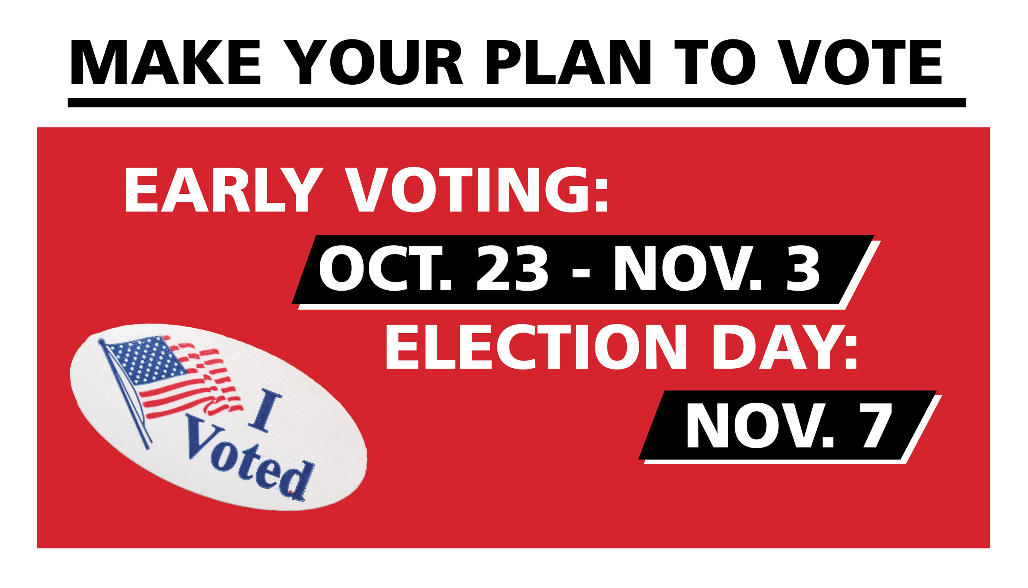
- Early Voting: Typically runs for about two weeks leading up to Election Day for general and primary elections. Special election dates are announced as needed.
By carefully consulting the official Texas election calendar and aligning it with personal travel plans, one can ensure both active participation in the democratic process and the enjoyment of all that Texas has to offer. Whether you are a lifelong Texan or a visitor keen to understand the state’s civic pulse, knowing when to vote is an essential part of the Texan experience.
LifeOutOfTheBox is a participant in the Amazon Services LLC Associates Program, an affiliate advertising program designed to provide a means for sites to earn advertising fees by advertising and linking to Amazon.com. Amazon, the Amazon logo, AmazonSupply, and the AmazonSupply logo are trademarks of Amazon.com, Inc. or its affiliates. As an Amazon Associate we earn affiliate commissions from qualifying purchases.