
The iconic figure of the Texas Rangers evokes images of dusty plains, frontier justice, and the unwavering spirit of the Lone Star State. While the romanticized notion of a lone Ranger patrolling vast territories persists, understanding their modern-day presence requires a deeper dive into their organizational structure and operational reach. The Texas Rangers are a state-level law enforcement agency, and their “location” is not a single physical point, but rather a network of officers strategically positioned across the entire state of Texas to serve and protect its citizens.
The Department of Public Safety and the Ranger Division
The Texas Rangers operate as a distinct division within the Texas Department of Public Safety (DPS). This administrative umbrella ensures they are integrated into the broader law enforcement framework of the state, allowing for cooperation and resource sharing with other agencies. Unlike many police departments or sheriff’s offices that are confined to a specific city or county, the Texas Rangers possess statewide jurisdiction. This means that a Ranger can be called to investigate a case or provide assistance in any of the 254 counties of Texas.
The headquarters for the Texas Department of Public Safety, and by extension, the command center for the Ranger Division, is located in Austin, the capital city. This central location facilitates administrative functions, policy development, and strategic planning. However, the operational reality of the Texas Rangers extends far beyond this single building.
Regional Divisions and Field Offices
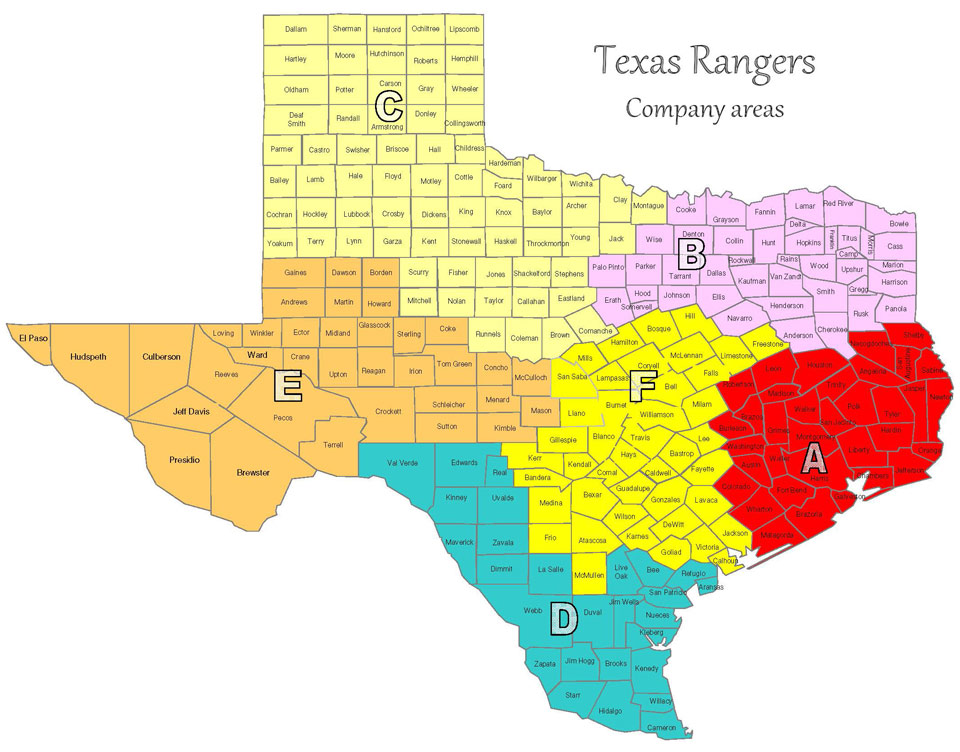
To effectively cover the immense geographical expanse of Texas, the Ranger Division is organized into several regional divisions. These divisions are further supported by field offices strategically placed throughout the state. This decentralized structure ensures rapid response times and allows Rangers to maintain a close connection to the communities they serve. While a comprehensive list of every single field office might not be publicly available, the presence of these offices is critical to their operational effectiveness.
These regional divisions and field offices act as operational hubs. They are where Rangers are typically assigned, where evidence is processed, and where investigations are coordinated. The specific boundaries of these divisions are designed to optimize coverage and efficiency, taking into account population density, crime rates, and geographical challenges.
The Ranger’s Operational Reach: Beyond a Fixed Address

The true “location” of a Texas Ranger is often dynamic and dictated by the demands of their work. Rangers are not tied to a desk in the way many administrative roles are. Their assignments can take them from the bustling metropolises of Houston and Dallas to the remote ranches of West Texas and the coastal communities along the Gulf of Mexico.
Investigations and Special Operations
The mandate of the Texas Rangers is broad, encompassing investigations into major crimes, corruption, public integrity, and homeland security threats. This means their physical presence can be found anywhere a crime has occurred or is suspected. They may be:
- At crime scenes: Investigating homicides, aggravated assaults, and other serious criminal offenses.
- In courtrooms: Providing testimony and presenting evidence.
- Conducting surveillance: In urban environments or remote rural areas.
- Working undercover: Infiltrating criminal organizations.
- Assisting local law enforcement: Providing specialized expertise and manpower during critical incidents.
- Engaged in intelligence gathering: Working to prevent future criminal activity.
The mobility and adaptability of Texas Rangers are paramount to their success. They are equipped to operate in diverse environments, from the dense urban landscapes of San Antonio to the rugged terrain of the Big Bend National Park.
Historical Context and Evolving Presence
The historical legacy of the Texas Rangers is deeply intertwined with the expansion and development of Texas. Originally formed in 1823, their early operations were characterized by their far-flung patrols and their role in establishing order in a nascent territory. While the nature of law enforcement has evolved significantly since those early days, the core mission of protecting Texas and its people remains the same.
The Modern Ranger: A Network of Expertise
Today, the Texas Ranger is a highly trained and experienced law enforcement professional. They are often drawn from the ranks of other law enforcement agencies, bringing with them specialized skills in areas such as detective work, forensics, and tactical operations. Their “location” is less about a fixed geographical point and more about their ability to deploy wherever their expertise is needed within the vast reaches of Texas.
This network of officers, supported by regional hubs and a central command in Austin, ensures that the spirit of the Texas Rangers – a commitment to justice and service – is present in every corner of the state. Their presence is a constant, even if their physical location changes from day to day, or even hour to hour, in pursuit of their vital duties.
LifeOutOfTheBox is a participant in the Amazon Services LLC Associates Program, an affiliate advertising program designed to provide a means for sites to earn advertising fees by advertising and linking to Amazon.com. Amazon, the Amazon logo, AmazonSupply, and the AmazonSupply logo are trademarks of Amazon.com, Inc. or its affiliates. As an Amazon Associate we earn affiliate commissions from qualifying purchases.