
The question, “Where are the Texas Rangers from?” might seem straightforward, conjuring images of dusty plains and horseback riders. However, the story of the Texas Rangers is far richer and more geographically diverse than a single location. While intrinsically linked to the state of Texas, their origins and operational scope have spanned vast territories, evolving significantly since their inception. To truly understand their roots, we must delve into the historical context and the foundational needs that gave rise to this iconic law enforcement agency.
The Genesis of a Frontier Force
The Texas Rangers did not emerge from a single, pre-ordained headquarters. Their birth was a pragmatic response to the lawless conditions that plagued the nascent Republic of Texas in the 19th century. The primary drivers for their creation were the need for defense against Native American tribes, protection against outlaw elements, and the assertion of Texan sovereignty in a tumultuous region.

A Republic in Peril
Following the Texas Revolution, the newly independent Republic of Texas faced immense challenges. Its vast borders were difficult to defend, and internal order was a constant concern. The fledgling government recognized the necessity of a mobile, adaptable, and dedicated force to uphold the law and protect its citizens. This led to the official establishment of the Texas Rangers in 1835, a year before the Republic achieved its independence from Mexico. Initially, they were not a formal, federally funded law enforcement body as we might understand today, but rather a civilian militia operating under the command of the Republic’s government.
The First Calls to Service
The early iterations of the Texas Rangers were less about a fixed location and more about a responsive presence across the frontier. They were tasked with scouting, patrolling, and engaging in combat where threats arose. Their “home” was wherever the need was greatest – from the settlements along the Rio Grande to the vast, untamed wilderness further north and west. This inherent mobility defined their early existence. They were nomadic protectors, their presence a deterrent and their action a swift response to lawlessness and external aggression.
Expanding Horizons: Beyond the Lone Star State
While the name “Texas Rangers” inherently ties them to Texas, their operational reach, particularly in their formative years and during significant historical periods, extended beyond the state’s modern boundaries. The concept of “from” begins to blur when considering their mission in a rapidly expanding and often contested territory.
The Wild West and Beyond
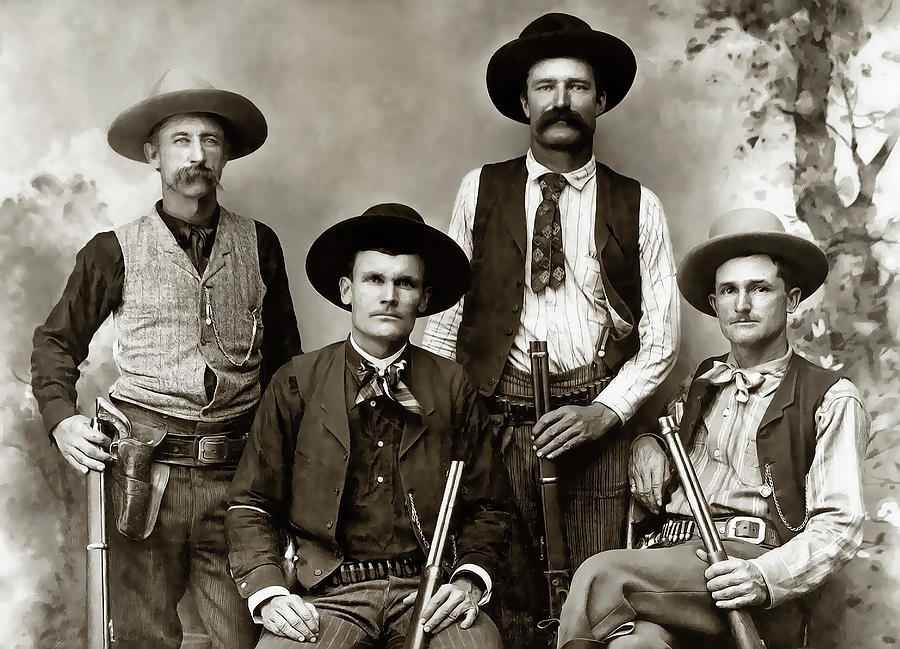
During the latter half of the 19th century and into the early 20th century, the Texas Rangers were instrumental in bringing order to a frontier that was far from settled. Their activities often spilled into neighboring territories, and they were frequently called upon for assistance or operated in conjunction with law enforcement from other jurisdictions. This era saw them tackling everything from cattle rustling and train robberies to enforcing justice in areas where official government presence was minimal.
The Role of Federal Cooperation
It is crucial to understand that the Texas Rangers were not solely an isolated entity. Throughout history, they have collaborated with federal agencies, including the U.S. Marshals Service and, later, the Federal Bureau of Investigation (FBI). These partnerships sometimes involved operations that transcended state lines, further illustrating that their “origin” as a concept was less about a physical address and more about a mission of law enforcement and protection that was national in scope, even if their primary jurisdiction was Texas. Their effectiveness often depended on their ability to adapt and operate wherever the rule of law needed to be asserted.
Modern Rangers: A Centralized Hub and Evolving Mission
Today, the Texas Rangers are a well-established and highly respected law enforcement agency within the Texas Department of Public Safety. Their operational structure and headquarters reflect a more formalized and modern approach to policing, yet their historical legacy continues to inform their identity.
Headquarters and Operational Structure
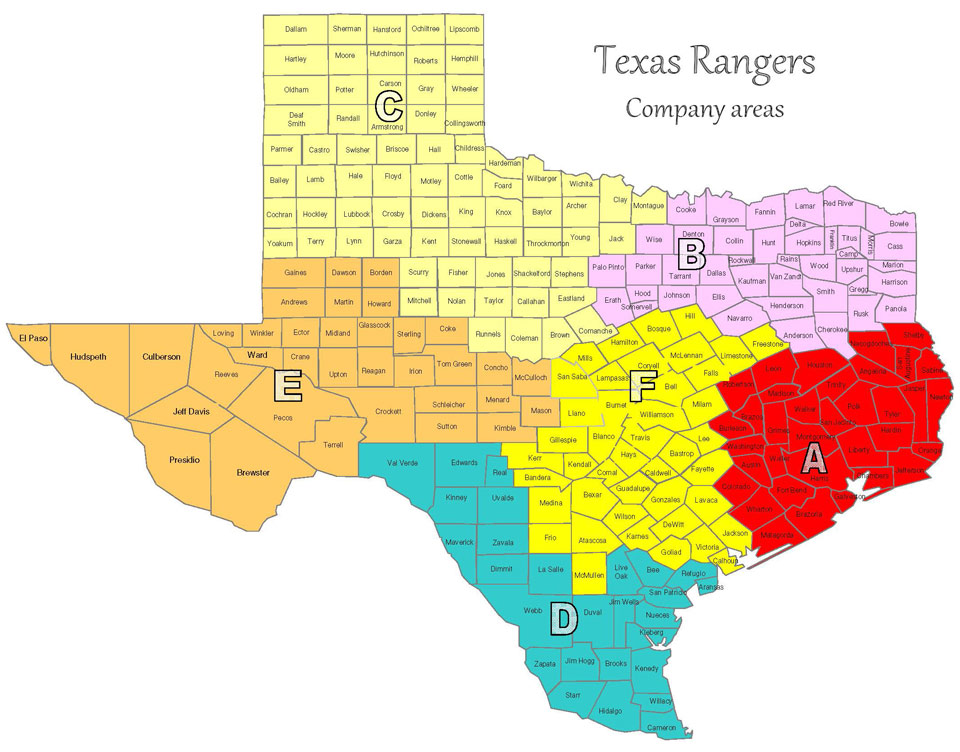
The Texas Rangers maintain a central headquarters located in Austin, Texas. From this hub, they coordinate their statewide operations, which are divided into several geographical divisions. Each division is staffed by experienced Rangers who are responsible for investigating major crimes, public corruption, and other complex cases that fall under their purview. This centralized command structure ensures a consistent approach to law enforcement across the entire state.
The Modern Ranger’s Reach
While their administrative heart beats in Austin, the Texas Rangers are a truly statewide force. Their investigators are deployed to every corner of Texas, responding to the most serious criminal threats. Their mission has evolved from frontier defense to intricate criminal investigations, but the core principle of serving and protecting the citizens of Texas remains. The question of “where they are from” now has a clear administrative answer, but the historical narrative reminds us that their spirit of adaptability and broad reach is an intrinsic part of their enduring legend. They are from Texas, a state that is vast and diverse, and their operational footprint has always reflected that immensity.
LifeOutOfTheBox is a participant in the Amazon Services LLC Associates Program, an affiliate advertising program designed to provide a means for sites to earn advertising fees by advertising and linking to Amazon.com. Amazon, the Amazon logo, AmazonSupply, and the AmazonSupply logo are trademarks of Amazon.com, Inc. or its affiliates. As an Amazon Associate we earn affiliate commissions from qualifying purchases.