
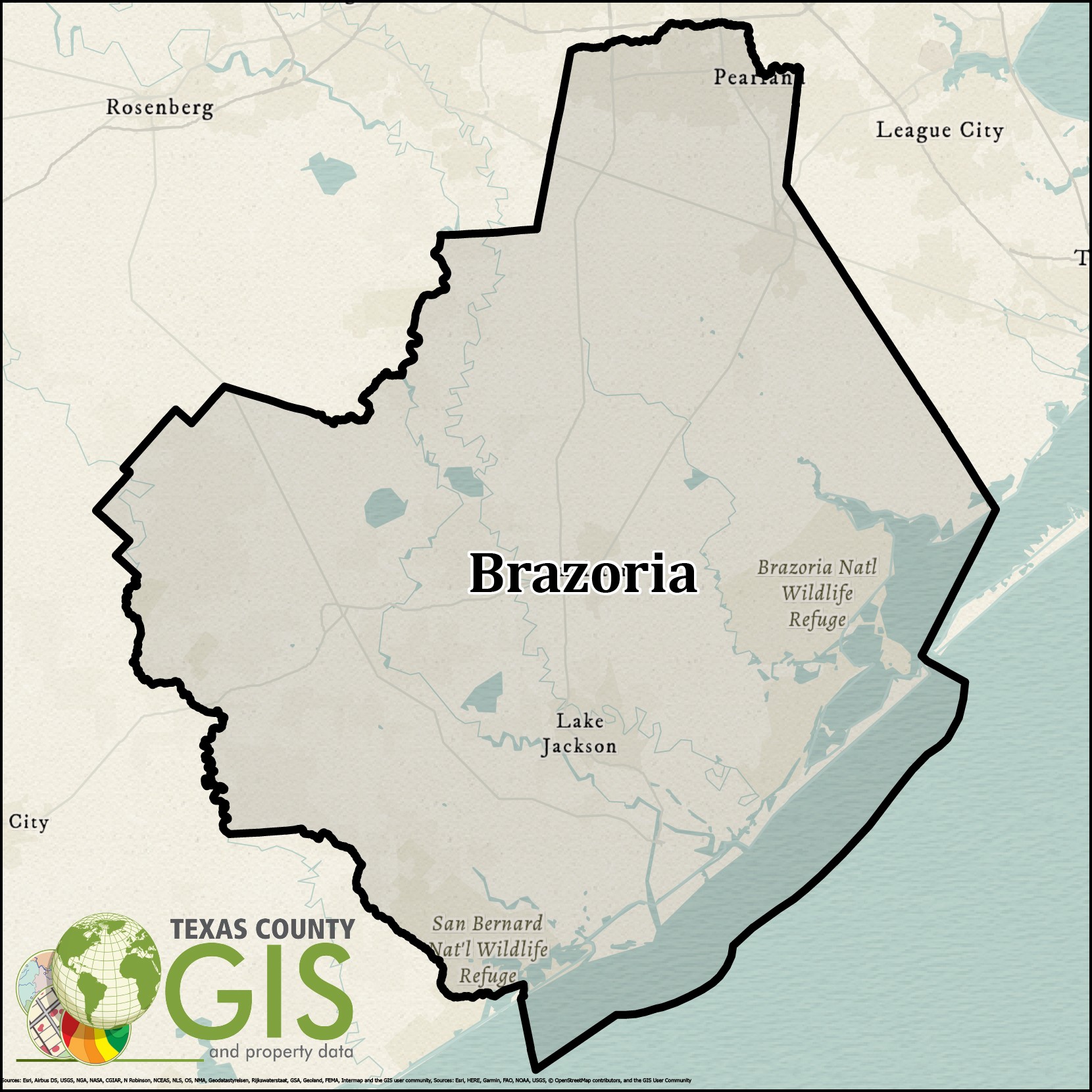
Brazoria County, Texas, is a captivating region situated along the Gulf Coast, southeast of Houston. It’s a place where the vastness of the Gulf of Mexico meets the fertile plains and bayous of Texas. This unique geographical positioning has shaped its history, economy, and its appeal as a destination for those seeking a blend of natural beauty, historical significance, and distinct coastal charm. Understanding its location is the first step to appreciating the diverse experiences it offers, from its vibrant wildlife refuges to its rich industrial heritage.
Gateway to the Gulf Coast
Brazoria County’s primary geographical identity is its extensive coastline. Bordering the Gulf of Mexico to the south, the county boasts over 50 miles of pristine, undeveloped beaches, making it a significant natural asset. This coastal strip is not just a picturesque landscape; it’s a vital ecosystem that supports a rich diversity of marine and bird life. The county’s southern edge is characterized by barrier islands, saltwater marshes, and estuaries, all of which contribute to its unique ecological profile.

Coastal Communities and Their Charms
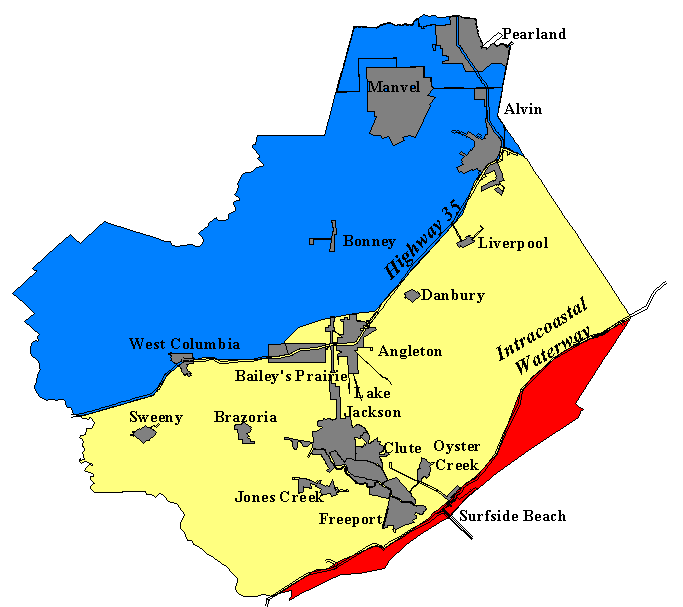
The county’s population is distributed across several cities and towns, each offering a unique perspective on coastal living. Freeport, the largest city, is a major port and industrial center, strategically located at the mouth of the Brazos River. Its port operations are crucial to the regional economy, handling a significant volume of cargo. Despite its industrial importance, Freeport also offers access to coastal recreational activities.
Further inland, towns like Angleton, the county seat, and Lake Jackson provide more suburban and residential environments, drawing residents who appreciate the proximity to coastal amenities while maintaining access to urban conveniences. Clute and Richwood are other significant communities, each contributing to the county’s overall character. The proximity to the Houston-The Woodlands-Sugar Land metropolitan area means that residents and visitors can easily access the amenities of a major city while enjoying the more relaxed pace of coastal life.
Proximity to Major Hubs
Brazoria County’s strategic location relative to Houston is a key factor in its accessibility and economic interconnectedness. Located just about an hour’s drive south of downtown Houston, it benefits from the vast economic opportunities and cultural attractions of the fourth-largest city in the United States. This proximity makes it an attractive place for commuters and for those seeking a more tranquil lifestyle without sacrificing access to world-class dining, entertainment, and professional services. Major highways, including State Highway 288, provide efficient transportation links between Brazoria County and Houston.
A Landscape Rich in Nature and History
The geography of Brazoria County dictates not only its present but also its past and its potential for future exploration. Its varied terrain, from coastal shores to fertile river valleys, has historically supported diverse human activities and continues to be a draw for nature enthusiasts and history buffs alike.
The Brazos River Corridor
The Brazos River, one of the longest rivers in Texas, is a defining feature of the county. Its meandering path through the landscape has historically been a source of life, supporting agriculture and providing a transportation route. The river valley is characterized by rich, alluvial soil, which has been instrumental in the region’s agricultural development, particularly in cotton and sugarcane cultivation during the antebellum period. Today, the Brazos River corridor continues to be an area of natural beauty, with pockets of dense vegetation and wildlife habitats.
Wildlife Sanctuaries and Natural Preserves
Brazoria County is a critical area for wildlife conservation. The county is home to some of the most important bird habitats in North America, particularly along its coastal marshes and bays. The San Bernard National Wildlife Refuge and the Brazoria National Wildlife Refuge are internationally recognized for their significance to migratory birds, especially during the spring and fall flyaways. Millions of birds, including various species of shorebirds, waterfowl, and raptors, depend on these protected lands for resting and foraging. Visitors can explore these refuges via designated trails and viewing platforms, offering unparalleled opportunities for birdwatching and nature photography. The presence of these refuges underscores the county’s commitment to preserving its natural heritage.
Historical Significance
The history of Brazoria County is deeply intertwined with the early settlement of Texas and the development of the state. The county was established in 1836 and named for the Brazos River. Its early economy was largely agrarian, heavily reliant on slave labor for the cultivation of cotton. The county was also a significant site during the Texas Revolution, with notable events occurring in the area, including the Battle of Brazoria in 1836.
Historical sites scattered throughout the county offer glimpses into this past. Varner-Hogg State Historic Site, for instance, preserves the plantation home of James Varner and later governor Lawrence Sullivan Ross, showcasing life in Texas during the 19th century. The county’s role in the early days of the Republic of Texas and its subsequent development as part of the United States have left a tangible mark on its landscape and its cultural identity.
Economic Backbone and Industrial Presence
Brazoria County’s economy is a dynamic mix of traditional industries and modern development, heavily influenced by its coastal location and proximity to Houston. The county is a significant player in the petrochemical and energy sectors, as well as a vital hub for maritime trade.
Petrochemical and Industrial Hub
The presence of major industrial complexes, particularly around Freeport, forms a substantial part of the county’s economic foundation. The region is home to large chemical plants and manufacturing facilities that produce a wide range of products. This industrial activity generates employment and contributes significantly to the local and state economy. The Port of Freeport is one of the busiest ports in Texas, handling diverse cargo, including crude oil, petroleum products, chemicals, and manufactured goods. Its strategic location and infrastructure make it a key gateway for international trade.
Agriculture and Ranching
Despite the dominance of industrial and port activities, agriculture and ranching remain important sectors in Brazoria County. The fertile lands along the Brazos River and surrounding areas are still utilized for cultivating crops such as sugarcane, rice, and cotton. Cattle ranching is also prevalent, with large ranches spread across the county’s more rural areas. These traditional industries contribute to the county’s rural charm and its connection to its agrarian roots.
Tourism and Recreation
While often overshadowed by its industrial might, tourism and recreation are growing sectors in Brazoria County. The appeal of its natural landscapes, particularly its beaches and wildlife refuges, attracts visitors seeking outdoor adventures. Activities such as fishing, birdwatching, kayaking, and beachcombing are popular. The development of eco-tourism initiatives aims to leverage the county’s natural assets for economic benefit, promoting sustainable tourism practices that respect and preserve the environment. The coastal communities are increasingly developing amenities to cater to these visitors, offering a more diversified economic future.
Exploring Brazoria County: A Traveler’s Perspective
For those looking to experience the unique character of Brazoria County, its location offers a compelling blend of natural beauty, historical intrigue, and accessible coastal living. It’s a destination that rewards exploration, revealing layers of history, vibrant ecosystems, and a distinct Gulf Coast culture.
The Coastal Edge: Beaches and Beyond
The southern border of Brazoria County is its most immediate draw for many visitors. The county manages access to miles of public beaches, offering a quintessential Texas Gulf Coast experience. Unlike some more developed beach destinations, Brazoria County’s coastline often retains a more natural, less commercialized feel. Quintana Beach County Park, for example, provides facilities for camping, fishing, and enjoying the seaside. The beaches here are known for their opportunities for shelling, fishing, and simply enjoying the vast expanse of the Gulf of Mexico. It’s a place where one can truly disconnect and appreciate the raw beauty of the coast.
Wildlife Encounters: Refuges and Reserves
A primary reason to visit Brazoria County for many is its unparalleled birdwatching and wildlife viewing opportunities. The San Bernard National Wildlife Refuge and the Brazoria National Wildlife Refuge are essential stops for any nature enthusiast. These sprawling refuges offer a network of auto tours and walking trails that wind through diverse habitats, including coastal prairies, marshlands, and shallow bays. During migration seasons, the skies teem with activity, and the wetlands are alive with the calls of countless bird species. Beyond birds, visitors might also spot alligators, river otters, and other native wildlife. The visitor centers at these refuges provide valuable information and educational exhibits about the local ecosystems and conservation efforts.
Historical Footprints: Plantations and Pioneers
For those interested in the history of Texas, Brazoria County offers significant sites that tell the story of early settlement and development. Varner-Hogg State Historic Site in West Columbia is a well-preserved antebellum plantation home that provides a poignant look into the past. Exploring the grounds and the historic house offers insights into the lives of the people who lived and worked there, shedding light on the complex social and economic structures of the era. The historic town of Columbia (now West Columbia), which served as the first capital of the Republic of Texas, also holds historical importance. Visiting these sites offers a tangible connection to the formative years of the state.
Local Flavors and Coastal Culture
The culinary scene in Brazoria County is, as expected, heavily influenced by its coastal location. Fresh seafood is a staple, with local restaurants offering everything from freshly caught shrimp and oysters to snapper and flounder. Many establishments pride themselves on serving local catches, prepared in classic Southern and Tex-Mex styles. Beyond seafood, the county’s agricultural roots also contribute to its food landscape, with opportunities to sample local produce and traditional Texan dishes. The pace of life in the coastal towns fosters a friendly and relaxed atmosphere, reflecting a distinct Gulf Coast culture that is welcoming to visitors.
LifeOutOfTheBox is a participant in the Amazon Services LLC Associates Program, an affiliate advertising program designed to provide a means for sites to earn advertising fees by advertising and linking to Amazon.com. Amazon, the Amazon logo, AmazonSupply, and the AmazonSupply logo are trademarks of Amazon.com, Inc. or its affiliates. As an Amazon Associate we earn affiliate commissions from qualifying purchases.