
Fort Bliss, a significant military installation, anchors itself in the vast and historically rich landscape of West Texas. Its presence has profoundly shaped the region, transforming El Paso and its surrounding areas into a vital hub for national defense and a unique destination for those interested in military history, border culture, and the rugged beauty of the Chihuahuan Desert. Understanding its location is key to appreciating its strategic importance and the distinct character of the communities that have grown around it.
The Strategic Geography of Fort Bliss
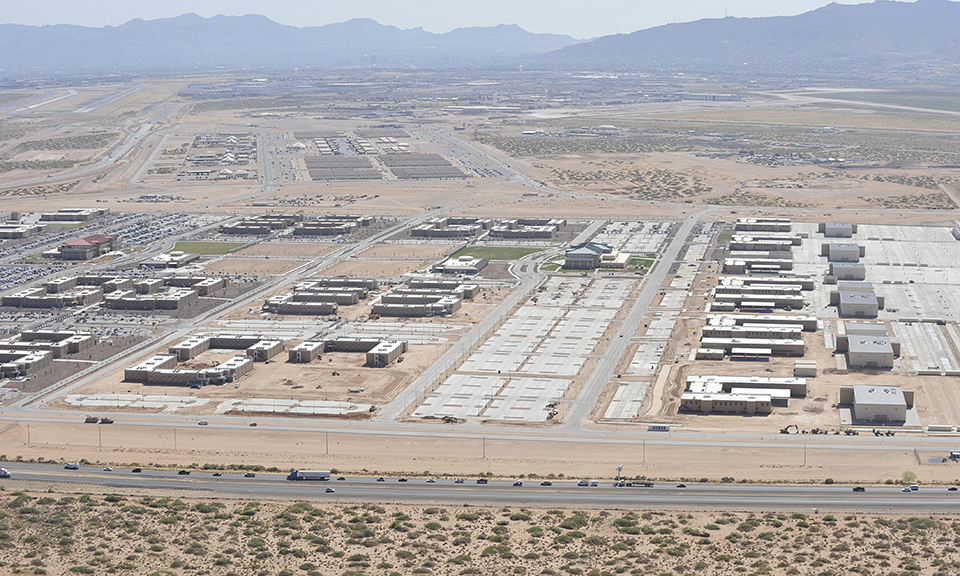
Nestled on the eastern edge of El Paso, Texas, Fort Bliss occupies a sprawling expanse of land that borders both New Mexico and Mexico. This prime geographical positioning is no accident. Its proximity to the international border makes it a critical site for border security operations and training exercises, a role it has played for over a century. The base itself covers an immense area, encompassing over 1.12 million acres, making it one of the largest U.S. Army installations by area. This vastness allows for extensive training maneuvers and accommodates a large military population, including active-duty soldiers, their families, and a significant number of civilian employees.
Borderlands and Desert Environments
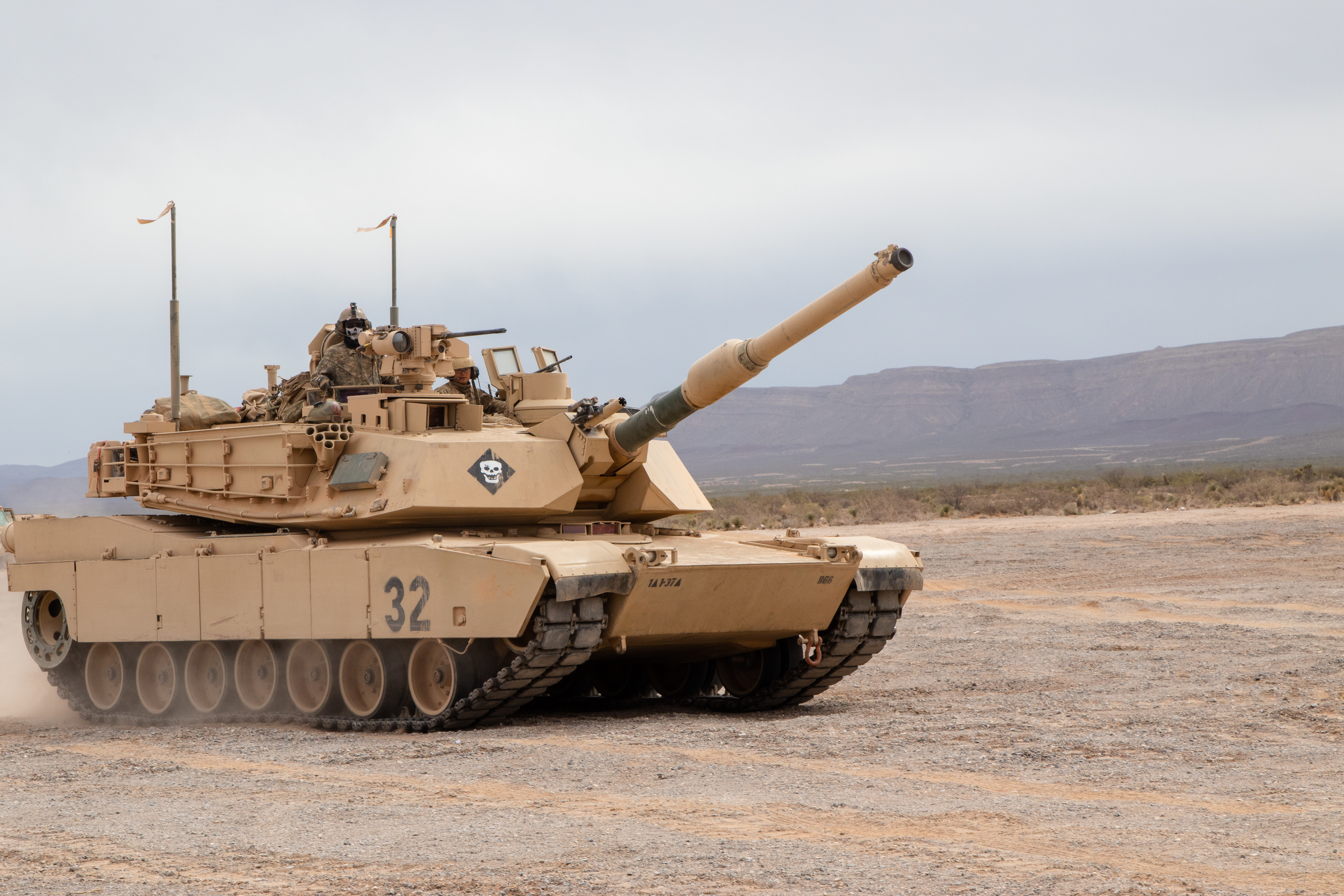
The terrain surrounding Fort Bliss is characteristic of the Chihuahuan Desert. This arid environment, with its distinctive flora like mesquite and cacti, presents unique challenges and opportunities for military training. Soldiers stationed here become adept at operating in extreme heat, sandy conditions, and navigating rugged, open landscapes. This desert environment also offers breathtaking natural beauty, with the Franklin Mountains providing a dramatic backdrop to the installation and the city of El Paso. For visitors and residents, the desert offers opportunities for hiking, exploring, and experiencing the stark, captivating allure of West Texas. The nearby Franklin Mountains State Park offers numerous trails and scenic vistas, showcasing the natural splendor that defines this part of Texas.
El Paso: The Border City
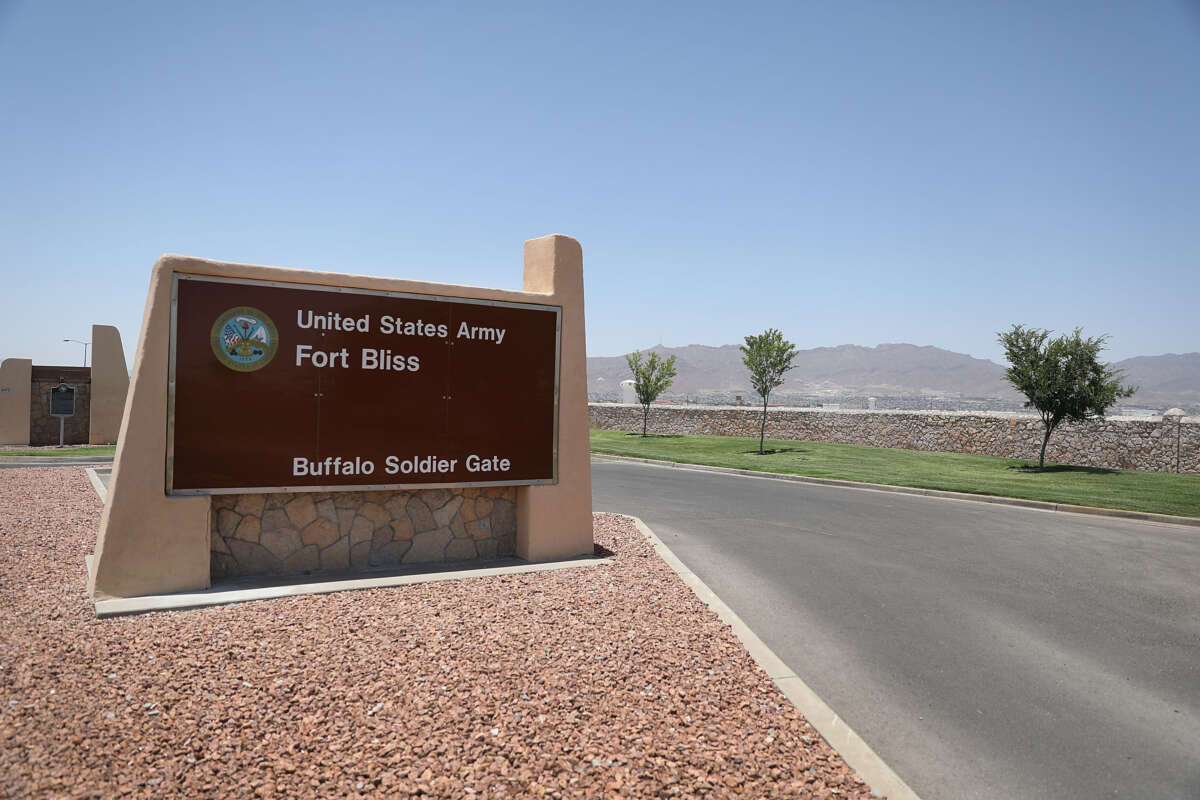
Fort Bliss is inextricably linked with the city of El Paso. The installation’s presence has been a major economic driver for El Paso for generations, supporting local businesses and providing a substantial portion of the region’s workforce. El Paso itself is a vibrant border city, rich in Hispanic culture and history. Its unique blend of American and Mexican influences is evident in its cuisine, music, art, and architecture. Visitors to the area can explore historic sites, enjoy authentic Tex-Mex food, and experience the warmth and resilience of the people who call this dynamic region home. The base is situated in the northeastern part of El Paso, with its main gates providing access to the city’s extensive road network.
Proximity to New Mexico
To the north and west, Fort Bliss extends into the state of New Mexico. This cross-state presence means that some of the installation’s vast training grounds lie within New Mexico. The nearby city of Alamogordo, New Mexico, is also a significant hub for personnel and activities related to Fort Bliss, particularly for specialized training. The proximity to New Mexico adds another layer to the regional tapestry, connecting the military community to a different set of cultural and geographical characteristics, further enriching the experience of those stationed or visiting the area.
Historical Significance and Expansion
Fort Bliss’s roots in West Texas run deep, tracing back to the mid-19th century. Originally established as a frontier post in 1849, it has evolved significantly from its humble beginnings. Its strategic location made it crucial for protecting settlers and securing the border during periods of westward expansion and conflict. Over the decades, the fort grew, adapting to new military technologies and geopolitical demands. The post-World War II era saw a massive expansion, transforming it into the sprawling base it is today. This expansion was driven by the need for training grounds and facilities for the growing U.S. Army, particularly for armored and artillery units.
From Frontier Post to Modern Installation
The initial establishment of Fort Bliss was part of a larger effort to create a network of forts across the American West. Its early mission involved protecting emigrant trails and engaging with Native American tribes. As the nation grew, so did the fort’s responsibilities and footprint. The advent of mechanized warfare and the Cold War necessitated larger training areas, leading to significant land acquisitions in the desert. This historical progression is a testament to Fort Bliss’s enduring strategic importance. The U.S. Army Air Defense Artillery Center and the 1st Armored Division are among the major commands that call Fort Bliss home, underscoring its vital role in contemporary defense.
The Role of World Wars and the Cold War
The two World Wars and the subsequent Cold War era marked periods of intense growth and modernization for Fort Bliss. During World War II, it served as a crucial training center for armored divisions and artillery units. The vast open spaces of the Texas desert were ideal for practicing large-scale maneuvers. The Cold War further solidified its importance, as the base became a center for nuclear weapons training and testing, as well as for the development of advanced missile systems. The legacy of these periods can still be seen in some of the older structures and the sheer scale of the installation.
Experiencing the Region Around Fort Bliss
The location of Fort Bliss in El Paso and its surrounding desert landscape offers a unique blend of cultural experiences and outdoor adventures. For visitors and residents, understanding this context is key to appreciating the full spectrum of what this part of Texas has to offer, extending far beyond the military installation itself. The blend of military presence, rich cultural heritage, and the dramatic natural environment creates a distinctive regional identity.
Cultural Immersion in El Paso
El Paso boasts a vibrant cultural scene deeply influenced by its border location. Visitors can explore the El Paso Museum of History to delve into the region’s past, from its indigenous roots to its frontier days and military heritage. The El Paso Mission Trail offers a glimpse into the Spanish colonial era, with historic adobe churches that have stood for centuries. Culinary enthusiasts will find a paradise of Tex-Mex and authentic Mexican cuisine, with countless restaurants serving up everything from spicy enchiladas to flavorful tacos. The city also hosts numerous festivals and events throughout the year, celebrating its diverse heritage with music, dance, and art.
Outdoor Adventures in the Chihuahuan Desert
The Chihuahuan Desert surrounding Fort Bliss is an adventurer’s playground. The Franklin Mountains State Park provides unparalleled opportunities for hiking and rock climbing, with trails ranging from easy strolls to challenging ascents that reward climbers with panoramic views of El Paso and the vast desert beyond. Wildlife observation is another popular activity, with the desert home to a variety of unique species adapted to the arid climate. Stargazing is also exceptional in this region due to the low light pollution, offering a chance to witness the brilliance of the desert night sky. For those seeking a more tranquil experience, scenic drives through the desert landscape reveal its subtle beauty and enduring allure.
The Impact on Local Communities
The presence of Fort Bliss has undeniably shaped the development of El Paso and neighboring communities. It provides a steady economic base and fosters a strong sense of community among military families. The integration of military personnel and their families into civilian life is a hallmark of the El Paso experience. Local businesses often cater to the needs of the military community, and schools and community organizations work to support soldiers and their families. This symbiotic relationship creates a unique social fabric that is both welcoming and resilient, a testament to the enduring connection between the fort and the land it occupies.
Planning Your Visit to the Fort Bliss Area
For individuals planning a visit to Fort Bliss, whether for official duties, to visit family, or as a tourist interested in the region, understanding the local geography and amenities is essential. The base is a self-contained community, but its accessibility and connection to El Paso make it a gateway to a broader West Texas experience.
Accommodation Options
While Fort Bliss has on-base lodging options for visiting military personnel and their families, those seeking off-base accommodations will find a wide range of choices in El Paso. The city offers everything from budget-friendly motels and chain hotels to more upscale resorts and extended-stay apartment complexes. Many hotels are conveniently located near the main gates of Fort Bliss, providing easy access for visitors. For those looking for a more immersive experience, vacation rentals and Airbnb options are also available, offering a chance to stay in local neighborhoods. Areas like Northeast El Paso are particularly close to the base, while downtown El Paso and the popular Scenic Drive area offer different but equally appealing lodging environments.
Transportation and Access
Getting to and around the Fort Bliss area is relatively straightforward. The closest major airport is El Paso International Airport (ELP), which serves numerous domestic destinations. From the airport, taxis, ride-sharing services, and rental cars are readily available to transport visitors to their accommodations or directly to Fort Bliss. Major highways, including Interstate 10 (I-10), run through El Paso, providing convenient road access to the base and surrounding areas. For those navigating Fort Bliss itself, understanding the base layout and gate access points is crucial. Military identification is typically required for entry, though visitor policies can vary.
Exploring Beyond the Base
The strategic location of Fort Bliss serves as an excellent starting point for exploring the broader West Texas region. Day trips can include visits to nearby towns like White Sands National Park in New Mexico, a stunning landscape of gypsum dunes that offer a surreal and beautiful experience. The historic city of Las Cruces, New Mexico, is also a short drive away, offering its own unique culture and attractions. For those interested in further exploring the military history of the region, visiting the National Museum of the U.S. Army at Fort Belvoir or other historical sites across the country can provide broader context, though the immediate vicinity of Fort Bliss offers ample material for a deep dive into its own storied past. The unique blend of desert grandeur, rich cultural heritage, and strategic military significance makes the area around Fort Bliss a compelling destination for a variety of interests.
LifeOutOfTheBox is a participant in the Amazon Services LLC Associates Program, an affiliate advertising program designed to provide a means for sites to earn advertising fees by advertising and linking to Amazon.com. Amazon, the Amazon logo, AmazonSupply, and the AmazonSupply logo are trademarks of Amazon.com, Inc. or its affiliates. As an Amazon Associate we earn affiliate commissions from qualifying purchases.