
Grapevine, Texas, a city nestled in the Dallas-Fort Worth metroplex, offers a compelling blend of history, entertainment, and a unique charm that makes it a noteworthy destination for travelers. Situated conveniently between the major hubs of Dallas and Fort Worth, Grapevine benefits from its strategic location, allowing easy access to the vast amenities of both metropolises while maintaining its own distinct identity. This charming city is more than just a geographical point on the map; it’s a vibrant community with a rich past and a burgeoning present, drawing visitors seeking a blend of cultural experiences, recreational activities, and a welcoming Texan spirit.
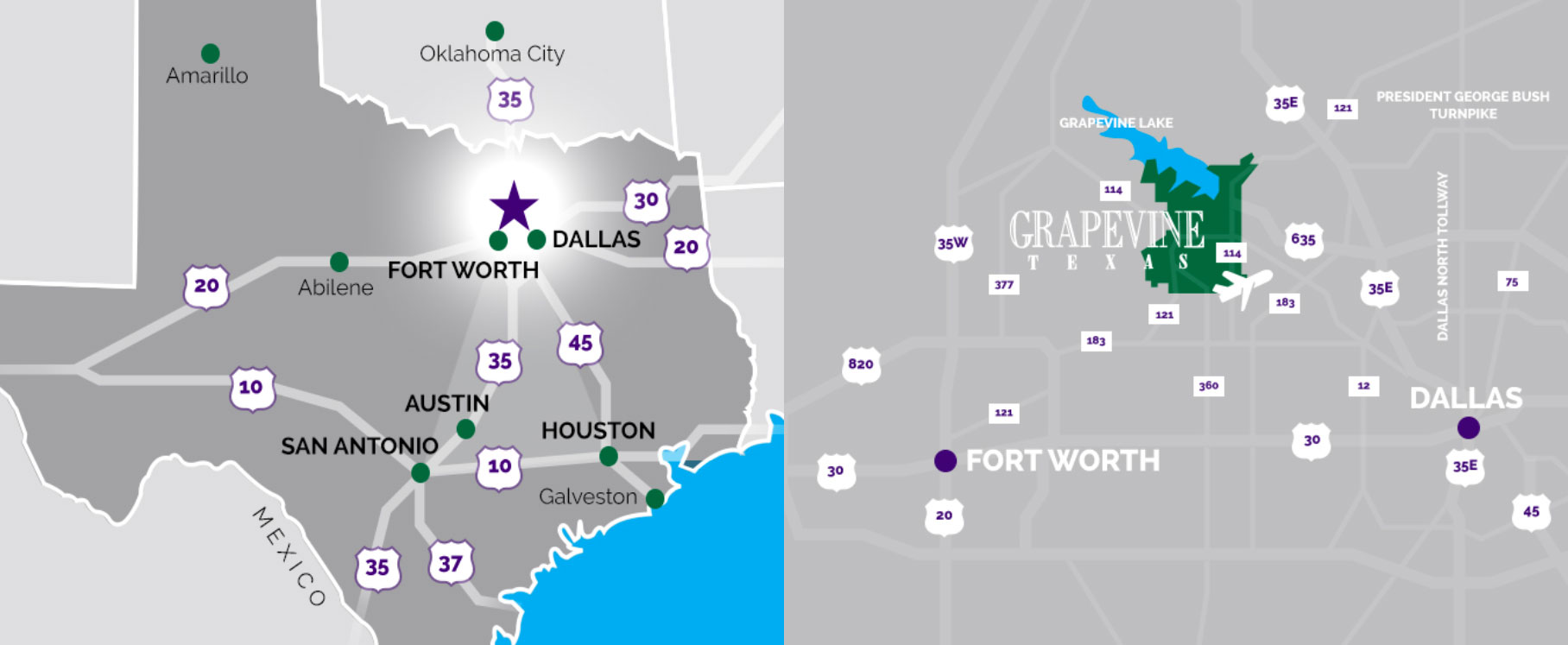
The question “Where is Grapevine in Texas?” leads us to a place that has meticulously preserved its heritage while embracing modern growth. Its presence is intrinsically tied to the development of the surrounding region, and understanding its location unlocks a deeper appreciation for its significance. Grapevine is not merely a waypoint but a destination in its own right, a testament to the power of community, conservation, and carefully curated development.
Grapevine’s Strategic Location and Accessibility
Grapevine’s prime position within the Dallas-Fort Worth Metroplex is a key factor in its appeal. Located primarily in Tarrant County, with a portion extending into Dallas County, it sits directly between the bustling economies and cultural centers of Dallas and Fort Worth. This central placement makes it an ideal base for exploring the broader North Texas region.
Proximity to Major Transportation Hubs
One of the most significant advantages of Grapevine’s location is its immediate proximity to Dallas/Fort Worth International Airport (DFW). This world-class airport serves as a major gateway for domestic and international travelers, making Grapevine exceptionally accessible. Visitors can often land at DFW and be in Grapevine within minutes, a convenience rarely matched by other destinations of its size. This ease of arrival is a substantial draw for both leisure and business travelers.
The airport’s presence also facilitates easy connections to other parts of the country and the globe, positioning Grapevine as a convenient entry point for those planning to explore more of Texas or the Southwest.
Interstate Access and Road Networks
Grapevine is strategically situated near major interstate highways, including Interstate 35E and Interstate 35W, which converge nearby, and State Highway 114, offering direct routes to surrounding cities. State Highway 121 also provides crucial north-south connectivity. This robust network of roads ensures that reaching Grapevine from any direction is straightforward.
Driving to Grapevine from Dallas typically takes around 30-40 minutes, while the journey from Fort Worth is similarly brief, often around 20-30 minutes. This accessibility makes it easy for day-trippers and weekend visitors to experience what Grapevine has to offer without committing to an overnight stay.
Historical Roots and Name Origin
The name “Grapevine” itself is deeply entwined with the region’s history and the natural landscape. The city’s origin story is intrinsically linked to the wild mustang grapes that once flourished along the banks of a small creek. This natural bounty gave the settlement its distinctive name and laid the foundation for its identity.
Early Settlement and Development
The area that is now Grapevine was first settled in the 1840s, predating the formal incorporation of many neighboring cities. Early settlers were drawn to the fertile land and the abundance of resources, including the plentiful wild grapes. The creek, which became known as Grapevine Creek, served as a vital water source and a natural landmark. As the population grew, the settlement began to establish itself as a distinct community.
The arrival of the Texas and Pacific Railway in the late 19th century was a pivotal moment for Grapevine. The railroad brought increased commerce and connectivity, transforming the once-rural community into a more developed town. This marked the beginning of Grapevine’s journey from a frontier outpost to a thriving municipality.
The Legend of the Wild Grapes
The legend of the wild grapes is more than just a historical anecdote; it’s a foundational element of Grapevine’s heritage. It’s said that the area was so densely populated with these vines that they were a defining characteristic of the landscape. This natural abundance not only gave the town its name but also influenced early economic activities, with wild grapes likely used for various purposes by the settlers.
This connection to nature and its resources has been consciously preserved and celebrated by the city, with the grape motif appearing in various aspects of its branding and attractions. The name itself evokes a sense of the natural and the bucolic, a charm that Grapevine continues to cultivate.
Grapevine’s Key Attractions and Experiences
Beyond its geographical and historical context, Grapevine is celebrated for its diverse array of attractions that cater to a wide range of interests. The city has successfully cultivated a reputation as a destination for entertainment, culture, and leisure, often surprising visitors with its depth of offerings.
Historic Downtown Grapevine
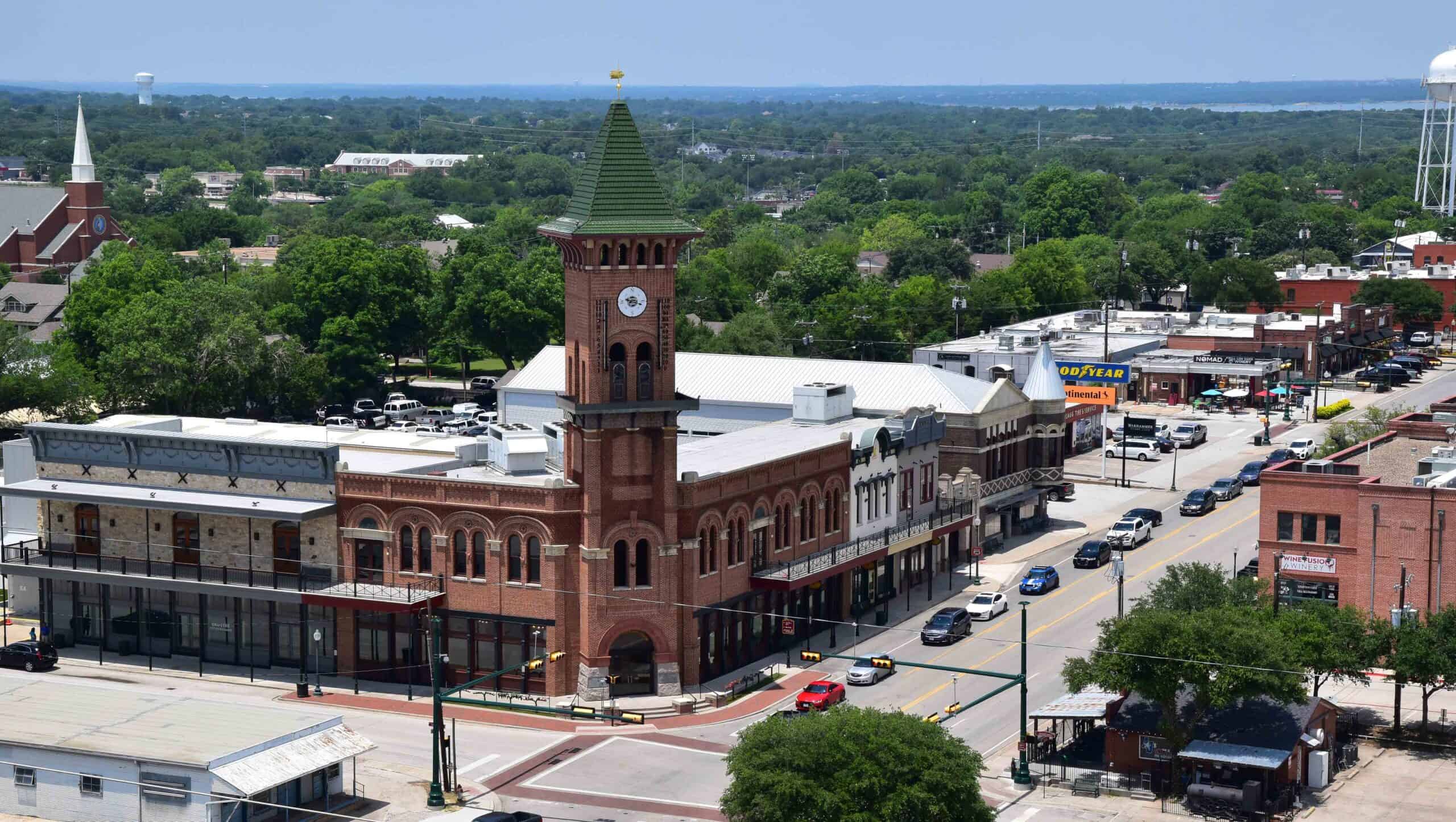
The heart of Grapevine beats in its beautifully preserved Historic Downtown Grapevine. This vibrant area is a testament to the city’s commitment to heritage, featuring meticulously restored buildings that now house a delightful mix of boutique shops, art galleries, charming restaurants, and wine tasting rooms. Strolling along Main Street is like stepping back in time, with the architecture and atmosphere evoking a classic Texas town square.
Key landmarks in the area include the Grapevine Vintage Railroad, which offers scenic excursions, and the Palace Theatre, a beautifully restored venue showcasing live performances and classic films. The downtown area is also a hub for seasonal events, festivals, and farmers’ markets, ensuring there’s always something happening.
The Grapevine Wine Trail
Reflecting its namesake, Grapevine has established itself as a prominent destination for wine enthusiasts. The city boasts a vibrant wine scene, with numerous tasting rooms and wineries offering a diverse selection of local and international wines. The Grapevine Wine Trail allows visitors to sample wines from various establishments, often within walking distance of each other in the historic district.
This initiative celebrates the city’s unique heritage while providing a sophisticated and enjoyable experience for visitors. It’s an opportunity to explore different varietals, learn about winemaking, and indulge in a relaxed tasting tour that complements the city’s charming ambiance.
Lake Grapevine and Outdoor Recreation
A significant natural asset is Lake Grapevine, a vast reservoir that offers a plethora of recreational opportunities. The lake is a popular spot for boating, fishing, swimming, and various water sports. Several parks and recreational areas surround the lake, providing ample space for picnicking, hiking, and biking trails.
The lake’s presence adds another dimension to Grapevine’s appeal, offering a natural escape for those seeking outdoor adventures. It’s a place where families can spend a day by the water, anglers can try their luck, and nature lovers can explore scenic trails with picturesque lake views. Popular spots include Meadowmere Park and Rockledge Park.
Great Wolf Lodge and Family Entertainment
For families, Great Wolf Lodge Texas is a major draw. This expansive indoor water park resort provides year-round family fun with thrilling water slides, wave pools, and a host of other water-based activities. The resort’s family-friendly atmosphere and extensive amenities make it a destination in itself, attracting visitors from across the region.
The presence of such a significant family entertainment venue underscores Grapevine’s commitment to providing diverse attractions that cater to a broad demographic, further solidifying its position as a multifaceted travel destination.
Grapevine’s Role in the Texas Landscape
Grapevine’s existence and growth are not isolated events but are intricately woven into the fabric of Texas history and development. Understanding where Grapevine is located provides a crucial perspective on its contribution to the state’s economic and cultural tapestry.
A Hub for Commerce and Innovation
As part of the Dallas-Fort Worth Metroplex, Grapevine is a participant in one of the nation’s most dynamic economic regions. Its strategic location, coupled with its robust infrastructure, makes it an attractive base for businesses, particularly those that benefit from proximity to DFW International Airport and access to a skilled workforce.
The city has seen significant growth in corporate campuses, retail centers, and hospitality services, reflecting a commitment to economic diversification. This commercial vitality not only benefits the local community but also contributes to the overall economic strength of Texas.

Preserving Heritage While Embracing the Future
Grapevine serves as an exemplary model of how a community can balance its historical identity with progressive development. The city’s dedication to preserving its historic downtown, celebrating its namesake heritage with the wine trail, and investing in modern amenities like Great Wolf Lodge showcases a forward-thinking approach.
This balance is what allows Grapevine to attract and retain both residents and visitors. It offers the charm of a bygone era alongside the conveniences and excitement of contemporary living. Its location, therefore, is not just a point on the map but a strategic nexus where history, culture, commerce, and recreation converge to create a truly unique Texan destination.
LifeOutOfTheBox is a participant in the Amazon Services LLC Associates Program, an affiliate advertising program designed to provide a means for sites to earn advertising fees by advertising and linking to Amazon.com. Amazon, the Amazon logo, AmazonSupply, and the AmazonSupply logo are trademarks of Amazon.com, Inc. or its affiliates. As an Amazon Associate we earn affiliate commissions from qualifying purchases.