
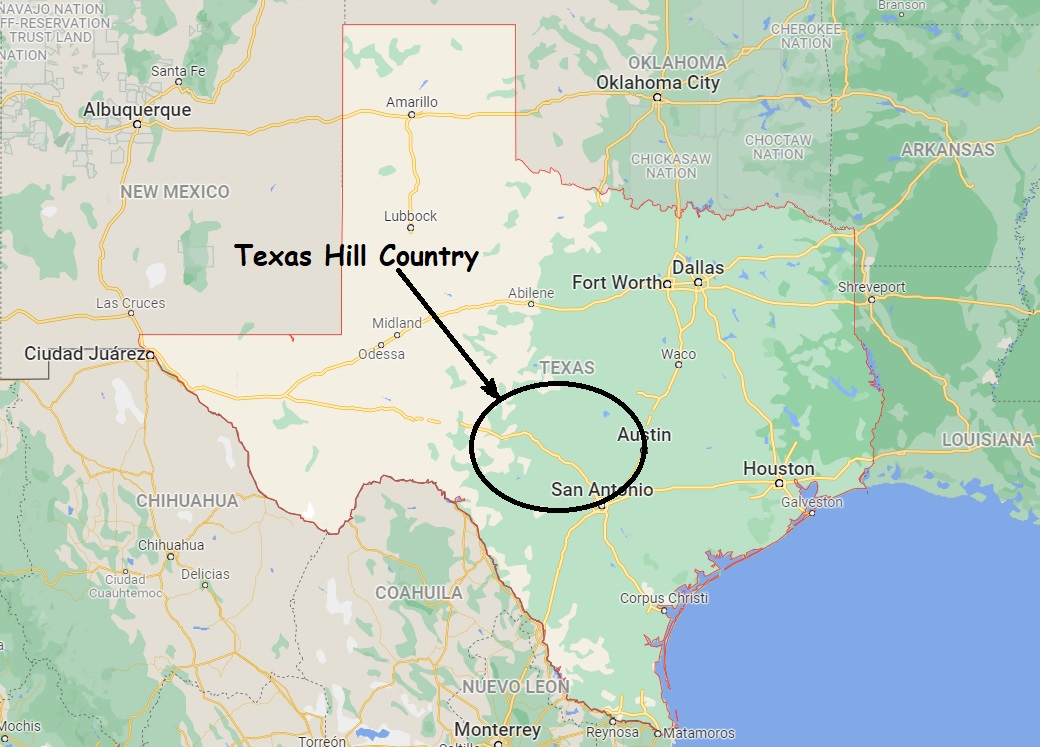
Texas Hill Country is a geographical region nestled in the south-central portion of the U.S. state of Texas. It is renowned for its picturesque rolling hills, pristine rivers, and a rich tapestry of German heritage, making it a premier destination for travelers seeking natural beauty, outdoor adventure, and cultural immersion. The region is not a formally designated administrative district but rather a loosely defined area characterized by its distinct topography and cultural influences.
Defining the Boundaries
Pinpointing the exact geographical boundaries of Texas Hill Country can be a nuanced endeavor, as its limits are often described by its dominant geological and cultural features rather than strict political lines. Generally, the region is situated west of Austin and north of San Antonio, extending westward towards the Edwards Plateau.

Geological Landscape
The defining characteristic of Texas Hill Country is its undulating terrain, a stark contrast to the flatter coastal plains and West Texas deserts. This landscape is a product of erosion acting upon the uplifted Edwards Plateau. The region is dotted with numerous springs, canyons, and clear, spring-fed rivers, including the Guadalupe River, Comal River, and Frio River. These waterways are vital arteries for recreation and sustain a unique ecosystem. The dominant rock formations are limestone, which contributes to the karst topography, featuring caves and sinkholes.
Key Cities and Towns
While the region is largely rural, several charming towns serve as gateways and hubs for exploration. The primary cities that anchor Texas Hill Country include:
- Austin: The vibrant capital of Texas, situated on the eastern edge of the Hill Country, offering a blend of live music, culinary delights, and outdoor activities.
- San Antonio: A historic city to the south, famous for its Alamo and River Walk, and a significant cultural influence on the southern part of the region.
- Fredericksburg: Perhaps the most iconic Hill Country town, established by German settlers, known for its wineries, peach orchards, and preserved historical architecture.
- Boerne: A picturesque town west of San Antonio, offering antique shops, art galleries, and access to natural attractions like Cave Without a Name.
- Kerrville: Located along the Guadalupe River, it’s known for its arts and crafts scene and the Kerrville Folk Festival.
- Gruene: A historic district within New Braunfels, famous for the Gruene Hall, the oldest continually operating dance hall in Texas.
- Luckenbach: A tiny, unincorporated community that has become a legendary music venue and tourist attraction, embodying the spirit of Texas music.
The Appeal of Texas Hill Country
The allure of Texas Hill Country lies in its multifaceted appeal, drawing visitors for a diverse range of experiences that celebrate its natural splendor and cultural heritage.
Natural Beauty and Outdoor Recreation
The region’s topography is a playground for outdoor enthusiasts. The crystal-clear rivers are ideal for tubing, kayaking, and swimming, especially during the warm Texas months. Hiking trails wind through state parks and natural areas, offering opportunities to explore unique flora and fauna.
- State Parks: Several state parks showcase the best of the Hill Country’s natural beauty.
- Enchanted Rock State Natural Area: Dominated by a massive pink granite dome, it offers challenging hikes and stunning panoramic views.
- Lost Maples State Natural Area: Famous for its vibrant fall foliage, it’s a must-visit during autumn.
- Pedernales Falls State Park: Features dramatic staircase-like waterfalls cascading over limestone shelves.
- Caving: The limestone bedrock has created an extensive network of caves, offering opportunities for exploration and guided tours.
German Heritage and Cultural Influences
The legacy of German immigrants who settled the region in the mid-19th century is palpable throughout Texas Hill Country. This heritage is reflected in the architecture, festivals, and culinary traditions. Towns like Fredericksburg and New Braunfels retain a strong German character, celebrated through events such as Oktoberfest and Wurstfest.
- Wineries and Vineyards: The region has emerged as a significant wine-producing area, with numerous vineyards and wineries offering tastings and tours. The climate and soil are conducive to growing varietals such as Tempranillo, Viognier, and Cabernet Sauvignon.
- Culinary Scene: Beyond German-inspired cuisine, the Hill Country boasts a burgeoning food scene, featuring farm-to-table restaurants, barbecue joints, and innovative culinary experiences that draw from local produce and traditions.

Experiencing Hill Country Texas
A visit to Texas Hill Country offers a journey through diverse landscapes and cultural enclaves, promising memorable experiences for every traveler.
Road Trips and Scenic Drives
The rolling hills and picturesque vistas make Texas Hill Country an ideal destination for scenic drives. The Willow City Loop is particularly famous for its wildflowers in the spring and stunning autumn colors. Other routes offer glimpses of historic homesteads, working ranches, and charming small towns.
- The Texas Wine Trail: This curated route connects many of the region’s wineries, allowing visitors to sample local vintages and enjoy the vineyard scenery.
- Historic Route 290: This stretch is a popular route connecting numerous wineries and small towns, offering a quintessential Hill Country drive.
Festivals and Events
Throughout the year, Texas Hill Country comes alive with a vibrant calendar of festivals and events that celebrate its unique culture and natural attractions.
- Wildflower Season (Spring): From March to May, the hillsides explode with color from bluebonnets, Indian paintbrush, and other native wildflowers, drawing photographers and nature lovers.
- Oktoberfest Celebrations (Fall): Towns like Fredericksburg and New Braunfels host lively Oktoberfests, featuring traditional German music, food, and beer.
- Wurstfest (Fall): Held annually in New Braunfels, this event is one of the largest German heritage festivals in the United States.
- Music Festivals: The region, particularly around Austin, is a hub for live music, with events ranging from intimate folk gatherings to large-scale music festivals.
Planning Your Visit
For those looking to explore Texas Hill Country, strategic planning can enhance the experience. The region is best explored by car, allowing for flexibility to visit its many attractions at leisure.
Accommodation Options
Texas Hill Country offers a diverse range of accommodation, from luxurious resorts to cozy bed and breakfasts and charming vacation rentals.
- Historic Inns: Many towns feature beautifully restored historic inns that offer a glimpse into the region’s past.
- Resorts and Spas: For those seeking relaxation and pampering, several resorts offer spa services, golf, and fine dining.
- Vacation Rentals: Renting a cabin, cottage, or house provides a more private and immersive experience, especially for families or groups.
- Boutique Hotels: Smaller, independently owned hotels often provide unique character and personalized service.
Best Time to Visit
The ideal time to visit Texas Hill Country depends on individual preferences.
- Spring (March-May): This is a spectacular time for wildflowers and pleasant weather, though it can be crowded.
- Fall (September-November): Offers cooler temperatures, beautiful autumn foliage, and harvest festivals.
- Summer (June-August): Perfect for river activities, but can be very hot.
- Winter (December-February): Offers a quieter experience with fewer crowds, and holiday festivities in many towns.
Texas Hill Country is more than just a geographical designation; it is an experience. It’s a place where the rugged beauty of nature converges with a rich cultural legacy, offering an unforgettable escape for those who venture into its rolling hills and along its clear blue rivers.
LifeOutOfTheBox is a participant in the Amazon Services LLC Associates Program, an affiliate advertising program designed to provide a means for sites to earn advertising fees by advertising and linking to Amazon.com. Amazon, the Amazon logo, AmazonSupply, and the AmazonSupply logo are trademarks of Amazon.com, Inc. or its affiliates. As an Amazon Associate we earn affiliate commissions from qualifying purchases.