
For travelers planning a trip to the Grand Canyon National Park, a vibrant stay in Phoenix, or an adventurous exploration through Arizona’s stunning desert landscapes, understanding local laws is paramount. This is especially true when it comes to firearm regulations, which can vary significantly from one state to another within the United States. One of the most common questions visitors have about the Grand Canyon State is: “Is Arizona an open carry state?” The simple answer is yes, but the details are crucial for anyone, especially tourists, to ensure a smooth, compliant, and enjoyable experience.
Arizona stands out as one of the most permissive states regarding firearm ownership and carry rights. It embraces both open carry and permitless concealed carry for eligible individuals. This means that, for the most part, if you are legally allowed to own a firearm, you can openly carry it in public without needing a specific permit. Similarly, you can carry a firearm concealed without a permit, provided you are 21 years of age or older. However, this broad freedom comes with specific responsibilities and important exceptions that every visitor, whether from another state or an international destination, must be aware of. Navigating Arizona’s unique legal landscape requires a clear understanding of what’s permitted, what’s restricted, and how these laws might impact your travel plans, accommodation choices, and overall tourism experience.
Understanding Arizona’s Open Carry Laws for Visitors
Arizona’s approach to firearm laws is rooted in its constitutional right to bear arms, making it a destination where responsible gun ownership is widely accepted. However, for those unaccustomed to such laws, it’s essential to grasp the nuances to avoid any misunderstandings or legal issues during your stay.
The Basics of Open Carry in Arizona
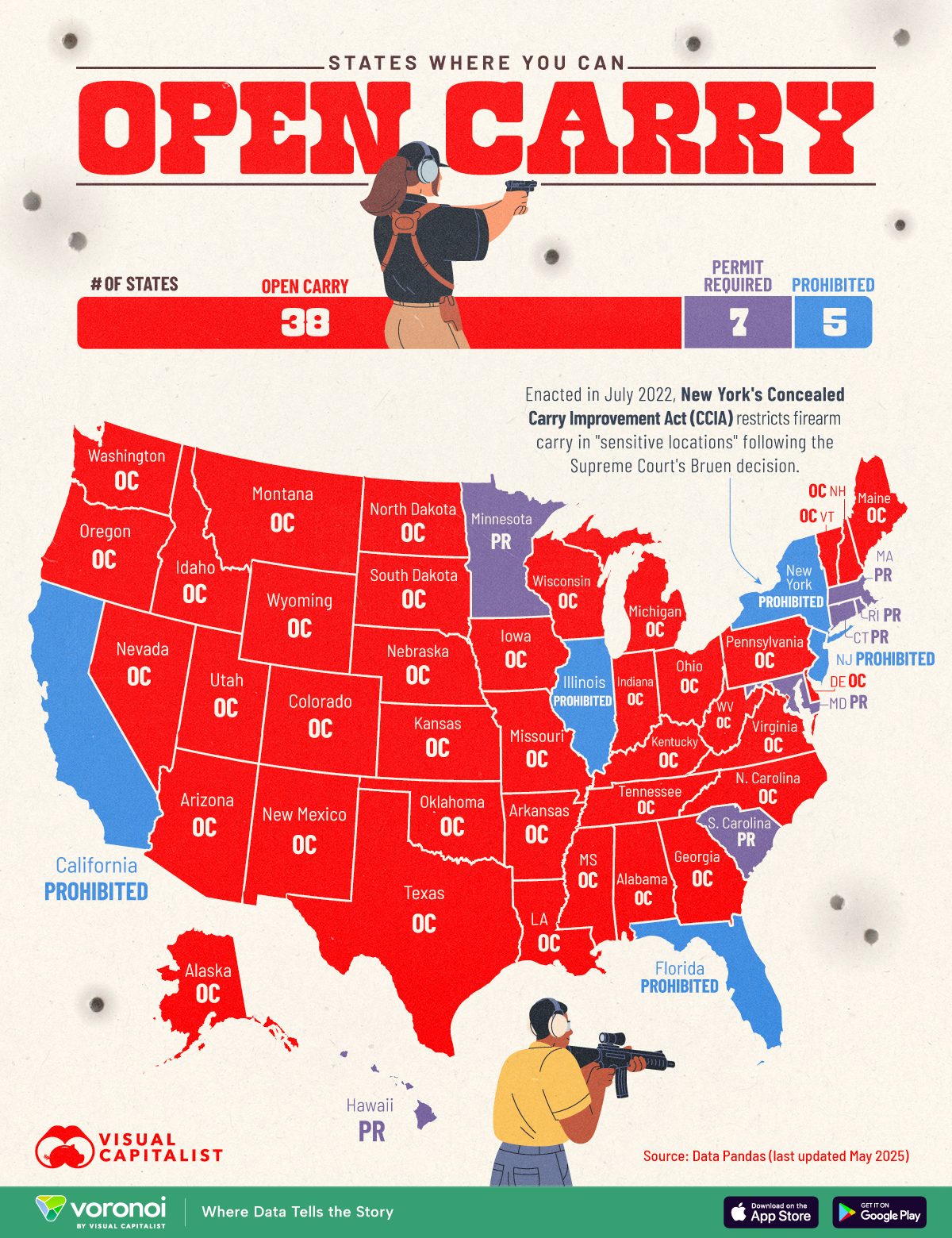
Open carry refers to the act of carrying a firearm in plain sight, such as in a holster on a belt. In Arizona, this practice is generally legal for anyone 18 years or older who is not otherwise prohibited from possessing a firearm. This means that if you meet the basic legal requirements for gun ownership (e.g., not a convicted felon, not subject to a domestic violence restraining order), you can openly carry a handgun, rifle, or shotgun in most public places without needing a specific permit from the state.
This permissive stance contrasts sharply with many other states, where open carry is either heavily restricted or outright prohibited without a permit. For visitors, this translates into a unique cultural experience where seeing individuals openly carrying firearms in public spaces, from bustling city streets in Tucson to hiking trails near Sedona, is not uncommon. While this may be a new sight for some, it’s a standard aspect of life and lifestyle in Arizona. Understanding this norm can help visitors feel more comfortable and prepared for their travel experiences, whether they are exploring a local market or embarking on a scenic drive.
Concealed Carry: Permit vs. Permitless
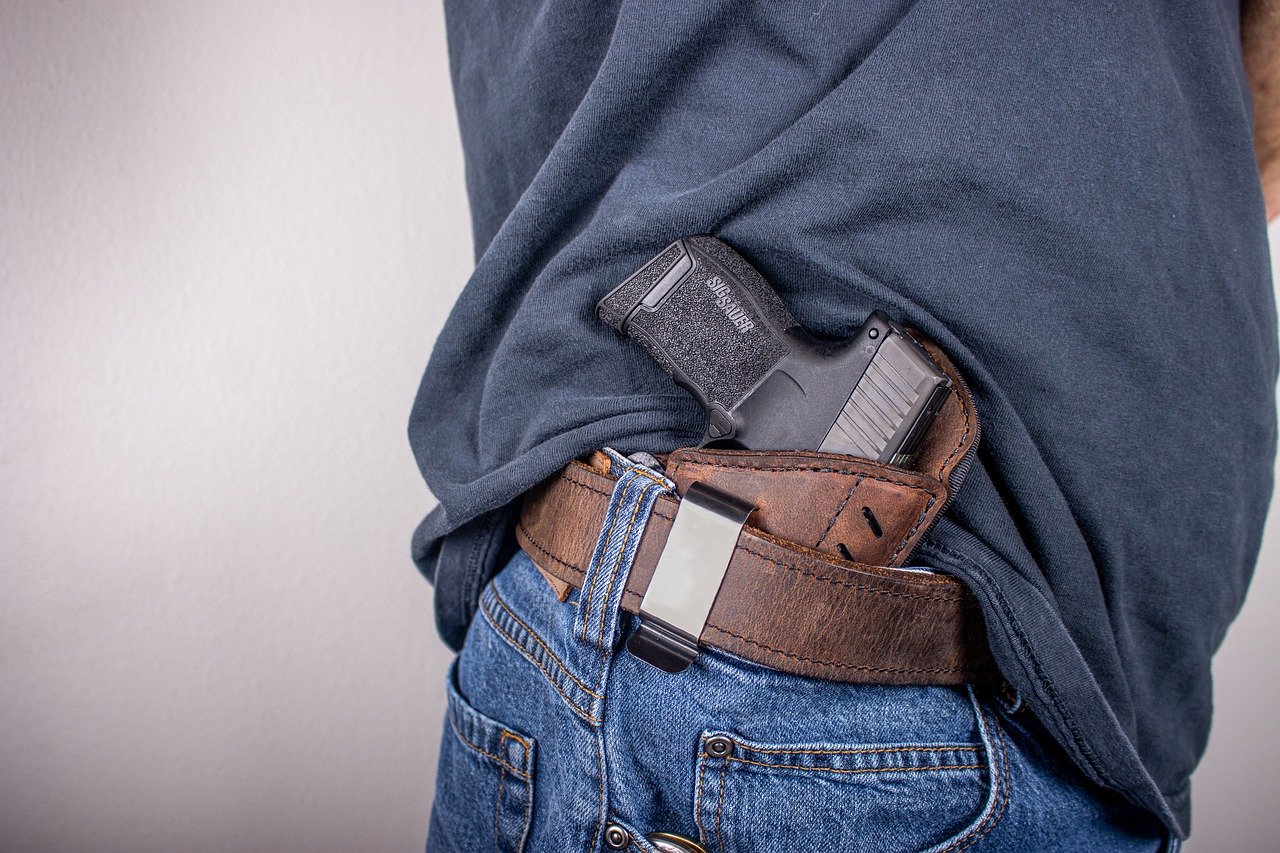
Beyond open carry, Arizona also allows for concealed carry without a permit for individuals aged 21 and older who are legally allowed to possess a firearm. Concealed carry means the firearm is hidden from plain view, such as in a holster under a jacket, in a purse, or in a vehicle glove compartment. This permitless concealed carry is a significant aspect of Arizona’s gun laws and offers flexibility for those who prefer to carry a firearm discreetly.
While a permit is not required for concealed carry, Arizona does offer a Concealed Weapon Permit (CWP). Obtaining a CWP, while optional, comes with several advantages, particularly for residents and frequent travelers. A CWP typically requires a firearms safety course, ensuring that permit holders have a baseline of knowledge regarding safe gun handling and legal responsibilities. More importantly, an Arizona CWP is recognized by many other states through reciprocity agreements. This means that if you travel from Arizona to a state that honors Arizona’s CWP, you can legally carry your concealed firearm there, provided you comply with that state’s specific laws. For someone planning a road trip that extends beyond Arizona’s borders into states like Nevada, Utah, or New Mexico, having a CWP can simplify legal compliance. However, it is always imperative to research the specific laws of each state you plan to visit, as reciprocity agreements and local regulations can change.
Who Can Carry in Arizona? Residents and Non-Residents
The question of who can carry in Arizona is straightforward: generally, anyone who is legally permitted to possess a firearm under state and federal law. This applies to both Arizona residents and non-residents. This is a crucial point for tourists, as it means that visitors from other states, provided they are 18 or older for open carry or 21 or older for concealed carry, and are not prohibited persons, can generally carry firearms in Arizona according to Arizona law.
This broad applicability makes Arizona a relatively welcoming state for firearm owners. However, non-residents must be particularly careful to understand the specific nuances. For instance, while Arizona does not require a permit for concealed carry, your home state might. It’s essential that your possession and carry of a firearm in Arizona do not violate any laws in your state of residency or any federal laws. International visitors will face much stricter regulations regarding firearm possession, which are generally not permitted for non-U.S. citizens unless specific legal exemptions apply (e.g., hunting, target shooting with proper licensing and permits). For most tourists from abroad, carrying a firearm in Arizona is not an option.
Navigating Restricted Zones and Private Property
While Arizona’s gun laws are largely permissive, there are critical exceptions and restricted zones where carrying a firearm, whether openly or concealed, is strictly prohibited. Ignorance of these restrictions can lead to serious legal consequences, making it imperative for all visitors, especially those carrying firearms, to be well-informed.
Where Guns Are Prohibited by Law
Several locations in Arizona are off-limits for firearms, regardless of open or concealed carry status, and these prohibitions carry the force of law. These include:
- Polling Places: During an election, carrying a firearm within a polling place is prohibited.
- School Campuses and School Events: This is a major restriction. Firearms are generally not allowed on the grounds of any public or private school, or at school-sponsored events, including K-12 schools and universities, unless specific exemptions apply (e.g., law enforcement). This is particularly important for families traveling with children who might visit school grounds or attend local events.
- Federal Buildings: U.S. federal law prohibits firearms in federal facilities, which include post offices, federal courthouses, IRS offices, and other government buildings. This extends to many facilities managed by federal agencies like the National Park Service or the U.S. Fish and Wildlife Service, though specific rules within federal parks can vary.
- Commercial Airports (Secure Areas): Carrying a firearm into the secure areas of a commercial airport, beyond the TSA checkpoints, is strictly forbidden. This is a federal offense and carries severe penalties.
- Nuclear Generating Stations: These high-security facilities are off-limits for firearms.
- Licensed Liquor Establishments: While open carry may be permitted in a restaurant that serves alcohol, carrying a firearm is generally prohibited in the restricted area of an establishment licensed to dispense liquor for consumption on the premises if the establishment posts a sign prohibiting firearms. Crucially, carrying a firearm while impaired by alcohol or drugs is illegal everywhere.
- Correctional Facilities: Jails, prisons, and other detention centers prohibit firearms.
Understanding and respecting these prohibited zones is non-negotiable for a hassle-free visit to Arizona. When planning your itinerary, especially around cities like Phoenix, Tucson, or Flagstaff, be mindful of these locations.
Hotel Stays and Private Business Policies
Beyond state-mandated restrictions, private property owners, including hotels, resorts, and businesses, have the right to establish their own policies regarding firearms on their premises. This is a critical point for visitors when considering accommodation and local attractions.
In Arizona, a “No Guns Allowed” sign posted by a private business or hotel generally carries the force of law when it comes to concealed carry. If you are carrying concealed and ignore such a sign, you could be asked to leave and face trespassing charges. For open carry, the situation is slightly different. While a private property owner can ask you to leave if you are openly carrying, and you must comply or face trespassing charges, the mere presence of a “No Guns” sign may not automatically make open carry illegal in the same way it does for concealed carry. However, the best practice is always to respect the wishes of private property owners.
When booking hotels or vacation rentals in Scottsdale, Lake Havasu City, or other popular tourist destinations, it is advisable to check their specific firearm policies if you plan to carry. Many establishments, particularly higher-end resorts or family-focused accommodations, may have policies restricting firearms on their property. This information is often available on their websites or by contacting them directly. Choosing an accommodation that aligns with your travel style and preferences, including firearm policies, is part of responsible trip planning. Similarly, when visiting restaurants, shops, or attractions, be observant of any posted signs. Ignoring these signs can lead to uncomfortable situations or even legal trouble, detracting from your travel experience.
Practical Considerations for Travelers and Tourists
For those visiting Arizona with firearms, practical considerations extend beyond legality to include safe storage, transportation, and an awareness of diverse environments. Arizona’s vast and varied landscape, from urban centers to national parks, offers diverse experiences, each with its own set of considerations for firearm owners.
Exploring Arizona’s Landmarks and Natural Attractions
Arizona is renowned for its breathtaking natural beauty and iconic landmarks. From the majestic Grand Canyon National Park to the stunning red rocks of Sedona, and the saguaro cacti forests of Saguaro National Park, there are countless opportunities for outdoor adventure and sightseeing. When visiting these natural attractions, it’s essential to distinguish between federal lands (like national parks and national forests) and state lands.
- National Parks and Federal Lands: In general, the law allowing individuals to carry firearms in national parks and wildlife refuges follows the laws of the state where the park is located. Therefore, within Arizona’s national parks (e.g., Grand Canyon National Park, Saguaro National Park, Petrified Forest National Park), you can carry a firearm according to Arizona state law. However, there are significant exceptions: firearms are prohibited in federal facilities within these parks, such as visitor centers, government offices, and ranger stations. It’s crucial to disarm before entering any such building. Also, remember that federal laws regarding hunting and discharge of firearms still apply and are much more restrictive within park boundaries. Always check the specific regulations for each federal park or monument, such as Monument Valley or the area around the Hoover Dam on the Colorado River, before carrying.
- State Parks and Public Lands: On Arizona state lands and in state parks, the general open and concealed carry laws apply, provided you are not in a designated prohibited area or violating specific park rules. Discharging a firearm is usually restricted to designated shooting areas or is prohibited entirely for safety and environmental reasons. For those interested in activities like dispersed camping or off-roading, understanding these rules is key to a responsible outdoor lifestyle experience.
Traveling with Firearms: Vehicle and Air Travel
How you transport your firearm to and within Arizona is another critical aspect.
- Vehicle Travel: In Arizona, carrying a firearm in a vehicle is generally permissible, both openly and concealed, provided you meet the legal requirements (18+ for open, 21+ for concealed without a permit). There are no specific restrictions on where a loaded firearm can be placed within the vehicle, such as on the seat or in the glove compartment, as long as it’s not being carried in a prohibited manner. This offers significant convenience for road trippers exploring different cities like Yuma or Flagstaff. However, if you are traveling through Arizona from another state, or continuing your journey to states like California or Mexico, you must be aware of the laws of those other jurisdictions, which may be significantly more restrictive.
- Air Travel: Transporting firearms by air is subject to strict federal regulations, enforced by the Transportation Security Administration (TSA). Firearms must be:
- Unloaded.
- Declared to the airline at check-in.
- Carried in a locked, hard-sided container as checked luggage.
- Ammunition must also be stored securely in an approved container.
- Firearms are absolutely prohibited in carry-on luggage or on your person in the secure areas of the airport and on the aircraft.
Attempting to bypass these regulations can lead to federal charges, fines, and potentially imprisonment. It is imperative to familiarize yourself with both TSA and your specific airline’s policies well in advance of your flight.
Responsible Carry and Staying Informed
Given the permissive nature of Arizona’s gun laws, responsible conduct and continuous awareness are not just recommended but essential for both residents and visitors.
Key Takeaways for a Seamless Arizona Visit
For tourists considering or planning to carry a firearm in Arizona, remember these key points:
- Know the Law: While generally permissive, specific restrictions exist for schools, federal buildings, secure airport areas, and private property.
- Respect Private Property: Always observe “No Guns” signs, especially in hotels, resorts, and businesses. When in doubt, disarm or choose a different venue.
- Responsible Carry: Always handle firearms safely and never carry while impaired by alcohol or drugs.
- Non-Resident Awareness: Understand that your home state’s laws may differ significantly, and you must comply with Arizona law while in the state. If you have an out-of-state concealed carry permit, verify its reciprocity in Arizona, although it’s not strictly necessary for permitless carry.
- Federal vs. State Land: Be aware of the varying rules on national parks, forests, and other federal lands compared to state-owned property.

Additional Resources and Staying Compliant
To ensure you have the most current and accurate information, especially since laws can change, it is always wise to consult official sources. The Arizona Department of Public Safety (DPS) is an excellent resource for detailed information on firearm laws, CWP applications, and training requirements. Additionally, federal agencies like the Bureau of Alcohol, Tobacco, Firearms and Explosives (ATF) provide guidance on federal firearm regulations, particularly for interstate travel.
In conclusion, Arizona is indeed an open carry state, and it permits concealed carry without a permit for eligible individuals. This makes it a unique destination where personal liberty regarding firearms is highly valued. For travelers, understanding these laws is crucial for a safe, legal, and enjoyable journey through Arizona’s diverse landscapes and vibrant cities. By adhering to the regulations and respecting private property policies, you can ensure your focus remains on experiencing the incredible attractions, luxurious accommodations, and rich cultural tapestry that the Grand Canyon State has to offer.
LifeOutOfTheBox is a participant in the Amazon Services LLC Associates Program, an affiliate advertising program designed to provide a means for sites to earn advertising fees by advertising and linking to Amazon.com. Amazon, the Amazon logo, AmazonSupply, and the AmazonSupply logo are trademarks of Amazon.com, Inc. or its affiliates. As an Amazon Associate we earn affiliate commissions from qualifying purchases.