
A Deep Dive into Texas’s Iconic Ranching Landscape
The vast expanse of Texas is synonymous with legendary ranches, and among the most storied is the King Ranch. Its name evokes images of wide-open spaces, robust cattle drives, and a pioneering spirit that shaped the Lone Star State. But pinpointing its exact location within the immense geography of Texas requires a closer look at its historical footprint and its contemporary presence. The King Ranch isn’t just a single point on a map; it’s a sprawling entity with a rich legacy woven into the very fabric of Texan identity. Understanding its location involves appreciating its historical origins in South Texas and its evolution into a multifaceted operation that continues to influence agriculture, conservation, and even popular culture.

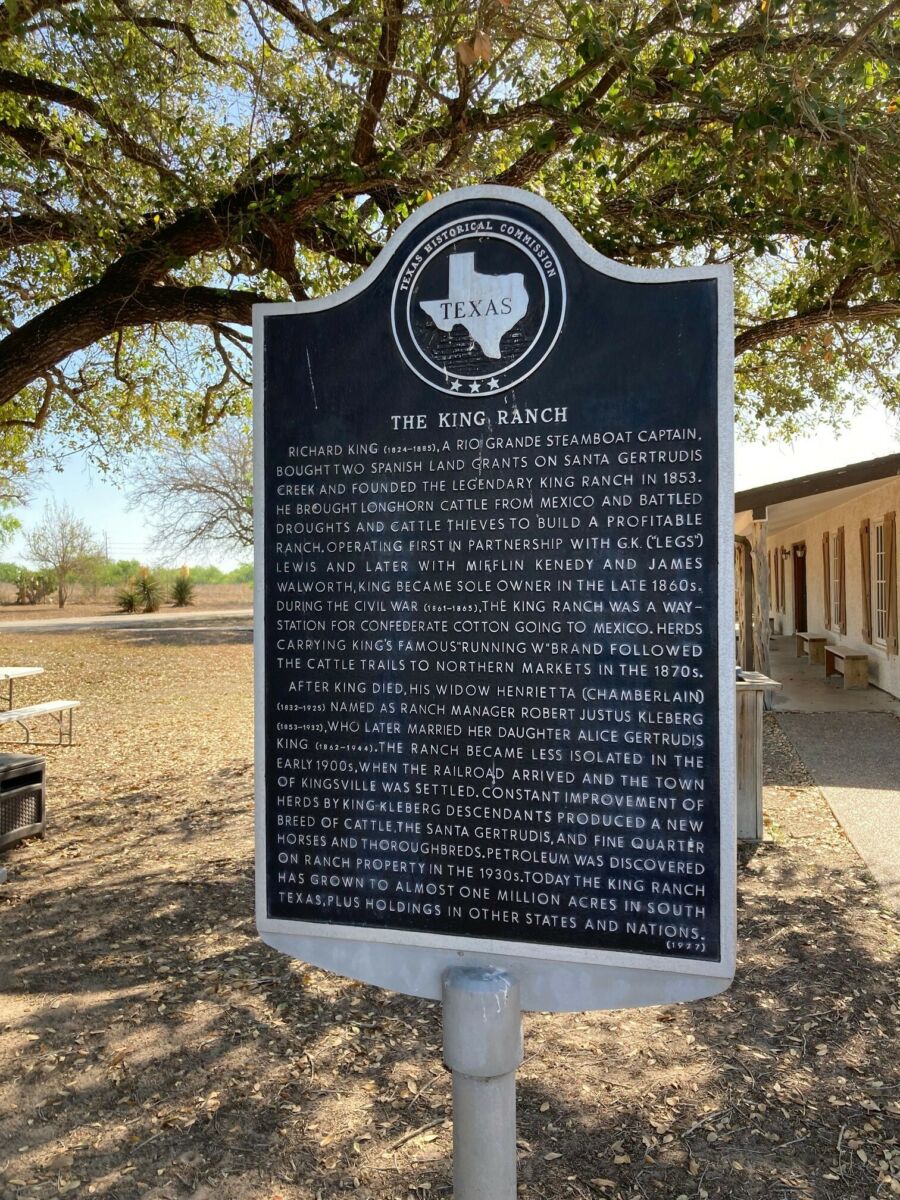
The genesis of the King Ranch can be traced back to the mid-19th century, when Richard King, a steamboat captain turned entrepreneur, established his initial holdings. His vision was to create a self-sustaining empire built on the fertile lands of South Texas, an area then characterized by its wild and untamed beauty. Over the decades, the ranch grew exponentially through strategic land acquisitions, shrewd business dealings, and an unwavering commitment to the cattle industry. This growth transformed the King Ranch into one of the largest and most influential ranches in the world. Its primary operational base and the heart of its historical significance lie in South Texas, an expansive region that boasts diverse ecosystems, from coastal plains to brush country.
The Historical Heart of the King Ranch
The original and most iconic section of the King Ranch is located in Kleberg County, Texas, with its administrative center and principal operations historically situated near the city of Kingsville. This area, once part of the vast Spanish land grants, proved ideal for cattle ranching. The proximity to the Gulf of Mexico also played a role in early transportation and trade. The founder, Richard King, along with his partners and successors, meticulously cultivated these lands, establishing a reputation for high-quality beef and pioneering breeding techniques.
The development of Kingsville, Texas, is intrinsically linked to the King Ranch. The town was founded in 1904 by Henrietta King, Richard King’s widow, and named in his honor. It served as the logistical and social hub for the ranch, providing services, housing, and a community for the thousands of people who worked on the vast property. Today, Kingsville remains a significant gateway to understanding the King Ranch’s legacy. Visitors can explore historical sites, learn about the ranch’s storied past, and gain a tangible sense of the scale and impact of this remarkable enterprise. The King Ranch Museum in Kingsville offers a comprehensive look at the ranch’s history, from its early days to its modern operations.
The physical boundaries of the King Ranch have always been dynamic, reflecting its ongoing expansion and diversification. While the core remains in Kleberg County, its influence and landholdings have extended across several counties in South Texas. These include parts of Willacy County, Jim Wells County, and Brooks County, each contributing to the ranch’s extensive agricultural and conservation efforts. The sheer size of these combined holdings is staggering, measured in hundreds of thousands of acres. This immense territory encompasses a variety of landscapes, from the characteristic mesquite and huisache brushlands to coastal prairies and riverine habitats.
The Modern King Ranch: A Multifaceted Enterprise
While the image of the King Ranch is deeply rooted in its historical ranching operations, its presence today is far more multifaceted. The organization has successfully diversified its business interests, extending its brand and expertise into various sectors, all while maintaining its commitment to responsible land stewardship. This diversification has led to an even wider geographical reach, though its primary operational nexus remains firmly planted in South Texas.
Livestock and Agriculture
The core of the King Ranch continues to be its world-renowned livestock operations. It is famous for its Santa Gertrudis cattle, a breed developed on the ranch itself by combining Brahman and Shorthorn genetics. This breed was engineered to thrive in the challenging South Texas climate, demonstrating heat tolerance and insect resistance. Beyond cattle, the ranch also manages significant horse breeding programs, continuing a tradition that dates back to its earliest days. The quality of King Ranch horses, particularly its Quarter Horses, is legendary, with many having achieved distinction in rodeo and racing. These agricultural endeavors are spread across its extensive South Texas properties, forming the backbone of its ongoing operations.
Conservation and Wildlife Management
Recognizing the ecological importance of its vast landholdings, the King Ranch has also become a prominent leader in conservation and wildlife management. Its sprawling acreage provides critical habitat for a diverse array of native flora and fauna, including white-tailed deer, javelina, and numerous bird species. The ranch actively engages in programs aimed at preserving these natural resources and promoting sustainable land use practices. This dedication to conservation extends beyond its own borders, with the King Ranch often collaborating with state and federal agencies on environmental initiatives. The ecological diversity found within its boundaries makes it a vital natural resource for the entire region.
Brand Expansion and Retail
The iconic King Ranch brand has transcended its agricultural roots to become a symbol of Western heritage and quality. This has led to a successful expansion into consumer products, including clothing, home goods, and even automotive collaborations. While these retail operations have a national and international reach, their inspiration and essence are undeniably derived from the ranch’s South Texas origins. The King Ranch Saddle Shop, for instance, continues to produce high-quality leather goods, a testament to the craftsmanship associated with the ranch. This brand extension allows a wider audience to connect with the enduring legacy of the King Ranch, even if they never set foot on its physical grounds.
Visiting and Experiencing the King Ranch Legacy
For those seeking to experience the King Ranch firsthand, the primary gateway remains Kingsville, Texas, and its surrounding areas. While the ranch itself is a working private property and not generally open to the public for casual exploration, various avenues allow for an intimate understanding of its significance.
The King Ranch Museum
As previously mentioned, the King Ranch Museum in Kingsville is an essential stop for anyone interested in the ranch’s history. It houses a remarkable collection of artifacts, photographs, and exhibits detailing the lives of the King family, the evolution of ranching practices, and the economic and cultural impact of the King Ranch on Texas. It provides context and a deeper appreciation for the scale of the enterprise and the individuals who built it.
Guided Tours and Experiences
While large portions of the ranch are inaccessible to the general public, guided tours are sometimes offered, often through partnerships or specific events. These tours can provide a glimpse into the operational side of the ranch, showcasing its vast landscapes, herds, and the enduring traditions of Texan ranching. Keeping an eye on local event listings and official King Ranch communications is advisable for those seeking such opportunities. Sometimes, specialized tours focus on the ranch’s wildlife or historical sites, offering a unique perspective.

The Town of Kingsville
Beyond the museum, the town of Kingsville itself offers a tangible connection to the King Ranch. The architecture, local businesses, and the general atmosphere of the town are all influenced by its long-standing relationship with the ranch. Exploring Kingsville allows visitors to experience the community that grew alongside this iconic Texas institution. The presence of the Texas A&M University-Kingsville, which has historical ties to the ranch and plays a role in agricultural research, further solidifies the town’s connection to the King Ranch.
In conclusion, the question “Where Is King Ranch In Texas?” leads us to the fertile and historic lands of South Texas, primarily in Kleberg County and its neighboring areas. It is not merely a geographical location but a sprawling legacy, an enduring symbol of Texan identity, and a testament to the vision and perseverance of its founders. From its origins as a humble cattle ranch to its present-day status as a diversified agribusiness and conservation leader, the King Ranch continues to be a significant landmark in the heart of the Lone Star State.
LifeOutOfTheBox is a participant in the Amazon Services LLC Associates Program, an affiliate advertising program designed to provide a means for sites to earn advertising fees by advertising and linking to Amazon.com. Amazon, the Amazon logo, AmazonSupply, and the AmazonSupply logo are trademarks of Amazon.com, Inc. or its affiliates. As an Amazon Associate we earn affiliate commissions from qualifying purchases.