
Port Arthur, Texas, a city steeped in rich history and industrial significance, holds a unique geographical position within the United States. Nestled in the southeastern corner of the Lone Star State, its location is a key determinant of its cultural fabric, economic drivers, and the very essence of its identity. Understanding where Port Arthur is situated is the first step to appreciating its considerable contributions to American history and its ongoing role in the nation’s energy landscape.
Geographical Setting and Proximity
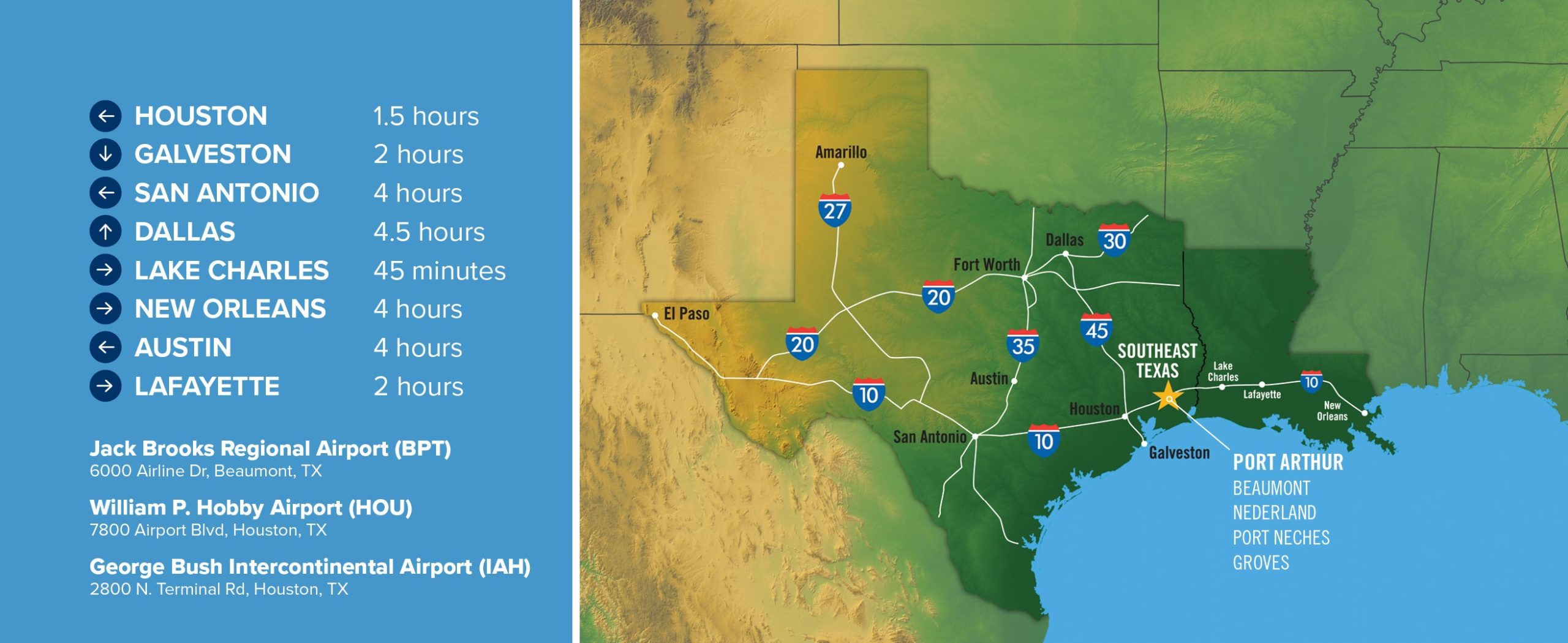
Port Arthur is strategically positioned in Jefferson County, within the state of Texas. It forms part of the larger Golden Triangle region, which also encompasses the cities of Beaumont and Orange. This region is a significant hub in the Gulf Coast area of Texas, known for its extensive petrochemical industry and vital shipping channels.
The Sabine-Neches Waterway
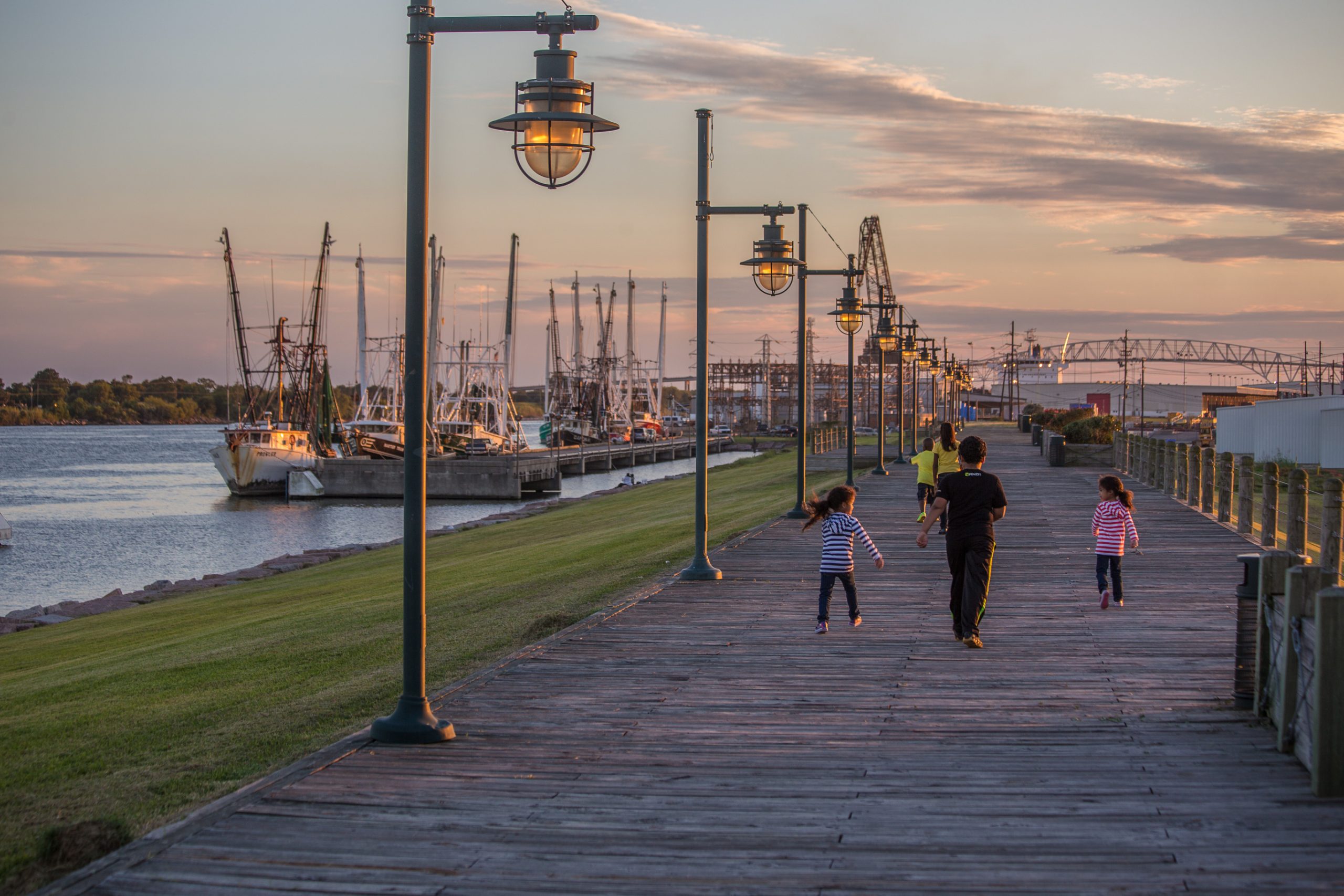
A defining feature of Port Arthur’s geography is its direct access to the Sabine-Neches Waterway. This crucial inland waterway system connects the inland ports of Texas to the Gulf of Mexico. The waterway is one of the busiest in the United States by total tonnage, a testament to the city’s importance as a port and industrial center. This deep-water access facilitates the import and export of raw materials and finished goods, primarily oil and petroleum products, making Port Arthur a critical node in national and international trade. The presence of the waterway also influences the local ecosystem, supporting diverse flora and fauna along its banks.
Proximity to Major Cities and States
Port Arthur is situated approximately 90 miles east of Houston, the largest city in Texas, and about 170 miles west of New Orleans, Louisiana. This proximity to major metropolitan areas offers residents and visitors convenient access to a wider range of amenities, cultural attractions, and transportation hubs. Its location near the state border with Louisiana also imbues Port Arthur with a unique cultural blend, influenced by the neighboring state’s distinctive Southern heritage and Creole traditions.
Historical Significance and Development
The location of Port Arthur has been instrumental in its historical development, particularly its transformation into a major industrial and oil refining center. The discovery of the Spindletop oil field in 1901, just a few miles away near Beaumont, fundamentally reshaped the region. This event triggered an oil boom that directly impacted Port Arthur, accelerating its growth and establishing its identity as an oil city.
The Golden Age of Oil
The early 20th century marked a golden age for Port Arthur, driven by the burgeoning oil industry. Companies like the The Texas Company (now Chevron) established refineries and operations in the city, attracted by its strategic location on the Sabine-Neches Waterway and its proximity to crude oil sources. This industrial expansion brought significant population growth and economic prosperity, shaping the city’s infrastructure and its workforce. The legacy of this era is visible in the city’s architecture and the enduring presence of major oil companies.
Industrial Heritage and Present Day
Today, Port Arthur remains a vital center for the petrochemical industry. Its location continues to be a primary asset, offering unparalleled access to transportation networks and raw materials. The city hosts several large-scale refineries, including those operated by Motiva Enterprises and Valero Energy Corporation. This industrial backbone defines much of the local economy and influences the daily lives of its residents. While the oil industry is central, the city is also working to diversify its economic base and leverage its unique location for new opportunities in manufacturing and logistics.

Climate and Environmental Factors
Port Arthur’s location on the Gulf Coast dictates its subtropical climate, characterized by hot, humid summers and mild winters. The proximity to the ocean influences weather patterns, contributing to frequent rainfall and a higher susceptibility to tropical storms and hurricanes.
Weather Patterns
The region experiences a significant amount of precipitation throughout the year, with the summer months being particularly wet. The warm temperatures and abundant moisture create a lush environment, but also contribute to high humidity levels. Winters are generally mild, with occasional cold fronts but rarely experiencing prolonged periods of freezing temperatures. This climate is conducive to agriculture and supports a rich biodiversity in the surrounding natural areas.
Coastal Influence and Natural Resources
The coastal influence extends beyond climate, impacting the local environment and the resources available. The Sabine Pass, a natural inlet connecting the Sabine River to the Gulf of Mexico, is a key feature of the region’s hydrology. This area is rich in natural resources, including extensive wetlands and bayous, which are important habitats for various species of fish, birds, and other wildlife. These natural assets, while vital, also require careful management, especially in light of industrial activities and the potential impacts of extreme weather events.
Attractions and Visitor Experience
Understanding the location of Port Arthur is essential for planning a visit and exploring its unique attractions. Its positioning near the coast and within a historically significant region offers a blend of natural beauty, industrial heritage, and cultural experiences.
Museums and Historical Sites
The city’s history is deeply tied to the oil industry, and this is prominently featured in its museums. The Spindletop-Gladys City Boomtown Museum offers a captivating glimpse into the era of the Spindletop discovery, reconstructing the boomtown that sprang up overnight. Visitors can walk through historic buildings and learn about the lives of the early oil prospectors and workers. Another significant site is the Port Arthur Historical Museum, which delves into the broader history of the city, from its early settlement to its development as an industrial powerhouse.
Natural Beauty and Outdoor Activities
Despite its industrial prominence, Port Arthur is surrounded by natural beauty. The Sea Rim State Park, located just south of the city along the Gulf Coast, offers miles of undeveloped shoreline, marshlands, and bayous. Visitors can enjoy fishing, birdwatching, kayaking, and camping, experiencing the diverse ecosystems of the Texas coast. The numerous bayous and waterways also provide opportunities for boating and fishing, allowing visitors to explore the region’s aquatic landscapes. The Sabine National Wildlife Refuge, a vast expanse of coastal habitat, is another prime location for wildlife observation and nature appreciation, accessible from the Port Arthur area.
Cultural Influences and Local Cuisine
The geographical location of Port Arthur, bordering Louisiana, has resulted in a distinctive cultural blend. This is particularly evident in the local cuisine, which often features Cajun and Creole influences alongside traditional Texan flavors. Seafood is a staple, with fresh catches from the Gulf and local waterways prepared in various delicious ways. Exploring the local eateries provides a taste of this unique regional identity. The city’s diverse population also contributes to a rich cultural tapestry, with influences from various communities that have settled in the area over its history, drawn by its industrial opportunities.
In conclusion, Port Arthur, Texas, is strategically situated in Jefferson County, at the heart of the Golden Triangle region of the Texas Gulf Coast. Its vital connection to the Sabine-Neches Waterway and its proximity to major cities and the Gulf of Mexico have shaped its identity as a critical industrial and shipping hub, a legacy that continues to define its present and future.
LifeOutOfTheBox is a participant in the Amazon Services LLC Associates Program, an affiliate advertising program designed to provide a means for sites to earn advertising fees by advertising and linking to Amazon.com. Amazon, the Amazon logo, AmazonSupply, and the AmazonSupply logo are trademarks of Amazon.com, Inc. or its affiliates. As an Amazon Associate we earn affiliate commissions from qualifying purchases.