
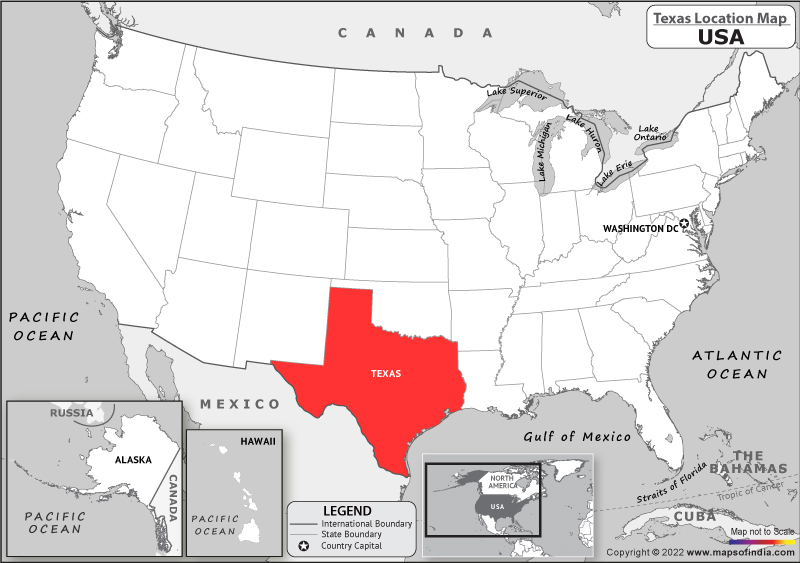
Texas, a state renowned for its vast landscapes, rich history, and distinct culture, occupies a significant geographical position within the United States. Understanding its location is key to appreciating its diverse attractions, from the bustling metropolises to the rugged natural beauty that defines the Lone Star State. Situated in the south-central region of the United States, Texas shares borders with several other states and a considerable international boundary, influencing its economy, culture, and overall identity.
Geographic Positioning and Borders
Texas is the second-largest state in the United States by both area and population, trailing only Alaska in size. Its sheer expanse is a defining characteristic, encompassing a variety of terrains and climates.
Neighboring States and Regions
To the north, Texas is bordered by the states of Oklahoma and Arkansas. The border with Oklahoma is largely defined by the Red River, a prominent geographical feature that has played a role in the state’s history and development. To the east, Louisiana shares a southeastern border, with the Sabine River marking a significant portion of this boundary.
International Border
To the south and southwest, Texas boasts an extensive international border with Mexico. This frontier spans over 1,200 miles, traversed by the Rio Grande for much of its length. Cities like El Paso, Laredo, and Brownsville are major gateways along this Mexico–Texas border, facilitating trade and cultural exchange between the two nations. The presence of this international boundary has profoundly shaped Texas‘s demographics, cuisine, and economic ties.
Gulf Coast and Western Expansion
Along its southeastern edge, Texas is graced by a long coastline on the Gulf of Mexico. This Gulf Coast region is home to major port cities like Houston and Corpus Christi, vital hubs for shipping and energy industries. To the west, Texas transitions into arid landscapes, bordering the state of New Mexico. This western expanse includes the vast plains and mountainous regions that contribute to the state’s diverse topography.
Defining Texas: A Look at Its Midwestern and Southern Roots
The location of Texas places it at a fascinating crossroads, drawing influences from both the Midwest and the South, while also possessing a unique identity all its own. Its southern placement is undeniable, with its Gulf Coast and proximity to Mexico, yet its northern stretches and historical development also connect it to the broader American landscape.
Climatological and Ecological Zones
The varied geographical placement of Texas results in a remarkable diversity of climates and ecosystems. From the subtropical humidity of the Gulf Coast to the arid deserts of West Texas and the rolling plains of the Panhandle, the state offers a broad spectrum of environmental conditions. This diversity directly impacts the types of attractions and activities available to visitors and residents alike.
Historical and Cultural Crossroads
Historically, Texas has been a melting pot of cultures. Its past includes periods under Spanish and Mexican rule, followed by its time as an independent republic before joining the United States. This rich history is evident in its architecture, language, and traditions, particularly in the southern and western parts of the state where Hispanic influence is strong. The northern and eastern regions, with their historical ties to migration from other Southern states, exhibit different cultural nuances.
Navigating Texas: Key Regions and Their Location
Understanding Texas‘s internal geography further clarifies its placement and the experiences it offers. The state can be broadly divided into several distinct regions, each with its own character and geographical significance.
East Texas: Piney Woods and Southern Charm
Located in the northeastern part of the state, East Texas is characterized by its dense pine forests, rolling hills, and humid climate. This region shares cultural and environmental similarities with the Deep South. Cities like Tyler and Beaumont are nestled within this verdant landscape, offering a glimpse into the more traditional Southern aspects of Texas.
Central Texas: The Hill Country and Urban Hubs
Central Texas, often referred to as the Texas Hill Country, is a picturesque region known for its rolling hills, clear rivers, and charming small towns. It is also home to some of Texas‘s major urban centers, including the state capital, Austin, and the large metropolitan area of San Antonio. This region serves as a cultural and economic nexus for the state.
South Texas: Coastal Plains and Border Influence
South Texas encompasses the coastal plains and the region bordering Mexico. This area is known for its warmer climate, agricultural productivity, and strong Hispanic cultural heritage. Cities like Corpus Christi on the coast and McAllen in the Rio Grande Valley showcase the unique blend of American and Mexican influences found here.
West Texas: Desert Landscapes and Mountain Ranges
Stretching across the western part of the state, West Texas is defined by its vast arid plains, desert landscapes, and rugged mountain ranges. The Big Bend National Park, a spectacular natural preserve, is a prime example of the unique beauty found in this remote region. El Paso, a major border city, anchors the western edge of Texas, facing Ciudad Juárez in Mexico.
The Panhandle: High Plains and Canyons
The northernmost part of Texas is the Panhandle, a predominantly flat, high-plains region that extends from the rest of the state northward. This area is known for its agricultural output, particularly cattle ranching and grain farming. The Palo Duro Canyon, the second-largest canyon in the United States, offers a dramatic natural spectacle within this otherwise level terrain.
Texas in the Broader American Context
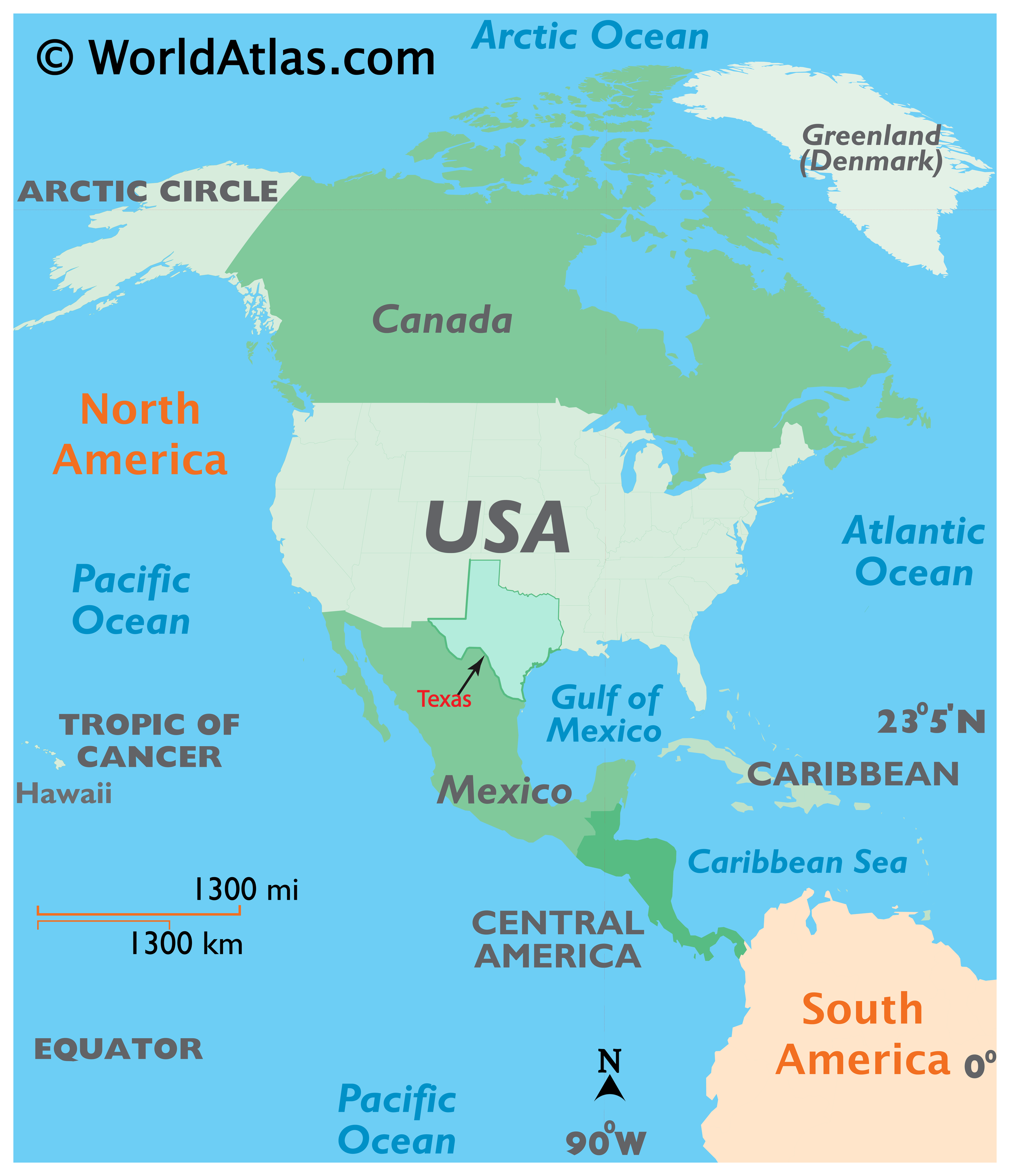
When considering Texas‘s location within the United States, it’s important to view it not just in terms of its immediate neighbors but also its role within the national narrative. Its size, economic power, and cultural distinctiveness make it a significant player on the American stage.
Economic Significance
Texas‘s geographical positioning, with its access to the Gulf of Mexico, extensive oil and gas reserves, and a growing technology sector, has propelled it to become a major economic powerhouse within the United States. Its proximity to Mexico also facilitates significant trade relationships.
Transportation and Connectivity
The state’s central location within the United States, coupled with its extensive network of highways, railways, and major airports such as Dallas/Fort Worth International Airport and George Bush Intercontinental Airport in Houston, makes it a crucial hub for transportation and logistics across the country.

Cultural Identity and Influence
Texas is not merely a geographical entity; it is a cultural force. Its unique blend of Southern, Western, and Hispanic influences, combined with its independent spirit, has created a distinct Texan identity that resonates throughout the United States and beyond. From its iconic cuisine to its legendary music scene, Texas contributes a significant cultural flavor to the American tapestry.
In conclusion, Texas is strategically located in the south-central region of the United States, sharing borders with Oklahoma, Arkansas, Louisiana, and New Mexico, as well as an extensive international border with Mexico. Its long coastline on the Gulf of Mexico further defines its geography. This prime location has fostered a rich tapestry of cultures, diverse landscapes, and a powerful economic and political presence within the United States.
LifeOutOfTheBox is a participant in the Amazon Services LLC Associates Program, an affiliate advertising program designed to provide a means for sites to earn advertising fees by advertising and linking to Amazon.com. Amazon, the Amazon logo, AmazonSupply, and the AmazonSupply logo are trademarks of Amazon.com, Inc. or its affiliates. As an Amazon Associate we earn affiliate commissions from qualifying purchases.