
The State of Texas, a vast and diverse entity in the southern United States, occupies a geographically significant and culturally rich expanse. Its location is not merely a point on a map but a confluence of historical influences, economic drivers, and natural beauty that shapes its unique identity. Understanding where Texas is situated is key to appreciating its role in the American narrative, its relationship with neighboring regions, and the sheer scale of its geographical presence.
Geographical Positioning and Boundaries
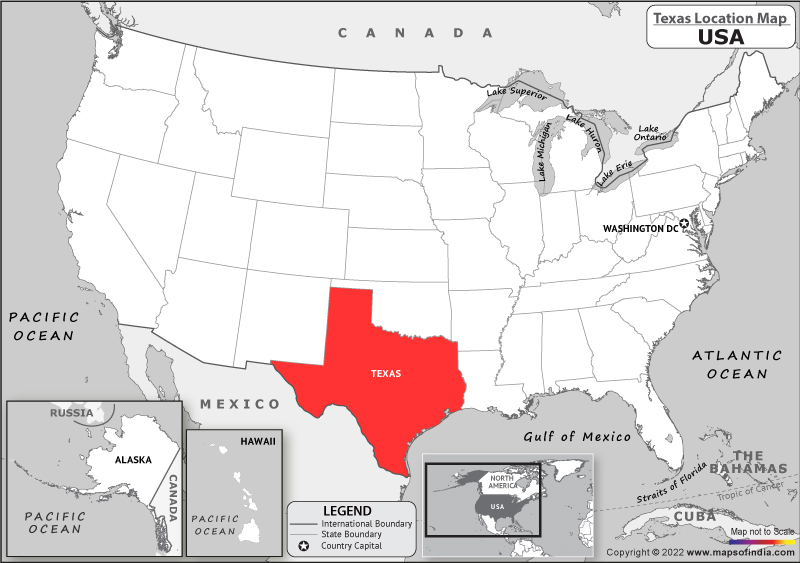
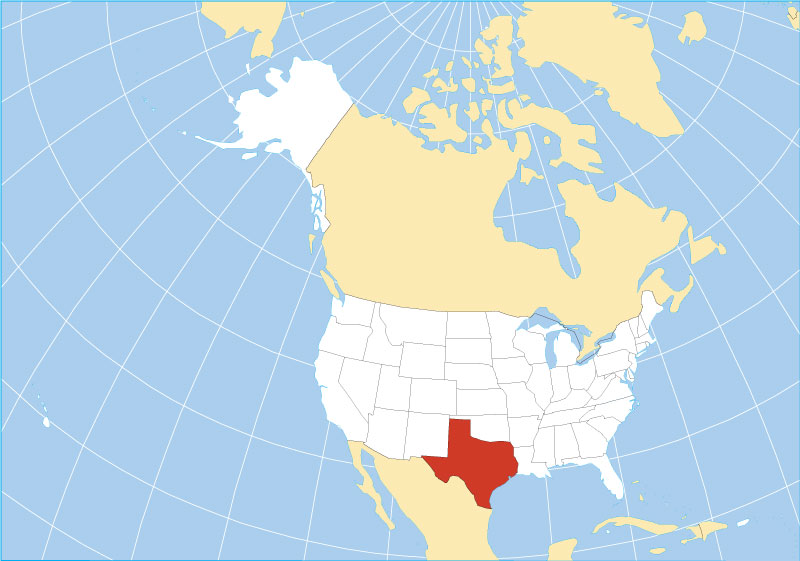
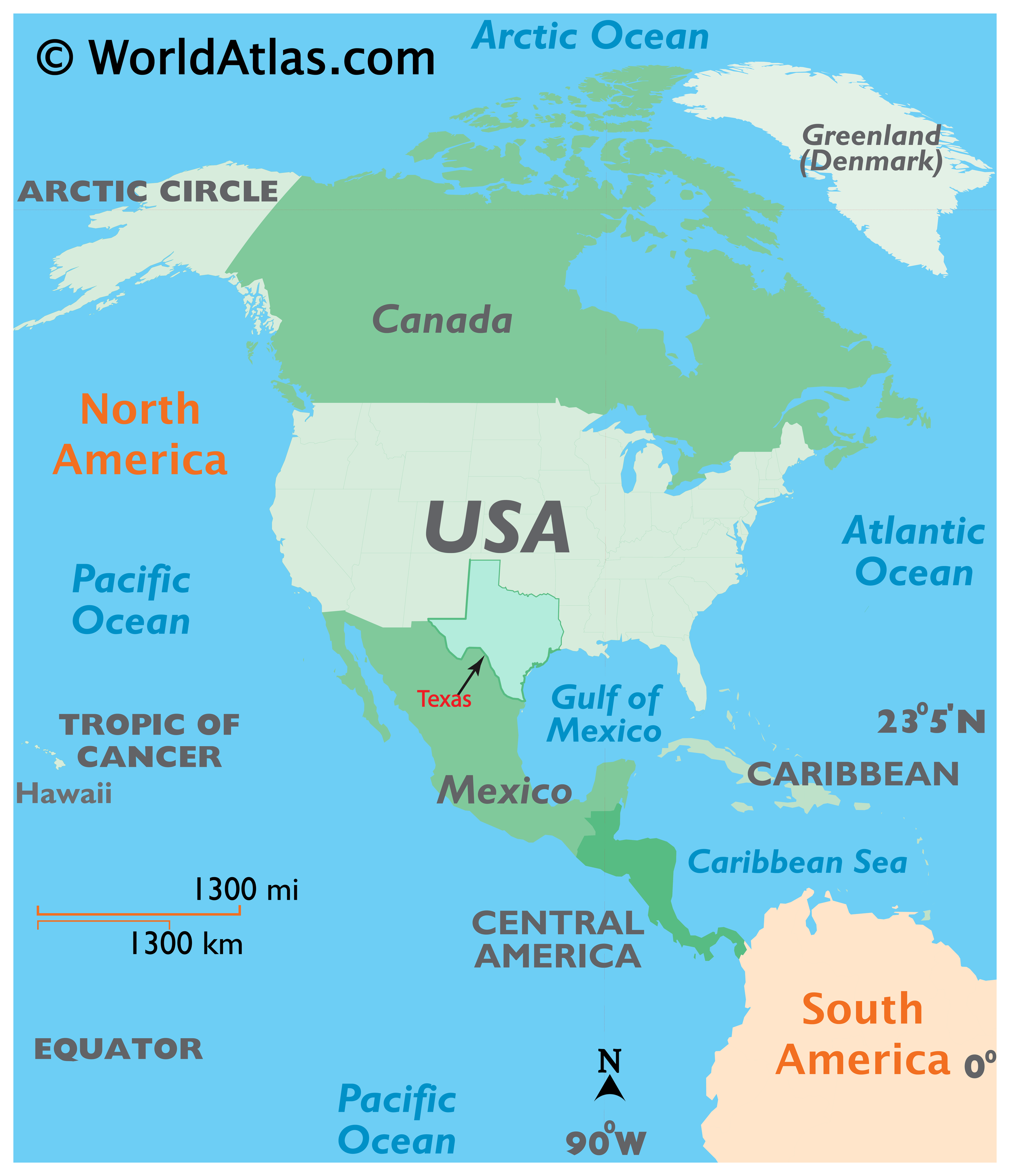
Texas is the second-largest state in the United States by both area and population, trailing only Alaska in size. It is strategically positioned in the south-central part of the country, bordering four other states and a foreign nation. This central positioning has historically facilitated trade, migration, and cultural exchange.
Bordering States and International Frontier
To the north, Texas shares a long border with Oklahoma. This boundary is largely defined by the Red River, a significant geographical feature that has played a role in the region’s development and territorial disputes. To the east, Texas is bordered by Arkansas and Louisiana, with the Sabine River forming a substantial portion of the boundary with Louisiana. These eastern borders place Texas within the broader cultural sphere of the American South.
To the west, Texas shares borders with New Mexico. This western frontier is more arid and mountainous, reflecting a transition towards the landscapes of the American Southwest. Finally, and most significantly from an international perspective, Texas boasts an extensive southern border with Mexico. This border, primarily defined by the Rio Grande River, stretches for over 1,200 miles and has profound implications for Texas‘s economy, demographics, and cultural tapestry. This proximity to Mexico has fostered a unique blend of cultures and economies, often referred to as the ” Tex-Mex” identity.
Coastal Access and Interior Vastness
Adding to its geographical complexity, Texas possesses a significant coastline along the Gulf of Mexico to the southeast. This coastline stretches for nearly 370 miles and is home to major port cities such as Houston, Galveston, and Corpus Christi. This access to the Gulf of Mexico has historically been crucial for trade, shipping, and naval operations, contributing to the economic prosperity of the state.
Internally, Texas is characterized by its immense size and varied topography. From the piney woods of East Texas to the rolling plains of the Panhandle, the rugged hills of the Edwards Plateau, and the deserts of West Texas, the state encompasses a remarkable diversity of landscapes. This internal variety means that weather patterns, ecosystems, and even the pace of life can differ dramatically from one region to another within the same state.
Neighboring Regions and Their Influence
The location of Texas places it in close proximity to several influential regions, each contributing to its development and character. Its position as a bridge between the American South, Southwest, and Mexico is a defining aspect of its identity.
The American South
Culturally and historically, Texas shares strong ties with the American South. The eastern parts of the state, in particular, exhibit many characteristics associated with the Deep South, including a history rooted in cotton cultivation, a distinct culinary tradition, and a legacy of shared social and political experiences. However, Texas also diverged significantly, particularly in its frontier spirit and its complex relationship with its Mexican heritage.
The American Southwest
To the west, Texas merges with the American Southwest. The landscapes, climate, and even architectural styles of West Texas and the Panhandle often evoke the vast, arid beauty associated with states like New Mexico, Arizona, and Colorado. This influence is also reflected in aspects of Texas‘s culture, including its appreciation for open spaces and its engagement with Native American history.
Mexico and Latin America
The long border with Mexico is perhaps the most significant geographical and cultural influence on Texas. This proximity has resulted in a substantial Hispanic population, a vibrant Spanish language presence, and a deep integration of Mexican traditions into Texan life, from food and music to festivals and family customs. This cross-border relationship is dynamic and essential to understanding the modern identity of Texas.
Navigational and Strategic Significance
Texas‘s location has always lent it considerable strategic importance, both historically and in contemporary times. Its size, resources, and position have made it a pivotal state in national and international affairs.
Historical Importance
During the era of westward expansion in the United States, Texas served as a crucial frontier territory. Its struggle for independence from Mexico and its subsequent annexation by the United States were pivotal moments in American history. The vast expanses of Texas also played a significant role in the American Civil War, with its unique position and resources contributing to the Confederate cause. Later, its strategic location for ranching and agriculture solidified its importance.
Economic Hub and Transportation Corridors
Today, Texas is a major economic powerhouse, and its location is central to this status. The state’s access to the Gulf of Mexico makes its ports vital for international trade. Major transportation arteries, including interstate highways and extensive railway networks, crisscross the state, connecting it to the rest of the United States and Mexico. The energy sector, a cornerstone of the Texan economy, relies heavily on its geographical resources and its pipelines connect it to national energy grids. Its central position within the United States also makes it a key hub for domestic transportation and logistics.
Military Presence
The strategic importance of Texas is further underscored by its numerous military installations. Major bases like Fort Hood, Lackland Air Force Base, and Naval Air Station Corpus Christi are vital components of the U.S. military infrastructure. Their placement reflects Texas‘s vast land area, its access to vital transportation routes, and its proximity to strategic coastlines.
Internal Geographical Diversity
While its external borders define Texas‘s relationship with the world, its internal geography is equally compelling and contributes to the state’s multifaceted character. The sheer scale of Texas means that one can experience dramatically different environments within its confines.
East Texas: The Piney Woods
The eastern part of the state is characterized by lush forests, often referred to as the Piney Woods. This region, with its humid subtropical climate, supports dense pine forests and is rich in timber resources. Cities like Tyler and Nacogdoches are nestled within this verdant landscape, offering a more temperate and verdant environment compared to other parts of Texas.
Central Texas: The Hill Country and Prairies
Central Texas presents a different tableau. The Texas Hill Country, with its rolling hills, clear streams, and unique limestone geology, offers a picturesque landscape that has become a popular destination for recreation and tourism. Further north and east, the Blackland Prairies provide fertile soil, historically supporting extensive agriculture. Cities like Austin and San Antonio are located within this dynamic central region, showcasing a blend of natural beauty and urban development.
West Texas: Deserts and Mountains
Journeying westward, the landscape transforms dramatically. West Texas is characterized by arid plains, rugged mountains, and desert environments. The Big Bend National Park, situated in the remote southwestern corner of the state along the Rio Grande, showcases the stark beauty of this region, with its desert flora, towering mountain ranges, and deep canyons. The Panhandle in the north features vast, flat plains, the setting for significant agricultural and ranching operations.
The Gulf Coast
Along the southeastern edge, the Gulf Coast region offers a distinct environment. This area is a mosaic of barrier islands, bays, estuaries, and coastal plains. It is a critical region for wildlife, a major economic driver through its ports and fishing industries, and a popular destination for beach tourism.
In conclusion, the location of the State of Texas is a complex interplay of its geographical positioning, its borders with other states and nations, and its remarkably diverse internal landscapes. This strategic placement and varied geography have shaped Texas into a state of immense influence, rich in history, culture, and natural wonder, continuously evolving at the crossroads of the United States and Mexico.
LifeOutOfTheBox is a participant in the Amazon Services LLC Associates Program, an affiliate advertising program designed to provide a means for sites to earn advertising fees by advertising and linking to Amazon.com. Amazon, the Amazon logo, AmazonSupply, and the AmazonSupply logo are trademarks of Amazon.com, Inc. or its affiliates. As an Amazon Associate we earn affiliate commissions from qualifying purchases.