
Navigating the bureaucratic landscape of obtaining official identification can often feel like a daunting task, especially when you’re new to a state or simply need to update your credentials. In Texas, acquiring a state identification card, often referred to as a “Texas ID” or “State ID,” is a straightforward process designed to provide residents with a reliable form of identification for various purposes. This guide will walk you through the essential steps, requirements, and locations where you can secure your Texas State ID, ensuring a smooth and efficient experience.
The Texas Department of Public Safety (DPS) is the primary agency responsible for issuing state identification cards. These cards serve as a crucial document for a multitude of everyday activities, from opening bank accounts and proving your age for certain purchases to accessing government services and serving as a secondary form of identification for travel. Understanding where to go and what to bring is key to a successful application.
Understanding the Texas State ID Card
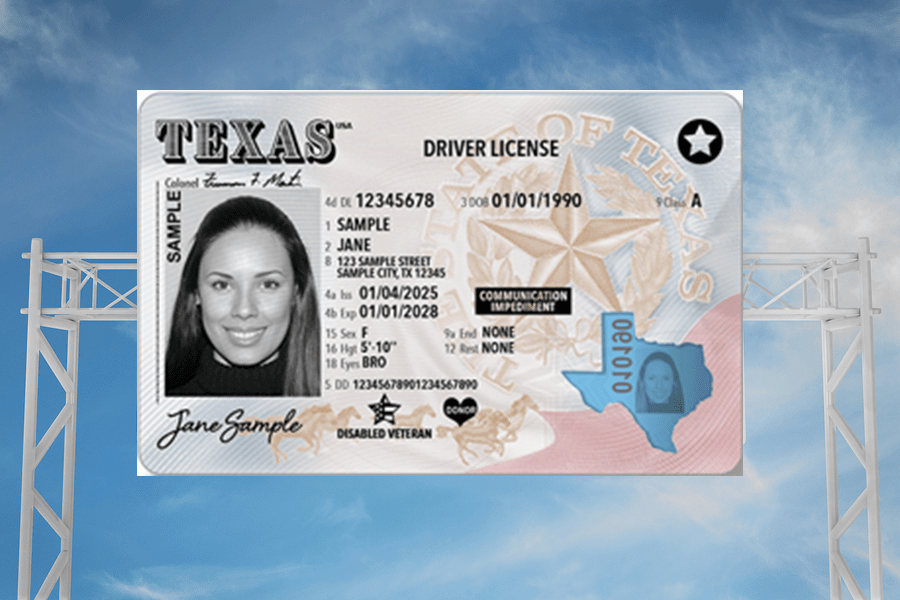
Before delving into the application process, it’s beneficial to understand what a Texas State ID card is and why it’s important. Unlike a driver’s license, which primarily serves the purpose of authorizing an individual to operate a motor vehicle, a state ID card is for identification purposes only. It is a valuable tool for individuals who do not drive or do not possess a driver’s license.
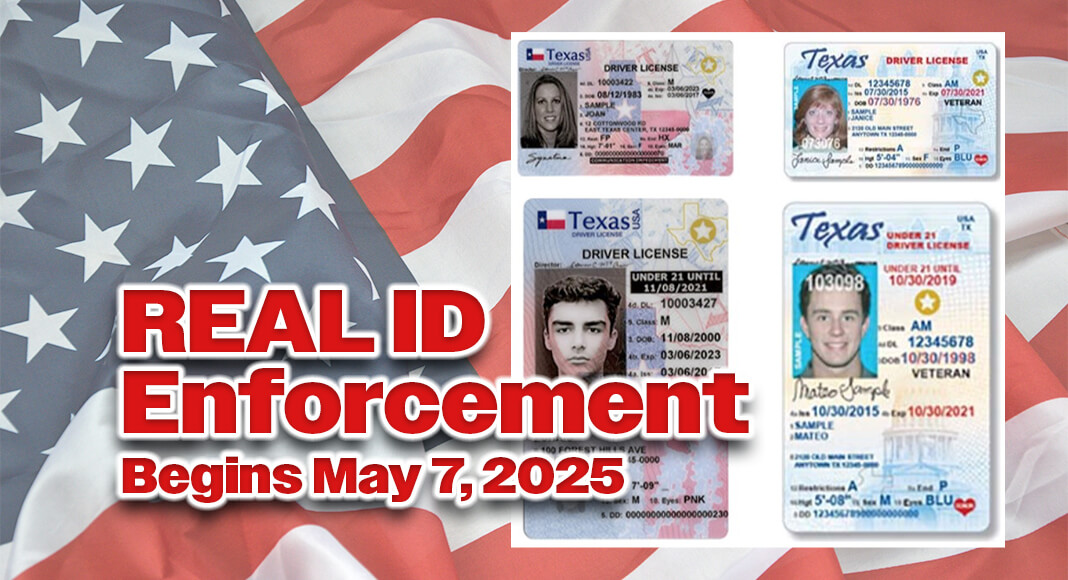
The Texas State ID card contains vital personal information, including your full name, date of birth, address, a photograph, and a unique identification number. It is an official document issued by the state, recognized by businesses, financial institutions, and law enforcement agencies across Texas.
Types of Texas State IDs
While the general term “Texas State ID” is commonly used, it’s important to note that the Texas DPS offers several types of identification cards tailored to different needs:
- Texas Driver License: While not strictly an ID card, a valid Texas Driver License serves as a primary form of identification. If you are a licensed driver, this is often the most convenient option.
- Texas Identification Card: This is the standard state ID card for individuals who do not possess a driver’s license. It is available to U.S. citizens and eligible non-citizens.
- Texas Election Identification Certificate (EIC): This specialized ID is available to registered voters in Texas who do not have a driver’s license or other acceptable form of photo identification for voting. While it functions as a state ID for voting, it has specific limitations for other uses.
This guide will primarily focus on obtaining the standard Texas Identification Card.
Requirements for Obtaining a Texas State ID
The application process for a Texas State ID card requires careful preparation to ensure you have all the necessary documentation. The Texas DPS mandates specific proof of identity, residency, and social security number.
Proof of Identity
You will need to provide at least one primary document that proves your identity. Acceptable primary documents include:
- U.S. Birth Certificate: An original or certified copy issued by a U.S. state or territory.
- Valid U.S. Passport: A current and unexpired passport issued by the United States.
- Certificate of Citizenship: Form N-560 or N-561.
- Certificate of Naturalization: Form N-550, N-570, or N-578.
- Consular Report of Birth Abroad: Form FS-240, DS-1350, or FS-545.
Proof of Social Security Number
You must present proof of your Social Security number. Acceptable documents include:
- Social Security Card: The original card.
- W-2 Form: A recent W-2 form with your full name and Social Security number.
- SSA-1099 Form: A recent SSA-1099 form with your full name and Social Security number.
- Non-SSA-1099 Form: A recent non-SSA-1099 form with your full name and Social Security number.
If you do not have a Social Security number, you may be required to provide alternative documentation, such as a letter from the Social Security Administration stating you are ineligible.
Proof of Texas Residency
You will need to demonstrate that you are a resident of Texas. You typically need to provide at least two documents from the following list, showing your name and Texas address:
- Utility Bills: Recent bills (within the last 60-90 days) from electricity, gas, water, or cable providers.
- Bank Statements: Recent statements from a Texas-based financial institution.
- Deeds or Rental Agreements: Proof of property ownership or a current lease agreement.
- Texas Driver License or ID Card: If you are renewing or updating an existing Texas ID.
- Vehicle Registration or Title: Current documentation showing your Texas address.
- Insurance Policies: Homeowner’s or renter’s insurance policies.
It is crucial to ensure that the name on your supporting documents matches the name you are using on your application. If there are discrepancies, you may need to provide additional documentation such as a marriage license or court order for name changes.
Other Potential Requirements
- Age Restrictions: While there is no minimum age to obtain a Texas State ID, minors under 18 typically need a parent or legal guardian present to consent to the issuance of the ID.
- Legal Presence: Non-U.S. citizens must provide proof of their legal presence in the United States. This can include a Permanent Resident Card, Employment Authorization Document, or other relevant immigration documents.
Where to Apply: Texas Driver License Offices
The primary locations for obtaining a Texas State ID are the Texas Department of Public Safety Driver License offices, often referred to as DPS offices or DL offices. These offices are strategically located throughout the state to serve all residents.
Finding a DPS Office Near You
To locate the nearest DPS office, you can utilize the official Texas DPS website. They provide a comprehensive locator tool that allows you to search by zip code or city. It is highly recommended to check the operating hours and any specific requirements for appointments before visiting, as these can vary.
The Application Process at a DPS Office
Upon arrival at a DPS office, you will typically follow these steps:
- Obtain a Number and Wait: Most offices utilize a ticketing system. Take a number and wait for your turn.
- Submit Documentation: When your number is called, you will proceed to a service window. Present all your required documents to the DPS representative. They will review them to ensure they meet the state’s criteria.
- Complete the Application Form: You will likely be asked to fill out an application form (DPS/driver license application). Ensure all information is accurate and legible.
- Pay the Fee: There is a fee associated with obtaining a Texas State ID card. The exact amount can vary, so it’s advisable to check the current fee schedule on the Texas DPS website. Payment methods accepted may include cash, check, money order, or credit/debit cards.
- Biometrics Capture: You will have your photograph taken for the ID card. Fingerprints may also be taken as part of the security process.
- Receive Your Temporary ID: After successful completion of the process, you will typically receive a temporary paper ID card. This temporary card is valid for a specific period, usually around 60-90 days.
- Mail Delivery of Permanent ID: Your permanent plastic Texas State ID card will be mailed to the address you provided on your application. This typically takes a few weeks.
Preparing for Your Visit
To expedite your visit, consider the following:
- Schedule an Appointment: Some DPS offices allow or encourage appointments. Checking their website for appointment scheduling options can save you significant waiting time.
- Gather Documents in Advance: Ensure all your documents are organized and readily accessible. Make copies of important documents if you wish to retain them.
- Check the DPS Website: Before your visit, always consult the official Texas DPS website for the most up-to-date information on requirements, fees, and office hours. Regulations and procedures can change.
Special Considerations and Alternatives
While DPS offices are the standard for obtaining a state ID, there are a few special considerations and, in limited circumstances, alternative avenues.
For Minors
As mentioned, individuals under 18 years of age require a parent or legal guardian to be present. The accompanying adult must also provide proof of their identity and relationship to the minor. For example, a parent might present their driver’s license and the minor’s birth certificate.
For Those Requiring an Election Identification Certificate (EIC)
Registered voters who need an EIC should specifically inquire about this process at the DPS office. The requirements for an EIC are similar, but it’s specifically tied to voter registration. You can find more information and potential alternative locations for obtaining an EIC on the Texas Secretary of State’s website.
Alternative Locations for ID Issuance (Limited)
In some specific situations, certain government agencies or organizations might be able to assist with aspects of identification, but for a fully recognized Texas State ID, the DPS is the definitive source. For instance, if you are applying for specific social services, those agencies might guide you through the process or provide necessary documentation, but the final issuance of the ID card rests with the DPS.
Renewal and Replacement
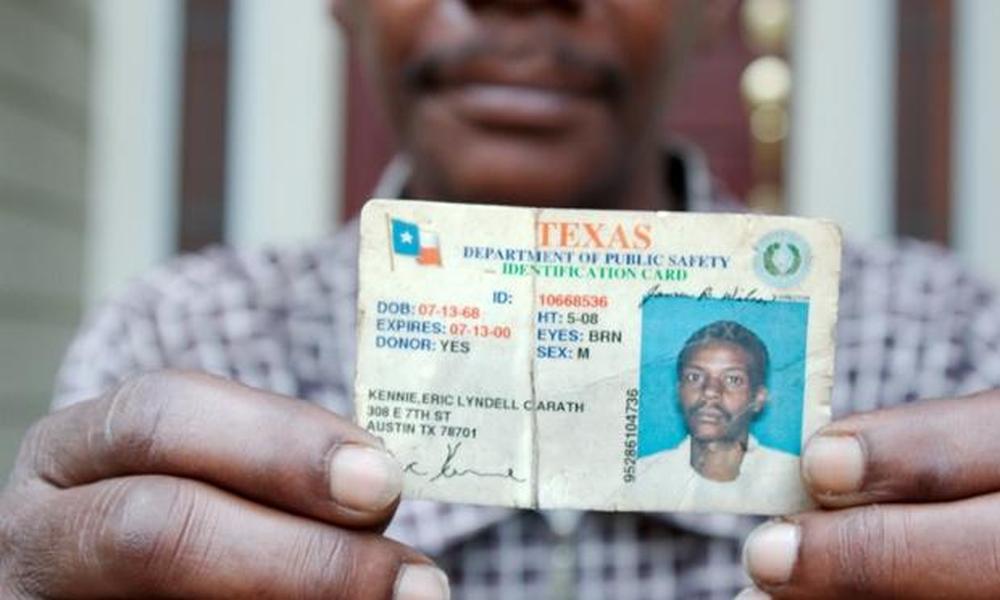
If your Texas State ID is lost, stolen, or expiring, you will generally need to visit a DPS office to obtain a replacement or renewal. The process is similar to applying for a new ID, requiring updated proof of identity and residency. Some renewals may be possible online or by mail, but this is typically limited to certain situations and often requires checking eligibility on the Texas DPS website.
Obtaining a Texas State ID is a fundamental step for establishing your identity within the state. By understanding the requirements, preparing your documentation diligently, and knowing where to go, you can navigate this process with confidence and efficiency. The Texas Department of Public Safety aims to make this a smooth experience for all residents.
LifeOutOfTheBox is a participant in the Amazon Services LLC Associates Program, an affiliate advertising program designed to provide a means for sites to earn advertising fees by advertising and linking to Amazon.com. Amazon, the Amazon logo, AmazonSupply, and the AmazonSupply logo are trademarks of Amazon.com, Inc. or its affiliates. As an Amazon Associate we earn affiliate commissions from qualifying purchases.