
The retail landscape is in constant flux, and major department store chains like Macy’s are a prime example of this ongoing evolution. While the iconic American retailer has been a fixture in shopping malls across the nation for decades, recent years have seen a strategic reassessment of its physical footprint. This has led to a series of closures impacting various markets, including the vibrant state of Texas. For residents and visitors alike who rely on Macy’s for everything from fashion to home goods, understanding which locations are affected is crucial for planning shopping trips and exploring alternative retail experiences within the state.
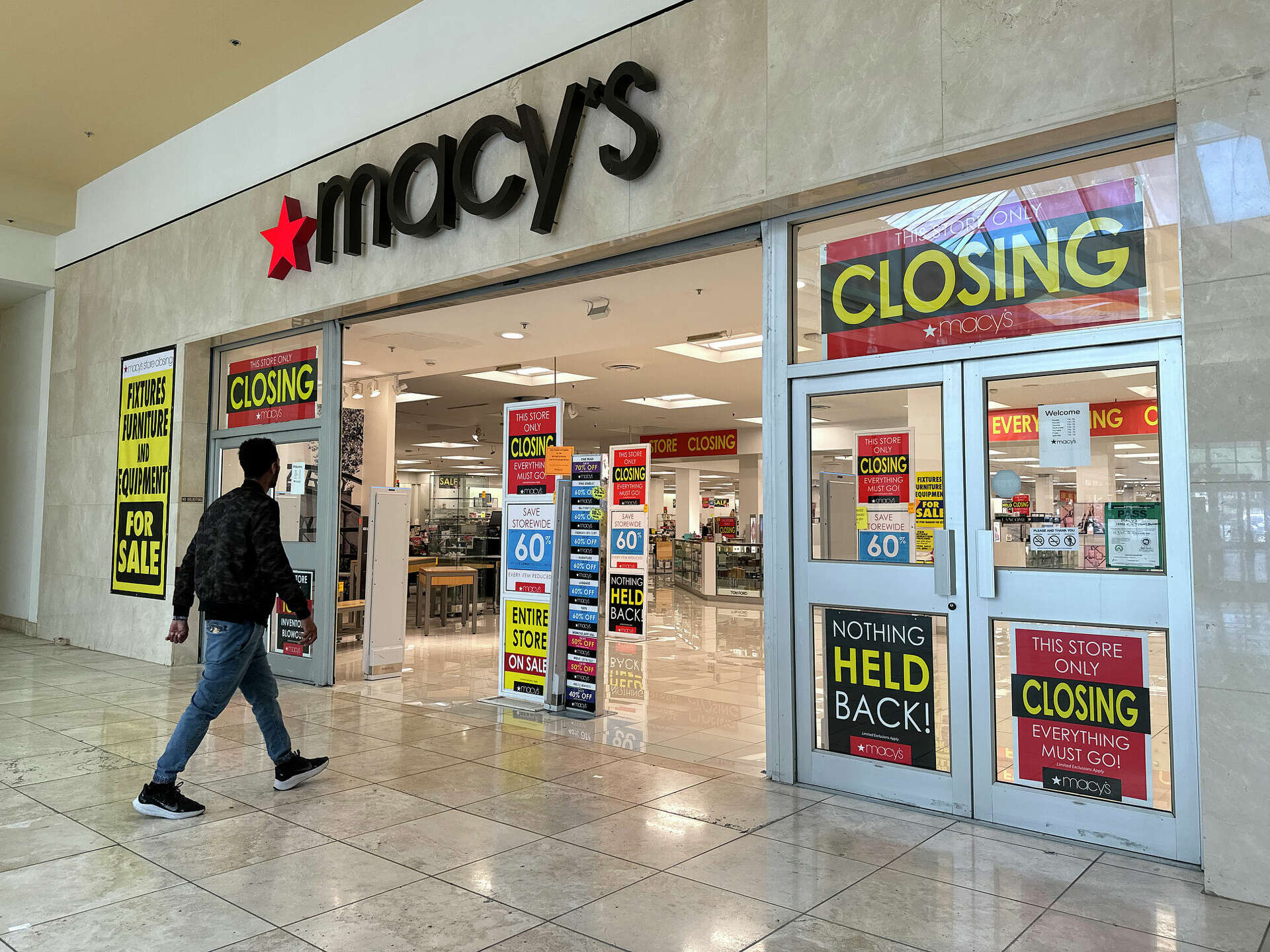
This analysis delves into the recent announcements and trends surrounding Macy’s store closures in Texas, aiming to provide clarity for consumers and shed light on the broader implications for the retail sector within the Lone Star State. While specific closure lists can change and are often subject to business decisions made by the company, this overview will address the general patterns and known impacts.
Understanding the Shifting Retail Environment in Texas
Texas, with its burgeoning population and diverse economy, has historically been a robust market for traditional retail. Cities like Houston, Dallas, and San Antonio have been home to flagship Macy’s stores that served as anchor tenants in major shopping centers. However, the rise of e-commerce, changing consumer shopping habits, and the economic impacts of various global events have created significant headwinds for brick-and-mortar establishments.
The Impact of E-commerce on Traditional Retail
The proliferation of online shopping platforms has fundamentally altered how consumers purchase goods. Macy’s, like many of its competitors, has invested heavily in its online presence, but this digital shift inevitably impacts the profitability and necessity of maintaining a vast network of physical stores. Consumers now have the convenience of browsing and purchasing from home, often with faster shipping and wider selection available online. This trend has forced retailers to re-evaluate their store portfolios, identifying underperforming locations and making difficult decisions about closures to optimize resources and align with market realities. In Texas, where consumers have embraced online retail, this has translated into a noticeable impact on traditional department store sales.
Strategic Realignment and Portfolio Optimization
Macy’s has publicly communicated its strategy to adapt to the evolving retail landscape. This includes a focus on its most profitable stores, investments in its digital channels, and a willingness to close underperforming locations. The company’s approach is not unique; many major retailers are undergoing similar transformations. For Texas, this means that the presence of Macy’s stores, particularly those in malls that may be experiencing declining foot traffic or those in areas with saturated retail competition, has become subject to these strategic reviews. The goal is to streamline operations, reduce overhead costs associated with maintaining underutilized spaces, and redirect resources towards initiatives that offer higher returns, such as enhancing the online shopping experience or revitalizing key physical locations.
Identifying Specific Store Closures in Texas
Pinpointing exact lists of Macy’s store closures in Texas requires consulting the most up-to-date announcements from the company itself or reliable retail news sources. Historically, closure announcements have often been made in waves, affecting various states simultaneously.
Past Closure Trends and Notable Departures
Over the past few years, Macy’s has closed numerous stores across the country, and Texas has been part of this pattern. While specific dates and locations can vary, some Texas locations have indeed been part of these strategic reductions. For instance, stores located in malls that have seen a significant decline in overall tenant occupancy or those in markets with a high density of competing retailers might be more susceptible. It’s important to note that these decisions are often based on detailed financial analysis, including sales performance, lease agreements, and local market dynamics. The closure of a Macy’s store can have a ripple effect on the surrounding retail environment, impacting other businesses within the same shopping center.
How to Stay Informed About Future Closures
For the most accurate and current information regarding Macy’s store closures in Texas, consumers should rely on official channels.
Official Macy’s Communications
Macy’s typically announces store closures through press releases, their corporate website, or official social media channels. These announcements usually provide a timeline for when the stores will cease operations and may offer information about employee support and liquidation sales. Regularly checking the “Newsroom” or “Investor Relations” sections of the Macy’s corporate website can be a reliable way to stay informed.
Reputable Retail News Outlets
Many established business and retail news publications provide timely coverage of significant retail news, including store closures. Following websites such as Women’s Wear Daily (WWD), Retail Dive, Business Insider, or local Texas business journals can offer up-to-date reports on store closings, often with detailed information about the affected locations and the reasoning behind the decisions. These outlets often receive direct information from company representatives or industry insiders.
Alternatives and the Future of Retail in Texas
As Macy’s continues to adjust its physical presence in Texas, consumers have a wealth of alternative shopping options, reflecting the dynamic nature of the state’s retail sector.
Exploring Other Department Stores and Retailers
Texas boasts a diverse range of department stores and specialty retailers that can fill the void left by any Macy’s closures. Larger chains like Nordstrom, Dillard’s, and Neiman Marcus continue to operate significant presences in many major metropolitan areas, offering similar selections of apparel, accessories, and home goods. Additionally, the state is home to numerous upscale boutiques, mid-tier retailers, and discount stores, catering to a wide spectrum of consumer preferences and budgets. Malls themselves are also adapting, often seeking to attract new types of tenants, including experiential retail concepts, entertainment venues, and dining establishments, to drive foot traffic.
The Rise of Omnichannel Retail and Direct-to-Consumer Brands
The future of retail in Texas, as elsewhere, is increasingly omnichannel. This means that consumers expect a seamless experience across online and offline channels. Brands that offer strong online shopping, efficient shipping, easy returns, and perhaps even physical showrooms or pick-up points are well-positioned. Furthermore, the growth of direct-to-consumer (DTC) brands has provided consumers with more choices outside of traditional department store models. Many of these brands have a strong online presence and may even open physical pop-up shops or permanent stores in popular Texas shopping districts. This diversification of the retail landscape means that even as traditional department stores consolidate, consumers in Texas will likely continue to have access to a wide array of shopping opportunities.
Navigating Retail Changes for the Texas Consumer
The evolving retail environment, marked by store closures and strategic shifts, necessitates a proactive approach from consumers in Texas. Understanding these changes is key to maintaining access to desired products and services.
Adapting Shopping Habits and Strategies
For residents in areas affected by Macy’s closures, adapting shopping habits is essential. This might involve:
- Increased Online Shopping: Leveraging the convenience and wider selection available through Macy’s website or other online retailers.
- Exploring Nearby Locations: Traveling to a slightly more distant Macy’s store or a different shopping center within the same metropolitan area.
- Discovering Local Alternatives: Actively seeking out and supporting independent boutiques and specialty stores that offer unique merchandise and personalized service.
- Utilizing Loyalty Programs: Staying engaged with Macy’s loyalty programs can offer benefits even if store access is reduced, such as exclusive discounts or early access to sales online.
The Role of Shopping Centers and Mall Revitalization
The impact of department store closures is keenly felt by the shopping centers that house them. Many malls across Texas are undergoing significant transformations to remain relevant. This includes:
- Diversifying Tenant Mix: Moving beyond traditional retail to include more entertainment options (cinemas, arcades), fitness centers, co-working spaces, and even residential components.
- Focusing on Experiential Retail: Creating spaces that offer more than just shopping, such as interactive exhibits, cooking classes, or beauty workshops.
- Improving Amenities: Enhancing common areas, offering better Wi-Fi, and providing more comfortable seating and dining options to encourage longer visits.
These efforts aim to create vibrant community hubs rather than mere shopping destinations, ensuring that Texas consumers continue to have engaging and convenient places to shop, dine, and socialize, regardless of specific department store footprints. The retail future in Texas is one of adaptation, innovation, and a continued commitment to serving its dynamic population.
LifeOutOfTheBox is a participant in the Amazon Services LLC Associates Program, an affiliate advertising program designed to provide a means for sites to earn advertising fees by advertising and linking to Amazon.com. Amazon, the Amazon logo, AmazonSupply, and the AmazonSupply logo are trademarks of Amazon.com, Inc. or its affiliates. As an Amazon Associate we earn affiliate commissions from qualifying purchases.