
Navigating the intricate landscape of American governance can often feel like deciphering a complex map, especially when it comes to understanding who represents your interests in Washington D.C.. For residents of the great state of Texas, identifying your specific United States Representative is a crucial step in engaging with the democratic process. This guide will empower you with the knowledge and tools to pinpoint your elected official, understand their role, and effectively communicate your concerns.
Understanding Your Representation in Congress
The United States Congress is comprised of two chambers: the House of Representatives and the Senate. While both play vital roles in crafting legislation and overseeing the executive branch, your specific representative in the House is determined by the congressional district in which you reside. Unlike Senators, who represent an entire state, Representatives are elected from smaller, geographically defined districts. This ensures that each Representative has a more localized constituency and can, in theory, better address the specific needs and concerns of their constituents.
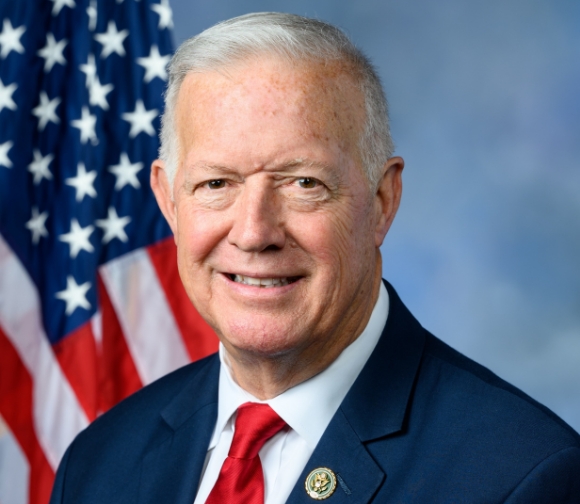
The Role of a US Representative
Your US Representative serves as your voice in the House of Representatives. Their primary responsibilities include:
- Legislative Advocacy: Introducing, debating, and voting on bills that can become federal law. These laws can impact everything from national security and economic policy to environmental regulations and social programs.
- Constituent Services: Assisting residents within their district with issues they may encounter when dealing with federal agencies. This can include navigating Social Security claims, issues with the Department of Veterans Affairs, or passport inquiries.
- Oversight: Monitoring the actions of the executive branch to ensure laws are being faithfully executed and that taxpayer money is being used efficiently and effectively.
- Casework: Working with constituents to resolve problems with federal agencies, such as the Internal Revenue Service or United States Citizenship and Immigration Services.
Congressional Districts in Texas
Texas, with its large population, is divided into multiple congressional districts, each represented by a single Member of Congress. These districts are drawn by the state legislature following each decennial census to ensure roughly equal population across each district, as mandated by the U.S. Constitution. The boundaries of these districts can change over time, making it essential to verify your current representation.
How to Identify Your US Representative
The most direct and accurate way to determine who your US Representative is involves utilizing online resources provided by official government entities. These tools are designed to be user-friendly and provide up-to-the-minute information.
Utilizing the Official US House of Representatives Website
The U.S. House of Representatives website offers a convenient locator tool. Here’s how to use it:
- Navigate to the Website: Go to the official website of the U.S. House of Representatives. Look for a section titled “Find Your Representative” or a similar phrasing.
- Enter Your Address: You will be prompted to enter your full residential address, including your street address, city, state, and zip code. Ensure accuracy for the most precise results.
- View Your Representative: After submitting your address, the website will display the name of your US Representative, along with their contact information, committee assignments, and a link to their official website. This is the most reliable method as the data is directly sourced from the House.
Alternative Methods for Identification

While the official House website is the primary resource, a few other methods can assist you:
- Texas Secretary of State Website: The Texas Secretary of State website may also provide information on congressional districts and representatives, though the U.S. House website is generally the most direct for finding your specific representative by address.
- Local Government Websites: Sometimes, your county or city government websites may link to resources for identifying your federal representatives. This can be particularly helpful if you are new to an area or have recently moved.
- Ballotpedia or GovTrack.us: These non-partisan websites provide comprehensive information about elections and elected officials. They often have searchable databases where you can input your address to find your representative. However, always cross-reference with the official U.S. House of Representatives website for the definitive answer.
Engaging with Your Representative
Once you have identified your US Representative, the next step is to understand how to effectively engage with them. This engagement is the cornerstone of representative democracy, ensuring that your concerns are heard and considered by those in power.
Contacting Your Representative
There are several ways to reach out to your US Representative:
- Official Website Contact Forms: Most Representatives maintain official websites that include secure contact forms. This is a convenient way to submit your message, and it ensures your correspondence is directed to their district office staff who are trained to handle constituent communications.
- Email: You can typically find your Representative’s official email address on their website. When emailing, be clear, concise, and state your purpose upfront.
- Phone Calls: Calling your Representative’s district office is another effective way to communicate. You will likely speak with a staff member who can take down your concerns, answer questions, or direct you to the appropriate resource.
- Letters: While perhaps less common in the digital age, sending a physical letter to your Representative’s district or Washington D.C. office can still be impactful. Ensure your letter is well-written and clearly articulates your message.
- Social Media: Many Representatives are active on social media platforms. While these channels can be useful for staying informed about their activities, direct communication regarding specific issues is often best handled through their official website or by phone.
What to Include in Your Communication
When contacting your Representative, clarity and specificity are key. Consider the following:
- Identify Yourself: Clearly state that you are a constituent, providing your full name and address. This verifies that you are within their district.
- State Your Purpose: Be direct about the issue you wish to discuss. Are you expressing support for a bill, opposing a piece of legislation, seeking assistance with a federal agency, or raising awareness about a local concern?
- Provide Relevant Information: If you are referencing a specific bill, include its number or official title. If you are seeking assistance with a federal agency, provide any relevant case or reference numbers.
- Be Respectful and Concise: Even if you feel strongly about an issue, maintaining a respectful tone will ensure your message is received more positively. Keep your communication focused and avoid overly long, rambling explanations.
- Suggest Action (Optional): If appropriate, you can suggest a specific action you would like your Representative to take, such as voting a certain way on a bill or investigating an issue.
The Importance of Active Participation
Understanding who your US Representative is and knowing how to contact them are fundamental aspects of civic engagement. By actively participating in the democratic process, you contribute to a more responsive and representative government. Whether you are advocating for policy changes, seeking help with a federal matter, or simply staying informed about the issues that affect your community, your voice matters.

Staying Informed About Your Representative’s Work
Beyond direct communication, staying informed about your Representative’s activities is crucial. Most Representatives have newsletters, post updates on their official websites, and engage through social media. Following their work allows you to understand their priorities, legislative efforts, and how they are representing your interests in Washington D.C.. This knowledge empowers you to engage more effectively and to hold them accountable for their actions.
In Texas, as across the nation, the connection between constituents and their elected officials is vital. By taking the time to identify your US Representative and understanding how to engage with their office, you become a more informed and active participant in the governance of your state and country.
LifeOutOfTheBox is a participant in the Amazon Services LLC Associates Program, an affiliate advertising program designed to provide a means for sites to earn advertising fees by advertising and linking to Amazon.com. Amazon, the Amazon logo, AmazonSupply, and the AmazonSupply logo are trademarks of Amazon.com, Inc. or its affiliates. As an Amazon Associate we earn affiliate commissions from qualifying purchases.