
For many travelers planning a trip to the southwestern United States, a seemingly simple question can quickly become a source of confusion: “What time is it in Arizona?” Unlike most states, Arizona largely opts out of Daylight Saving Time (DST), sticking instead to Mountain Standard Time (MST) year-round. This peculiar clock situation isn’t just a quirky fact; it profoundly impacts travel planning, from booking flights and accommodations to scheduling tours and dining experiences. Understanding Arizona’s unique temporal rhythm is key to a seamless and enjoyable visit to the Grand Canyon State, a land of breathtaking landscapes, rich history, and vibrant culture.
This guide delves into the intricacies of Arizona’s time zone, offering practical advice for travelers, highlighting must-see destinations, and suggesting ideal accommodations to ensure your journey is perfectly timed. Whether you’re seeking adventure in the desert, cultural immersion in ancient lands, or luxurious relaxation, mastering the clock here will elevate your entire Arizona experience.
Arizona’s Timeless Enigma: Understanding MST All Year Round
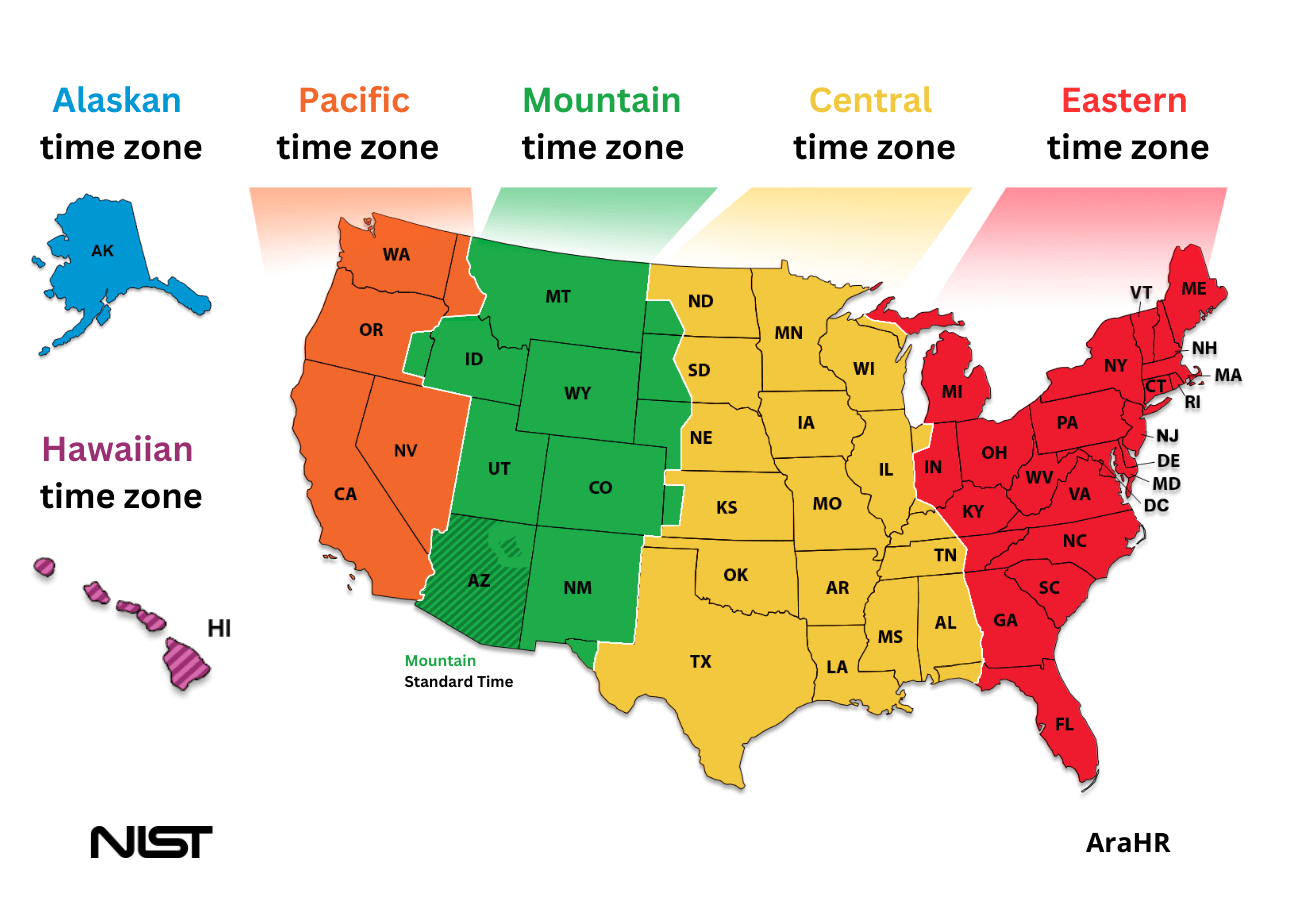
The heart of the “What time Arizona?” question lies in its consistent adherence to Mountain Standard Time throughout the year. While most of the United States “springs forward” and “falls back,” Arizona remains steadfast. This means that for roughly half the year, from March to November, Arizona aligns with Pacific Daylight Time (PDT), making it three hours behind the East Coast. During the winter months, when other states return to standard time, Arizona shifts to being one hour ahead of Pacific Standard Time (PST) and seven hours behind Greenwich Mean Time (GMT). This distinct timing is a crucial element for anyone planning a visit, especially those arriving from neighboring states like California, Nevada, Utah, or New Mexico.
The Rationale Behind the Perpetual Mountain Standard Time
The decision for Arizona to largely forgo Daylight Saving Time dates back to the early 1960s. The primary driver behind this choice is the state’s intense summer heat. With average daytime temperatures in Phoenix often soaring above 100°F (38°C) for extended periods, an extra hour of daylight in the evening would mean even hotter temperatures lasting longer into the night. This would increase energy consumption for air conditioning and potentially disrupt outdoor activities. By sticking to Mountain Standard Time, residents and visitors can enjoy cooler mornings and evenings, making the climate more manageable for daily life, outdoor recreation, and tourism.
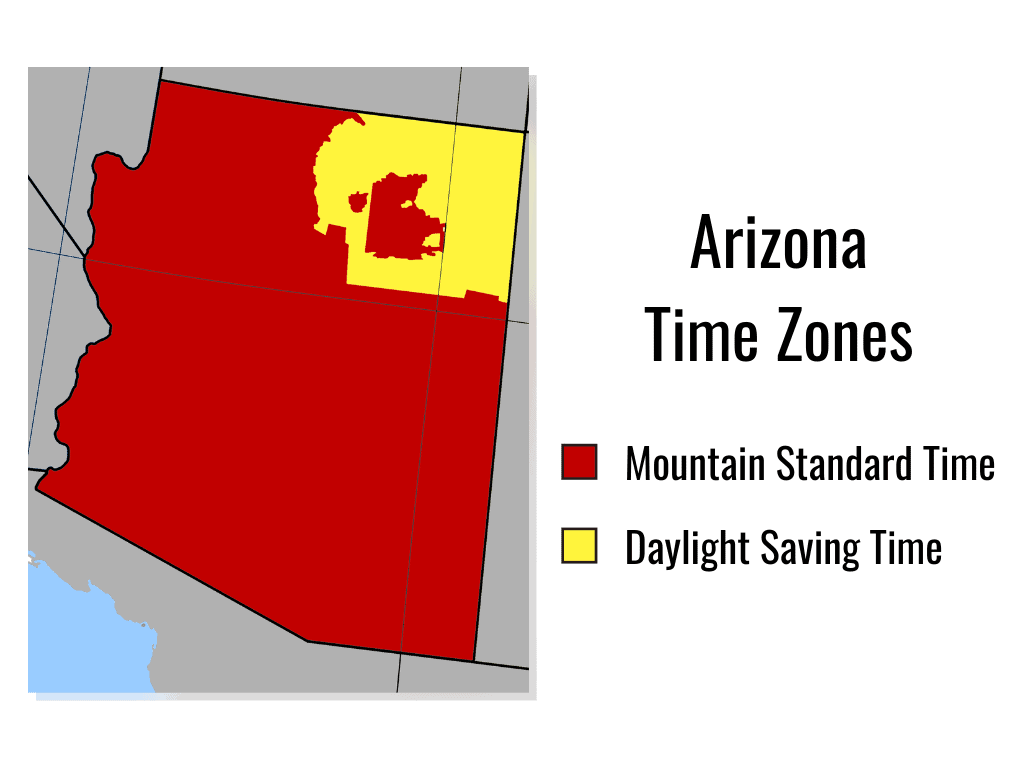
There’s one notable exception to this rule: the Navajo Nation. As the largest Native American reservation in the United States, spanning parts of Arizona, Utah, and New Mexico, the Navajo Nation does observe Daylight Saving Time. This creates a unique temporal “island” within Arizona, adding another layer of complexity when visiting iconic sites like Monument Valley or Antelope Canyon, which are on tribal lands. Being aware of this difference is crucial for tours and appointments within the Navajo Nation.
Practical Implications for Travelers and Residents
For travelers, Arizona’s time zone can affect everything from flight arrival times to dinner reservations. When flying in, especially during the DST period, your phone might automatically adjust to the wrong time if it’s based on your departure city’s settings. Always double-check your device’s time zone settings upon arrival or simply ask a local.
- During DST (March-November): If you’re coming from California or Nevada, Arizona will be the same time. If you’re coming from Colorado or New Mexico, Arizona will be one hour behind.
- Outside DST (November-March): If you’re coming from California or Nevada, Arizona will be one hour ahead. If you’re coming from Colorado or New Mexico, Arizona will be the same time.
This temporal dance means that a quick drive from Las Vegas, Nevada, to Kingman, Arizona, can involve a time shift depending on the season. Businesses in Arizona generally operate on MST year-round, so confirm opening hours for attractions and restaurants, especially if you’re crossing state lines or entering the Navajo Nation. This unique rhythm means longer daylight hours for enjoying outdoor activities in the cooler parts of the day, making early morning hikes or sunset viewing particularly appealing.
Planning Your Arizona Adventure: Time-Savvy Travel Tips
Successful travel to Arizona hinges on understanding and leveraging its unique time zone. Thoughtful planning can transform potential confusion into a strategic advantage, allowing you to maximize your experience whether you’re embarking on a solo adventure, a romantic getaway, a family vacation, or a business trip. By keeping the clock in mind, you can optimize your itinerary for comfort, convenience, and unparalleled enjoyment.
Synchronizing Your Schedule with Arizona’s Pace
When booking flights, always confirm the arrival time in local Arizona time. Many online booking systems will automatically adjust, but a manual check can prevent late arrivals or missed connections. Similarly, for hotel check-ins, tour departures, and dining reservations, it’s prudent to confirm the time in Arizona local time, especially if your travel dates fall during the DST transition periods.
For those planning to explore the vast Navajo Nation (home to Monument Valley, Antelope Canyon, and Canyon de Chelly National Monument), remember that they observe Daylight Saving Time. This means that during DST, if it’s 2 PM in Phoenix, it will be 3 PM in Page, a popular gateway to Antelope Canyon. Always coordinate with tour operators and tribal guides to ensure you arrive at the correct time for your scheduled activities. This is particularly vital for timed entry slots at popular attractions.
Embrace the early mornings in Arizona. Due to the lack of DST, the sun rises earlier relative to clock time during the summer months. This provides a fantastic opportunity to start your day’s adventures – whether it’s hiking Camelback Mountain in Phoenix or exploring the Grand Canyon National Park – before the midday heat becomes too intense. Similarly, evenings stretch out with ample light, perfect for sunset viewing or enjoying outdoor patios.
Essential Packing and Preparation for Diverse Time Zones
Beyond simply knowing the time, preparing for Arizona’s climate and distinct time zone means packing smart. Lightweight, breathable clothing is essential, especially from spring through fall. A wide-brimmed hat, sunglasses, and high-SPF sunscreen are non-negotiable for sun protection. Given the often vast distances between attractions and varying elevations, layering is also advisable, as desert mornings can be cool, even when afternoons are scorching.
Hydration is paramount. Always carry a reusable water bottle and replenish it frequently. The dry air can lead to quicker dehydration than you might expect. For road trips, having snacks and plenty of water in your vehicle is a good safety measure. If you plan to visit the Navajo Nation, be sure to confirm road conditions and fuel availability, as services can be sparse in remote areas.
Finally, consider downloading offline maps for areas with limited cell service, such as parts of the Grand Canyon or the Sonoran Desert. A reliable timepiece that you can manually set can also be helpful, as relying solely on your phone’s automatic updates can sometimes lead to confusion.

Exploring Arizona’s Wonders: Destinations and Experiences Unaffected by DST
Arizona’s unique time zone doesn’t diminish the allure of its incredible destinations; rather, it shapes how you experience them. From the iconic red rocks of Sedona to the bustling urban centers of Phoenix and Tucson, and of course, the majestic Grand Canyon, the state offers an abundance of attractions. Understanding the “What time Arizona?” query simply helps you plan your visit more effectively, ensuring you catch every sunrise, sunset, and scheduled tour.
Iconic Landmarks and Attractions Across the State
No visit to Arizona is complete without witnessing the sheer grandeur of the Grand Canyon National Park. Whether you explore the South Rim or the more remote North Rim (open seasonally), plan to arrive early for popular viewpoints to beat the crowds and the heat. Sunset views are particularly spectacular, and with later sunsets during the summer due to MST, you have more time to enjoy the changing light.
The spiritual vortexes and stunning red rock formations of Sedona beckon hikers, spiritual seekers, and art lovers alike. Hiking trails like Cathedral Rock and Boynton Canyon are best enjoyed in the cooler morning hours. For those venturing north, Flagstaff offers a mountain escape and serves as a gateway to the Grand Canyon and the Wupatki National Monument, while historic Williams provides a nostalgic journey along Route 66.
In Southern Arizona, Tucson combines desert beauty with a vibrant culinary scene and rich history. Explore the unique cacti of Saguaro National Park, visit the historic Mission San Xavier del Bac, or delve into aerospace history at the Pima Air & Space Museum. Further south, the charming mining towns of Bisbee and Jerome offer a glimpse into Arizona’s past, with unique shops and ghost tours.
For those interested in the engineering marvels, a trip to the Hoover Dam on the border with Nevada is fascinating. Remember the time zone change when crossing the dam, as Nevada does observe DST, making it an hour behind Arizona during summer months. Nearby Lake Mead offers opportunities for boating and water sports.
Cultural Immersion and Culinary Delights
Arizona is a melting pot of cultures, most notably its deep Native American heritage and a vibrant Mexican influence, especially in the southern regions. The Heard Museum in Phoenix offers an exceptional collection of Native American art and culture, while the Musical Instrument Museum provides a global journey through music.
The culinary scene across Arizona is diverse and exciting. In Phoenix and Scottsdale, you’ll find everything from upscale dining to innovative farm-to-table restaurants. Tucson is celebrated as a UNESCO City of Gastronomy, renowned for its unique Sonoran Desert cuisine, featuring ingredients like prickly pear and chiltepin peppers. Food tours are an excellent way to sample local flavors and learn about the region’s culinary history. Always confirm reservation times, particularly during peak seasons.
Where to Stay: Accommodations for Every Arizona Explorer
Choosing the right accommodation is paramount to any successful trip, and Arizona offers an impressive spectrum of options. From luxurious resorts that pamper every sense to cozy boutique hotels and family-friendly stays, the state caters to diverse preferences and budgets. When planning your stay, keep in mind the time zone implications, especially for check-in and check-out times, which are always based on local Arizona time.
From Luxury Resorts to Budget-Friendly Stays
For those seeking an indulgent escape, Scottsdale is a haven of luxury resorts. Properties like the JW Marriott Scottsdale Camelback Inn Resort & Spa and the Hyatt Regency Scottsdale Resort & Spa at Gainey Ranch offer world-class golf courses, rejuvenating spas, and exquisite dining experiences. In Tucson, the Ritz-Carlton, Dove Mountain provides a secluded desert retreat with stunning mountain views. Sedona is home to some of Arizona’s most enchanting accommodations, such as Enchantment Resort and L’Auberge de Sedona, both known for their breathtaking red rock backdrops and tranquil settings.
Budget-conscious travelers will find plenty of options, particularly in larger cities and near major attractions. Many national hotel chains offer comfortable and affordable stays in Phoenix, Tucson, and Flagstaff. For a more unique experience, consider historic hotels in towns like Jerome or Bisbee, or charming bed-and-breakfasts throughout the state. Vacation rentals, from cozy apartments to expansive villas, are also popular, offering flexibility and a home-away-from-home feel, especially for longer stays or family trips.
For an immersive outdoor experience, camping is a fantastic option in Arizona’s many state parks and national forests. Reservations, particularly at popular spots like Mather Campground at the Grand Canyon, are highly recommended and should be booked well in advance.
Booking Tips and Seasonal Considerations
When booking accommodations, always read reviews and compare prices across different platforms. Many hotels offer direct booking incentives, so it’s worth checking their official websites. Pay attention to cancellation policies, especially if your travel plans are subject to change.
Seasonal travel heavily influences availability and pricing. Spring (March-May) and Fall (September-November) are generally considered the best times to visit Arizona, with pleasant temperatures ideal for outdoor activities. During these peak seasons, expect higher prices and book well in advance, especially for popular destinations like Sedona and the Grand Canyon.
Summer (June-August) brings intense heat, particularly in the lower desert regions around Phoenix and Tucson. However, this is also when you can find excellent deals on hotels and resorts, particularly those with elaborate pool complexes. The northern parts of the state, like Flagstaff and the Grand Canyon, offer a cooler escape during these months but still experience high demand. Winter (December-February) is mild in the southern deserts, making it another popular time, while northern Arizona sees snow and opportunities for winter sports. Regardless of the season, understanding “What time Arizona?” ensures that your arrival and departure times align perfectly with your accommodation’s schedule.
Embracing the Arizona Lifestyle: Beyond the Clock
Beyond the practicalities of time zones, immersing oneself in the Arizona lifestyle is about appreciating its unique blend of natural beauty, outdoor adventure, cultural richness, and vibrant city life. The state’s consistent adherence to Mountain Standard Time subtly shapes this lifestyle, encouraging an early start to beat the heat and extended evenings to savor the spectacular sunsets. Whether you’re planning a romantic escape, an adventurous family trip, or a productive business stay, Arizona offers experiences that transcend the tick-tock of the clock.
Family Fun, Romantic Getaways, and Business Pursuits
Arizona is an ideal destination for diverse travel styles. For families, attractions like the Phoenix Zoo, the Desert Botanical Garden, and the interactive exhibits at the Arizona Science Center in Phoenix offer engaging experiences for all ages. Theme parks like Castles N’ Coasters provide thrill rides, while a scenic train ride on the Grand Canyon Railway from Williams is a memorable way to approach the national park. The state’s consistent time zone simplifies daily scheduling for families, reducing the chances of missed activities.
Couples seeking a romantic getaway will find solace in the stunning landscapes of Sedona, with its luxurious spas and intimate dining. Hot air balloon rides over the desert at sunrise offer an unforgettable experience. Resorts in Scottsdale provide secluded retreats with world-class amenities, perfect for celebrating special occasions. Enjoying a late dinner or a stargazing experience is made easier with Arizona’s extended daylight during summer evenings.
For business travelers, major cities like Phoenix and Tucson host numerous conferences and conventions. The consistency of MST year-round can simplify cross-time zone communication and scheduling, particularly for those regularly interacting with colleagues in California (same time during DST) or Mountain Time Zone states (same time outside DST). Many hotels offer extensive business facilities, co-working spaces, and convenient access to airports.
Making the Most of Arizona’s Natural Beauty and Vibrant Cities
Arizona’s appeal truly lies in its incredible natural diversity. From the towering saguaros of the Sonoran Desert to the pine forests of Flagstaff and the stunning Colorado River carving through canyons, outdoor enthusiasts will find endless opportunities. Hiking, mountain biking, rock climbing, kayaking, and whitewater rafting are popular activities. The early daylight hours during summer are perfect for beating the heat on popular trails.
The vibrant cities offer a different kind of energy. Explore the art galleries and boutiques of Old Town Scottsdale, enjoy the lively nightlife in Phoenix, or discover the historic charm of Prescott. Farmers’ markets, street festivals, and live music events are common occurrences throughout the year, showcasing local talent and produce. The consistent clock makes it easier to plan evenings out, enjoy longer twilight hours, and generally synchronize with the local rhythm of life.
Ultimately, “What time Arizona?” is more than just a question about the clock; it’s an invitation to understand and embrace a state that moves to its own unique beat. By familiarizing yourself with Arizona’s year-round Mountain Standard Time, and its sole exception within the Navajo Nation, you equip yourself for a seamless and memorable travel experience. This knowledge transforms a potential point of confusion into a valuable tool for planning, allowing you to fully immerse yourself in the wonders of this magnificent desert jewel, from its ancient landscapes to its modern, thriving cities.
LifeOutOfTheBox is a participant in the Amazon Services LLC Associates Program, an affiliate advertising program designed to provide a means for sites to earn advertising fees by advertising and linking to Amazon.com. Amazon, the Amazon logo, AmazonSupply, and the AmazonSupply logo are trademarks of Amazon.com, Inc. or its affiliates. As an Amazon Associate we earn affiliate commissions from qualifying purchases.